
Environmental Wellness
Table of Contents
- Introduction to Environmental Wellness
- Why Your Living Space Impacts Your Well-Being
- The Connection Between Environmental Wellness and Stress
- Air Quality: Breathing Easier at Home
- Natural Lighting and Its Role in Wellness
- Reducing Toxins in Your Living Space
- The Power of Plants for Healing Environments
- Decluttering and Mental Clarity
- Sustainable Living Practices at Home
- Case Study: A Family’s Journey to Environmental Wellness
- Practical Tips for a Healthier Living Space
- Benefits of Environmental Wellness at Home
- Frequently Asked Questions (10)
- Final Thoughts

1. Introduction to Environmental Wellness
Environmental wellness is more than just cleaning up your house—it’s about creating a sanctuary that nourishes your body, mind, and soul.
In today’s fast-paced lifestyle, we often forget that the space where we spend most of our time greatly impacts how we feel, think, and function.
A cluttered or polluted environment can lead to stress, fatigue, and even long-term health problems, while a balanced, toxin-free space can inspire peace and healing.
Environmental wellness focuses on designing your surroundings so they uplift rather than drain you. 🌿
Key Points:
- Home environment directly impacts well-being.
- Small changes create big improvements.
- Environmental wellness blends physical and spiritual health.
- Healthy homes reduce stress.
- Nature-inspired spaces nurture peace.
- Balance in your surroundings = balance within.
2. Why Your Living Space Impacts Your Well-Being
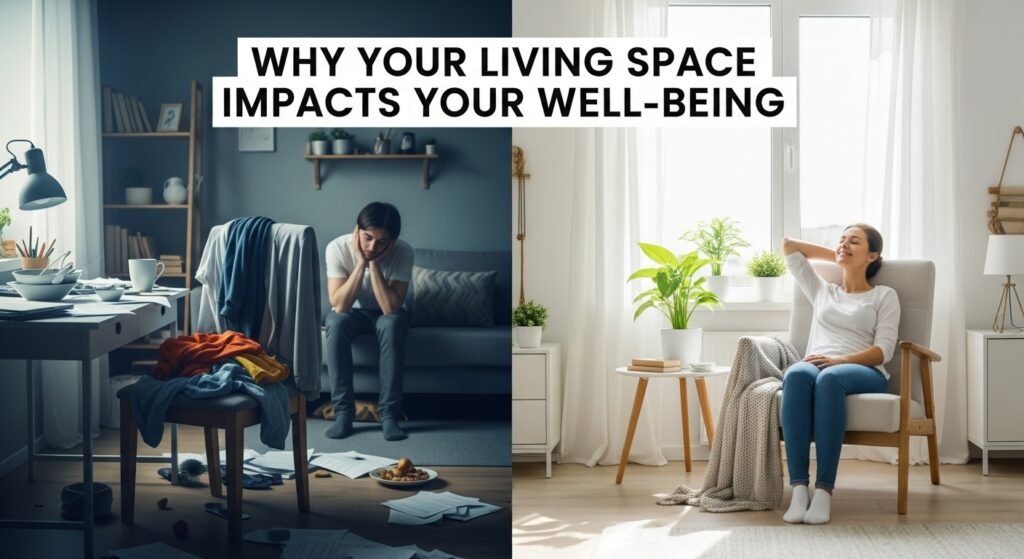
Your living space plays a powerful role in shaping your physical health, emotional balance, and overall sense of peace, often more than we realize. When your home is cluttered, noisy, or filled with stagnant energy, your mind unconsciously mirrors that chaos, making it harder to focus, relax, or feel calm.
On the other hand, a clean, organized, and light-filled environment sends signals of safety and stability to your nervous system, helping to lower stress and support better sleep.
Scientific studies show that poor indoor air quality can lead to respiratory issues, headaches, and fatigue, while fresh air circulation and plants improve immunity and brain clarity. Natural sunlight exposure is directly tied to improved mood, healthier sleep cycles, and increased vitamin D levels, which affect everything from bones to mental resilience.
Emotionally, your home environment influences your energy; a serene, balanced space naturally encourages positivity, creativity, and mindfulness. Spiritually, a harmonious living space enhances the flow of energy, creating a vibration that feels nurturing and restorative.
As Bahlon’s guidance suggests, the outer environment reflects the inner self—meaning when we care for our space, we are also caring for our soul. This is why taking intentional steps to improve your home isn’t just about décor or cleanliness—it’s an act of self-love and wellness.
Key Points:
- Surroundings influence emotions.
- Wellness begins in your living space.
- Organized spaces improve focus.
- Light and air affect mood.
- Toxic environments drain energy.
- Healthy homes support daily routines.
3. The Connection Between Environmental Wellness and Stress
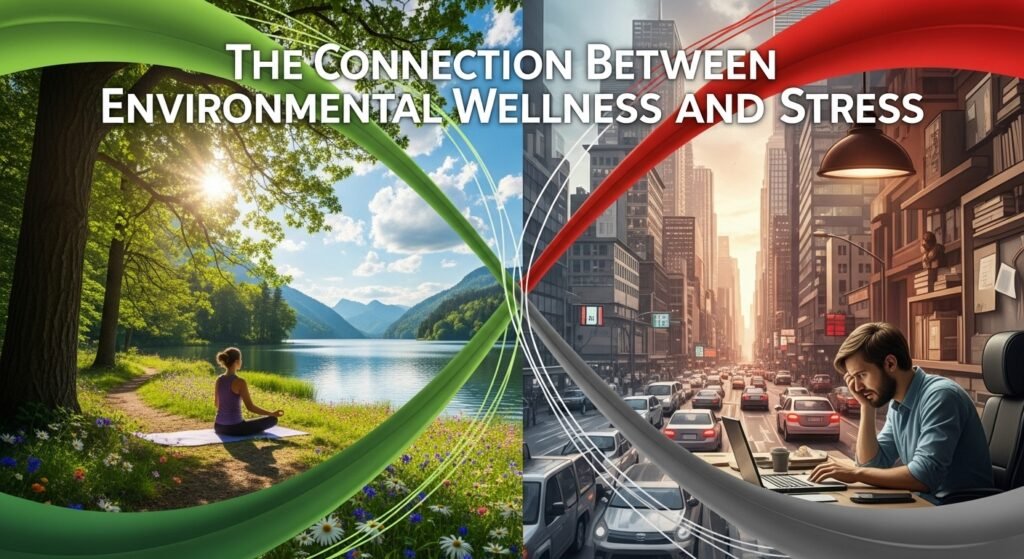
The state of your home environment has a direct and measurable connection to stress levels, and it often influences you more subtly than you realize.
A cluttered, disorganized space can trigger feelings of overwhelm, reminding you of unfinished tasks and draining your mental energy before you even notice it happening. Noise pollution from traffic, appliances, or digital devices can overstimulate your senses, keeping your nervous system in a constant state of alert and preventing true relaxation.
Poor lighting, especially dim or artificial sources, contributes to fatigue and even seasonal depression, while natural light instantly lifts mood and calms the mind. On a deeper level, environments filled with toxins—such as harsh chemicals, synthetic fragrances, or dust—can place physical stress on the body, which translates into emotional tension over time.
By contrast, an environment that prioritizes wellness—clean air, natural light, order, and soothing design—signals to the brain that you are safe, allowing cortisol (the stress hormone) levels to decrease. The result is greater clarity, patience, and a stronger ability to focus on what matters.
Spiritually, when your space feels heavy or blocked, your energy flow is disrupted, making you more vulnerable to stress and anxiety. But when your space is light, harmonious, and aligned with nature, it becomes a restorative sanctuary that actively reduces stress and helps you maintain emotional balance.
This is why environmental wellness is not just about aesthetics—it’s an essential tool for managing and minimizing stress in daily life.
Key Points:
- Environmental stress impacts mental clarity.
- Clean spaces = calmer mind.
- Lighting sets emotional tone.
- Toxic exposure adds anxiety.
- Relaxing environments reduce stress hormones.
- Mindful design supports peace.
4. Air Quality: Breathing Easier at Home
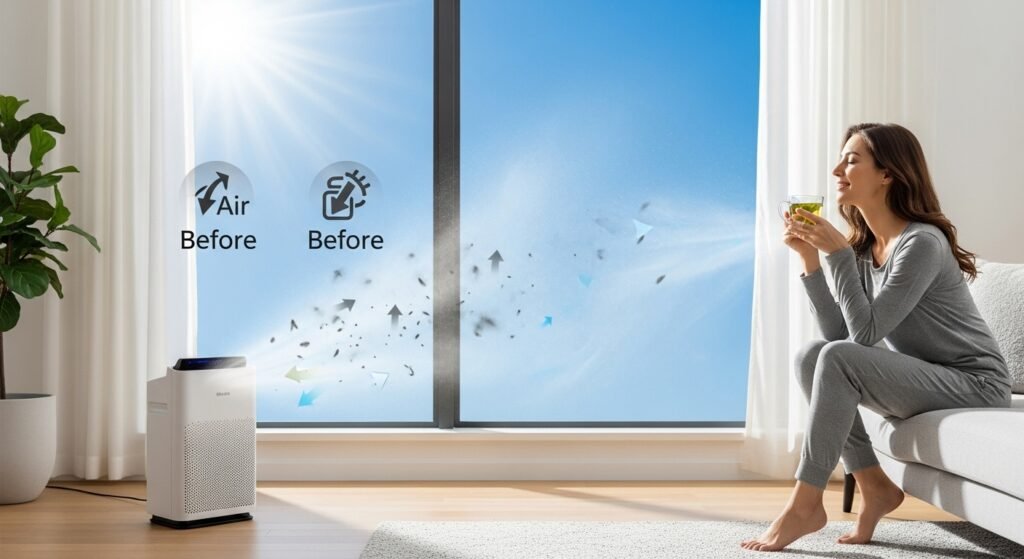
Air quality is one of the most important aspects of environmental wellness, yet it is often overlooked in daily life. The air you breathe directly affects your physical health, energy levels, and emotional balance.
Poor indoor air quality—caused by dust, mold, chemicals, or even inadequate ventilation—can lead to headaches, fatigue, respiratory issues, and an overall sense of heaviness in the body.
Over time, this buildup of toxins can also contribute to chronic stress, as your body constantly works harder to detoxify. Simple changes, however, can make a dramatic difference. Opening windows for fresh airflow helps circulate oxygen and removes stagnant energy from your space.
Incorporating air-purifying plants such as peace lilies, snake plants, or aloe vera naturally cleanses the air while adding calming greenery to your home. Using essential oil diffusers with eucalyptus, lavender, or tea tree can further improve air quality while soothing the senses.
Investing in an air purifier may also be beneficial, especially in urban areas where pollution levels are high. On a deeper level, clean and fresh air promotes clarity of thought, reduces brain fog, and supports better sleep cycles.
Spiritually, breath is life force energy (prana or chi), and when you breathe in clean air, you invite balance and vitality into your being. By prioritizing air quality at home, you not only strengthen your physical health but also create a sanctuary where the mind and spirit can breathe easier too.
Tips:
- Use natural cleaning products.
- Ventilate rooms daily.
- Invest in air purifiers.
- Avoid smoking indoors.
- Add air-purifying plants.
- Keep dust and mold away.
5. Natural Lighting and Its Role in Wellness
Natural lighting plays a powerful role in shaping your physical, emotional, and spiritual well-being. Sunlight regulates your circadian rhythm, the body’s internal clock that controls sleep, energy levels, and hormone balance.
When your home allows in natural light, it helps improve mood, enhance focus, and reduce symptoms of anxiety or depression. Unlike artificial lighting, sunlight carries life-giving energy that boosts Vitamin D production, which supports immunity and bone strength.
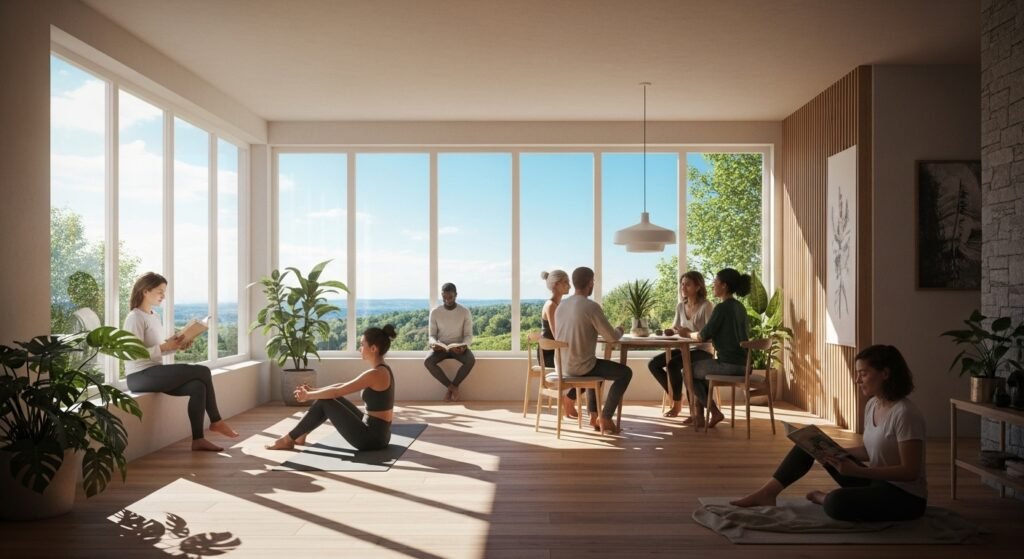
Rooms filled with natural light feel more open, uplifting, and alive, creating a sense of harmony between you and your environment. Exposure to morning light, even for just 15 minutes, can reset your body’s rhythm and energize you for the day ahead.
From a spiritual perspective, sunlight is a source of pure energy that connects you to nature and your higher self. It symbolizes clarity, warmth, and renewal, reminding you of your inner light.
If your living space lacks windows, you can maximize brightness with reflective surfaces like mirrors, light-colored walls, or sheer curtains that allow sunlight to flow freely.
Positioning your workspace or relaxation spot near a window can also help you absorb the benefits of natural light throughout the day.
For evening hours, soft and warm artificial lighting can complement the natural rhythm of the sun, creating balance without overstimulation. Prioritizing natural light not only improves the look of your space but also deeply nurtures your body, mind, and soul.
Tips:
- Open curtains daily.
- Position workspaces near windows.
- Use mirrors to reflect sunlight.
- Replace harsh lighting with soft LEDs.
- Get at least 15 minutes of sunlight daily.
- Use warm-toned lamps for evenings.
6. Reducing Toxins in Your Living Space
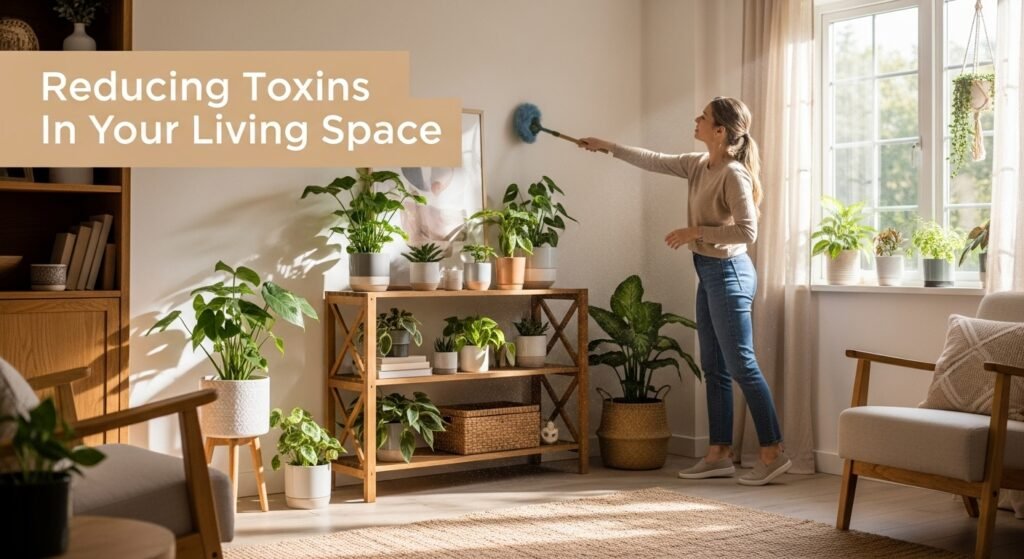
Your living space should feel like a sanctuary, but hidden toxins can quietly disrupt both health and peace of mind. Common household items such as cleaning products, synthetic fragrances, paints, plastics, and even furniture often release harmful chemicals into the air.
These toxins can trigger allergies, respiratory issues, headaches, and fatigue, gradually creating an unhealthy environment. Reducing toxins starts with awareness—reading labels, choosing non-toxic alternatives, and being mindful of what enters your home.
Switching to natural cleaning solutions made from vinegar, baking soda, and essential oils is an easy, eco-friendly step that keeps your space fresh without harmful side effects.
Opting for glass, wood, or stainless steel over plastic can also reduce exposure to endocrine-disrupting chemicals. Bringing in toxin-absorbing plants, like spider plants or Boston ferns, helps naturally purify the air.
Avoiding synthetic air fresheners and candles in favor of beeswax candles or essential oil diffusers can create a cleaner, soothing atmosphere. From a wellness perspective, a toxin-free home eases the body’s detoxification load, allowing more energy for healing, focus, and creativity.
Spiritually, clearing toxins removes stagnant or negative energy, replacing it with vitality and clarity. The fewer toxins in your environment, the more your home becomes a space of alignment with nature and harmony with your higher self.
By reducing harmful substances, you create not just a healthier house, but a nourishing and healing sanctuary for your soul.
Tips:
- Switch to natural cleaning solutions.
- Choose organic fabrics.
- Use soy or beeswax candles.
- Avoid plastics where possible.
- Filter tap water.
- Store food in glass containers.
7. The Power of Plants for Healing Environments
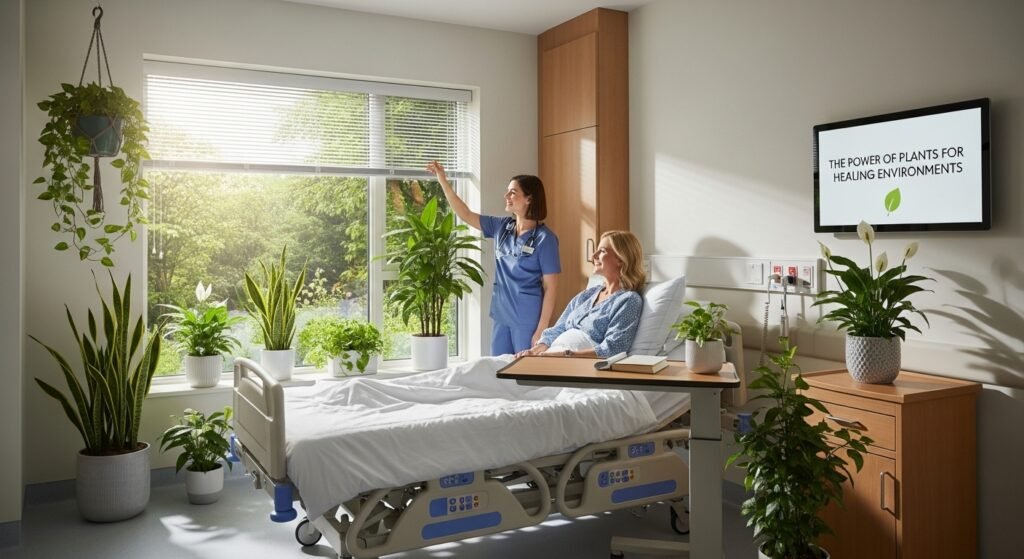
Plants are more than just decorative elements; they are living beings that actively support health, balance, and spiritual harmony in your home.
Scientifically, plants improve indoor air quality by absorbing toxins, releasing oxygen, and increasing humidity, making the environment easier on your lungs and skin.
Psychologically, surrounding yourself with greenery has been shown to reduce stress, lower blood pressure, and improve concentration. Even the simple act of watering or caring for plants creates a mindful moment that grounds you in the present.
Spiritually, plants carry natural life-force energy that connects you directly to the earth and its healing vibrations. Each plant has unique qualities—lavender soothes and calms, aloe vera purifies and heals, while snake plants protect and cleanse energy.
Incorporating plants into your living space also creates a sense of renewal and growth, reminding you of your own ability to thrive and evolve. A windowsill herb garden adds both wellness and nourishment, infusing your meals with freshness and vitality.
Larger leafy plants bring softness and life into living rooms, while small succulents add balance to workspaces. Beyond aesthetics, plants cultivate a healing atmosphere where the body, mind, and soul can relax and recharge.
They serve as silent companions, absorbing heavy energy and replacing it with calm and lightness. By weaving greenery into your environment, you’re not only enhancing beauty—you’re creating a living sanctuary that heals and inspires every day.
Healing Plants for Homes:
- Aloe Vera (air purifier & healing gel)
- Peace Lily (removes toxins)
- Snake Plant (oxygen at night)
- Lavender (calming scent)
- Bamboo Palm (humidity & freshness)
- Rosemary (memory boost)
8. Decluttering and Mental Clarity
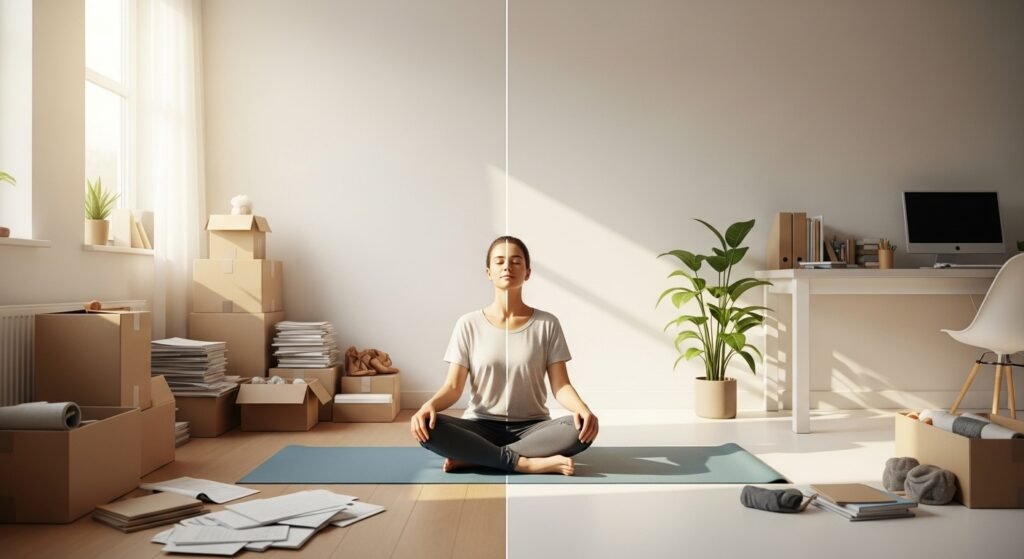
Decluttering is far more than just cleaning—it’s an intentional practice that directly impacts your mental clarity and emotional balance. A cluttered environment often creates a sense of overwhelm, making it harder to focus, relax, or feel at peace in your own home.
Every unorganized item sends a subtle signal of unfinished business, which can weigh heavily on the mind and increase stress. By contrast, a tidy and organized space promotes calmness, focus, and even creativity.
Decluttering doesn’t always mean throwing everything away; it means being mindful of what adds value and what no longer serves your well-being. The process of letting go of unnecessary items can feel deeply liberating, as it mirrors releasing emotional baggage and stagnant energy.
Spiritually, clearing physical clutter opens up energetic flow, creating room for new opportunities and growth in your life. Simple practices—like dedicating 10 minutes a day to tidying, organizing by category, or practicing the “one in, one out” rule—make decluttering sustainable.
Even small changes, like organizing your desk or clearing countertops, can bring immediate relief and mental space. Decluttered spaces also improve sleep quality, as the bedroom becomes a place of rest rather than distraction.
On a deeper level, decluttering teaches mindfulness, gratitude, and intentionality about what you allow into your life. A clear space invites a clear mind, turning your home into a sanctuary that supports emotional wellness and spiritual alignment.
Tips:
- Follow “one in, one out” rule.
- Donate unused items.
- Create organized storage.
- Keep surfaces clear.
- Digital decluttering matters too.
- Minimalism encourages freedom.
9. Sustainable Living Practices at Home
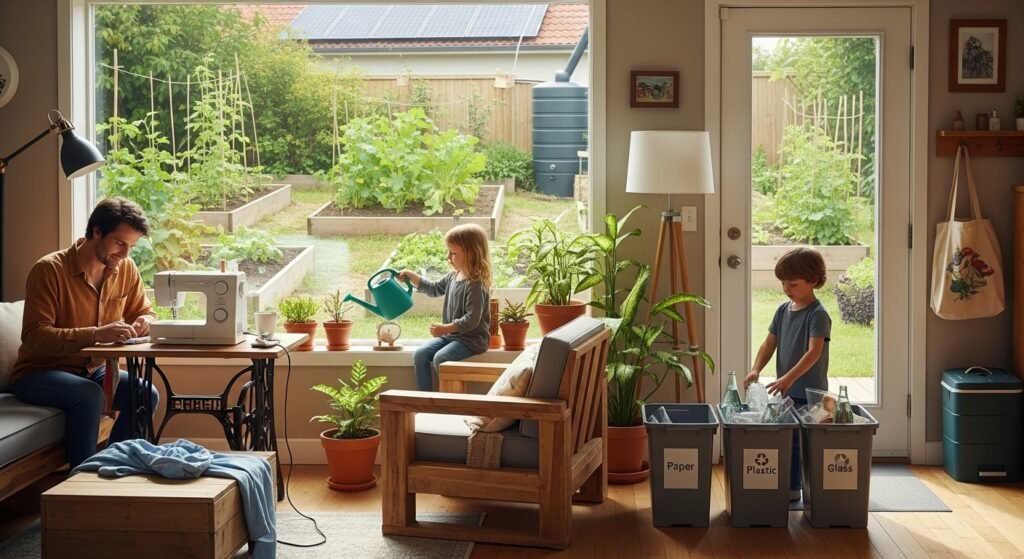
Environmental wellness also means protecting the Earth. Sustainable habits reduce waste, save resources, and create mindful living.
Sustainable living at home means making mindful choices that support both your wellness and the health of the planet. Simple steps like reducing energy use, conserving water, and recycling create a more balanced and eco-friendly environment.
Choosing reusable items over single-use plastics lowers toxins and waste while aligning your lifestyle with nature’s rhythm.
Supporting local and organic products also reduces your carbon footprint and enhances personal wellness. These practices not only protect the environment but also cultivate a sense of responsibility, gratitude, and harmony within your daily life.
A sustainable home becomes a sanctuary that nourishes both you and future generations.
Sustainable Steps:
- Reduce single-use plastics.
- Compost kitchen waste.
- Save energy with LED bulbs.
- Use eco-friendly cleaning products.
- Recycle consistently.
- Support local, sustainable brands.

10. Case Study: A Family’s Journey to Environmental Wellness
The Ali family lived in a busy city apartment. Stress, fatigue, and allergies were constant.
They began with small changes: switching to natural cleaners, adding indoor plants, and decluttering weekly. Within months, the family noticed less stress, better sleep, and a fresher home atmosphere.
These steps not only improved health but strengthened family bonds.
Key Takeaways:
- Small changes create big impacts.
- Plants refresh energy.
- Clean air supports sleep.
- Decluttering reduces mental load.
- Wellness habits strengthen family.
- Environmental shifts improve daily life.
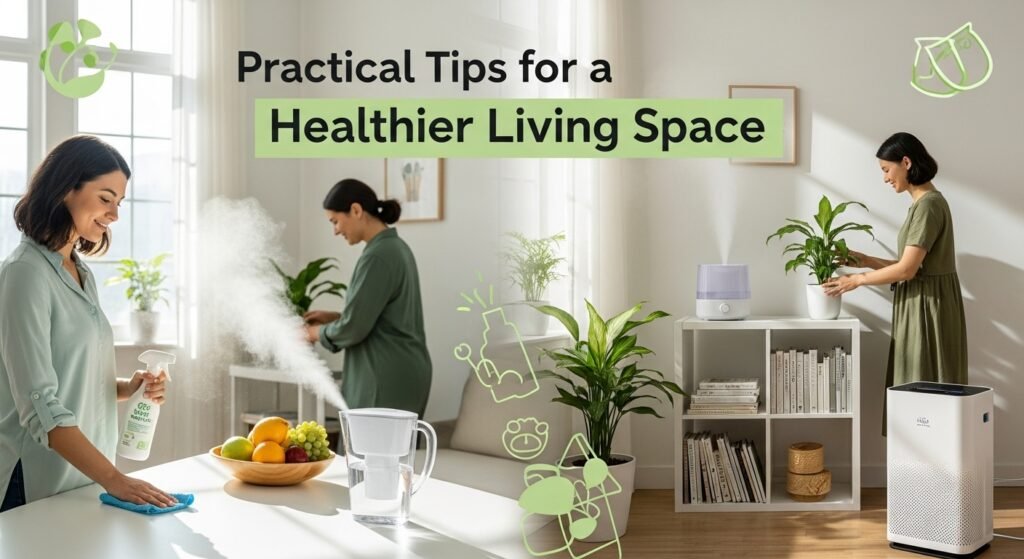
| Area of Home | Simple Change | Wellness Benefit |
|---|---|---|
| Living Room | Add indoor plants | Reduce toxins & stress |
| Bedroom | Remove electronics | Better sleep & relaxation |
| Kitchen | Use glass containers | Fewer toxins & safe food storage |
| Bathroom | Natural cleaning products | Healthier environment |
| Workspace | Position near window | Boost focus & mood |
| Whole Home | Declutter weekly | Mental clarity & peace |
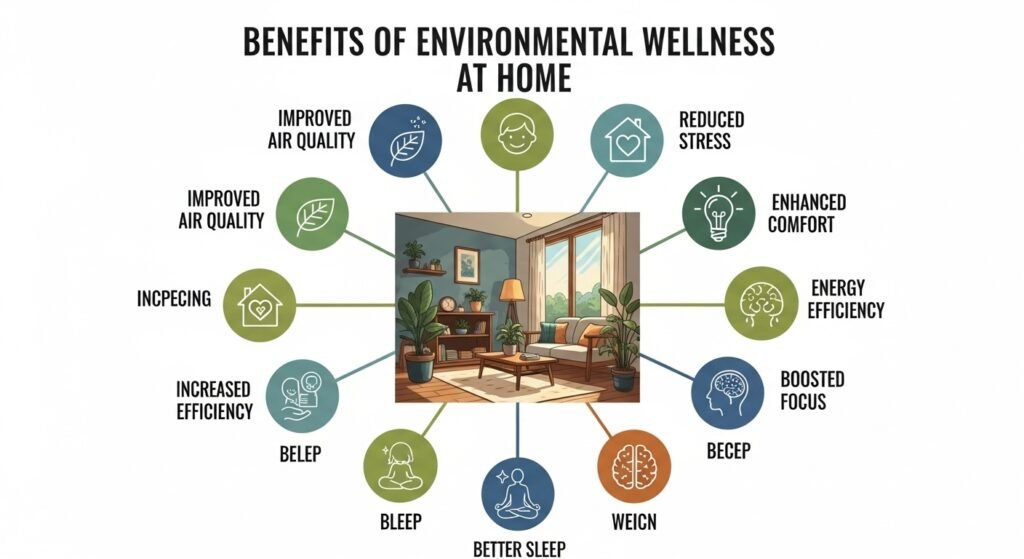
12. Benefits of Environmental Wellness at Home
Creating a wellness-focused home environment offers profound benefits that touch every aspect of life—physical, emotional, and spiritual.
Physically, a clean, toxin-free, and naturally lit space supports better breathing, stronger immunity, and deeper sleep.
Spiritually, a balanced environment helps you feel more grounded and connected to your higher self, allowing energy to flow freely and positively. Environmental wellness also boosts productivity and focus, making it easier to accomplish daily tasks with clarity and efficiency.
By incorporating plants, natural light, and calming scents, your home becomes a sanctuary that restores rather than drains your energy. It also strengthens relationships, as shared environments filled with peace promote better communication and intimacy.
Decluttering, too, provides freedom from distractions, giving you more mental space to reflect, grow, and create. When your home supports your well-being, you carry that energy into every other area of your life—work, relationships, and personal growth.
A wellness-centered living space also becomes a source of inspiration, reminding you daily of your commitment to health and balance. Ultimately, the benefits of environmental wellness ripple outward, creating not just a healthier home, but a healthier and more fulfilling life.
- Reduced stress and anxiety
- Stronger immunity
- Improved sleep quality
- Enhanced focus and productivity
- Cleaner energy flow in the home
- Sustainable lifestyle for future generations
13. Frequently Asked Questions
1) What is environmental wellness at home?
It’s about creating a healthy living space that supports mind, body, and spirit.
2) How does clutter affect wellness?
Clutter overwhelms the mind, increases stress, and drains focus.
3) What plants are best for indoor air?
Snake plant, peace lily, bamboo palm, and aloe vera are top choices.
4) Can lighting affect my mood?
Yes—natural light boosts energy, while poor lighting increases fatigue.
5) How do I start reducing toxins?
Begin with switching to natural cleaners and avoiding plastics.
6) Is environmental wellness expensive?
Not at all—small steps like decluttering and opening windows are free.
7) How does sustainability tie into wellness?
Eco-friendly choices reduce stress on the planet and create mindful living.
8) Do scents impact wellness?
Yes—natural scents like lavender or citrus calm the mind and improve mood.
9) How often should I declutter?
Weekly small sessions work better than occasional large cleanups.
10) Can children benefit from environmental wellness?
Absolutely—clean air, natural light, and toxin-free spaces improve their growth and learning.
14. Final Thoughts
🌱 Your home is your sanctuary. By aligning your space with wellness practices, you don’t just improve the environment—you improve yourself. Environmental wellness is about balance, simplicity, and mindfulness. With Bahlon’s wisdom of energy alignment, every small step you take—be it adding plants, reducing toxins, or letting in more light—creates harmony. A healthy space nourishes a healthy soul.