
Embracing a growth mindset is the first step towards significant personal transformation. It’s about understanding that our abilities and intelligence can be developed through dedication and hard work. By adopting this mindset, individuals can unlock their potential and achieve remarkable self-improvement.

The journey to personal development is not always straightforward. It involves making small shifts in our daily habits, perspectives, and actions. These subtle changes can accumulate over time, leading to substantial positive transformations in our lives.
Key Takeaways
- Adopting a growth mindset is crucial for personal transformation.
- Small shifts in habits and perspectives can lead to significant changes.
- Personal development is a continuous process that requires dedication and effort.
- Embracing challenges is a key aspect of self-improvement.
- Fostering a positive and resilient mindset is essential for growth.
The Science of Mindset and Its Impact on Personal Development
Understanding the science behind mindset is crucial for personal growth and development. The concept of mindset has been extensively researched in the field of psychology, revealing its significant impact on how we approach challenges, learn from failures, and achieve our goals.
Fixed vs. Growth Mindset: Carol Dweck’s Revolutionary Research
Carol Dweck’s groundbreaking research introduced the concepts of fixed and growth mindsets, fundamentally changing our understanding of personal development. A fixed mindset assumes that our abilities and intelligence are static, while a growth mindset believes that these traits can be developed through dedication and hard work. Dweck’s work showed that individuals with a growth mindset are more likely to embrace challenges, persist in the face of obstacles, and achieve greater success.
Neuroplasticity: How Your Brain Physically Changes with Your Mindset
The concept of neuroplasticity reveals that our brain’s structure and function can change based on our experiences and mindset. Research has shown that adopting a growth mindset can lead to increased neural connections and a more resilient brain. This understanding empowers individuals to take control of their personal development, leveraging the brain’s ability to adapt and change.
By embracing a growth mindset and understanding the science behind it, individuals can unlock their full potential, leading to significant personal and professional growth. The ability to rewire our brain through practice and persistence offers a powerful tool for achieving success and overcoming obstacles.
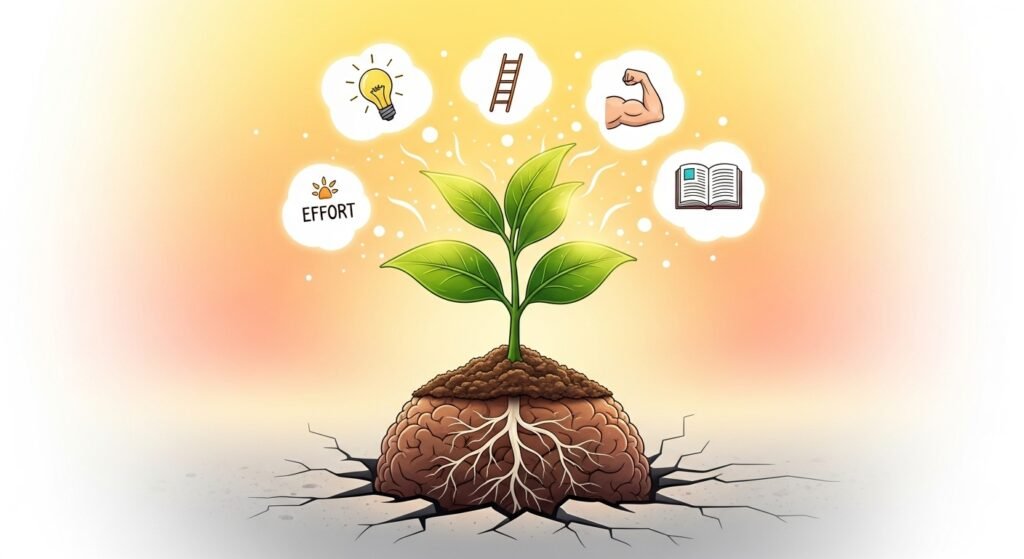
The Transformation and Growth Mindset Framework
Embracing change requires a deep understanding of the principles that foster lasting transformation. At its core, the transformation and growth mindset framework is about adopting a mindset that is open to continuous improvement and development.
Core Principles That Drive Lasting Change
The core principles of a growth mindset include embracing challenges, persisting in the face of obstacles, and seeing effort as a path to success. These principles are foundational to achieving lasting change and are supported by research in the field of psychology.
The Psychology Behind Successful Transformation
Successful transformation is rooted in the psychology of human behavior and development. It involves understanding how our thoughts, feelings, and actions contribute to our ability to change and grow.
Cognitive Restructuring Techniques
Cognitive restructuring is a powerful technique used to change negative thought patterns and behaviors. It involves identifying distorted or unhelpful thinking, challenging these thoughts, and replacing them with more balanced and constructive ones. This process can lead to significant improvements in mental health and well-being.
By applying cognitive restructuring techniques and embracing the core principles of a growth mindset, individuals can achieve lasting change and transformation. This framework provides a roadmap for personal and professional development, enabling individuals to reach their full potential.
Small Shifts That Create Exponential Results
Small, consistent improvements can compound into substantial transformations over time. This concept is at the heart of achieving lasting change through minor adjustments that accumulate over time.
The 1% Improvement Philosophy
The 1% improvement philosophy, popularized by James Clear in “Atomic Habits,” suggests that making just a 1% improvement each day can lead to significant gains over time. This approach focuses on the power of marginal gains, where small, incremental changes add up to make a substantial difference.
Key aspects of the 1% improvement philosophy include:
- Making small, incremental changes
- Focusing on progress, not perfection
- Building habits that support continuous improvement
Breaking the Cycle of Perfectionism and Procrastination
Perfectionism and procrastination often go hand-in-hand, creating a cycle that hinders progress. To break this cycle, it’s essential to adopt a mindset that values progress over perfection.
Micro-Habits That Build Momentum
Micro-habits are small, manageable habits that, when practiced consistently, can lead to significant improvements. Examples include:
- Reading for 10 minutes each day
- Exercising for 5 minutes in the morning
- Writing down three things you’re grateful for each day
By incorporating micro-habits into your daily routine, you can build momentum and make lasting changes.
Embracing the concept of small shifts and the 1% improvement philosophy can be a powerful way to create exponential results in various areas of your life. By focusing on making small, incremental changes and building micro-habits, you can break the cycle of perfectionism and procrastination, ultimately achieving significant transformations.
Overcoming Obstacles with a Growth-Oriented Approach
With a growth-oriented mindset, individuals can transform obstacles into opportunities for growth. This approach is not just about being optimistic; it’s a strategic way of dealing with challenges that come up in personal and professional development.
Reframing Failure as Essential Feedback
Failure is often viewed negatively, but it can be a valuable learning experience.
By reframing failure as feedback, you can identify areas for improvement and develop strategies to overcome them. This mindset shift helps in building resilience and perseverance.
- Analyze what went wrong
- Identify key takeaways
- Apply lessons to future endeavors
Strategies for Pushing Through Learning Plateaus
Learning plateaus can be discouraging, but they are a normal part of the growth process.
To push through these plateaus, it’s essential to mix up your learning strategies or seek out new challenges.
This could involve taking on a new project, seeking feedback from others, or adjusting your approach to learning.
- Assess your current learning strategy
- Seek out new resources or mentors
- Apply new strategies and monitor progress
Embracing Discomfort as a Catalyst for Growth
Growth often occurs outside of our comfort zones. Embracing discomfort can lead to significant personal and professional development. It’s about being willing to take risks and face challenges head-on, rather than avoiding them.

By adopting a growth-oriented approach, you can overcome obstacles and achieve your goals. It’s a mindset that fosters resilience, creativity, and continuous learning.
The Language of Transformation: Reshaping Your Inner Dialogue
Reshaping your inner dialogue is a powerful tool for transformation, enabling you to overcome self-imposed limitations.
The language we use internally has a profound impact on our mindset and ability to achieve our goals. By consciously adjusting our inner narrative, we can foster a more positive and resilient mindset.
Power Phrases That Activate a Growth Mindset
Using power phrases can significantly influence our mindset. Phrases such as “I can learn to do this” or “I am capable of overcoming challenges” can activate a growth mindset.
These phrases help in reprogramming our inner dialogue to be more positive and empowering.
- I am in control of my thoughts and actions.
- Challenges help me grow and learn.
- I am resilient and can bounce back from setbacks.
Eliminating Self-Sabotaging Language Patterns
Identifying and eliminating self-sabotaging language is crucial for personal transformation.
Phrases like “I’ll never be able to do this” or “I’m not good enough” can hinder our progress.
By becoming aware of these patterns, we can replace them with more positive and constructive language.
Daily Affirmations and Their Scientific Basis
Daily affirmations are a powerful tool for reshaping our inner dialogue. Research has shown that repeating positive affirmations can lead to changes in the brain, enhancing our ability to adopt a growth mindset.
By incorporating daily affirmations into our routine, we can rewire our brain to be more positive and resilient.
“You have power over your mind – not outside events. Realize this, and you will find strength.”
Marcus Aurelius
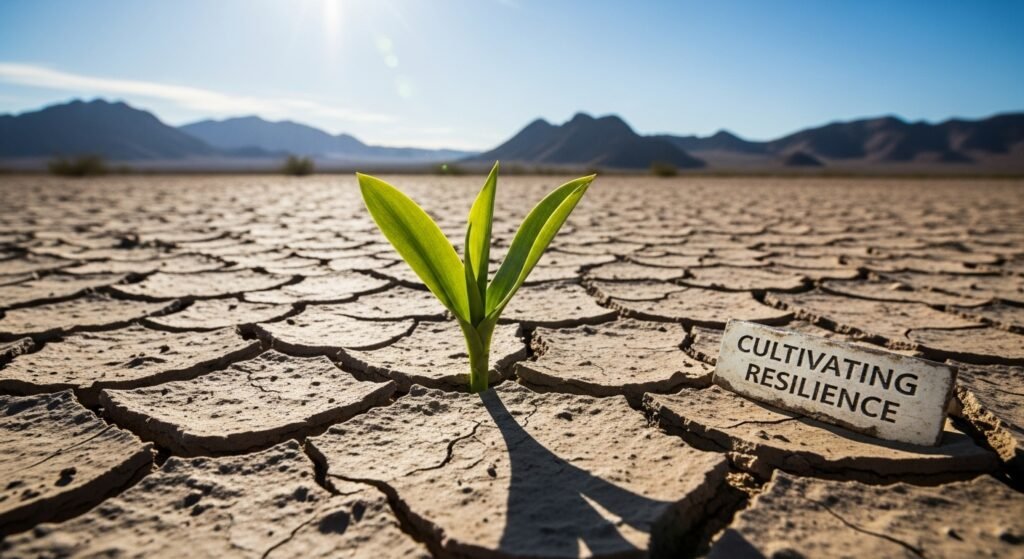
Cultivating Resilience Through Intentional Mindset Shifts
Intentional mindset shifts can significantly enhance our ability to bounce back from adversity. Cultivating resilience is a multifaceted process that involves more than just enduring hardships; it’s about growing and learning from our experiences. By adopting a growth mindset, we can transform challenges into opportunities for personal development.
Building Mental Toughness in Challenging Times
Building mental toughness is crucial for resilience. This involves developing a mindset that is adaptable, positive, and focused on solutions rather than problems.
Techniques such as mindfulness, positive self-talk, and setting achievable goals can help strengthen mental toughness. For instance, athletes often use visualization techniques to prepare for competitions, enhancing their mental resilience.
Mental toughness is not about being immune to stress or difficulties but about being able to navigate them effectively. It’s about having the resilience to keep moving forward, even when faced with significant challenges.
Recovery Practices for Maintaining Forward Momentum
Recovery is a critical component of resilience. It’s essential to have practices in place that help maintain forward momentum, even after setbacks.
This can include self-care routines, seeking support from others, and engaging in activities that promote relaxation and stress reduction. Prioritizing recovery is not a sign of weakness but a strategic move to sustain long-term progress.
- Engage in regular physical activity to enhance mood and energy levels.
- Practice mindfulness or meditation to reduce stress.
- Connect with supportive networks or mentors.
The Growth-Resilience Connection
The connection between growth and resilience is intrinsic. A growth mindset fosters resilience by encouraging us to view challenges as opportunities for growth. This mindset helps us to be more adaptable and to persevere in the face of obstacles.
As Carol Dweck’s research has shown, believing that our abilities can be developed through dedication and hard work is fundamental to achieving success and building resilience.

Growth Mindset Applications Across Life Domains
Embracing a growth mindset can lead to transformative outcomes in numerous areas, including career advancement, emotional intelligence, and overall well-being.
By applying a growth-oriented approach, individuals can experience significant improvements in various aspects of their lives.
Professional Development and Career Advancement
In the professional sphere, a growth mindset enables individuals to embrace challenges, persist through obstacles, and view failures as opportunities for growth.
This mindset is crucial for career advancement, as it fosters a culture of continuous learning and adaptation. Professionals with a growth mindset are more likely to seek feedback, develop new skills, and take on new challenges, making them more competitive in the job market.
Key strategies for applying a growth mindset in professional development include:
- Seeking mentorship and feedback
- Embracing new challenges and responsibilities
- Developing a learning plan and setting achievable goals
Personal Relationships and Emotional Intelligence
A growth mindset also enhances personal relationships by promoting emotional intelligence, empathy, and effective communication. Individuals with a growth mindset are more likely to navigate conflicts constructively and build stronger, more resilient relationships.
To cultivate a growth mindset in personal relationships, consider:
- Practicing active listening and empathy
- Being open to feedback and constructive criticism
- Fostering a supportive and non-judgmental environment
Health, Fitness, and Well-being Transformation
The growth mindset plays a significant role in health and fitness transformations by encouraging individuals to set realistic goals, persist through challenges, and adapt to new information. This mindset helps individuals maintain motivation and achieve sustainable lifestyle changes.
Financial Growth and Abundance Thinking
In the realm of financial growth, a growth mindset promotes abundance thinking, encouraging individuals to invest in themselves, take calculated risks, and view financial setbacks as learning opportunities. This mindset is essential for achieving long-term financial stability and success.
| Life Domain | Growth Mindset Application | Benefits |
|---|---|---|
| Professional Development | Embracing challenges, seeking feedback | Career advancement, skill development |
| Personal Relationships | Emotional intelligence, empathy | Stronger relationships, conflict resolution |
| Health and Fitness | Persisting through challenges, adapting to new information | Sustainable lifestyle changes, improved well-being |
| Financial Growth | Abundance thinking, calculated risk-taking | Long-term financial stability, success |
By applying a growth mindset across various life domains, individuals can unlock their full potential, achieve their goals, and lead more fulfilling lives.
Transformation Success Metrics: Measuring Your Growth Journey
Measuring progress is a crucial aspect of any transformation journey, providing insights into growth and areas for improvement. As you embark on this path, it’s essential to establish clear success metrics to gauge your advancement.
Qualitative vs. Quantitative Progress Indicators
When assessing your transformation journey, it’s vital to consider both qualitative and quantitative progress indicators.
Quantitative metrics might include tangible achievements such as career milestones or financial growth. On the other hand, qualitative indicators focus on the personal growth aspects, such as increased confidence or improved relationships.
To get a comprehensive view of your progress, consider maintaining a journal or log to track both types of indicators. This practice allows you to reflect on your journey and make informed adjustments as needed.
The Growth Mindset Assessment Table
To help you evaluate your growth mindset, we’ve created a simple assessment table. This tool enables you to score yourself across various dimensions of personal and professional development.
| Dimension | Low | Moderate | High |
|---|---|---|---|
| Resilience | 1 | 2-3 | 4-5 |
| Adaptability | 1 | 2-3 | 4-5 |
| Self-Awareness | 1 | 2-3 | 4-5 |
Self-Evaluation Framework for Ongoing Development
Using the assessment table, you can develop a self-evaluation framework for ongoing development. This involves regularly scoring yourself across the different dimensions and setting goals for improvement.
- Identify areas of strength and weakness.
- Set specific, achievable goals for improvement.
- Develop strategies to achieve these goals.
- Regularly review and adjust your progress.
By implementing this framework and regularly assessing your progress, you’ll be better equipped to navigate your transformation journey and achieve lasting success.
Real-Life Transformation Stories and Case Studies
Through the lens of real-life transformation stories, we can gain valuable insights into the mindset shifts that drive success.
By examining the journeys of individuals who have undergone significant transformations, we can identify key strategies and practices that contributed to their growth.
From Struggle to Success: Inspiring Mindset Shift Examples
Many individuals have achieved remarkable transformations through mindset shifts.
For instance, J.K. Rowling, the author of the Harry Potter series, was a single mother living on welfare when she began writing.
Her determination and growth mindset enabled her to create one of the most successful book series in history.
Similarly, Chris Gardner, who went from being a struggling single father to a successful stockbroker, is a testament to the power of perseverance and a growth-oriented mindset.
Lessons from Growth-Oriented Leaders and Innovators
Growth-oriented leaders and innovators often share common traits and strategies that contribute to their success. Some of these include:
- Embracing challenges as opportunities for growth
- Fostering a culture of continuous learning and improvement
- Being open to feedback and willing to adapt
By studying the approaches of these leaders, we can gain valuable insights into the mindset shifts that drive transformation.
Common Patterns in Transformation Journeys
While each transformation journey is unique, there are common patterns that emerge. These include:
- A willingness to confront and overcome obstacles
- A commitment to lifelong learning and self-improvement
- The ability to reframe challenges as opportunities for growth
By recognizing these patterns, we can better navigate our own transformation journeys and make meaningful progress towards our goals.
Conclusion: Embracing Your Continuous Evolution
As we conclude our exploration of transformation and growth mindset, it’s clear that embracing continuous evolution is key to unlocking your full potential. By adopting a growth mindset, you’ve taken the first step towards a lifelong journey of learning and self-improvement.
The small shifts you’ve made, inspired by the 1% improvement philosophy, will compound over time, leading to significant positive change in your personal and professional life. As you continue on this path, remember that growth is not a destination, but a continuous process.
Stay committed to your growth journey, and you’ll find that the principles outlined in this article will become second nature. By doing so, you’ll be better equipped to navigate life’s challenges, capitalize on opportunities, and achieve your goals.
FAQ
What is a growth mindset, and how can it be developed?
A growth mindset is the belief that one’s abilities and intelligence can be developed through dedication and hard work. It can be developed by embracing challenges, persisting in the face of obstacles, and viewing failures as opportunities for growth.
How can I apply the 1% improvement philosophy in my daily life?
The 1% improvement philosophy involves making small, incremental changes to achieve significant improvements over time. You can apply this by identifying areas where you want to improve and making tiny changes each day, such as improving your habits or skills.
What are some strategies for overcoming perfectionism and procrastination?
Strategies for overcoming perfectionism and procrastination include breaking tasks into smaller, manageable steps, setting realistic goals, and focusing on progress rather than perfection. You can also use techniques like the Pomodoro Technique to stay focused and avoid burnout.
How can I cultivate resilience in the face of challenges?
Cultivating resilience involves developing a growth mindset, practicing self-care, and learning from failures. You can also build resilience by developing coping skills, such as mindfulness and self-compassion, and by seeking support from others when needed.
What is the role of language in transformation, and how can I use it to my advantage?
Language plays a crucial role in transformation by shaping our thoughts, emotions, and behaviors. You can use language to your advantage by using power phrases, affirmations, and positive self-talk to activate a growth mindset and overcome self-sabotaging patterns.
How can I measure my progress on a growth journey?
Measuring progress on a growth journey involves tracking both qualitative and quantitative indicators, such as changes in your thoughts, feelings, and behaviors, as well as tangible outcomes like achievements and milestones.
What are some common patterns in transformation journeys, and how can I apply them to my own life?
Common patterns in transformation journeys include embracing challenges, persisting in the face of obstacles, and learning from failures. You can apply these patterns to your own life by being open to new experiences, seeking feedback, and being patient with yourself as you grow and develop.
How can I develop a growth mindset in my professional life, and what benefits can I expect?
Developing a growth mindset in your professional life involves embracing challenges, seeking feedback, and being open to new experiences. You can expect benefits like improved performance, increased confidence, and greater resilience in the face of challenges.
What is the connection between growth mindset and emotional intelligence, and how can I develop both?
The connection between growth mindset and emotional intelligence involves the ability to recognize and regulate your emotions, as well as to empathize with others. You can develop both by practicing self-awareness, self-regulation, and social skills, such as active listening and effective communication.
How can I maintain momentum on my growth journey, and what role do daily affirmations play in this process?
Maintaining momentum on your growth journey involves setting clear goals, tracking progress, and celebrating small wins. Daily affirmations can play a role in this process by helping to rewire your brain with positive, growth-oriented thoughts and attitudes, and by providing a sense of motivation and focus.