
Are you aware that taking care of the environment can profoundly enhance your own wellness? Engaging in environmental protection for wellness fosters not only a healthier planet but also revitalizes your inner balance, emotional peace, and mental clarity.
This comprehensive guide explores five impactful ways that caring for our natural surroundings nurtures your holistic wellbeing, backed by scientific insights and timeless wisdom.
Table of Contents
- Understanding Environmental Protection for Wellness
- Way 1: Connecting with Nature Reduces Stress and Boosts Mental Health
- Way 2: Enhancing Physical Health Through Cleaner Environments
- Way 3: Cultivating Social Bonds and Sense of Community
- Way 4: Promoting Mindfulness and Spiritual Rejuvenation
- Way 5: Supporting Resilience Through Ecosystem Services
- Summary Table: Environmental Protection Benefits for Wellness
- Inspirational Quotes on Nature and Wellbeing
- Frequently Asked Questions (FAQs)
- Conclusion

1. Understanding Environmental Protection for Wellness
Environmental protection for wellness is an essential, integrative concept recognizing the profound connection between a healthy environment and human health.
Clean air, water, stable climate, and preserved natural spaces are fundamental to preventing disease and fostering wellbeing.
According to the World Health Organization, unhealthy environments contribute to nearly one in four global deaths, underscoring the critical role environmental quality plays in physical and mental health.
Ecosystem degradation leads to increased respiratory illnesses, cardiovascular diseases, and other noncommunicable diseases, while disruptions in biodiversity raise risks of infectious diseases.
Beyond direct health impacts, environments influence emotional wellbeing by providing spaces for relaxation, physical activity, and social connection, all vital for inner balance and peace.
Environmental protection efforts—such as pollution control, habitat conservation, and sustainable resource management—not only reduce disease burden but also cultivate resilience and emotional renewal.
As our environment thrives, so too does the human spirit, creating a virtuous cycle of health and harmony.
Embracing environmental protection for wellness means adopting practices that support both planetary and personal healing, recognizing that our wellbeing is deeply intertwined with the natural world’s vitality.
- Healthy environments reduce exposure to harmful pollutants.
- Biodiversity supports food security and disease control.
- Nature provides therapeutic settings important for mental health.
- Preserved ecosystems regulate climate and natural disasters.
- Environmental stewardship offers a sense of purpose and connectedness.
This understanding forms the foundation for implementing conscious environmental protection that nurtures lasting wellness and inner peace.
2. Way 1: Connecting with Nature Reduces Stress and Boosts Mental Health
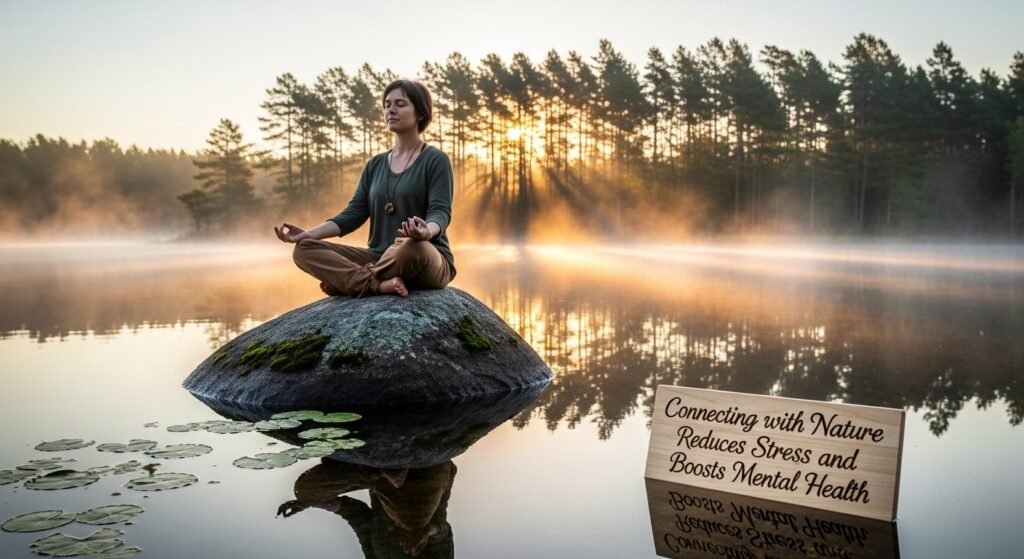
Connecting with nature has been scientifically shown to significantly reduce stress levels and boost overall mental health.
Studies indicate that spending as little as 20 to 30 minutes in natural environments lowers cortisol, the body’s primary stress hormone, creating a calming effect on the nervous system.
Engaging with green spaces through activities like walking in parks, gardening, or simply sitting near trees helps improve mood, attention span, and cognitive function.
The attention restoration theory explains that nature provides a break from mentally demanding urban environments, replenishing your capacity to focus and reducing mental fatigue.
Moreover, individuals with a strong connection to nature experience greater improvements in psychological wellbeing and decreased anxiety levels.
Nature also encourages physical activity, which releases endorphins and dopamine contributing to happiness and resilience.
Sensory experiences such as the sights, sounds, and scents of a natural setting act as natural antidepressants.
In our fast-paced modern lives, incorporating regular time in nature supports emotional balance and inner peace, helping to counteract the negative effects of stress and anxiety.
Cultivating a deeper bond with nature not only nurtures your mental health but also instills a sense of belonging and gratitude towards the environment, promoting holistic wellness.
- Nature exposure reduces cortisol and stress hormone levels.
- Green spaces boost mood and enhance cognitive function.
- Physical activity in nature releases mood-enhancing chemicals.
- Sensory engagement in nature promotes emotional calm.
- Even brief time outdoors revitalizes mental energy.
Regular nature connection is a simple yet powerful practice to support mental clarity and emotional harmony.

3. Way 2: Enhancing Physical Health Through Cleaner Environments
Enhancing your physical health through cleaner environments is a fundamental benefit of environmental protection for wellness.
Living in clean surroundings reduces exposure to pollutants, allergens, and harmful microorganisms that contribute to respiratory diseases, allergies, and infections.
Cleaner air and water help prevent conditions such as asthma, cardiovascular problems, and chronic illnesses.
Research shows that maintaining cleanliness in living and working environments lowers stress and boosts mental clarity, which directly influences physical wellbeing.
Furthermore, a tidy and pollutant-free space encourages healthier lifestyle choices, including increased physical activity and better sleep.
This improved environment also supports immune function, helping your body fight off illnesses more effectively.
Environmental protection acts such as reducing waste, limiting chemical use, and advocating for clean air policies strengthen these health benefits.
Additionally, clean green spaces motivate outdoor exercise, which produces endorphins and supports cardiovascular fitness.
Embracing cleaner environments ultimately leads to a more energized, vibrant, and balanced physical state, reinforcing the natural link between external surroundings and inner health.
- Reduces risk of respiratory illnesses and allergies.
- Prevents infections via cleaner surfaces and water.
- Enhances immune system functioning.
- Promotes restful sleep and lowers physical stress.
- Encourages physical activity and reduces sedentary behavior.
Protecting and preserving our environments directly contributes to healthier bodies and longer, more active lives.

4. Way 3: Cultivating Social Bonds and Sense of Community
Cultivating social bonds and a sense of community is a vital aspect of environmental protection for wellness that strengthens inner balance and peace.
Engaging in community-based environmental initiatives, such as neighborhood clean-ups, tree planting, or community gardens, fosters meaningful social connections and collaboration.
These shared activities build trust, reduce social isolation, and create a profound sense of belonging.
Sustainable communities often integrate walkable spaces, parks, and accessible amenities that encourage interaction and promote mental wellbeing.
Social support networks derived through collective environmental care empower individuals, leading to increased civic engagement and collective efficacy.
This sense of ownership and responsibility not only benefits environmental conservation efforts but also enhances emotional resilience and life satisfaction.
Participating in such community projects offers a purpose-driven outlet, cultivating gratitude, empathy, and joy through cooperative achievement.
Bahlon highlights that these social bonds provide emotional nourishment essential to maintaining wellness and combating feelings of loneliness or stress.
Moreover, being part of a community that shares values around sustainability creates enduring motivation for personal and collective wellbeing.
- Builds meaningful social connections and trust.
- Reduces feelings of loneliness and isolation.
- Enhances collective purpose and community pride.
- Increases emotional resilience through social support.
- Fosters empathy, gratitude, and shared responsibility.
A strong community rooted in environmental stewardship is a cornerstone of holistic wellness, providing support for both mental health and spiritual growth.

5. Way 4: Promoting Mindfulness and Spiritual Rejuvenation
Promoting mindfulness and spiritual rejuvenation through connection with the natural environment is a deeply healing practice supported by both ancient wisdom and modern science.
Nature provides a sanctuary for mindfulness by inviting you to fully engage your senses and be present in the moment, away from the distractions of daily life.
This mindful presence reduces stress, calms the nervous system, and deepens spiritual awareness.
According to studies, even brief immersion in green or blue spaces lowers cortisol levels and enhances mood, while promoting cognitive clarity.
Spiritual rejuvenation occurs as nature reconnects you to your inner self and the broader universe, reminding you of your place within the larger web of life.
Activities like forest bathing, mindful walking, gardening, or simply observing natural patterns stimulate tranquility and awe, which foster emotional healing and spiritual growth.
Bahlon teaches that these experiences ground your energy, dissolve mental clutter, and awaken your intuitive senses.
Practicing mindfulness in nature develops a holistic sense of balance, helping you release tension and attune to higher frequencies of peace and renewal.
- Nature immersion activates the parasympathetic nervous system, reducing stress.
- Mindful observation enhances emotional regulation and relaxation.
- Spiritual connection through nature promotes appreciation and gratitude.
- Sensory engagement revitalizes mental and emotional clarity.
- Regular nature mindfulness supports ongoing spiritual growth and wellbeing.
Integrate daily or weekly nature-based mindfulness rituals to cultivate lasting peace and spiritual vitality.
6. Way 5: Supporting Resilience Through Ecosystem Services
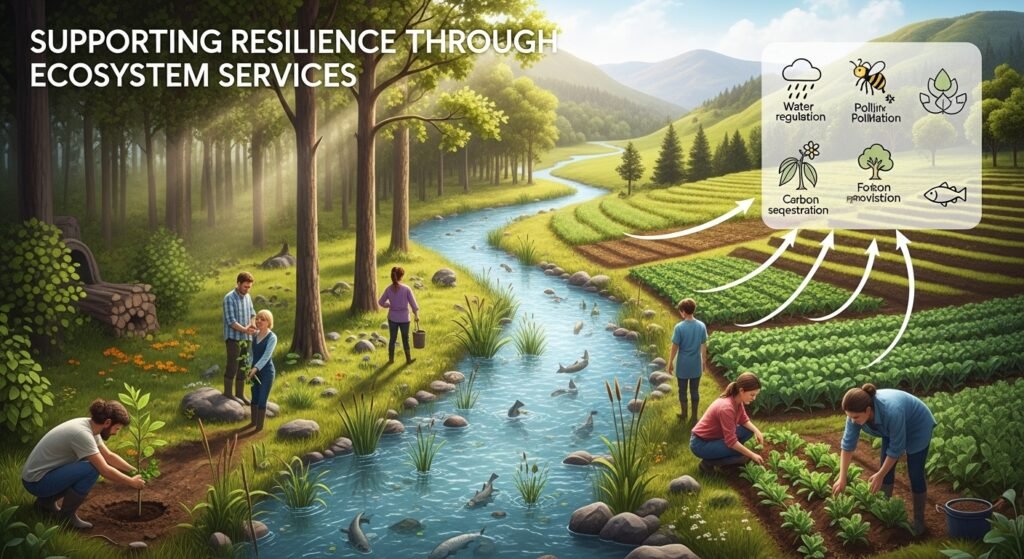
Supporting resilience through ecosystem services is a vital approach to maintaining environmental stability and securing human wellbeing.
Ecosystem services—such as clean water, air purification, flood control, and climate regulation—are essential to our daily lives and long-term health.
Protecting and restoring ecosystems enhances their ability to withstand disturbances like storms, droughts, and natural disasters, which directly strengthens community resilience.
For example, wetlands and mangroves act as natural buffers, reducing the impact of storm surges and flooding, thereby protecting both lives and property.
Furthermore, resilient ecosystems support biodiversity, which in turn sustains genetic resources, agriculture, and food security.
When ecosystems are healthy and stable, they continuously provide vital benefits that buffer communities from environmental shocks and uncertainties.
This interconnectedness between ecosystem health and human resilience underscores the importance of adopting strategies that prioritize ecosystem conservation and sustainable management.
Investing in ecosystem resilience not only safeguards natural habitats but also ensures a robust foundation for social and economic stability, fostering a harmonious balance between nature and human development.
- Ecosystem services like flood mitigation and climate regulation protect communities from disasters.
- Healthy ecosystems buffer against environmental shocks, supporting resilience.
- Biodiversity enhances ecosystem stability and productivity.
- Ecosystem-based adaptation strategies are cost-effective compared to infrastructure.
- Supporting ecosystems fosters long-term sustainability and wellbeing.
By integrating ecosystem service management into development policies, we can build resilient and adaptive societies capable of thriving amid environmental challenges.
7. Summary Table: Environmental Protection Benefits for Wellness
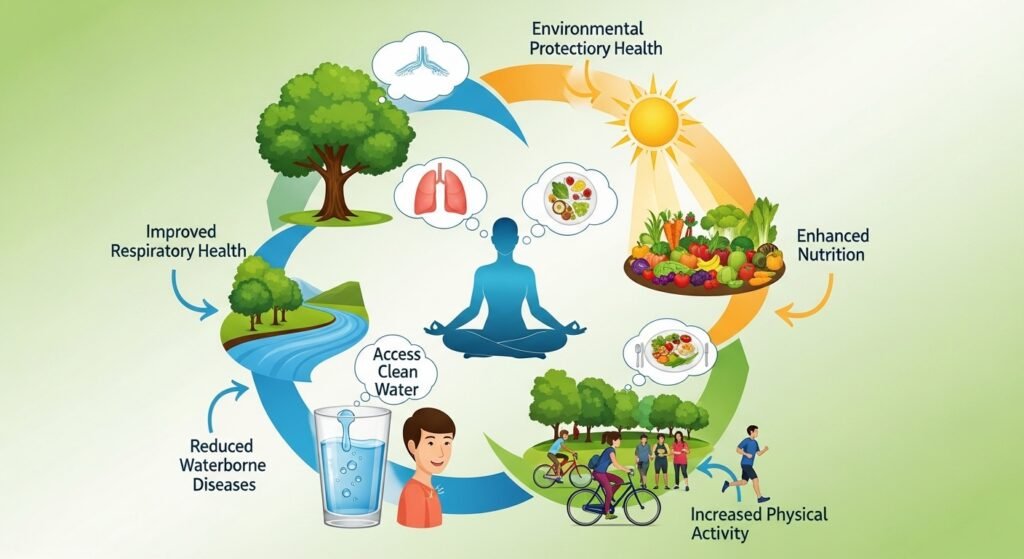
| Benefit Area | How Environmental Protection Supports Wellness | Examples |
|---|---|---|
| Mental Health | Reduces stress, improves mood, encourages mindfulness | Nature walks, green spaces |
| Physical Health | Lowers disease risk, improves air and water quality | Pollution control, clean energy |
| Social Wellbeing | Builds community, reduces isolation | Conservation volunteering, urban greening |
| Spiritual Growth | Fosters connection, gratitude, and presence | Mindful gardening, nature rituals |
| Environmental Resilience | Maintains ecosystem services critical for stability and safety | Biodiversity conservation, habitat restoration |
8. Inspirational Quotes on Nature and Wellbeing
- “Look deep into nature, and then you will understand everything better.” — Albert Einstein
- “Taking care of the earth is the best way to take care of ourselves.” — Unknown
- “Nature does not hurry, yet everything is accomplished.” — Lao Tzu
- “To walk in nature is to witness a thousand miracles.” — Mary Davis
- “When we heal the earth, we heal ourselves.” — David Orr
9. Frequently Asked Questions (FAQs)
1. What is environmental protection for wellness?
It is the practice of preserving natural environments to promote physical, mental, social, and spiritual health.
2. How does nature reduce stress?
Nature exposure lowers cortisol levels and promotes relaxation by engaging senses and improving mood.
3. Can environmental health impact chronic diseases?
Yes, poor air and water quality increase risk of respiratory, cardiovascular, and other chronic health issues.
4. How does community involvement in nature protect wellness?
Social connection from shared environmental activities boosts mental health and reduces loneliness.
5. What role does mindfulness play in nature-based wellness?
Mindfulness enhances awareness, presence, and emotional balance by connecting you deeply with natural surroundings.
6. Are there simple ways to start environmental protection for wellness?
Spending time outdoors, reducing waste, and supporting local conservation initiatives are effective starts.
7. Can urban residents benefit from environmental protection practices?
Absolutely; green urban spaces, community gardens, and parks significantly improve urban wellness.
8. How does biodiversity benefit human health?
Biodiversity supports ecosystem services that clean air, filter water, and stabilize climate—all critical for health.
9. Is nature-based therapy supported by science?
Yes, numerous studies have validated nature’s benefits for mental and physical health across populations.
10. Can nature connection help during stressful times?
Yes, nature calming effects and restorative environments provide resilience during life challenges.
10. Conclusion
Fostering environmental protection for wellness not only sustains our planet but revitalizes your inner balance, health, and peace.
Engaging deeply with nature, supporting clean and resilient ecosystems, and building community connections through environmental care serve as powerful tools for holistic wellbeing.
By integrating these five transformative strategies into your life, you create a sustainable cycle of healing—for yourself and the Earth.
Make nature and environmental stewardship a cornerstone of your wellness journey and experience profound physical, mental, social, and spiritual renewal.