
Holistic wellness integrates mind, body, and spirit, addressing the whole person rather than isolated symptoms. Healing modalities and tools offer diverse pathways to promote balance, prevent illness, and nurture deep self-care. From ancient practices like Reiki and acupuncture to modern mindfulness and sound healing, these approaches support physical health, emotional resilience, and spiritual connection. This comprehensive blog explores key healing modalities, effective tools, and their role in cultivating sustainable, vibrant wellness. Readers will gain insights and practical tips for incorporating holistic self-care into everyday life for lasting transformation.
Table of Contents
- Understanding Holistic Wellness and Self-Care
- Common Healing Modalities and Their Benefits
- Energy Healing Tools: Crystals, Reiki, and Beyond
- Mind-Body Techniques: Meditation, Breathwork, and Yoga
- Sound Healing and Vibrational Therapies
- Herbal and Natural Remedies in Holistic Care
- Integrating Healing Modalities into Daily Routine
- Creating a Personalized Self-Care Toolkit
- Overcoming Challenges in Holistic Healing
- Frequently Asked Questions (FAQs)
- Conclusion: Embracing Holistic Wellness Through Healing Practices
Understanding Holistic Wellness and Self-Care
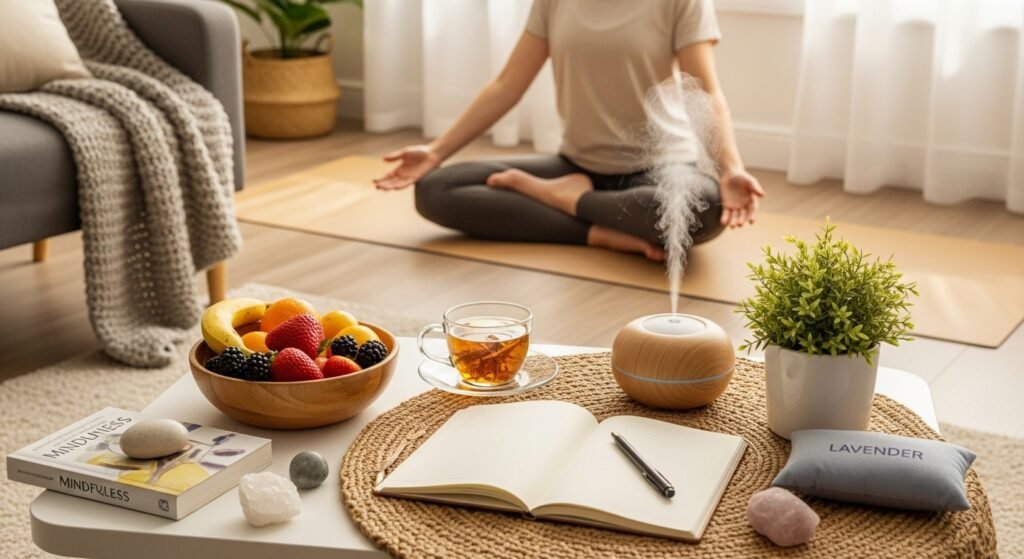
Holistic wellness emphasizes a balanced integration of physical, emotional, mental, and spiritual health.
It recognizes that each aspect influences the whole, promoting interconnected care that empowers healing on multiple levels.
Self-care with a holistic approach moves beyond surface symptom management to cultivate ongoing wellness by nurturing lifestyle, mindset, and awareness.
Embracing holistic wellness encourages active participation in one’s health journey with compassion and intention.
Rather than reactive treatment, it supports prevention, resilience, and vitality through mindful living and healing.
Key points:
- Holistic wellness integrates body, mind, emotions, and spirit.
- Emphasizes prevention and overall balance.
- Encourages personal empowerment and active health participation.
- Moves beyond symptom treatment to root cause healing.
- Supports sustainable self-care for long-term vitality.
Common Healing Modalities and Their Benefits
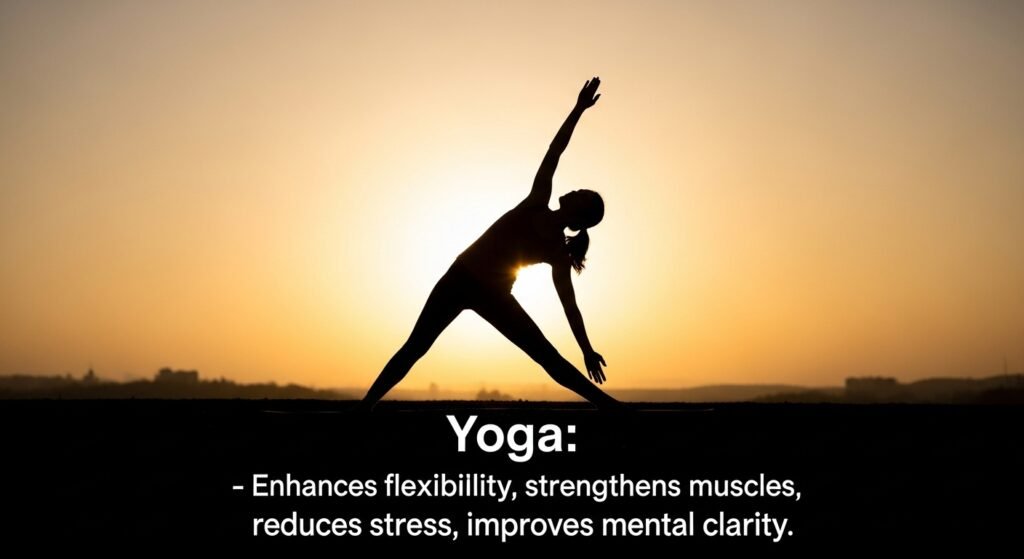
Healing modalities encompass a wide range of practices from traditional and modern perspectives.
Examples include acupuncture which stimulates energy flow; Reiki that channels universal healing energy; massage therapy for physical and emotional relief; and aromatherapy that influences mood through scent.
Psychotherapy, hypnotherapy, and energy psychology address mental-emotional balance.
Each modality offers unique benefits including pain relief, stress reduction, enhanced immune function, emotional release, and spiritual awakening.
Choosing modalities tailored to individual needs fosters comprehensive healing and wellness.
Key points:
- Modalities target physical, emotional, and spiritual health.
- Include acupuncture, Reiki, massage, aromatherapy, and more.
- Offer benefits like pain relief, stress reduction, immunity boost.
- Mental health therapies complement energy and bodywork.
- Personalization maximizes modality effectiveness.
Energy Healing Tools: Crystals, Reiki, and Beyond
Energy healing works with subtle energy fields that surround and permeate the body.
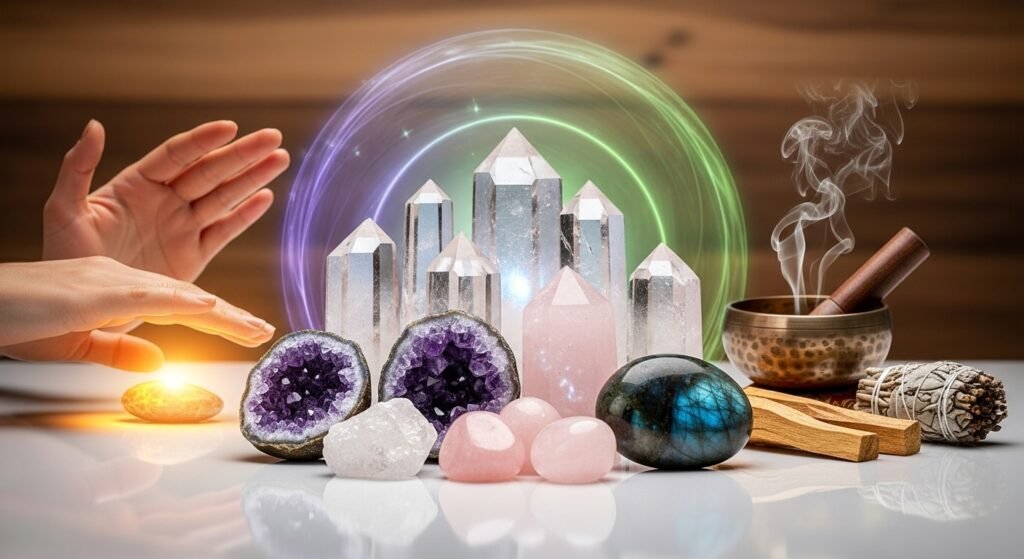
Tools like crystals embody specific vibrational frequencies used to balance chakras and release blockages.
Reiki practitioners guide universal life force energy to promote harmony and self-healing.
Other tools include tuning forks, singing bowls, and pendulums for clearing and energizing energy pathways.
These modalities often complement each other and can be self-administered or professionally facilitated.
Energy healing cultivates deep relaxation, restored vitality, and energetic clarity.
Key points:
- Crystals provide focused vibrational healing.
- Reiki channels universal life force energy for balance.
- Sound tools clear and harmonize energy fields.
- Often used in combination for amplified effect.
- Builds inner calm, vitality, and energetic flow.
Mind-Body Techniques: Meditation, Breathwork, and Yoga
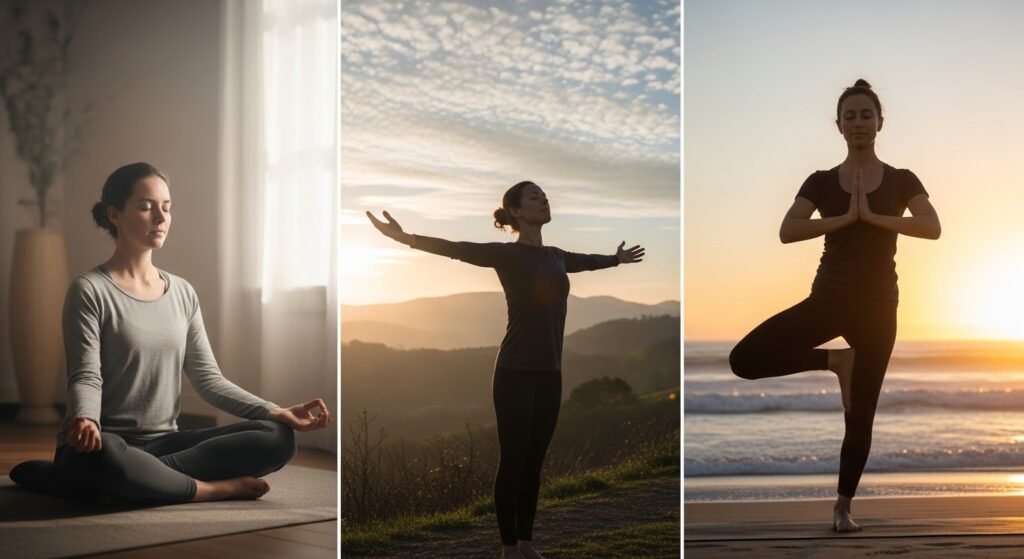
Mind-body approaches foster connection between conscious awareness and physical vitality.
Meditation cultivates mental clarity, emotional balance, and spiritual insight through focused attention.
Breathwork techniques regulate the nervous system, reduce anxiety, and enhance energy circulation.
Yoga integrates breath, movement, and mindfulness to promote strength, flexibility, and mental calm.
Together, these practices improve resilience, self-awareness, and the ability to manage stress effectively.
Regular engagement with mind-body techniques supports seamless integration of wellness across all dimensions.
Key points:
- Meditation enhances focus and emotional regulation.
- Breathwork calms nervous system and energizes body.
- Yoga combines breath, movement, and mindfulness.
- Builds physical flexibility, mental clarity, and inner balance.
- Facilitates sustainable self-care habits.
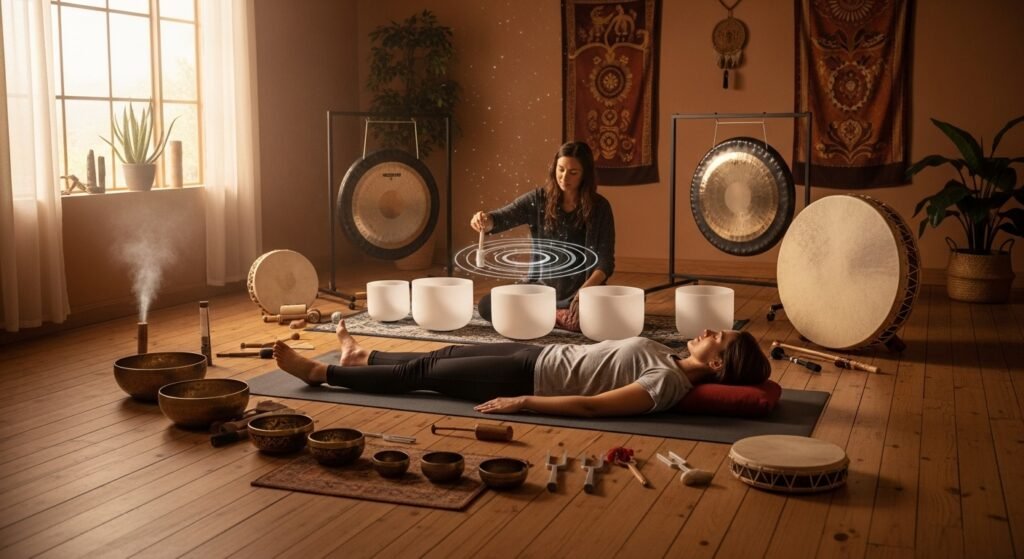
Sound Healing and Vibrational Therapies
Sound healing employs tonal frequencies to influence brain waves, relax the body, and shift energetic patterns.
Instruments like singing bowls, gongs, drums, and tuning forks create vibrations that entrain the nervous system toward coherence and healing.
Listening to or creating sound immerses participants in calming resonance that promotes mental clarity, emotional release, and physical rejuvenation.
Vibrational therapies support meditation and energy work, making them powerful adjuncts in holistic care.
Sound helps break stagnation and restores harmonic balance within the body and environment.
Key points:
- Uses instruments to produce therapeutic vibrations.
- Influences brain waves and nervous system.
- Promotes relaxation, clarity, and emotional release.
- Complements meditation and energy healing.
- Restores energetic and physical harmony.
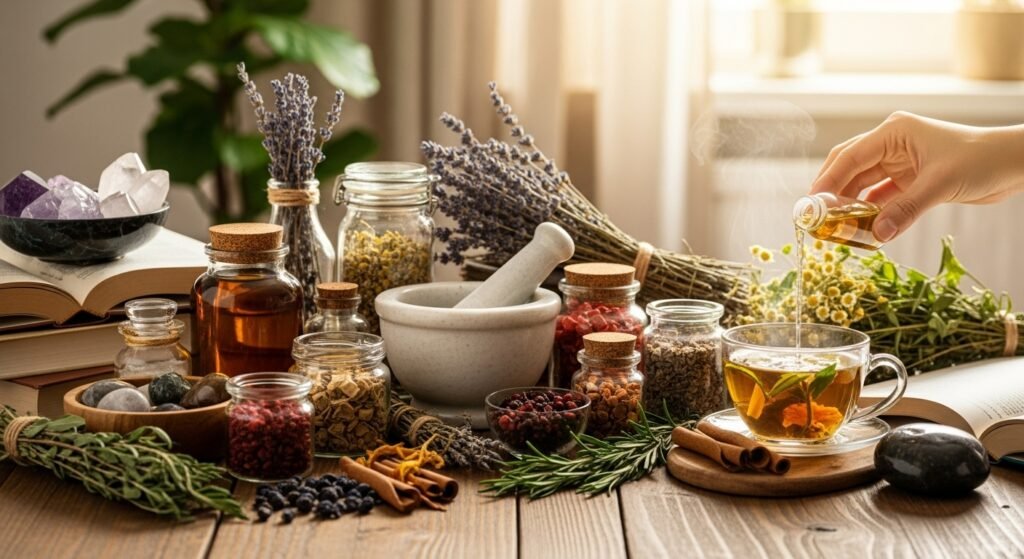
Herbal and Natural Remedies in Holistic Care
Herbal medicine uses plant-based substances known for therapeutic properties to support physical and emotional health.
Common remedies include adaptogens for stress resilience, anti-inflammatories, and calming herbs like chamomile or lavender.
Natural remedies also encompass essential oils, tinctures, and teas integrated into daily wellness routines.
These substances work synergistically with body systems, facilitating detoxification, immune support, and mood regulation.
Safety and quality are paramount in herbal use, with personalized guidance optimizing benefits.
Key points:
- Herbs provide natural support for body and mind.
- Adaptogens combat stress and fatigue.
- Essential oils offer aromatic therapeutic effects.
- Used in teas, tinctures, topical applications.
- Personalization and quality ensure effectiveness.
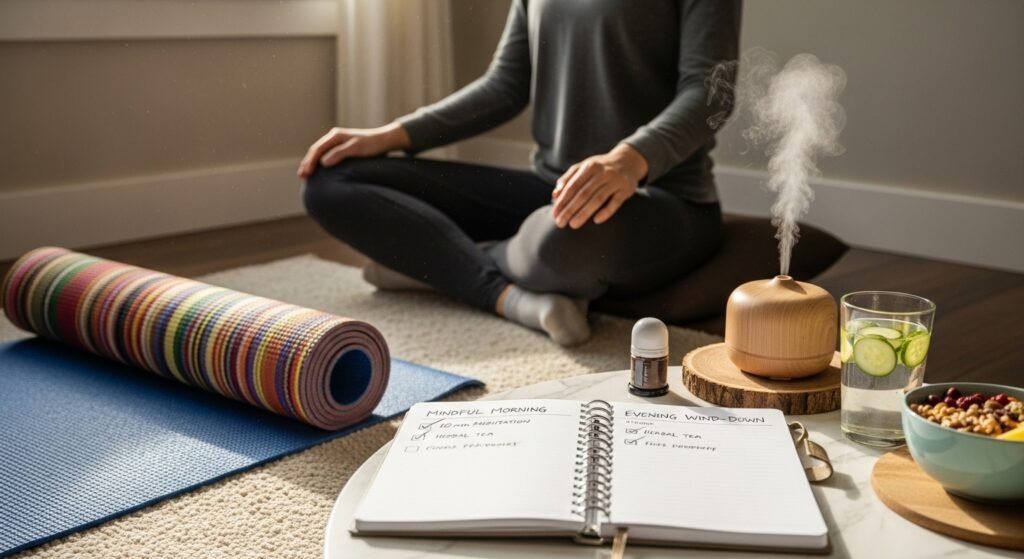
Integrating Healing Modalities into Daily Routine
Making healing practices part of everyday life cultivates ongoing wellness.
Start with small, consistent habits like daily meditation, mindful breathing, or evening aromatherapy.
Combine tools such as crystal carrying, sound baths, or herbal teas to suit personal needs and lifestyle.
Schedule regular sessions with practitioners for modalities requiring guidance.
Tracking progress through journaling or reflective practice enhances awareness of shifts and benefits.
Integration supports balanced living where self-care becomes a natural, empowering rhythm rather than an occasional luxury.
Key points:
- Establish small, regular practices for consistency.
- Mix modalities and tools flexibly.
- Seek professional support when needed.
- Use journaling to monitor growth.
- Transform self-care into sustainable habit.
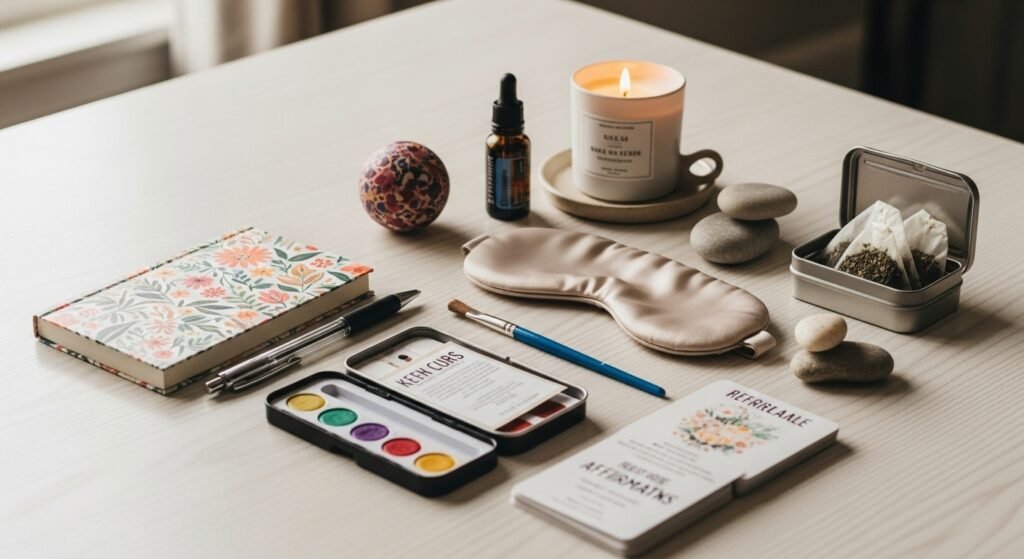
Creating a Personalized Self-Care Toolkit
Building a self-care toolkit tailored to one’s unique needs empowers proactive wellness.
Include tools that address physical relaxation, emotional balance, mental clarity, and spiritual connection.
Examples are essential oils, meditation apps, crystals, herbal supplements, and yoga props.
Select practices and tools that resonate emotionally and energetically, ensuring enjoyable usage.
Regularly reassess and evolve the toolkit as wellness needs change over time.
A personalized toolkit supports autonomy and deepens investment in health and happiness.
Key points:
- Choose varied tools for comprehensive care.
- Prioritize resonance and ease of use.
- Customize for evolving wellness needs.
- Includes physical, mental, emotional, and spiritual elements.
- Supports autonomy and joyful self-care.
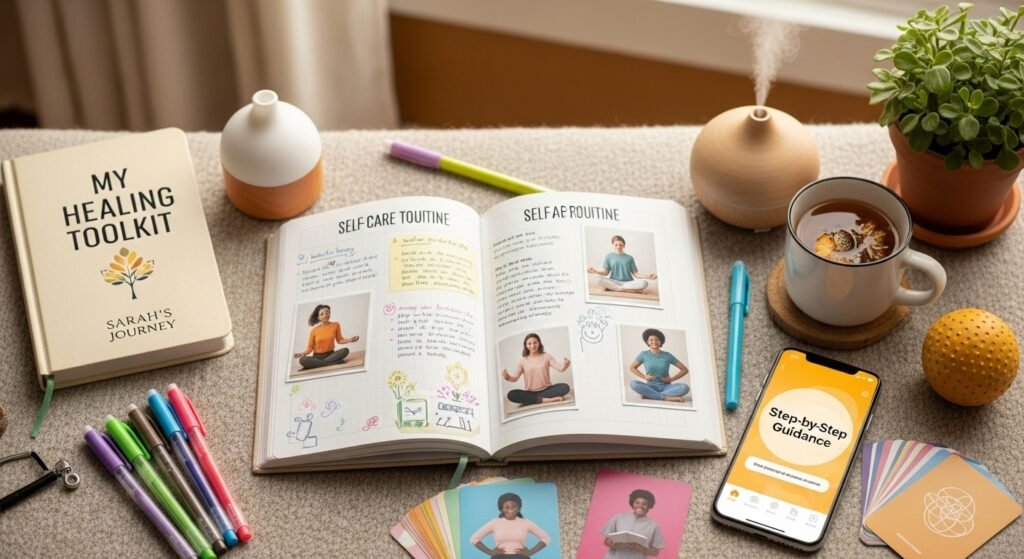
Step-by-Step Guidance to Create a Personalized Healing Toolkit and Self-Care Routine
- Assess Your Needs: Reflect on your physical, emotional, mental, and spiritual areas that need support or balance.
- Research Modalities: Explore healing practices and tools that resonate with your goals and preferences, such as meditation, crystals, or herbal remedies.
- Select Tools and Practices: Choose a manageable number of modalities and tools that feel intuitive and accessible for your lifestyle.
- Create a Sacred Space: Designate a calm, inspiring area for your healing and self-care activities to enhance focus and intention.
- Develop a Routine: Schedule regular times for your practices, starting small to build consistency without overwhelm.
- Set Clear Intentions: Before each session, state your purpose or affirmation to align your energy and focus.
- Track Progress: Keep a journal to note changes, insights, and what works best, refining your toolkit over time.
- Stay Flexible: Adjust your toolkit and routine as your needs evolve, staying open to new modalities or shifting priorities.
- Seek Support: Engage with communities or professionals for guidance, encouragement, and deeper exploration.
- Commit to Self-Care: Prioritize your healing journey with kindness and patience, understanding growth is gradual and unique.
This structured yet flexible approach ensures your personalized healing toolkit and routine effectively support holistic well-being.

Overcoming Challenges in Healing Modalities
Holistic healing experiences may face barriers such as skepticism, inconsistency, or overwhelm learning new practices.
Resistance can arise from fear of change, cultural conditioning, or lack of support.
Education and gradual implementation foster trust and reduce overwhelm.
Community connections and guidance from experienced practitioners encourage persistence and confidence.
Recognizing healing as a non-linear journey with ebbs and flows cultivates compassion and patience necessary for sustained progress.
Key points:
- Skepticism and overwhelm are common.
- Gradual learning builds confidence.
- Supportive community and mentorship help sustain practice.
- Healing is an evolving, non-linear process.
- Compassion and patience facilitate growth.
Frequently Asked Questions (FAQs)
- What is holistic wellness?
An approach integrating physical, mental, emotional, and spiritual health for whole-person care. - How do healing modalities support self-care?
They offer tools and practices to restore balance, reduce stress, and empower healing. - What are common energy healing tools?
Crystals, Reiki, tuning forks, singing bowls, and pendulums. - Can meditation improve physical health?
Yes, it reduces stress, lowers blood pressure, and enhances immune function. - How often should I practice healing techniques?
Daily to weekly, personalized based on needs and modality. - Are herbal remedies safe?
Generally yes if used responsibly; consult professionals for guidance. - What role does sound healing play in wellness?
It entrains brain waves, promotes relaxation, and shifts energetic blockages. - How to build a holistic self-care routine?
Combine modalities addressing body, mind, emotions, and spirit consistently. - Can holistic healing replace medical treatment?
It complements but does not replace conventional medicine; consult healthcare providers. - Where to start with holistic healing?
Start small with meditation, breathwork, or simple herbal support and expand gradually.

Table: Overview of Healing Modalities and Benefits
| Healing Modality | Main Focus | Key Benefits | Common Tools/Practices |
|---|---|---|---|
| Reiki & Energy Healing | Balancing life force energy | Relaxation, stress reduction, emotional healing | Hands-on healing, crystals, sound tools |
| Acupuncture | Stimulating energy flow (Qi) | Pain relief, inflammation reduction, balance | Thin needles at meridian points |
| Meditation | Mindfulness and mental clarity | Stress reduction, improved focus, emotional stabilization | Guided or silent meditation |
| Breathwork | Regulating nervous system | Calming, increased energy, emotional release | Pranayama, deep breathing exercises |
| Yoga | Mind-body integration | Flexibility, strength, emotional balance | Postures (asanas), breath control |
| Sound Healing | Vibrational therapy | Relaxation, emotional release, brain wave entrainment | Singing bowls, tuning forks, gongs |
| Herbal Medicine | Natural healing using plants | Immune support, detoxification, mood regulation | Teas, tinctures, essential oils |
| Massage Therapy | Physical manipulation of muscles | Pain relief, improved circulation, relaxation | Various massage techniques, oils |
| Aromatherapy | Mood and emotional regulation | Anxiety reduction, stress relief | Essential oils, diffusers |
| Mindfulness-Based Therapy | Mental and emotional health | Reduced anxiety, depression, enhanced wellbeing | Cognitive and behavioral techniques |
Conclusion
Healing modalities and tools support holistic wellness by addressing the interconnectedness of body, mind, and spirit. Incorporating these practices within self-care routines nurtures ongoing balance, resilience, and transformation. Whether through energy healing, meditation, sound therapy, or herbal support, the diverse approaches empower individuals to take charge of their health in a compassionate, mindful way. Consistency, personalization, and openness enrich the healing journey, fostering vibrant well-being and deep self-care. Embracing holistic healing modalities transforms life into a conscious, joyous practice of nurturing wholeness.