
Setting intentions and goals are both powerful tools for shaping a fulfilling future, yet they work in distinct ways. Intentions are about the energy and mindset behind your actions—the why and how—while goals define specific outcomes—the what and when. Understanding the difference and interplay between intentions and goals helps individuals harness both to create balanced, inspired, and effective forward momentum. This guide explores how intentions shape the quality of your journey, how goals direct your focus, and ways to combine them for holistic personal growth and transformation.
Table of Contents
- What Are Intentions and Goals?
- Key Differences Between Intentions and Goals
- How Intentions Shape Your Future
- How Goals Guide Your Path
- Combining Intentions and Goals for Success
- Steps to Set Effective Intentions and Goals
- Common Mistakes to Avoid
- Benefits of Intentional and Goal-Oriented Living
- Frequently Asked Questions (FAQs)
- Conclusion: Aligning Intentions and Goals for a Transformative Future
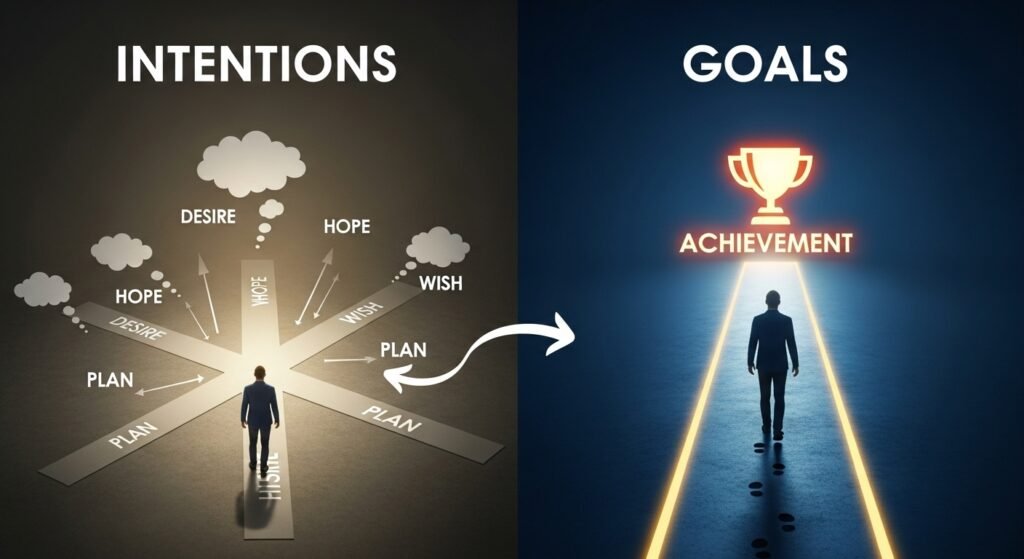
What Are Intentions and Goals?
Intentions are the underlying aims or guiding values that influence your mindset and energy as you move forward.
They reflect how you want to be, feel, or show up in life. Goals are concrete, measurable targets with clear deadlines that provide direction and motivation.
Whereas goals focus on outcomes, intentions focus on personal growth, authenticity, and the quality of your experience along the way.
Both are essential components for creating purposeful change.
Key points:
- Intentions define your mindset and values.
- Goals set specific, measurable achievements.
- Intentions shape your approach and energy.
- Goals provide focus and structure.
- Both work synergistically to manifest change.
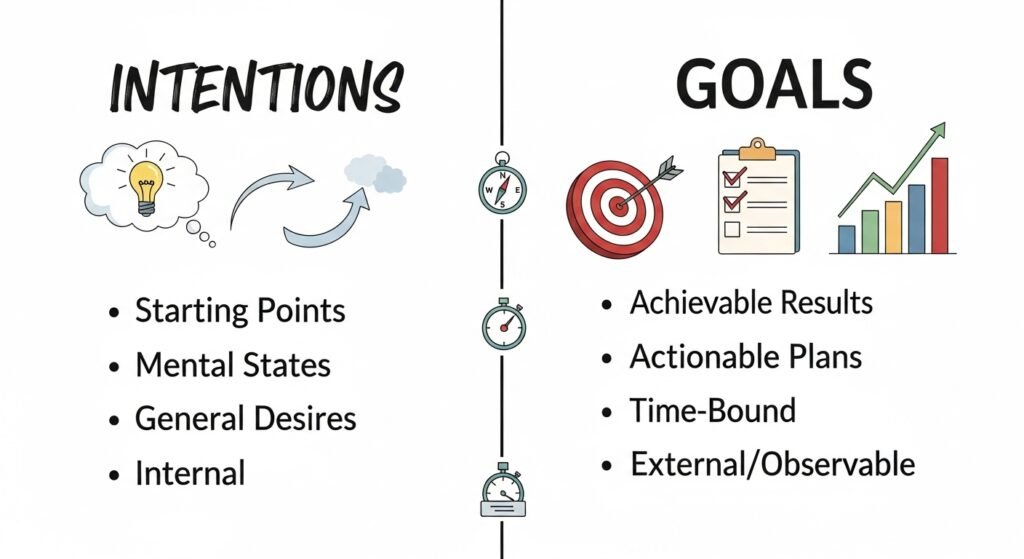
Key Differences Between Intentions and Goals
Intentions are broad, fluid, and value-driven, often without strict deadlines or metrics, emphasizing presence and alignment.
Goals are precise, concrete, and time-bound, focusing on accomplishment and progress.
Intentions influence how goals are pursued, fostering mindful awareness and adaptability.
Goals help break big intentions into actionable steps.
While goals can sometimes lead to a results-driven mindset, intentions keep your focus on meaning and process.
Recognizing these differences allows you to maintain balance between outcome and presence.
Key points:
- Intentions are flexible and value-oriented.
- Goals are specific and time-sensitive.
- Intentions guide mindset; goals direct action.
- Intentions nurture presence; goals foster progress.
- Balancing both prevents burnout and imbalance.

How Intentions Shape Your Future
Intentions set the energetic tone, influencing your daily choices, habits, and emotional experience.
They anchor you in authenticity and resilience, affecting how challenges are perceived and navigated.
When intentions are clear, motivation is fueled by intrinsic values rather than external pressure.
This alignment cultivates joy, confidence, and creativity, shaping a future that reflects your true self and aspirations.
Intentional living promotes sustainable growth by emphasizing ongoing learning and self-compassion.
Key points:
- Shape mindset and emotional landscape.
- Align actions with core values and authenticity.
- Build resilience and intrinsic motivation.
- Encourage joy, creativity, and flexibility.
- Promote sustainable, lifelong growth.

How Goals Guide Your Path
Goals provide clarity, focus, and direction, turning vision into concrete steps.
They allow progress to be tracked, celebrate milestones, and adjust plans as needed.
Clear goals motivate action, channel energy, and help overcome procrastination and distractions.
Setting achievable goals breaks complex intentions into manageable portions, increasing confidence and results.
While goals emphasize accomplishment, they are most effective when rooted in meaningful intentions.
Key points:
- Define specific targets and deadlines.
- Enable tracking and accountability.
- Boost motivation and productivity.
- Break down complex visions into steps.
- Maximize results with intentional foundation.

Combining Intentions and Goals for Success
Integrating intentions and goals allows you to harness the power of both mindset and action.
Begin by setting broad intentions that reflect your values and desired qualities.
Then, translate these intentions into specific, measurable goals aligned with your vision.
Revisit and adjust both regularly to stay balanced and inspired.
This synergy cultivates holistic growth, keeping your future grounded in authenticity while driven by purposeful achievement.
Key points:
- Start with clear, value-based intentions.
- Create goals that align with intentions.
- Adjust plans with mindful reflection.
- Balance presence with progress.
- Foster whole-person growth and fulfillment.
Steps to Set Effective Intentions and Goals
Setting effective intentions and goals begins with deep reflection on what truly matters to you, aligning your desires with your core values.
Clearly articulate your intentions by being specific about the qualities, feelings, or changes you want to invite into your life.
Write them down to anchor your commitment and use visualization to mentally experience achieving them.
Break down goals into manageable, measurable steps with realistic timelines to maintain focus and motivation.
Regularly review and adjust your intentions and goals with self-compassion and flexibility, allowing your path to evolve while staying true to your authentic vision.
Setting effective intentions and goals begins with reflecting deeply on what truly matters in your life and aligning these with your core values.
Next, clearly articulate your intentions in specific, meaningful terms that inspire and motivate you.
Writing down your intentions and goals helps solidify your commitment and serves as a constant reminder.
Break larger goals into actionable, measurable steps with realistic deadlines to maintain progress and clarity.
Finally, regularly review and adjust your intentions and goals with patience and self-compassion, allowing your vision to evolve while staying authentic.
- Reflect on your core values and what truly matters.
- Formulate broad intentions focusing on how you want to live.
- Identify specific goals that embody these intentions.
- Break goals into actionable steps with deadlines.
- Regularly review and refine intentions and goals.
- Practice self-compassion and flexibility throughout the process.

Common Mistakes to Avoid
Common mistakes to avoid when setting intentions and goals include being too vague, which makes it hard to measure progress or know when a goal is achieved.
Setting too many goals at once can lead to overwhelm and reduce focus, making it difficult to accomplish any of them.
Another common error is neglecting the bigger purpose behind goals, which reduces motivation during challenging times.
Rigidly sticking to goals without flexibility can cause frustration if circumstances change.
Lastly, ignoring regular review and adjustment prevents growth and may lead to stagnation or missed opportunities.
- Setting goals without clear intentions leading to burnout.
- Crafting vague intentions without actionable follow-through.
- Overloading with too many goals causing overwhelm.
- Rigidly focusing on goals, neglecting the present experience.
- Ignoring emotional and personal alignment in pursuit of outcomes.
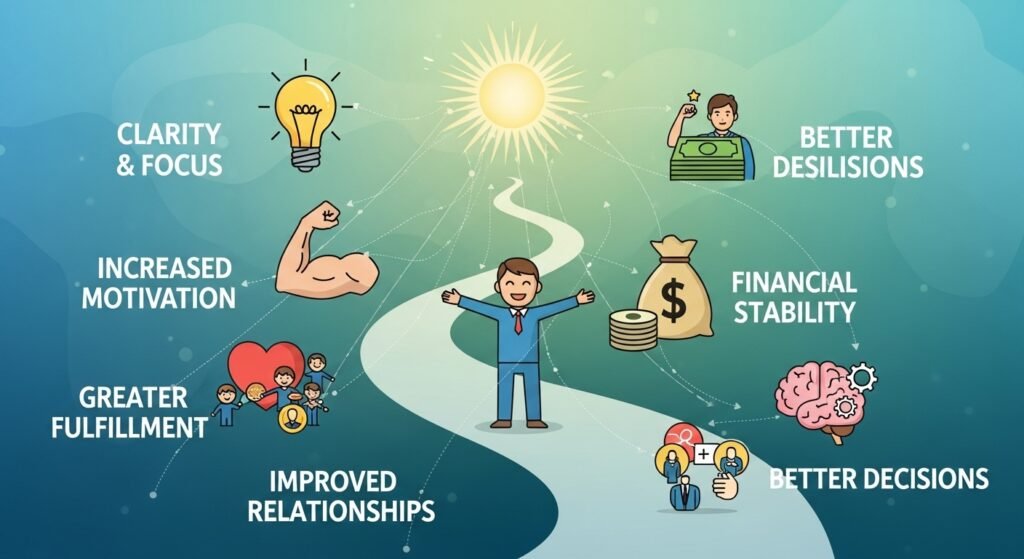
Benefits of Intentional and Goal-Oriented Living
Living intentionally and setting clear goals brings numerous benefits that enhance overall well-being and life satisfaction.
By focusing your energy on what truly matters, intentional living reduces stress and anxiety, creating a sense of calm and purpose.
It increases clarity and focus, helping you prioritize effectively and avoid distractions.
Intentional and goal-oriented living fosters better self-care habits and strengthens relationships through mindful presence.
This approach promotes resilience, motivation, and authenticity, empowering you to lead a balanced, fulfilling, and meaningful life.
- Clarity in decision-making and priorities.
- Increased motivation and sustained focus.
- Harmonious balance between being and doing.
- Greater resilience and adaptability.
- Enhanced fulfillment and authentic success.
Frequently Asked Questions (FAQs)
- What’s the difference between intentions and goals?
Intentions focus on mindset and values, goals focus on specific achievements. - Can I set goals without intentions?
Yes, but goals without intentions may lack meaning and lead to burnout. - How often should I review my intentions and goals?
Regularly, such as monthly or quarterly, to maintain alignment. - What if my goals change over time?
It’s natural; intentions help maintain core values through change. - Can intentions help with motivation?
Yes, intentions foster intrinsic motivation grounded in purpose. - How specific should my goals be?
Clear and measurable enough to track progress effectively. - Can intentions be too vague?
Yes, they should be meaningful but also connected with actionable goals. - How do I stay balanced between intentions and goals?
Reflect regularly and adapt plans to honor both being and doing. - What if I fail to achieve a goal?
See it as feedback and adjust with compassion, maintaining your intentions. - How do intentions shape habits?
They influence the energy and emotional tone behind consistent actions.
Conclusion
Both intentions and goals uniquely shape your future through mindset and action. Intentions cultivate the quality and authenticity of your journey, while goals provide clarity and measurable progress. Combining these creates a balanced, inspired pathway to personal transformation. Setting clear intentions grounded in your values, then aligning purposeful goals with them, supports sustainable success and fulfillment. By harmonizing intention and goal-setting, you empower a future that reflects your true self and aspirations with grace and momentum.