
Feeling disconnected or overwhelmed? The Spiritual Grounding Practices: Connect With Your Energy & the Earth offer essential tools for readers to anchor themselves deeply. Grounding reconnects you to the present moment, harmonizing your energy with Earth’s natural rhythms, and restoring balance to your mind, body, and spirit. Dive into these transformative practices that promote calmness, clarity, and personal growth in today’s fast-paced world.
Table of Contents
- What Is Spiritual Grounding?
- The Science Behind Grounding and Energy Connection
- The Role of Mother Earth Meditation
- Walking Barefoot: The Practice of Earthing
- Deep Breathing Techniques for Grounding
- Visualization Exercises to Connect with Earth’s Energy
- Using the Five Senses for Mindful Grounding
- Nature Immersion and Mindfulness Practice
- Journaling to Release and Ground Energy
- Movement and Yoga for Spiritual Grounding
- Creating Energetic Boundaries
- Daily Grounding Rituals to Maintain Balance
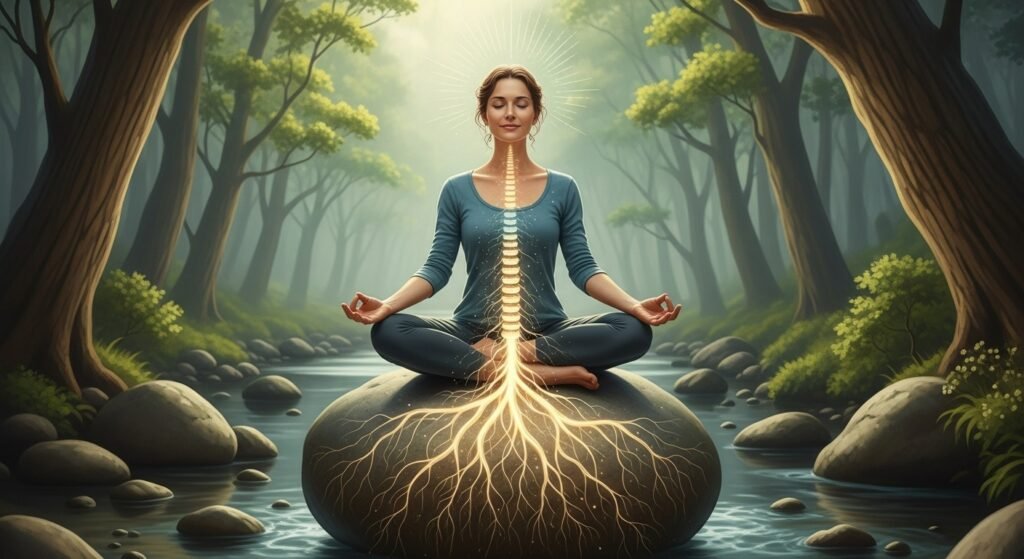
1. What Is Spiritual Grounding?
Spiritual grounding is the practice of connecting your personal energy to the stabilizing, healing energy of the Earth.
It helps bring presence and balance to your physical, emotional, and spiritual self.
When grounded, you feel anchored despite external chaos, allowing for clearer thinking and emotional resilience.
Grounding techniques create a stable foundation for personal growth and enhanced well-being.
Key Points:
- Anchors your energy to Earth’s stabilizing force
- Promotes emotional balance and mental clarity
- Supports spiritual expansion and presence
- Reduces feelings of overwhelm and anxiety
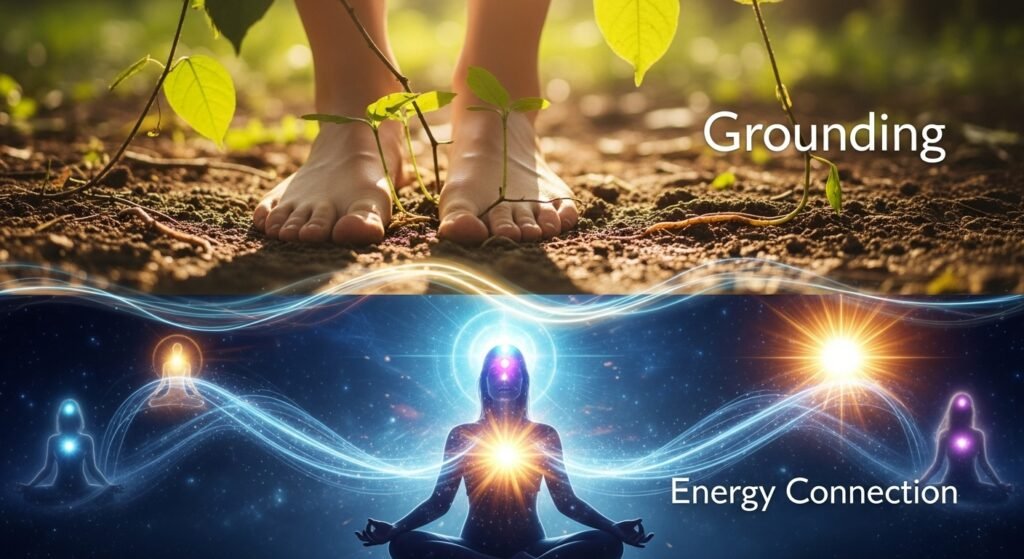
2. The Science Behind Grounding and Energy Connection
Grounding, also known as earthing, is backed by science showing how direct contact with the Earth reduces inflammation, improves sleep, and balances the nervous system.
Research indicates that electrons from the Earth’s surface act as antioxidants, neutralizing harmful free radicals in the body, fostering enhanced energy flow and wellness.
This knowledge blends with ancient spiritual practices, confirming grounding’s holistic benefits.
Key Points:
- Supports immune and cardiovascular health
- Neutralizes oxidative stress in the body
- Improves cortisol rhythm and sleep quality
- Connects ancient wisdom with modern science
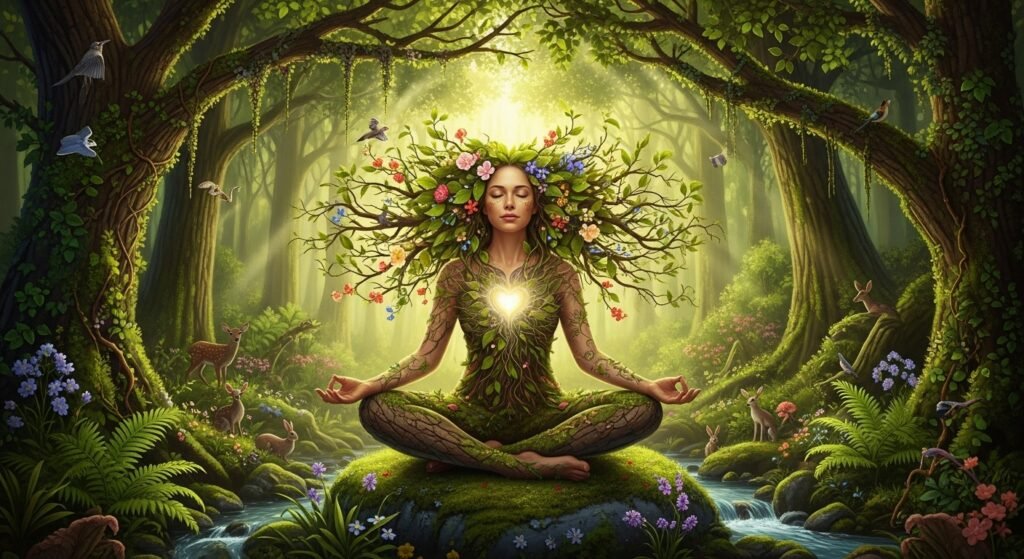
3. The Role of Mother Earth Meditation
Mother Earth meditation is a powerful practice that deepens your energetic connection to the Earth, fostering a sense of safety, stability, and nourishment.
By visualizing roots extending from your body into the Earth, you anchor your energy and draw up calming, healing power.
This meditation also cultivates patience, balance, and forgiveness, qualities embodied by the Earth itself.
Grounded in this connection, the mind becomes clearer, emotions settle, and a profound sense of inner peace emerges.
The practice supports spiritual growth by aligning your subtle energy system with Earth’s enduring strength.
Regular Mother Earth meditation helps maintain balance amid the chaos of daily life and nurtures your overall well-being.
Key Points:
- Visualizes energetic roots connecting to the Earth
- Draws healing, stabilizing energy upward through the body
- Enhances emotional balance and mental clarity
- Supports spiritual expansion and resilience
- Cultivates patience, forgiveness, and grounding presence

4. Walking Barefoot: The Practice of Earthing
It is an ancient practice that reconnects the body to the Earth’s natural energy.
When your feet make direct contact with soil, grass, or sand, you absorb electrons that help neutralize harmful free radicals, reducing inflammation and stress.
This simple technique improves blood circulation, supports heart health, and can enhance sleep quality by stabilizing the body’s internal rhythms.
Walking barefoot also strengthens foot and leg muscles, improving posture and balance.
Across cultures, earthing has been valued as a grounding practice that fosters physical vitality and mental calmness.
For people, incorporating earthing into daily life—such as walking barefoot in a garden or park—offers accessible and powerful health benefits.
It is recommended to start gradually, paying attention to your body’s comfort and environment safety.
Earthing promotes holistic wellness and a deeper connection to nature that revitalizes both body and mind.
Key Points:
- Direct contact with Earth absorbs free electrons.
- Reduces inflammation, stress, and improves sleep.
- Strengthens foot muscles, enhances posture and balance.
- Supports cardiovascular health and blood flow.
- Simple, natural, and accessible practice.
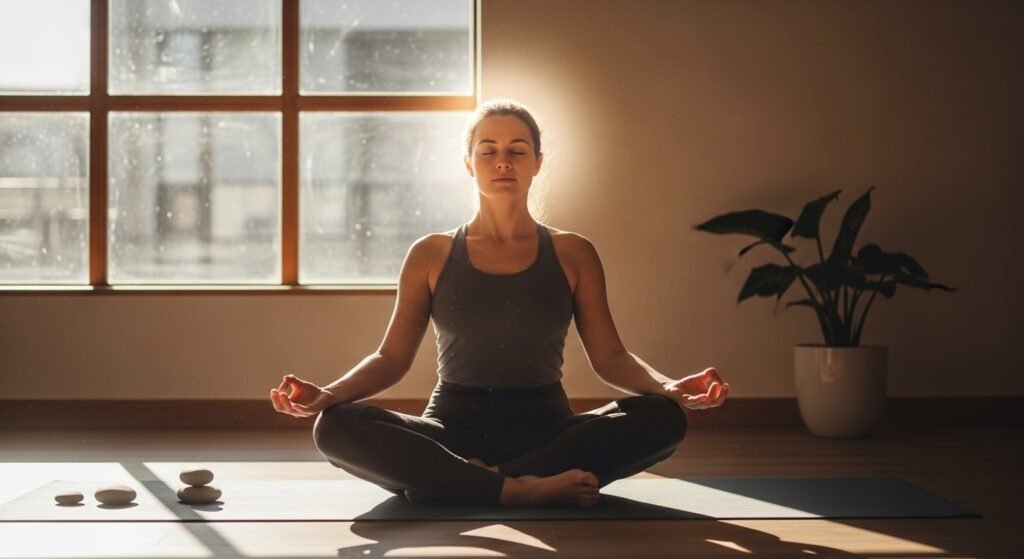
5. Deep Breathing Techniques for Grounding
Deep breathing is a powerful technique for grounding that calms the nervous system and centers your energy within the present moment.
Practices like diaphragmatic breathing and box breathing activate the parasympathetic nervous system, promoting relaxation and reducing stress.
Conscious breathwork increases oxygen flow, energizes cells, and helps release trapped emotional tension stored in the body’s subtle energy fields.
These techniques are accessible anywhere, providing an immediate way to return to balance during moments of overwhelm or anxiety.
For spiritual growth, deep breathing enhances mindfulness, deepens meditation, and aligns your subtle energy centers or chakras.
Incorporating daily breathwork supports lasting emotional resilience, mental clarity, and a profound sense of connection to your inner self and the Earth.
Key Points:
Effective and accessible grounding tool
Activates relaxation response in the nervous system
Increases oxygenation and energy flow
Releases emotional and energetic tension
Enhances mindfulness and spiritual awareness
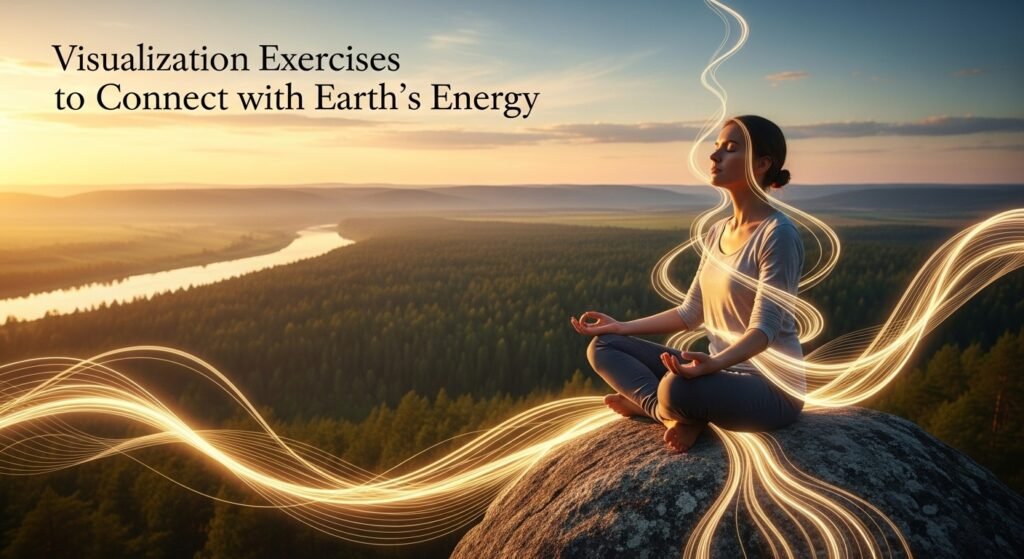
6. Visualization Exercises to Connect with Earth’s Energy
Visualization exercises help deepen your connection with the Earth’s nurturing energy by engaging your imagination and intent.
Picture golden roots growing from your feet and spreading deep into the Earth’s core, drawing up calming, stabilizing energy that fills your entire body.
This imagery creates a powerful energetic bridge between you and the planet, fostering feelings of safety, balance, and renewal.
Visualizing the Earth’s energy flowing upward supports releasing tension, clearing stagnant energy, and grounding scattered thoughts.
Combining this with slow, deep breathing enhances relaxation and amplifies the connection.
These exercises are perfect for moments when physical grounding is unavailable, providing an accessible way to center your energy anywhere.
Rooted in ancient traditions and supported by modern mindfulness practices, visualization is a gentle yet effective tool for spiritual grounding and emotional balance.
Key Points:
- Imagining roots extending into Earth’s core fosters energetic stability.
- Visualization promotes mental calm and emotional release.
- Supports energy alignment and spiritual presence.
- Practical for indoor or outdoor grounding anytime.
- Enhances effectiveness when paired with breath awareness.

7. Using the Five Senses for Mindful Grounding
The five senses grounding technique is a simple yet powerful method to anchor yourself in the present moment by consciously engaging your sight, touch, hearing, smell, and taste.
It helps interrupt overwhelming or anxious thoughts by redirecting your focus to tangible sensory experiences.
For example, the 5-4-3-2-1 method invites you to identify five things you see, four things you can touch, three things you hear, two things you smell, and one thing you taste.
This sensory awareness cultivates mindfulness and deepens your connection to the here and now.
It’s an easy, accessible technique that can be practiced anywhere—whether indoors, at work, or outdoors.
Regular practice strengthens your ability to stay grounded during stressful situations and fosters emotional regulation.
Key Points:
- Engages sight, touch, hearing, smell, and taste to stay present.
- Interrupts racing or anxious thoughts effectively.
- Can be practiced anytime and anywhere.
- Supports emotional calm and mindfulness.
- Enhances connection to the present moment.
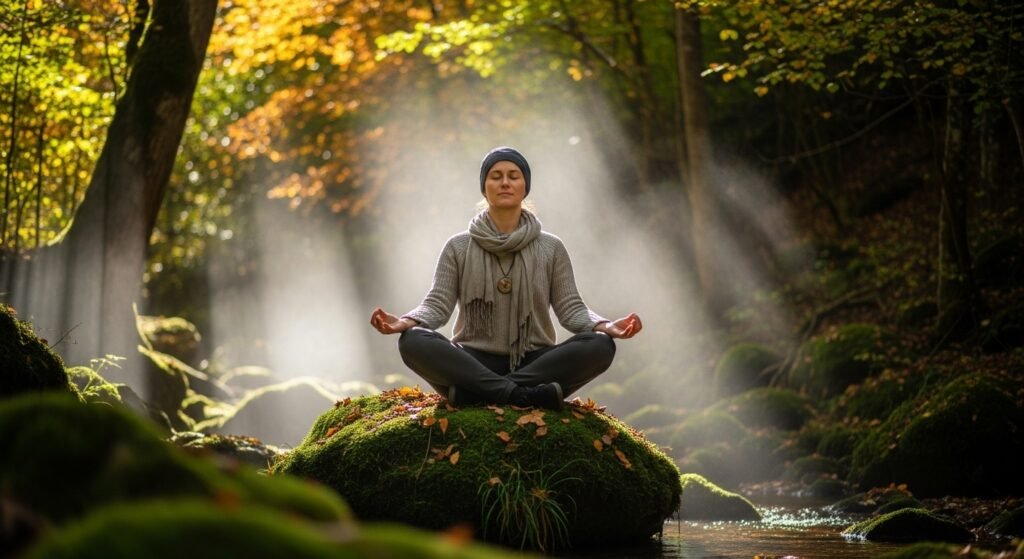
8. Nature Immersion and Mindfulness Practice
Nature immersion combined with mindfulness practice is a powerful way to ground your energy and restore mental clarity.
Being fully present in a natural setting—whether a forest, park, or garden—engages your senses and slows down the mind from its busy, often stressful pace.
This practice has been shown to reduce cortisol, the stress hormone, and lower blood pressure, contributing to an overall sense of calm and well-being.
Mindfulness in nature encourages deep breathing, sensory awareness, and appreciation for the environment, fostering emotional balance and resilience.
Research supports that time spent in green spaces enhances cognitive function, creativity, and emotional regulation.
Whether through guided nature walks or simply observing wildlife, this immersion connects you to the rhythms of the Earth, revitalizing your body, mind, and spirit. It’s a nurturing, accessible method to reduce anxiety and cultivate connectedness with the natural world and yourself.
Key Points:
- Reduces stress hormone levels
- Promotes emotional wellbeing
- Encourages ecological connectedness
- Increases mental clarity and peace

9. Journaling to Release and Ground Energy
Journaling is a powerful way to release excess mental and emotional energy, allowing you to clear your mind and ground your spirit.
Writing down your thoughts and feelings helps externalize internal chaos, making space for clarity and calm.
It acts as a safe outlet to express worries, fears, or excitement, transforming scattered energy into organized reflection.
Using prompts such as “What am I feeling right now?” or “What thoughts no longer serve me?” can guide deeper insight.
Journaling also helps identify patterns and personal growth areas while anchoring your energy in the present moment.
Consistent writing nurtures mindfulness and supports emotional resilience, making it a key tool for grounding.
Whether done daily or as needed, journaling aligns your thoughts and subtle energy, fostering balance and well-being.
Key Points:
- Facilitates emotional processing
- Clears mental blocks and stress
- Strengthens connection to present moment
- Supports long-term energetic balance
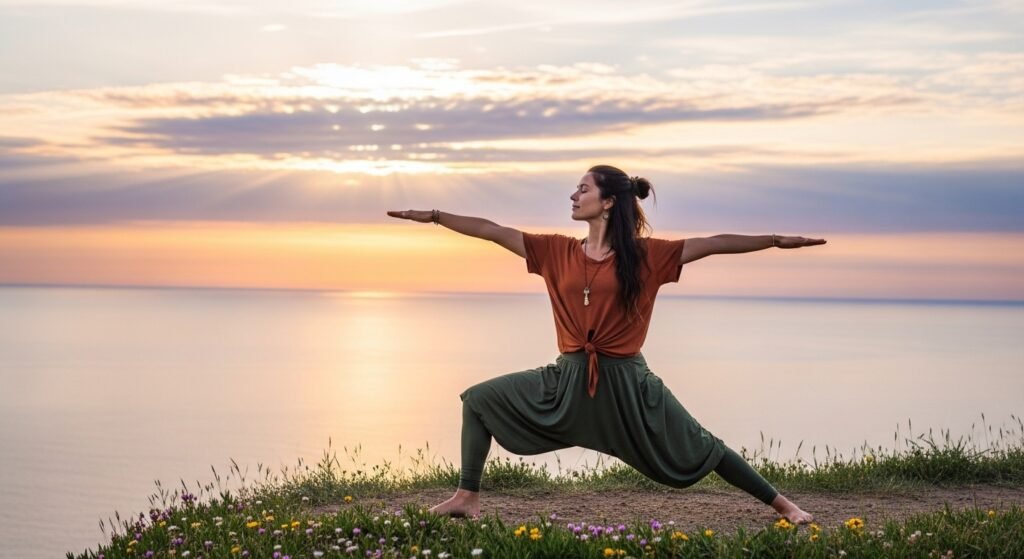
10. Movement and Yoga for Spiritual Grounding
Movement and yoga are profound practices that integrate the body, mind, and spirit to foster spiritual grounding.
Yoga, particularly grounding poses like Mountain (Tadasana) and Tree Pose (Vrksasana), activates the root chakra, which is the energy center linked to feelings of stability, security, and belonging.
Through mindful movement, breath awareness, and body postures, yoga harmonizes the flow of energy, promotes a sense of calm, and deepens present-moment awareness.
These physical practices stimulate blood flow and release tension, allowing emotional and energetic blockages to dissolve.
Regular yoga practice enhances resilience to stress, grounding practitioners both physically and spiritually, while cultivating inner peace in everyday life.
Movement-based grounding also enables you to reconnect with your body’s natural rhythms and the Earth’s energy, promoting holistic well-being.
Key Points:
- Enhances body awareness and grounding
- Releases physical and energetic tension
- Harmonizes breath, movement, and mind
- Suitable for all levels and ages

11. Creating Energetic Boundaries
Creating energetic boundaries is essential for protecting your spiritual energy and maintaining your personal well-being.
These boundaries act as invisible shields that keep out negative, draining, or misaligned energies while allowing positive and supportive energy to flow in.
Visualization techniques like imagining a protective bubble or a cell wall around your aura help reinforce these boundaries.
Setting clear limits on your emotional and energetic availability fosters healthier relationships and preserves your vitality.
Practicing energetic boundaries also involves self-awareness—recognizing when your energy is being depleted and taking steps to safeguard yourself.
For empaths and highly sensitive people, these practices are critical to prevent overwhelm and maintain balance.
Strong energetic boundaries empower you to engage fully with your spiritual path while remaining grounded and protected.
Key Points:
- Protects energy from external influences
- Promotes emotional self-regulation
- Encourages healthy interpersonal dynamics
- Essential for healers and sensitive individuals
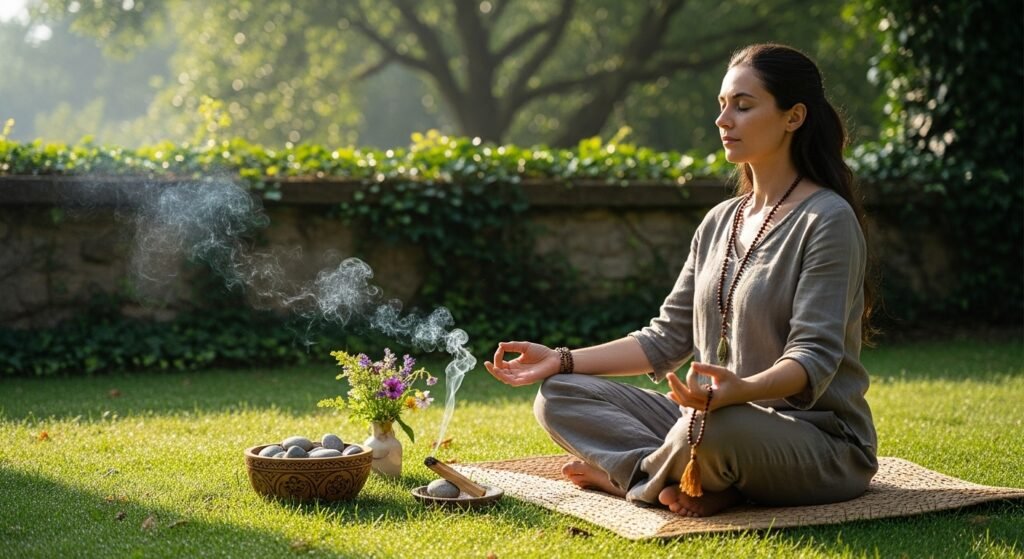
12. Daily Grounding Rituals to Maintain Balance
Daily grounding rituals are essential for sustaining energetic balance and cultivating a calm, centered mind.
Starting your day with simple practices like mindful breathing, gratitude journaling, or a brief meditation sets a positive tone and anchors your energy.
Incorporating movement such as gentle stretching or grounding yoga poses connects you physically and energetically to the Earth.
Spending a few moments outdoors, barefoot if possible, deepens that connection to natural rhythms.
Using protective crystals or lighting incense can create a sacred atmosphere that supports focus and clarity.
End your day with reflection, writing down any lingering thoughts or emotions to clear your mind.
These rituals, practiced consistently, help reduce stress, increase resilience, and promote holistic well-being, making them accessible and effective for individuals seeking balance in daily life.
Key Points:
- Builds habitual energy balance
- Increases resilience to stress
- Deepens daily spiritual practice
- Supports ongoing wellness and growth

Table: Comparison of Popular Spiritual Grounding Techniques
| Technique | Description | Primary Benefit | Recommended Frequency | Ideal For |
|---|---|---|---|---|
| Mother Earth Meditation | Visualization connecting roots to Earth | Mental calm and energetic stability | Daily or as needed | Beginners and meditators |
| Earthing (Barefoot Walk) | Physical contact with Earth’s surface | Restores electrical balance and vitality | 10–20 min daily | Anyone, especially city dwellers |
| Breathwork | Focused breathing exercises | Nervous system resetting and relaxation | Multiple times daily | Stress relief and energy boost |
| Five Senses Grounding | Mindful engagement of senses | Instant present moment anchoring | Anytime needed | Those needing quick calm |
| Yoga and Movement | Physical postures and mindful movement | Physical and energetic alignment | 3–5 times weekly | People seeking holistic grounding |
12 FAQs About Spiritual Grounding Practices
- What does it mean to be spiritually grounded?
Feeling spiritually grounded means being connected and centered, allowing stable energy flow and presence. - How can I ground myself quickly during stressful moments?
Use deep breathing or the 5 senses grounding technique to anchor your awareness in the present. - Is walking barefoot necessary for effective grounding?
While not mandatory, walking barefoot enhances direct energy exchange with Earth’s natural electric field. - Can grounding improve sleep and reduce anxiety?
Yes, grounding balances nervous system activity, improving sleep quality and lowering anxiety. - How often should I practice grounding for lasting benefits?
Daily or regular practice ensures deeper energetic balance and resilience. - Are spiritual grounding and meditation the same?
Grounding can include meditation but extends to physical and sensory practices connecting to Earth energy. - Can children benefit from grounding practices?
Yes, grounding helps children regulate emotions and focus better. - Does location matter for grounding practices?
Natural environments enhance grounding effects, but many techniques work indoors. - Can grounding protect my energy during social interactions?
Yes, creating energetic boundaries supports emotional protection and clear communication. - What books are recommended for learning about grounding?
Books like “Earthing” by Clinton Ober and “The Untethered Soul” by Michael A. Singer offer valuable insights. - Is grounding linked to any spiritual traditions?
Many traditions incorporate grounding as connecting with Earth’s healing power and presence. - Can I combine multiple grounding techniques?
Absolutely; combining breathwork, meditation, walking, and sensory practices deepens your grounded state.
Spiritual grounding is a vital practice that reconnects you to your inner self and the natural world, offering stability, clarity, and peace in an often chaotic modern life. Whether through meditation, breathwork, nature immersion, or daily rituals, grounding helps balance your energy, support emotional resilience, and nurture spiritual growth. Grounding is not a one-size-fits-all solution but a personal journey—experiment with different techniques to find what resonates best. Embedding grounding habits into your daily routine empowers you to navigate life with greater presence, calm, and vitality, fostering holistic wellness and continuous growth. Embrace spiritual grounding as your anchor amidst life’s fluctuations, cultivating deeper balance and well-being every day.