Are life’s unpredictable challenges leaving you feeling overwhelmed or out of control? Mastering emotional readiness equips you with the resilience and mental clarity to meet adversity head-on with calm and confidence. Building emotional preparedness is not just about surviving tough times—it’s about thriving through them by transforming stress into personal growth and strength. This in-depth guide reveals proven methods and insights to develop emotional readiness, empowering you to navigate change with grace and resilience.
Table of Contents
- Understanding Emotional Readiness: What It Really Means
- Why Emotional Readiness is Crucial for Overcoming Challenges
- The Science Behind Emotional Readiness and Resilience
- Developing Self-Awareness: The First Step Toward Readiness
- Emotion Regulation: Managing Your Internal Responses
- Building Psychological Flexibility and Adaptability
- The Role of Social Support and Connection in Emotional Readiness
- Mindfulness and Meditation as Tools for Emotional Regulation
- The Power of a Growth Mindset in Mastering Challenges
- Practicing Self-Compassion to Build Inner Strength
- Techniques for Building Emotional Endurance Over Time
- How to Recognize and Shift Negative Thought Patterns
- Taking Care of Your Physical Health to Support Emotional Well-being
- Practical Daily Habits to Enhance Emotional Readiness
- Using Journaling and Reflection to Track Your Emotional Growth
- Navigating Setbacks: Emotional Readiness in Action
- Empowering Yourself Through Goal Setting and Positive Visualization
- Leveraging Professional Help When Needed
- Building Emotional Readiness in Teams and Communities
- Final Thoughts: A Lifelong Journey of Emotional Mastery

1. Understanding Emotional Readiness: What It Really Means
Emotional readiness is the capacity to anticipate, manage, and respond constructively to life’s emotional demands and challenges.
It is not just an instinctive reaction but a cultivated skill involving awareness, regulation, and resilience.
When you are emotionally ready, you possess the mental and emotional tools to face stressful situations without feeling overwhelmed or defeated.
This readiness allows for clarity in decision-making, balanced perspective, and the strength to persevere.
It encompasses emotional intelligence elements like self-regulation, empathy, and social skills, helping you to proactively cope with adversity rather than react defensively.
Importantly, emotional readiness is dynamic—it grows and evolves throughout life.
Why it Matters
People with higher emotional readiness tend to respond to change with more adaptability, maintain healthier relationships, and achieve greater personal growth.
It reduces the risk of burnout, anxiety, and depression by offering constructive ways to handle stress.
Emotional readiness also nurtures motivation and goal-directed behavior, essential for mastering challenges and achieving success.

2. Why Emotional Readiness is Crucial for Overcoming Challenges
Life presents continuous challenges—relationship issues, career shifts, health concerns, or unexpected losses.
Without emotional readiness, these can lead to emotional overwhelm, poor decision-making, and long-lasting distress.
Emotional preparedness equips you to recognize your feelings, regulate reactions, and employ problem-solving strategies effectively.
It allows you to maintain composure under pressure, bounce back from setbacks, and learn valuable lessons from adversity.
This skill builds mental toughness and emotional balance, protecting your well-being while enabling growth.
Cultivating emotional readiness is not about avoiding pain but transforming challenges into stepping stones for personal development and resilience.

3. The Science Behind Emotional Readiness and Resilience
Research shows that emotional readiness is closely linked to neuroplasticity—the brain’s ability to rewire itself based on experience.
Practices that enhance emotional awareness and regulation strengthen neural pathways associated with stress management and adaptive responses.
Higher emotional intelligence, which encompasses emotional readiness, correlates with improved mental health, effective social skills, and better physical health outcomes.
Studies also highlight the role of the prefrontal cortex in regulating impulses and the amygdala in processing emotions; developing readiness means balancing these brain areas to reduce reactive responses and enhance thoughtful actions.
Resilience science further explains how coping mechanisms, social support, and mindset contribute to emotional preparedness, offering measurable pathways to growth and recovery.
4. Developing Self-Awareness: The First Step Toward Readiness
Self-awareness means understanding your own emotions, triggers, and habitual responses.
This foundational skill lets you pause and evaluate your feelings before reacting impulsively.
Daily self-reflection practices such as journaling, meditation, or simply checking in with your emotions deepen this awareness.
Tracking your emotional patterns helps identify what situations or thoughts provoke stress or negativity.
Self-awareness also involves recognizing strengths and vulnerabilities, allowing you to tailor coping strategies accordingly.
By developing this internal compass, you gain control over your emotional landscape, setting the stage for effective regulation and resilience.

5. Emotion Regulation: Managing Your Internal Responses
Emotion regulation is the ability to influence which emotions you have, when you have them, and how you experience and express them.
This doesn’t mean suppressing emotions but consciously managing them to prevent overwhelming reactions.
Techniques include cognitive reframing—changing negative thought patterns into constructive ones—mindful breathing to calm the nervous system, and deliberate distraction or problem-solving.
Emotion regulation helps maintain focus, reduces stress hormones, and enhances interpersonal relationships.
Practicing these skills regularly builds emotional endurance that becomes automatic with time.

6. Building Psychological Flexibility and Adaptability
Psychological flexibility is the capacity to adapt your thinking and behaviors in response to changing circumstances.
It involves openness to experience, acceptance of difficult emotions, and commitment to values-driven actions.
Flexibility supports quick recovery from setbacks and reduces rigidity that causes unnecessary distress.
Cultivating this skill involves mindfulness practices, exposure to new experiences, and learning to tolerate discomfort without avoidance.
Adaptability goes hand in hand with flexibility, enabling you to shift goals or expectations without losing hope or motivation, thereby increasing your emotional readiness.

7. The Role of Social Support and Connection in Emotional Readiness
Humans are social beings; emotional readiness is enhanced by meaningful connections and social support.
Strong relationships offer validation, perspective, encouragement, and practical assistance during tough times.
They also provide safe spaces to express emotions and develop empathy.
Loneliness and social isolation compromise emotional readiness, increasing vulnerability to stress and mental health issues.
Fostering a supportive network of friends, family, mentors, or support groups improves resilience and emotional balance.
Cultivating healthy communication skills and practicing vulnerability strengthen these bonds further.

8. Mindfulness and Meditation as Tools for Emotional Regulation
Mindfulness involves paying deliberate, non-judgmental attention to the present moment, including thoughts, feelings, and bodily sensations.
Meditation techniques enhance this practice, training the brain to observe emotions without being swept away.
Regular mindfulness practice reduces emotional reactivity, lowers anxiety and depression symptoms, and improves clarity in decision-making.
It strengthens self-awareness and promotes acceptance of difficult emotions, both critical for emotional readiness.
Simple daily practices such as mindful breathing, body scans, or focused attention increase emotional resilience over time.

9. The Power of a Growth Mindset in Mastering Challenges
A growth mindset, coined by psychologist Carol Dweck, refers to the belief that abilities and intelligence can be developed through effort and learning.
This mindset reframes challenges and failures as opportunities for growth rather than fixed limitations or threats.
Adopting a growth mindset enhances motivation, persistence, and emotional flexibility.
It encourages embracing uncertainty and feedback as tools for improvement.
When paired with emotional readiness, a growth mindset fuels resilience and adaptive problem-solving, essential for weathering life’s storms successfully.
10. Embrace Self-Compassion and Positive Self-Talk
Self-compassion involves treating yourself with the same kindness and understanding offered to a friend during suffering or failure.
It counters harsh self-criticism that heightens stress and emotional distress.
Positive self-talk reshapes your internal dialogue to support confidence and emotional recovery.
Practices include recognizing common humanity (accepting imperfections as part of being human), mindful awareness of self-judgment, and actively replacing negative thoughts with affirmations.
Cultivating self-compassion strengthens emotional readiness by fostering emotional safety within yourself, encouraging perseverance and self-care.
11. Techniques for Building Emotional Endurance Over Time
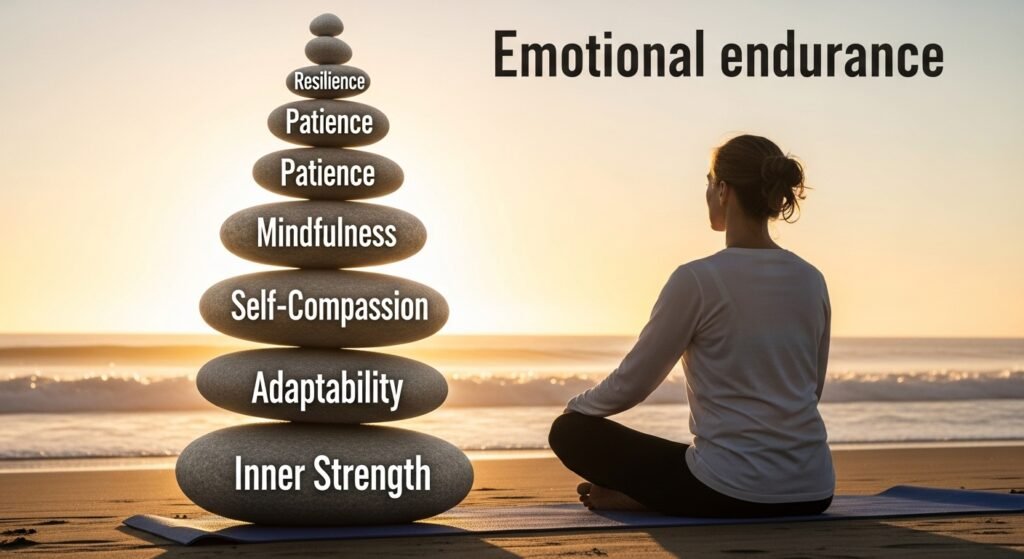
Emotional endurance is sustained capacity to manage emotions effectively across prolonged stress or adversity.
Techniques include pacing stress exposure through gradual challenges, practicing relaxation techniques, maintaining physical health, and nurturing social connections.
Regularly reviewing and updating coping strategies ensures their relevance as circumstances change.
Emotional endurance supports long-term resilience and reduces the risk of burnout or compassion fatigue, critical for ongoing mastery of life challenges.

12. How to Recognize and Shift Negative Thought Patterns
Negative thought patterns such as catastrophizing, black-and-white thinking, or personalization undermine emotional readiness.
Recognizing these patterns involves mindful awareness and cognitive assessment.
Techniques like cognitive-behavioral therapy (CBT) principles provide tools to challenge irrational beliefs.
Shifting negative thoughts involves gathering evidence, considering alternative explanations, and focusing on constructive perspectives.
Over time, this reconditioning strengthens positive emotional responses and resilient thinking.

13. Taking Care of Your Physical Health to Support Emotional Well-being
Physical and emotional health are deeply interconnected.
Regular exercise releases endorphins, reducing stress and enhancing mood.
Proper nutrition supports brain function and emotional balance.
Adequate sleep restores neural pathways regulating emotions.
Avoiding substances that impair judgment or increase anxiety is important.
Mind-body practices like yoga or tai chi integrate physical care with emotional regulation.
Prioritizing physical health creates a stable base for emotional readiness.

14. Practical Daily Habits to Enhance Emotional Readiness
Consistent daily habits create momentum for emotional strength.
These include morning routines that set calm intention, scheduled breaks for relaxation, journaling emotions and progress, gratitude practices, and regular connection with loved ones.
Technology can assist with mindfulness apps, reminders, and journaling platforms.
Tracking emotional patterns provides self-feedback for adjustment and growth.
Small, sustainable habits compound into significant emotional readiness improvements.

15. Using Journaling and Reflection to Track Your Emotional Growth
Journaling is a powerful practice that enhances emotional awareness and regulation by allowing you to explore and process your feelings in a structured way.
Writing about your emotions helps identify patterns and triggers, creating clarity about what drives your emotional reactions.
This reflection fosters self-awareness, enabling you to respond thoughtfully rather than reacting impulsively in challenging situations.
Journaling prompts such as recounting moments of strong emotion or exploring alternative, calmer responses encourage emotional regulation and empathy.
Over time, reviewing your journal entries shows personal growth, highlights successful coping strategies, and deepens self-discovery.
Consistent journaling reduces stress and anxiety, improves mood, and builds emotional resilience.
It also serves as a safe, judgment-free outlet for expressing complex feelings, boosting your ability to handle future challenges with greater ease.
Using journaling alongside other self-care tools contributes significantly to your journey of mastering emotional readiness.
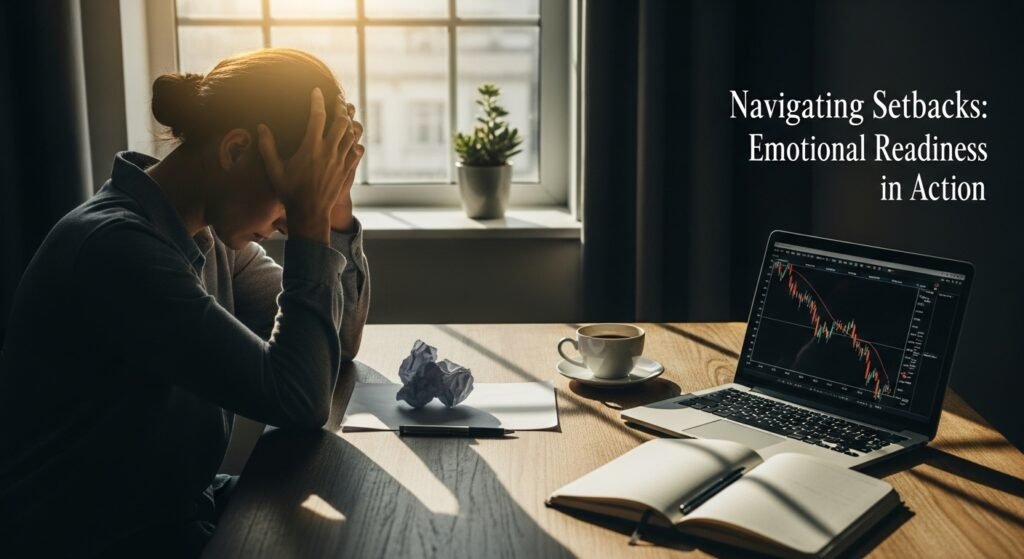
16. Navigating Setbacks: Emotional Readiness in Action
Setbacks and failures are inevitable but emotionally ready individuals treat them as opportunities to learn, not catastrophes.
Developing a post-setback routine—pause, reflect, reframe, and plan—helps manage emotions.
Seeking social support and practicing self-compassion accelerates recovery.
Maintaining a long-term perspective reduces the emotional intensity of setbacks and nurtures a mindset of persistence and hope.

17. Empowering Yourself Through Goal Setting and Positive Visualization
Setting clear, achievable goals creates direction and purpose, which enhance emotional control through focused effort.
Visualizing success primes the brain to adopt positive emotional states and reinforces motivation.
Combining goal setting with emotional readiness techniques ensures balanced progress—emotionally sustainable and adaptive.
Regularly revisiting and adjusting goals aligns efforts with current emotional capacities and life circumstances.

18. Leveraging Professional Help When Needed
Professional help can be invaluable when building emotional readiness, especially during times of intense stress or when facing deep-seated emotional challenges.
Therapists and counselors offer evidence-based techniques that increase self-awareness, improve emotional regulation, and enhance empathy.
Their guidance creates a safe, confidential space to explore emotions and develop coping strategies tailored to individual needs.
Engaging with mental health professionals can accelerate emotional growth, help process trauma, and foster long-term resilience.
Seeking professional support is a proactive step that empowers you to master life’s challenges with greater confidence and balance.

19. Building Emotional Readiness in Teams and Communities
Emotional readiness can and should be cultivated collectively in workplaces, schools, and communities.
Training in emotional intelligence, promoting psychological safety, encouraging open communication, and fostering social support enhance group resilience.
Collaborative problem-solving and conflict resolution build adaptive cultures where members feel safe and valued.
Emotional readiness at scale drives positive outcomes in productivity, engagement, and well-being.

20. Final Thoughts: A Lifelong Journey of Emotional Mastery
Building emotional readiness is an ongoing process requiring patience, practice, and commitment.
Life’s challenges will persist, but with cultivated emotional skills, you embrace them as opportunities to grow stronger and wiser.
Nurturing your emotional preparedness empowers you to live more fully, contribute meaningfully, and build fulfilling relationships.
By integrating the principles and practices shared in this guide, you lay a solid foundation for mastering life’s uncertainties with resilience and grace.
Inspirational Quotes
“Resilience is not just the ability to bounce back but the ability to bounce forward.” — Unknown
“You cannot always control what goes on outside, but you can always control what goes on inside.” — Wayne Dyer
“It’s not what happens to you, but how you react to it that matters.” — Epictetus
10 FAQs About Building Emotional Readiness
Here are 10 FAQs about “Master Life’s Challenges by Building Emotional Readiness” based on latest information and research insights:
1. What is emotional readiness and why is it important?
Emotional readiness is the psychological ability to manage your emotions, anticipate challenges, and adapt effectively to new situations. It’s crucial because it helps reduce anxiety, build resilience, and improves social and mental well-being, enabling you to handle life’s challenges with greater confidence and flexibility.
2. How can emotional readiness benefit academic and career success?
Emotional readiness improves focus, persistence, and stress management, which leads to better learning outcomes and higher productivity. It fosters social skills like cooperation and conflict resolution, essential in both educational and professional environments.
3. What are the signs that someone is emotionally ready for challenges?
Signs include emotional stability, clear boundaries, openness to communication, independence, and having healthy coping mechanisms. Emotionally ready individuals can handle stress constructively, regulate their emotions, and maintain positive relationships.
4. How does self-awareness contribute to emotional readiness?
Self-awareness means recognizing your emotions and triggers, which is the first step in managing reactions thoughtfully rather than impulsively. It helps you understand your emotional needs and develop personalized coping strategies.
5. Can professional help enhance emotional readiness?
Yes, therapists and counselors provide tailored support and evidence-based techniques to improve emotional regulation and resilience. Professional guidance can be critical for overcoming deep-seated issues and developing healthy emotional habits.
6. What role does social support play in building emotional readiness?
Supportive relationships offer validation, encouragement, and practical help, reducing feelings of isolation and stress. Social connections nurture emotional stability and resilience, which are essential for thriving through challenges.
7. How can mindfulness improve emotional readiness?
Mindfulness practices enhance present-moment awareness and reduce emotional reactivity by promoting calm and clarity. Regular mindfulness lowers stress levels and strengthens emotional regulation capabilities.
8. What is the relationship between emotional readiness and resilience?
Emotional readiness builds resilience by equipping you with the skills to adapt flexibly to change, recover from setbacks, and maintain a positive mindset despite adversity.
9. How can one develop a growth mindset to support emotional readiness?
By viewing challenges as opportunities to learn rather than threats, embracing effort, and valuing process over perfection. This mindset fosters persistence, self-compassion, and adaptability in facing life’s obstacles.
10. How is emotional readiness relevant beyond individual growth?
It plays a critical role in organizational culture and community initiatives, helping groups adapt to change, support diversity and inclusion, and foster collective emotional resilience.