
Emotional Safety in Healing is the foundation upon which true transformation is built. Without a genuine sense of emotional security, healing processes can feel threatening, triggering, or incomplete.
Many people who seek growth and recovery struggle because they lack this crucial layer of safety that allows vulnerability, trust, and openness to take root.
Imagine being able to cultivate deep emotional safety that protects your heart, empowers your resilience, and fosters lasting healing—this is the gateway to profound inner peace and renewal.
In today’s fast-paced world, emotional wounds often run deep and unacknowledged, making the need for emotional safety more urgent than ever.
When you master the art of creating and maintaining emotional safety, you create a sacred container that nurtures your mind and body simultaneously.
This blog will unravel three life-changing techniques designed specifically to deepen emotional safety in healing.
These approaches will help you release fear, build trust with yourself, and lean into the healing experience with courage and grace—paving the way for transformational growth and wholeness.
Table of Contents
- Understanding Emotional Safety in Healing
- Technique 1: Creating a Personal Safe Space
- Technique 2: Grounding and Nervous System Regulation
- Technique 3: Cultivating Self-Compassion and Mindfulness
- Summary Table of Techniques for Emotional Safety
- Inspirational Quotes on Emotional Safety and Healing
- Frequently Asked Questions (FAQs)
- Conclusion

1. Understanding Emotional Safety in Healing
Emotional safety in healing is the essential foundation that allows individuals to feel accepted, understood, and secure enough to explore and process their emotions without fear of judgment or rejection.
When emotional safety is present, the nervous system senses stability, enabling the person to relax, stay present, and engage deeply with their healing journey.
Without it, emotions can trigger defense mechanisms such as avoidance, dissociation, or anxiety, blocking true healing.
This safety encompasses being free from threats of dismissal or punishment and experiencing kindness and validation both from oneself and from others.
It nurtures trust, allowing vulnerability—an indispensable ingredient for meaningful transformation.
Emotional safety helps reduce stress, fatigue, and emotional overload by creating a sanctuary in one’s internal and external environment.
It encourages open communication, self-expression, and authentic connection, both intrapersonally and interpersonally.
When people feel emotionally safe, they develop resilience, compassion, and a stronger relationship with themselves, paving the way for profound healing and growth.
This sense of security helps repair past wounds and offers a reliable foundation for facing challenges courageously.
- Emotional safety in healing means feeling accepted, valued, and understood.
- It calms the nervous system for deeper healing.
- Absence of safety triggers defensive emotional patterns.
- It involves freedom from judgment and fear of rejection.
- Builds trust necessary for vulnerability and growth.
- Reduces stress, emotional fatigue, and overwhelm.
- Encourages authentic self-expression and connection.
- Forms the foundation for resilience and emotional regulation.

2. Technique 1: Creating a Personal Safe Space
Creating a personal safe space is a transformative technique that profoundly deepens emotional safety in healing by establishing a physical, mental, or energetic sanctuary where you can feel protected and free to express yourself fully.
This safe space acts as a refuge from overwhelming emotions, judgment, or external stress, allowing your nervous system to relax and your true feelings to emerge without fear.
Whether it is a cozy corner in your home adorned with meaningful objects, a meditation cushion, or a mental visualization of a peaceful sanctuary, this dedicated space signals safety to your body and mind.
Personalizing it with calming elements such as soft lighting, comforting textures, or soothing scents engages your senses and enhances relaxation.
Importantly, this safe haven is where you can practice vulnerability at your own pace, reflecting and processing emotions with kindness.
Over time, consistently using this sacred space builds trust in yourself and your healing process.
Creating boundaries around this space ensures its sanctity, deterring interruptions and fostering respect.
It is a tangible and symbolic reminder that you deserve safety and care during your emotional journey.
By claiming this safe space, you empower your nervous system and cultivate emotional resilience critical to deep healing and growth.
- Establish a dedicated physical or mental sanctuary.
- Personalize with comforting objects and sensory elements.
- Use it to express emotions safely and reflect freely.
- Signals safety to your nervous system and body.
- Enhances nervous system relaxation and calm.
- Provides a refuge during emotional overwhelm.
- Encourages gradual vulnerability and self-trust.
- Boundaries ensure respect and protect the space’s integrity.
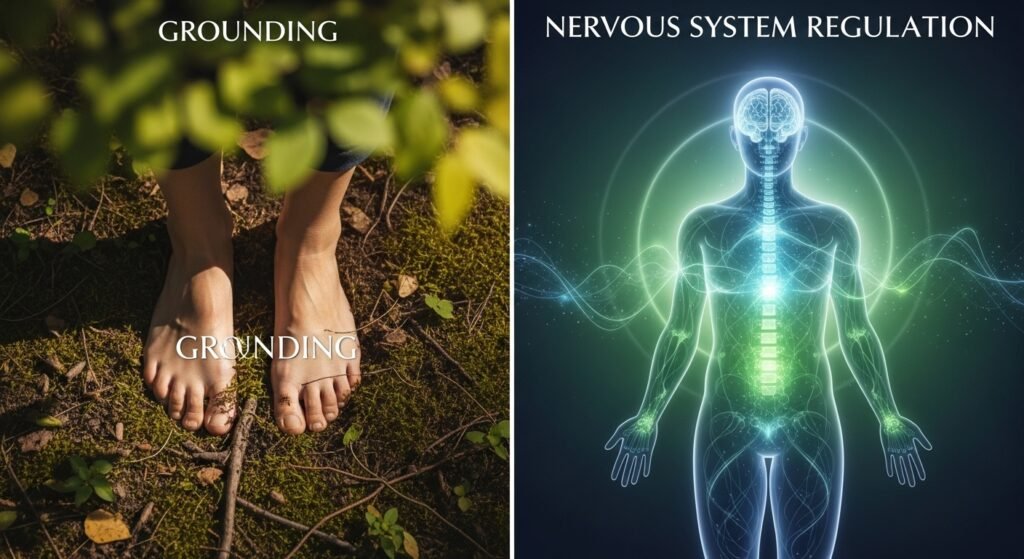
3. Technique 2: Grounding and Nervous System Regulation
Grounding and nervous system regulation are vital techniques to foster emotional safety in healing by anchoring you firmly in the present moment and calming overwhelming emotional or physiological reactions.
When the nervous system is dysregulated, sensations like anxiety, panic, dissociation, or hyperarousal can interfere with emotional processing and growth.
Grounding shifts attention away from distressing thoughts by reconnecting you to your physical body and environment through sensory awareness, breath, or mindful movement.
For example, focusing on sensations like the feel of your feet on the floor, the sound of nearby noises, or the rhythm of your breath helps create a safe internal container for emotions to be felt without flooding the system.
These techniques can be practiced daily or anytime intense feelings arise to stabilize the nervous system and reinforce emotional safety.
Grounding teaches your brain to tolerate distress safely, reducing avoidant or defensive responses.
Over time, this regulation supports deeper emotional exploration and healing.
Combining breathwork, sensory focus, and gentle physical movements offers holistic nervous system support.
Grounding essentially rewires your responses to stressful emotions, creating pathways of calm and safety, crucial for transformative healing.
- Grounding redirects attention to the present moment and physical sensations.
- It reduces overwhelming anxiety or panic symptoms.
- Calms the nervous system to allow safer emotional processing.
- Techniques include breath awareness, body scans, and sensory observation.
- Prevents dissociation and reactive emotional flooding.
- Frequent practice builds resilience against stress triggers.
- Combines well with gentle movement and mindfulness.
- Strengthens emotional safety and healing capacity.

4. Technique 3: Cultivating Self-Compassion and Mindfulness
Cultivating self-compassion and mindfulness is a transformative technique that deepens emotional safety by fostering a gentle, nonjudgmental relationship with yourself.
Mindfulness encourages you to develop present-moment awareness, allowing you to observe your thoughts and emotions without resistance or avoidance.
This balanced awareness reduces fear, shame, and the urge to suppress painful feelings during healing.
Self-compassion complements mindfulness by activating kindness and understanding toward your suffering, soothing your inner critic, and nurturing emotional resilience.
Together, these practices create a secure internal environment where healing can unfold naturally and with gentleness.
Engaging in guided meditations, loving-kindness exercises, and compassionate self-talk helps solidify these skills, encouraging patience and persistence in transformation.
They empower you to face triggers with courage, reduce self-judgment, and reclaim your intrinsic worth.
Mindful self-compassion enhances emotional regulation, providing tools to navigate setbacks and maintain inner peace.
Over time, this practice builds deep trust in yourself, essential for authentic, lasting healing.
- Mindfulness fosters present awareness and reduces emotional reactivity.
- Self-compassion encourages kindness toward your suffering.
- Together, they soften internal judgment and shame.
- Build a nurturing inner dialogue that supports healing.
- Helps reduce avoidance and fear of emotions.
- Strengthens resilience during emotional challenges.
- Encourages patience and acceptance with setbacks.
- Vital for sustainable emotional safety and growth.
5. Summary Table of Techniques for Emotional Safety
| Technique | Purpose | Key Benefits |
|---|---|---|
| Creating a Personal Safe Space | Establishes a refuge for expression and calm | Increases comfort and trust |
| Grounding and Nervous System Regulation | Stabilizes emotions by anchoring present moment | Reduces anxiety and overwhelm |
| Cultivating Self-Compassion and Mindfulness | Fosters acceptance and gentleness towards self | Enhances resilience and healing capacity |
6. Inspirational Quotes on Emotional Safety in Healing
- “Emotional safety is the soil where the seeds of healing grow.” — Unknown
- “Healing takes courage, and we all have courage, even if we have to dig a little to find it.” — Tori Amos
- “To heal is to touch with love that which we previously touched with fear.” — Stephen Levine
- “Self-compassion is simply giving the same kindness to ourselves that we would give to others.” — Christopher Germer
- “You don’t have to control your thoughts. You just have to stop letting them control you.” — Dan Millman
7. Frequently Asked Questions (FAQs)
1. What does emotional safety mean in healing?
Emotional safety means feeling free from judgment, fear, or rejection while exploring difficult emotions.
2. How can I create a personal safe space?
Designate a physical or mental place where you feel calm and secure, using objects, scents, or visualization.
3. Why is grounding important for emotional safety?
Grounding calms the nervous system and anchors you in the present, helping manage overwhelming feelings.
4. How can mindfulness help in emotional healing?
It helps observe emotions without judgment, reducing fear and promoting acceptance.
5. What is self-compassion and why is it key?
Self-compassion involves treating yourself kindly during pain, forming a supportive inner relationship.
6. Are these techniques useful if I have trauma?
Yes, especially when practiced gently and consistently, they support nervous system regulation and safety.
7. How often should I practice these techniques?
Regular daily practice helps build lasting emotional safety and resilience.
8. Can I use these techniques alone or do I need a therapist?
They’re helpful alone but can be enhanced with professional guidance, especially for deep trauma.
9. What do I do if a technique feels overwhelming?
Pause, slow down, and adapt the practice to what feels manageable; always honor your limits.
10. How long before I notice benefits?
Many notice calming effects within minutes; deeper healing unfolds with consistent practice.
Conclusion
Deepening emotional safety is a life-changing step toward authentic healing and transformation.
The three techniques outlined—creating a personal safe space, grounding to regulate your nervous system, and cultivating mindfulness with self-compassion—build a stable inner foundation.
They empower you to face painful emotions with courage and gentleness, interrupt reactive patterns, and nurture your natural resilience.
Emotional safety unlocks the possibility of true change and growth, embedding healing deeply in your life.
Begin today by embracing these practices with kindness toward yourself.
Over time, you will experience greater peace, strength, and freedom on your healing journey.
Remember: emotional safety is a skill you cultivate, nurture, and return to whenever you need support and restoration.
Case Study: Healing Childhood Trauma Through Creating a Safe Space and Mindfulness
Background: Chloe, a woman in her early thirties, experienced severe childhood trauma, including emotional neglect and physical abuse from her primary caregivers.
These early wounds created a deep sense of emotional insecurity and distrust, which significantly hindered her ability to form trusting relationships and pursue personal growth.
She often found herself overwhelmed by feelings of vulnerability, anxiety, and fear of rejection, especially when trying to confront or process her past experiences.
Intervention: Chloe’s therapist introduced her to the concept of creating a personal safe space—a dedicated physical and mental sanctuary where she could feel secure.
She started by transforming a corner of her apartment into a cozy retreat, with familiar objects, calming scents, and soft lighting.
Each day, she would spend time there engaging in mindfulness and grounding exercises, focusing on her breath and sensory awareness.
These practices helped Chloe calm her nervous system and develop a compassionate relationship with herself.
She was also guided to create an internal mental space using visualization techniques, imagining a serene place where she could retreat during moments of distress.
Over several months, Chloe learned to use her safe space whenever anxiety flared or emotional wounds surfaced, gradually increasing her capacity to stay present without feeling overwhelmed.
Progress: With consistent practice, Chloe experienced a gradual shift in her emotional safety level. She reported feeling more confident in approaching difficult memories and emotions, knowing she had a secure space to process them.
Her anxiety episodes decreased in frequency and intensity, and she cultivated a stronger sense of trust in her own resilience.
As she more effectively regulated her nervous system through grounding and mindfulness, her overall emotional stability improved.
Chloe began rebuilding her self-esteem and developing healthier boundaries in her relationships, feeling safe enough to be vulnerable and authentic.
Outcome: Chloe’s journey demonstrates how creating a personal safe space and practicing grounding techniques can significantly deepen emotional safety in healing.
Building a sanctuary—both physically and mentally—created an internal environment of trust and stability that allowed her to explore her past with compassion.
Over time, her emotional safety foundations strengthened, enabling her to face her trauma gradually, with a sense of security and hope.
This case underscores the vital role of safe environments in fostering genuine healing and transformation, especially when working through deep-rooted wounds.