
Physical Safety in Holistic Practices is paramount for anyone seeking healing, growth, and wellness through modalities that engage the body, mind, and spirit.
Holistic practices like yoga, meditation, energy healing, or bodywork can unlock profound transformation, yet without careful attention to physical safety, they may lead to unintended injury, strain, or discomfort.
Imagine confidently engaging in your holistic practice knowing simple, essential guidelines protect your physical wellbeing—allowing you to dive deep into healing with freedom and ease.
Whether you are a practitioner or participant, understanding the critical elements of physical safety boosts not only your effectiveness but also your longevity and enjoyment in holistic work.
This blog reveals seven essential ways to ensure physical safety in holistic practices, combining ancient wisdom and modern safety principles to help you create a secure foundation for your wellness journey.
Follow these strategies to maintain alignment, prevent injury, respect individual limits, and promote a thriving, safe practice environment.
Table of Contents
- Understanding Physical Safety in Holistic Practices
- Way 1: Conduct Pre-Session Health and Risk Assessments
- Way 2: Ensure Proper Posture and Alignment
- Way 3: Maintain a Clean, Organized, and Hazard-Free Space
- Way 4: Use Qualified Guidance and Personalized Modifications
- Way 5: Apply Ergonomic Principles in Practice Design
- Way 6: Prioritize Hydration, Nutrition, and Rest
- Way 7: Monitor for Signs of Physical Discomfort or Injury
- Summary Table of Physical Safety Tips
- Inspirational Quotes on Safety and Healing
- Frequently Asked Questions (FAQs)
- Conclusion

1. Understanding Physical Safety in Holistic Practices
Physical safety in holistic practices entails ensuring that all activities, movements, and treatments protect the participant’s body from harm or strain while supporting optimal function and recovery.
Holistic practices often incorporate dynamic movement, breath control, energy work, and sometimes physical adjustments, all of which influence your body’s biomechanics and energetic system.
Inadequate attention to physical safety can lead to injuries ranging from muscular strains to long-term joint issues.
Moreover, a safe practice environment reduces risks of slips, trips, and exposure to allergens or contaminants.
Understanding physical safety means recognizing that each individual brings unique health needs, limitations, and sensitivities requiring assessment and accommodation.
Physical safety also interconnects with emotional and energetic safety, as injury or pain can disrupt holistic healing processes.
Effective physical safety measures foster confidence, facilitate deeper relaxation, and allow you to experience the full benefits of holistic healing without hesitation or harm.
Key Points:
- Physical safety protects against injury and strain.
- Considers unique individual health needs.
- Essential in movement, breathwork, and energy practices.
- Prevents slips, falls, and environmental hazards.
- Supports the integration of mind-body healing.
- Requires ongoing assessment and adaptation.
- Builds confidence and comfort in practice.
- Linked with emotional and energetic wellbeing.

2. Way 1: Conduct Pre-Session Health and Risk Assessments
Before engaging in any holistic practice, conducting a thorough health and risk assessment is vital to identify vulnerabilities, previous injuries, or medical conditions that may affect safety.
This can be done through detailed client intake forms or verbal consultations.
Understanding a participant’s physical history allows practitioners to tailor movements and interventions appropriately.
Risk assessments also consider environmental factors like space constraints or equipment safety.
Sharing this information with clients promotes transparency and trust, empowering them to communicate concerns.
Assessments help prevent exacerbation of preexisting conditions and allow preparation for modifications. Individualized screening is an essential foundation for personalized and safe holistic care.
Key Points:
- Gather detailed health and injury history.
- Identify contraindications for specific practices.
- Assess environmental risks (space, equipment).
- Customize sessions based on individual needs.
- Promote client-practitioner open communication.
- Prevent worsening of existing conditions.
- Enhance trust and safety awareness.
- Integral for personalized holistic care planning.
3. Way 2: Ensure Proper Posture and Alignment
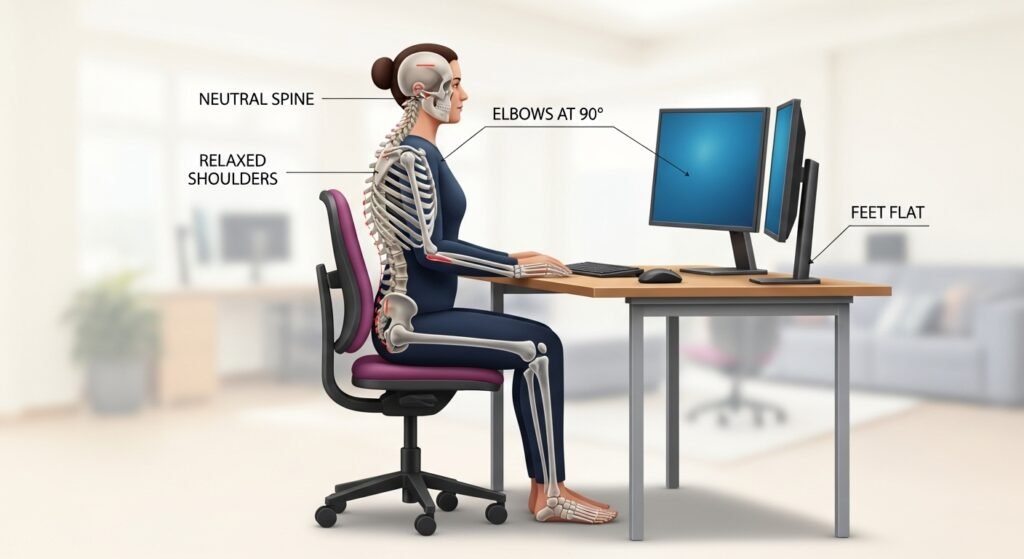
Maintaining proper posture and alignment throughout holistic practices safeguards joints, muscles, and connective tissues from undue stress and injury.
Whether in yoga, massage, or movement therapies, correct biomechanical positioning maximizes benefits and minimizes risk.
Practitioners should provide clear instructions, demonstrations, and corrections as needed, emphasizing alignment and comfort.
Using props like blocks, straps, or cushions supports safe positioning, especially for beginners or those with limitations.
Participants are encouraged to listen to their bodies and avoid pushing beyond comfortable ranges.
Correct posture also enhances energy flow and breath capacity, reinforcing overall holistic benefits.
Continual attention to alignment fosters sustainable, injury-free practice.
Key Points:
- Promotes joint and muscle safety.
- Enhances energy and breath flow.
- Utilizes props for support and modification.
- Encourages body awareness and self-regulation.
- Practitioners should guide alignment carefully.
- Prevents long-term damage or strain.
- Supports accessibility for all ability levels.
- Critical for effective holistic practice.

4. Way 3: Maintain a Clean, Organized, and Hazard-Free Space
A well-maintained, clutter-free, and hygienic environment is fundamental for physical safety in any holistic practice.
Floors should be clean and free of obstacles to prevent slips or trips.
Equipment like mats, chairs, or healing tables must be stable, intact, and regularly sanitized.
Ensuring good air quality and ventilation enhances participant comfort and reduces health risks.
Proper lighting facilitates clear visibility, preventing accidents.
Attention to such environmental details signals professionalism and care, directly impacting physical safety and emotional wellbeing.
This considerate space supports focus and relaxation, essential for deep healing.
Regular checks and maintenance routines preserve the integrity of the holistic environment.
Key Points:
- Keep floors clean and free of hazards.
- Sanitize equipment regularly.
- Ensure stable, well-maintained furniture.
- Maintain good lighting and ventilation.
- Remove clutter and create ample movement space.
- Enhance comfort and reduce health risks.
- Convey professionalism and care.
- Supports focus and relaxation.

5. Way 4: Use Qualified Guidance and Personalized Modifications
Employing skilled practitioners who understand anatomy, contraindications, and holistic safety standards is crucial for protecting physical safety.
Qualified guidance ensures techniques are applied correctly to maximize benefits and minimize risks.
Practitioners must be attentive to individual differences, offering personalized modifications for injuries, mobility limitations, or health conditions.
Clients should feel empowered to request adjustments or provide feedback.
Continuous education and certification updates by practitioners are vital for maintaining high safety standards.
Personalized modifications enable safe participation, fostering trust and sustained engagement.
Quality guidance combined with flexibility is foundational to effective, safe holistic practice.
Key Points:
- Engage trained and certified practitioners.
- Tailor techniques to individual health needs.
- Encourage client feedback and modification requests.
- Keep practitioner skills updated regularly.
- Prevent misuse or unsafe applications of techniques.
- Build trust and safety through personalization.
- Support diverse client populations.
- Crucial for injury prevention and healing support.

6. Way 5: Apply Ergonomic Principles in Practice Design
Integrating ergonomic principles into practice design preserves joint health, reduces strain, and optimizes comfort during holistic sessions.
Whether in workstation setup for bodyworkers or participant positioning in yoga, ergonomics focus on aligning movements with natural body mechanics.
Work environments should prevent repetitive stress and allow ease of movement.
Practitioners should adopt postures that protect their own health, preventing chronic injuries.
When clients are involved, ergonomic seating options, adjustable tables, and breaks help sustain wellbeing.
Attention to ergonomics promotes longevity of healing careers and ensures participants remain injury-free.
Applying these principles supports sustainable, high-quality holistic care.
Key Points:
- Align movements with natural body mechanics.
- Prevent repetitive stress injuries.
- Use adjustable furniture and props.
- Incorporate regular breaks for clients and practitioners.
- Protect practitioner health and stamina.
- Increase comfort and safety during sessions.
- Support long-term practice sustainability.
- Enhance session quality and outcomes.

7. Way 6: Prioritize Hydration, Nutrition, and Rest
Physical safety is reinforced by attending to fundamental bodily needs like hydration, nutrition, and rest.
Practitioners and clients should drink water before, during breaks, and after sessions to maintain cellular function and prevent fatigue.
Nutrient-rich meals support energy production and recovery.
Adequate rest before and after sessions facilitates healing and helps process energetic shifts.
Ignoring these essentials can increase risk of dizziness, dehydration, or lowered immunity, disrupting safety and healing benefits.
Holistic practice success depends on honoring the body’s basic requirements as a root for all other safety protocols.
Key Points:
- Maintain hydration throughout practice.
- Consume balanced, nutrient-dense meals.
- Prioritize quality rest and recovery times.
- Prevent fatigue, dizziness, and immune strain.
- Supports energy and physical resilience.
- Enhances nervous system regulation.
- Fundamental to physical safety protocols.
- Integral to sustainable holistic practice.

8. Way 7: Monitor for Signs of Physical Discomfort or Injury
Vigilant monitoring for signs of physical discomfort, pain, or injury during holistic sessions is a crucial safety practice.
Clients and practitioners must communicate openly about sensations, fatigue, or any negative emotional reactions.
Early recognition allows immediate adaptations, preventing worsening conditions.
Signs such as sharp pain, numbness, excessive fatigue, or persistent swelling warrant prompt attention or referral to medical professionals.
Encouraging a culture of openness establishes trust and emphasizes safety as a shared responsibility.
Prompt care and modifications maintain participant wellbeing and trust, fostering a positive healing environment.
Key Points:
- Monitor pain, numbness, or fatigue signals.
- Encourage honest communication of discomfort.
- Adapt or stop practices if problems arise.
- Refer promptly for medical evaluation if needed.
- Foster open practitioner-client dialogue.
- Promote shared responsibility for safety.
- Prevent worsening of injuries.
- Support trust and positive healing atmosphere.
Summary Table of Physical Safety in Holistic Practices
| Safety Way | Purpose | Benefits |
|---|---|---|
| Health and Risk Assessments | Identify individual vulnerabilities | Prevent injury, personalize care |
| Proper Posture and Alignment | Protect joints and muscles | Enhance comfort, prevent strain |
| Clean, Organized Environment | Reduce accidents and health risks | Supports relaxation and focus |
| Qualified Guidance and Modifications | Tailor approaches safely | Build trust, prevent unsafe practices |
| Ergonomic Principles | Align practice with body mechanics | Prevent repetitive strain, boost longevity |
| Hydration, Nutrition, and Rest | Maintain physical resilience | Prevent fatigue, support recovery |
| Monitor Physical Discomfort | Early injury detection and prevention | Protect wellbeing and trust |
Inspirational Quotes on Safety and Healing
- “Safety is not just a practice but a state of mind.” — Unknown
- “You cannot heal what you do not acknowledge.” — Unknown
- “In the rhythm of healing, the body listens to safe space.” — Anonymous
- “Healing begins with honoring your body’s boundaries.” — Unknown
- “Wellness is the natural outcome of safe practice and mindful care.” — Unknown
Frequently Asked Questions (FAQs)
1. Why is physical safety important in holistic practices?
It prevents injury, supports healing, and ensures a comfortable and effective wellness experience.
2. How do I know if I need a health assessment before starting?
If you have pre-existing conditions, recent injuries, or special concerns, an assessment ensures appropriate modifications.
3. What props help maintain proper posture?
Blocks, straps, cushions, chairs, and blankets all offer support and alignment assistance.
4. How often should equipment and space be cleaned?
Regularly before and after sessions to maintain hygiene and reduce health risks.
5. Can unqualified practitioners cause physical harm?
Yes, lack of knowledge about anatomy and contraindications increases injury risk.
6. How does ergonomics relate to practitioner health?
Proper posture prevents repetitive strain and chronic injuries, sustaining professional capability.
7. What are common signs of injury during practice?
Sharp pain, numbness, swelling, extreme fatigue, or lingering discomfort.
8. How important is hydration during holistic work?
Crucial for energy, focus, physical function, and overall safety.
9. When should I seek medical advice related to holistic sessions?
If you experience persistent pain, dizziness, or injury signs not improving with rest.
10. Can physical safety practices benefit mental and spiritual wellbeing?
Yes, physical comfort and safety enhance emotional and energetic healing capacities.
Conclusion
Ensuring physical safety in holistic practices is a non-negotiable foundation for effective, sustainable healing and growth.
By conducting health assessments, prioritizing posture and environment, working with qualified guidance, applying ergonomics, and honoring basic body needs, you create a space where transformation can unfold safely.
Ongoing monitoring of physical sensations and early intervention prevents injury and nurtures trust between clients and practitioners.
These seven essential ways to maintain physical safety empower everyone involved to engage in holistic practices with confidence, joy, and respect for the body’s wisdom.
Embrace these safety principles to harmonize your mind, body, and spirit for a truly balanced wellness journey.