
Embarking on spiritual awakening is a profound journey that often stirs deep transformation—but it can also bring emotional turbulence and uncertainty. Creating a safe and grounded container for this process is essential to navigate growth with confidence, clarity, and compassion. Discover 10 mindful ways to create safety during spiritual awakening that nurture your inner sanctuary and empower your evolution.
Table of Contents
- Introduction: Why Safety Matters in Spiritual Awakening
- Mindful Practice 1: Establishing Grounding Rituals for Stability
- Mindful Practice 2: Creating Sacred Space for Emotional Safety
- Mindful Practice 3: Cultivating Healthy Boundaries in Relationships
- Mindful Practice 4: Engaging in Breath Awareness for Calm
- Mindful Practice 5: Journaling to Process Inner Experiences
- Mindful Practice 6: Integrating Nature to Anchor Presence
- Mindful Practice 7: Using Mindful Movement to Release Energy
- Mindful Practice 8: Seeking Support From Trusted Guides
- Mindful Practice 9: Practicing Compassionate Self-Talk
- Mindful Practice 10: Balancing Digital Consumption Mindfully
- Quotes to Inspire Safety on Your Spiritual Journey
- Frequently Asked Questions (FAQs)
- Conclusion
- Detailed Table: Safety Practices Compared by Benefit and Application
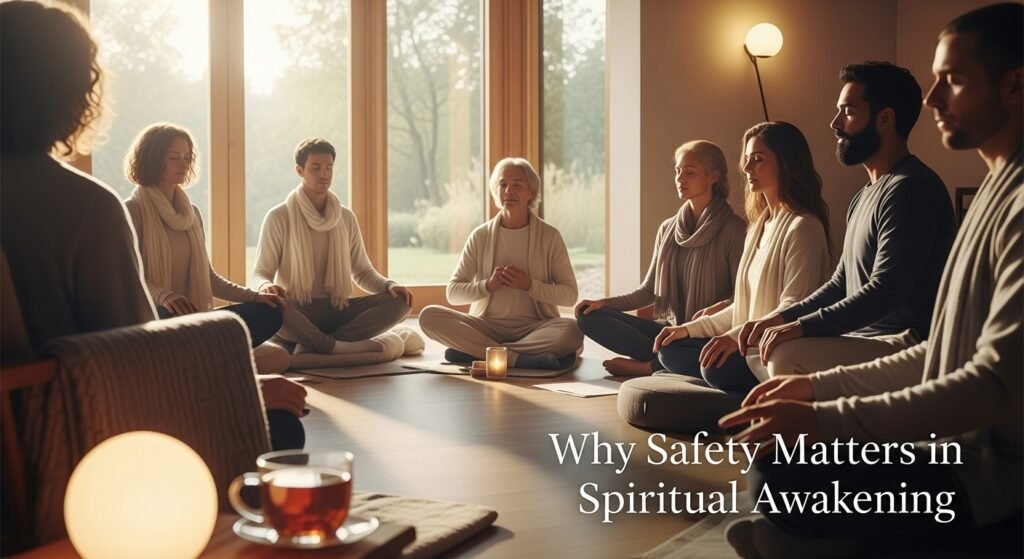
Introduction: Why Safety Matters in Spiritual Awakening
Spiritual awakening is more than a mystical experience—it’s a transformational process that influences your emotional, mental, and physical well-being.
During this period, your boundaries may feel blurred and emotions amplified, which can be unsettling without safety mechanisms.
Creating safety during spiritual awakening allows you to process shifts without becoming overwhelmed or disconnected from reality.
It promotes resilience and helps integrate insights in a sustainable way.
Without grounding and boundaries, awakening risks becoming chaotic or triggering old wounds.
Mindful safety practices act as anchors, enabling you to welcome growth while honoring your personal limits and pace.
- Safety helps prevent emotional overwhelm and burnout.
- It encourages clear discernment between intuition and fear.
- Supports integration of spiritual insights into daily life.
- Fosters self-compassion and patience through uncertainty.
- Protects mental and emotional health during vulnerable moments.
- Encourages balance between internal deepening and external functioning.
- Builds trust in the awakening process itself.
- Cultivates harmony in relationship dynamics.

Mindful Practice 1: Establishing Grounding Rituals for Stability
Grounding is the foundation of creating safety during spiritual awakening.
It reconnects you with the present moment and your physical body to reduce anxiety and disorientation.
Regular grounding rituals create a refuge of stability, so shifts feel less disruptive.
Effective grounding may include focusing on breath, tactile sensations, or body awareness.
Simple acts like touching natural objects or walking barefoot can bring you back “home” after intense inner experiences.
When grounding integrates into daily practice, it decreases overwhelm and improves emotional regulation.
This stability fosters confidence in navigating spiritual growth without losing touch with reality.
Grounding rituals anchor your nervous system and balance energetic expansion.
- Use breath-focused grounding exercises daily.
- Connect with earth by standing barefoot on natural surfaces.
- Practice sensory grounding by noticing textures or temperatures.
- Engage in 5-4-3-2-1 sensory awareness to center attention.
- Make a habit of slow, mindful walking.
- Use a grounding object like a stone or crystal in your hand.
- Visualize roots extending from your feet into the earth.
- Ground before and after intense spiritual practices.

Mindful Practice 2: Creating Sacred Space for Emotional Safety
Creating a sacred space cultivates emotional safety during spiritual awakening by giving you a consistent environment for reflection, healing, and connection with your inner self.
This space can be physical, energetic, or symbolic.
Design your sacred space with items that inspire peace and protection — candles, incense, crystals, or meaningful artifacts.
A dedicated corner, room, or altar invites mindfulness and honors your evolving needs.
Regular use builds a container of safety, reducing distraction and reinforcing a sense of control when internal experiences intensify.
Sacred space supports rituals, meditation, or prayer, and assists in setting boundaries with external influences.
It’s a refuge to recalibrate and release what no longer serves you.
- Select a quiet spot free from interruptions.
- Fill the space with calming colors and textures.
- Use objects symbolizing protection or comfort.
- Set clear intentions for what this space represents.
- Cleanse the space regularly using smudging or sound.
- Personalize the area to reflect your spiritual journey.
- Limit digital devices and noise distractions nearby.
- Make sacred space a daily retreat for self-care.

Mindful Practice 3: Cultivating Healthy Boundaries in Relationships
Spiritual awakening can sometimes blur personal boundaries as perspectives shift and sensitivity increases.
Creating and maintaining healthy boundaries in relationships is vital to protect your energy and emotional safety.
Communicate openly about your needs and limits with family, friends, or colleagues.
Saying no or stepping back isn’t selfish — it’s essential self-preservation.
Boundaries shield you from draining or triggering dynamics, allowing space for reflection and growth.
They help clarify who supports your process and who may hinder it.
Healthy boundaries reduce anxiety and foster mutual respect, enabling deeper connection without losing autonomy.
Practicing boundary awareness also enhances emotional regulation and self-advocacy.
- Identify areas where boundaries feel weak or violated.
- Assert your limits kindly but firmly.
- Limit time with energy-draining individuals.
- Use pause to respond instead of react during conflict.
- Avoid over-sharing when not ready.
- Prioritize relationships that honor your awakening.
- Revisit boundaries regularly to adjust needs.
- Remember boundaries create safety, not separation.

Mindful Practice 4: Engaging in Breath Awareness for Calm
Breath awareness offers an immediate and accessible method to cultivate calm and safety during spiritual awakening.
Conscious breathing regulates the nervous system, reduces anxiety, and centers your awareness.
Practicing mindful breath focus helps anchor your mind when emotions or sensations surge intensely.
It also creates a space between stimulus and response, allowing intentional choices rather than reactive patterns.
Breath exercises promote parasympathetic activation — the “rest and digest” mode — which supports integration of spiritual experiences.
With repeated practice, you build resilience and can return steadily to a place of ease amidst change.
- Practice deep diaphragmatic breathing for 5 minutes daily.
- Use box breathing (inhale-hold-exhale-hold) to regulate rhythm.
- Incorporate breath awareness into meditation or daily tasks.
- Take slow, intentional exhales to signal release.
- Combine breath with gentle movement for synergy.
- Notice how emotions shift during breath focus.
- Use breath as a tool to interrupt cycles of worry or overwhelm.
- Remind yourself breath connects body and mind.

Mindful Practice 5: Journaling to Process Inner Experiences
Journaling creates a mindful outlet to safely explore and process the complex emotions arising during spiritual awakening.
Writing helps clarify thoughts, reduce rumination, and promote self-awareness.
Through written reflection, you integrate insights, questions, and shifts beyond purely mental or sensory experience.
Compassionate journaling acknowledges difficult feelings without judgment and tracks progress over time.
It offers a private container where you can express vulnerability freely and identify recurring themes.
This practice supports emotional release and fosters acceptance and growth.
Journaling rituals can enhance spiritual practice by linking inner transformation with concrete expression.
- Use prompts such as “What am I feeling right now?” or “What do I need?”
- Practice stream-of-consciousness writing to unlock subconscious content.
- Schedule short daily or weekly journaling sessions.
- Include gratitude and positive reframing to balance difficult emotions.
- Write letters to your higher self or inner child.
- Track dreams and intuitive messages.
- Review past entries to observe growth.
- Keep your journal secure for privacy.

Mindful Practice 6: Integrating Nature to Anchor Presence
Spending time in nature grounds and calms the mind and body during spiritual awakening.
Natural environments provide sensory richness and energetic support that aid emotional integration.
Connecting with trees, water, sunlight, and fresh air invites bodily presence and balances energetic shifts.
Nature’s rhythms remind you of life cycles, patience, and renewal, helping soothe restlessness or overwhelm.
Even brief walks or sitting outdoors can reset the nervous system and deepen awareness.
Nature integration is a gentle way to bridge inner exploration with external reality, fostering holistic safety.
- Take mindful walks focusing on sights, sounds, and smells.
- Sit or lie under a tree to feel supported.
- Watch water flow or waves to reflect impermanence.
- Engage in gardening or plant care as tactile grounding.
- Use natural objects for meditation or altar inclusion.
- Practice slow breathing outdoors.
- Limit digital distractions during nature time.
- Journal about sensations and insights while connected to nature.

Mindful Practice 7: Using Mindful Movement to Release Energy
Mindful movement helps release stagnant energy and emotional tension that can accumulate during spiritual awakening.
Movement reconnects you with your physical self and supports nervous system regulation.
Gentle forms like yoga, Qi Gong, or walking encourage mindful presence and balanced energy flow.
Mindful movement prevents disembodiment by honoring the body’s messages and limits.
It provides a fluid, nonverbal way to express and clear emotions safely.
Movement rituals also improve circulation, flexibility, and well-being, which enhance overall resilience.
- Choose slow, intentional movements synchronizing breath and body.
- Explore different modalities to find what resonates.
- Incorporate self-massage or stretching.
- Use movement to express emotions without judgment.
- Avoid forcing or pushing beyond comfort.
- Practice regularly for cumulative benefit.
- Use guided mindful movement sessions.
- End with grounding or relaxation poses.

Mindful Practice 8: Seeking Support From Trusted Guides
Navigating spiritual awakening can feel isolating, so seeking support from trusted spiritual teachers, counselors, or communities fosters safety and validation.
Guides offer perspective, tools, and encouragement to work through challenges.
They can help discern between awakening phenomena and psychological distress.
Group support provides connection and shared experiences that normalize your journey.
Trusted support helps prevent confusion or overwhelm, affirming your path’s authenticity and empowering you to proceed mindfully.
- Identify experienced, trustworthy guides or therapists.
- Join spiritual or meditation groups oriented toward safety.
- Ask questions and share honestly in safe settings.
- Use discernment to avoid dogma or pressure.
- Seek professional help if emotional difficulties escalate.
- Explore mentorship or coaching.
- Attend workshops or retreats for focused support.
- Maintain boundaries in group participation.

Mindful Practice 9: Practicing Compassionate Self-Talk
Compassionate self-talk nurtures an internal environment of safety during spiritual awakening by softening self-judgment and fear-based thinking.
Awakening often surfaces insecurities, doubts, or critical voices. Mindful language replaces harshness with kindness and generosity toward yourself.
This practice supports emotional regulation and self-acceptance, reducing resistance to change.
Affirmations and gentle reminders ground your evolving identity and foster resilience amid uncertainty.
- Notice critical or anxious thoughts.
- Replace negative phrases with compassionate alternatives.
- Use affirmations aligned with your journey.
- Practice loving-kindness meditation focused on self.
- Celebrate small successes and progress.
- Write compassionate letters to yourself.
- Reinforce self-trust in moments of doubt.
- Reflect on your intrinsic worth beyond achievements.

Mindful Practice 10: Balancing Digital Consumption Mindfully
During spiritual awakening, managing digital consumption mindfully safeguards emotional and energetic safety by minimizing overload and negativity.
Excessive screen time or exposure to triggering content can increase anxiety and fragment attention.
Setting intentional boundaries around media supports presence and reduces distractions from inner work.
Thoughtful curation of digital content enhances learning and connection without compromising well-being.
Digital balance complements other safety practices by creating clarity and calm around your evolving awareness.
- Schedule screen-free times daily.
- Unfollow accounts that provoke negativity.
- Use apps to monitor and limit usage.
- Replace scrolling with contemplative reading or creativity.
- Manage notifications to prevent overwhelm.
- Engage with uplifting and educational content.
- Prioritize real-life connection whenever possible.
- Reflect on digital choices regularly.
Quotes to Inspire Safety on Your Spiritual Journey
- “Safety is not the absence of danger, but the presence of connection.” — Brené Brown
- “Spiritual awakening is not about running away, but about coming home to yourself.” — Anonymous
- “In stillness, the soul remembers its sanctuary.” — Unknown
- “Boundaries are a part of self-care and self-respect.” — Anonymous
- “Grounding embraces the soil beneath your feet and the sky above your head.” — Thich Nhat Hanh
- “Compassion begins with connection for ourselves.” — Pema Chödrön
- “Nature holds the mirror for our inner landscape.” — John Denver
- “The breath is the link between body and spirit.” — Anonymous
- “Seek support, not because you’re weak, but because you’re wise.” — Unknown
- “Mindful choices build the bridge to lasting peace.” — Tara Brach
Frequently Asked Questions (FAQs)
- What is the importance of creating safety during spiritual awakening?
Safety supports emotional balance, reduces overwhelm, and fosters healthy integration of spiritual insights. - Can grounding help with anxiety during awakening?
Yes, grounding reconnects you with the present and reduces nervous system arousal. - How can journaling contribute to emotional safety?
Journaling provides a private space to express and process emotions without judgment. - Is it normal to feel fear or confusion during spiritual awakening?
Absolutely. These feelings are common and part of the growth process; safety practices can help manage them. - How do I establish healthy boundaries with loved ones?
Communicate your needs clearly, assert limits kindly, and prioritize relationships that honor your path. - Can mindful movement prevent burnout during spiritual awakening?
Yes, movement releases tension and reconnects body and mind, supporting resilience. - Should I reduce social media during spiritual awakening?
Reducing or mindfully managing digital consumption prevents overstimulation and helps maintain focus. - When should I seek professional support?
If distress feels unmanageable, persistent, or leads to functional impairment, professional help is advised. - How is compassionate self-talk practiced?
By noticing self-critical thoughts and purposefully replacing them with kind, supportive language. - Can nature exposure improve spiritual awakening safety?
Spending time in nature grounds your energy, calms the nervous system, and fosters presence.
Conclusion
Creating safety during spiritual awakening is essential to honor your unique path with grace, resilience, and clarity.
Mindful practices—grounding, sacred space, boundaries, breath, journaling, nature, movement, support, compassionate self-talk, and digital balance—work together to build a strong foundation.
These tools nurture stability amid transformation, helping you integrate new awareness while preserving emotional and physical health. Remember, spiritual awakening is not a race but a sacred unfolding.
Allow yourself the safety and compassion to grow gently, adapting your rituals to what feels right.
With patience and presence, your awakening becomes a source of empowerment, peace, and profound connection.
Detailed Table: Mindful Safety Practices Compared by Benefit and Application
| Practice | Core Activity | Primary Benefits | Suggested Duration | Application Tips | Best For | Safety Considerations |
|---|---|---|---|---|---|---|
| Grounding Rituals | Breath, sensory, physical contact | Stability, reduced anxiety | 5–15 minutes daily | Combine with nature or objects | Anxiety, overwhelm | None, start gently |
| Sacred Space Creation | Physical/energetic environment setup | Emotional safety, focus | Ongoing use | Personalize and cleanse regularly | Reflection, meditation | Keep space private |
| Healthy Boundaries | Communication, limits setting | Energy protection, respect | As needed | Clear, kind assertiveness | Relationships, energy drains | Practice patience |
| Breath Awareness | Conscious breathing exercises | Nervous system regulation | 5–10 minutes daily | Use with movement or meditation | Anxiety, emotional spikes | Avoid over-breathing |
| Journaling | Writing, reflection | Emotional clarity, integration | 5–20 minutes daily/weekly | Use prompts and stream writing | Emotional processing | Privacy, non-judgment |
| Nature Integration | Outdoor time, sensory connection | Grounding, calm | 15–30 minutes daily | Mindful observation, no devices | Restlessness, nervous system | Weather, allergies |
| Mindful Movement | Yoga, walking, Qi-Gong | Expression, tension release | 15–20 minutes daily | Sync breath and movement | Physical disconnection | Respect limits |
| Seeking Support | Counseling, community involvement | Validation, perspective | As needed | Choose trusted guides/groups | Isolation, confusion | Vet sources carefully |
| Compassionate Self-Talk | Affirmations, mental reframing | Self-acceptance, resilience | Ongoing practice | Journal and meditate on affirmations | Self-doubt, critical thoughts | Be patient and gentle |
| Digital Consumption Balance | Screen time limits, curation | Reduced overload, increased focus | Daily scheduling | Use monitoring apps, filters | Overstimulation | Flexible, non-restrictive |