
Physical wellness is the bedrock of a fulfilling, balanced life. Achieving it involves much more than the occasional workout or mindful eating; it requires consistent habits that support your body’s overall health. Movement, nutrition, and sleep are the three pillars upon which physical wellness is built. This guide provides actionable insights into how you can enhance your physical wellness through these essential components.
Table of Contents
- What Is Physical Wellness and Why Does It Matter?
- The Role of Movement in Physical Wellness
- How Nutrition Fuels Physical Wellness
- The Importance of Sleep in Physical Wellness
- Creating a Balanced Routine for Physical Wellness
- Common Barriers to Physical Wellness and How to Overcome Them
- 10 FAQs About Physical Wellness

What Is Physical Wellness and Why Does It Matter?
Physical wellness is the ability to maintain a healthy and active lifestyle through good habits like regular exercise, balanced nutrition, and adequate sleep.
It’s not just about avoiding illness—physical wellness enables you to live life to the fullest.
When your body functions at its best, you’re more likely to achieve mental and emotional stability too.
Physical wellness directly impacts every aspect of your life. It enhances your energy levels, sharpens your focus, and improves your mood.
People who prioritize physical wellness are better equipped to handle stress, enjoy stronger immune systems, and experience greater life satisfaction overall.
Neglecting your physical wellness can have long-term consequences, including chronic health issues and reduced quality of life.
However, even small, consistent changes can lead to significant improvements.
Building a strong foundation of physical wellness starts with understanding the importance of movement, nutrition, and sleep.

The Role of Movement in Physical Wellness
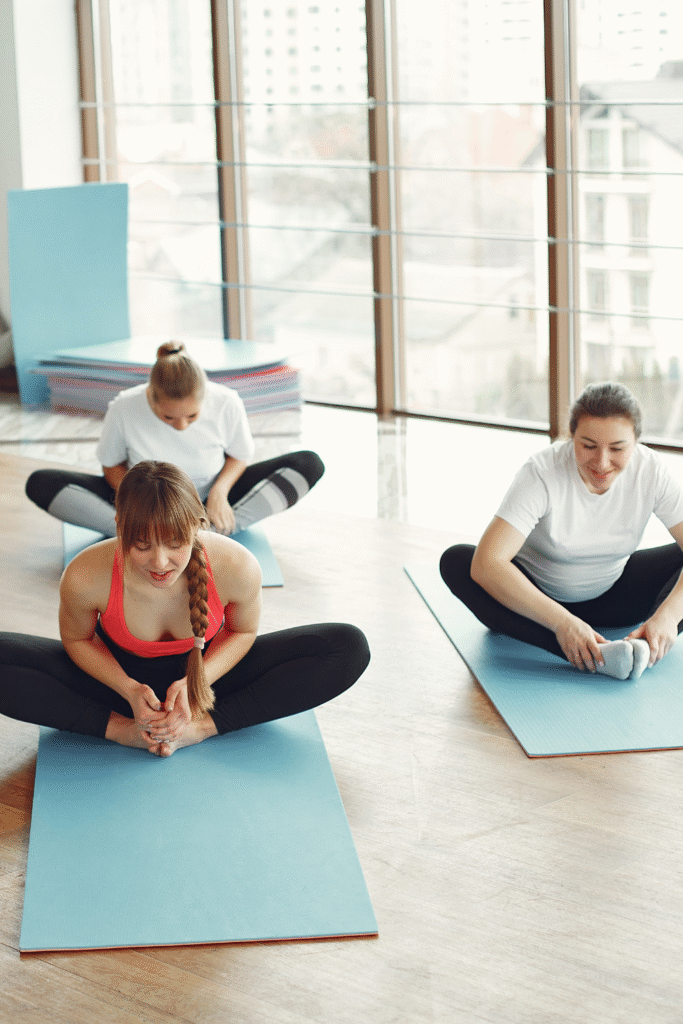
Movement is essential for maintaining physical wellness. Regular physical activity helps improve cardiovascular health, strengthens muscles, and enhances flexibility. Beyond these physical benefits, movement triggers the release of endorphins, which elevate your mood and reduce stress.
Exercise comes in many forms and doesn’t have to be an intimidating commitment. Whether you prefer walking, yoga, swimming, or strength training, incorporating movement into your daily routine is crucial. Aim for at least 150 minutes of moderate-intensity aerobic exercise or 75 minutes of vigorous activity weekly, as recommended by health professionals.
For those with sedentary jobs, even standing or stretching periodically can have a positive impact on physical wellness. Movement also promotes better posture, reduces the risk of chronic diseases, and helps maintain a healthy weight.
Creating variety in your activities is important. A combination of cardio, strength exercises, and flexibility training ensures all parts of your body are engaged. Start small if you’re new to exercise—light stretching or short walks can set the stage for greater activity down the road.

How Nutrition Fuels Physical Wellness
Nutrition acts as the fuel that drives physical wellness. A balanced diet provides your body with essential vitamins, minerals, and energy needed to function optimally. Good nutrition also aids digestion, supports brain function, and boosts your immune system.
A diet geared toward physical wellness should emphasize whole, nutrient-dense foods. This means eating fruits, vegetables, lean proteins, whole grains, and healthy fats while limiting processed foods and added sugars. Staying hydrated is equally important, as water supports numerous bodily functions, including temperature regulation and toxin removal.
Meal timing can also impact your energy levels and physical wellness. For instance, eating a balanced breakfast kickstarts your metabolism and prepares you for the day ahead. Smaller, frequent meals can help maintain steady energy levels throughout the day.
Portion control is another aspect of nutrition that can improve physical wellness. Eating the right amount ensures that your body gets the nutrients it needs without overloading the digestive system. Tools like food diaries or apps can help you track your habits and make better choices.

The Importance of Sleep in Physical Wellness
Sleep is often the overlooked third pillar of physical wellness. A good night’s sleep allows your body and mind to recharge, paving the way for better performance during the day. Poor sleep, on the other hand, can undermine even the healthiest diet and exercise routine.
During sleep, your body repairs tissues, strengthens the immune system, and regulates hormones that control appetite and stress. Consistently skimping on sleep can lead to weight gain, weakened immunity, and increased risk of chronic diseases. Aim for 7-9 hours of quality sleep each night to support physical wellness.
Establishing a bedtime routine can make it easier to get restorative sleep. Turning off screens an hour before bed, keeping the bedroom cool and dark, and avoiding heavy meals or caffeine in the evening can all promote better sleep.
Good sleep hygiene is a critical component of physical wellness, as it impacts your ability to focus, exercise, and make healthier dietary choices. If you struggle with sleep disorders or chronic fatigue, consulting a healthcare provider can provide tailored solutions.

Creating a Balanced Routine for Physical Wellness
Physical wellness is most effectively achieved by creating a routine that blends movement, nutrition, and sleep. Planning ahead is key—dedicate time each day to exercise, prepare wholesome meals, and prioritize sleep.
Start by setting clear, achievable goals. Whether your aim is to walk 10,000 steps daily or drink more water, small changes can lead to significant progress. Track your habits to stay accountable and identify areas for improvement.
Consistency is more important than perfection. Missing a workout or indulging in a treat doesn’t mean failing at physical wellness. The key is to get back on track and maintain a long-term perspective.
Make physical wellness enjoyable by choosing activities and meals you genuinely like. Social support can also make a big difference—exercise with friends or involve your family in meal planning to stay motivated and engaged.
Common Barriers to Physical Wellness and How to Overcome Them
Barriers such as lack of time, motivation, or knowledge can make physical wellness feel challenging. However, these obstacles can be overcome with practical strategies.
For time constraints, find opportunities to incorporate activity into your existing routine, like taking the stairs instead of the elevator. Meal prep on weekends can save cooking time during busy weeks, and short workouts can be just as effective as long sessions.
If motivation is the issue, focus on small, manageable goals that offer quick wins. Reward yourself for milestones, and don’t hesitate to seek encouragement from a workout buddy or community.

Example Table Highlighting Physical Wellness Components
| Component | Examples | Impact on Physical Wellness |
| Movement | Walking, yoga, strength training | Improves mood, muscle tone, and cardiovascular health |
| Nutrition | Fruits, vegetables, lean proteins | Supports energy levels and overall body function |
| Sleep | 7–9 hours of quality rest | Enhances tissue repair, mental clarity, and immunity |
10 FAQs About Physical Wellness
- What is physical wellness?
Physical wellness is maintaining your body’s health through habits like exercise, balanced nutrition, and sleep.
- How can I start improving physical wellness?
Begin small by incorporating regular movement, healthy meals, and prioritizing sleep into your routine.
- What exercises improve physical wellness?
Aerobic activities, strength training, and stretching are all beneficial.
- How much sleep do I need for physical wellness?
Aim for 7–9 hours of uninterrupted sleep per night.
- Can nutrition affect mental and physical health simultaneously?
Yes, a well-balanced diet impacts both mental clarity and physical energy levels.
- What role does hydration play in wellness?
Staying hydrated is vital for digestion, energy levels, and overall health.
7 How often should I exercise for optimal wellness?
It is recommended to engage in at least 150 minutes of moderate-intensity aerobic exercise or 75 minutes of vigorous activity each week, along with strength training exercises twice a week.
8 What are the signs of dehydration?
Common signs include dry mouth, fatigue, dizziness, dark-colored urine, and decreased urine output. Severe dehydration can lead to more serious health issues and should be addressed immediately.
9. Can stress impact physical health?
Yes, chronic stress can lead to physical problems such as headaches, high blood pressure, a weakened immune system, and other health concerns.
10.Is it okay to take rest days from exercise?
Absolutely. Rest days are essential for muscle recovery, helping to prevent injury and allowing the body to heal and grow stronger.