
Table of Contents
- Introduction
- What Is Cultural Appropriation in Wellness?
- Understanding the Impact of Appropriation
- Recognizing Examples of Cultural Appropriation in Wellness
- Why Intent Matters but Isn’t Enough
- How to Practice Cultural Appreciation
- The Role of Education in Avoiding Appropriation
- How to Support Authentic Cultural Representation
- Building a Respectful Wellness Practice
- FAQs About Cultural Appropriation in Wellness

Introduction
Wellness practices like yoga, meditation, and smudging have been embraced globally, but their roots are often overlooked or misused.
This misstep is commonly referred to as cultural appropriation. How can you enjoy the benefits of these practices without causing harm? That’s what this guide is all about.
By the end, you’ll learn how to distinguish between appropriation and appreciation.
We’ll discuss methods to enjoy wellness respectfully, understand cultural significance, and empower the origins of these traditions.
Key takeaway: It’s possible to thrive in your wellness practices while respecting the cultures from which they originate.
What Is Cultural Appropriation in Wellness?
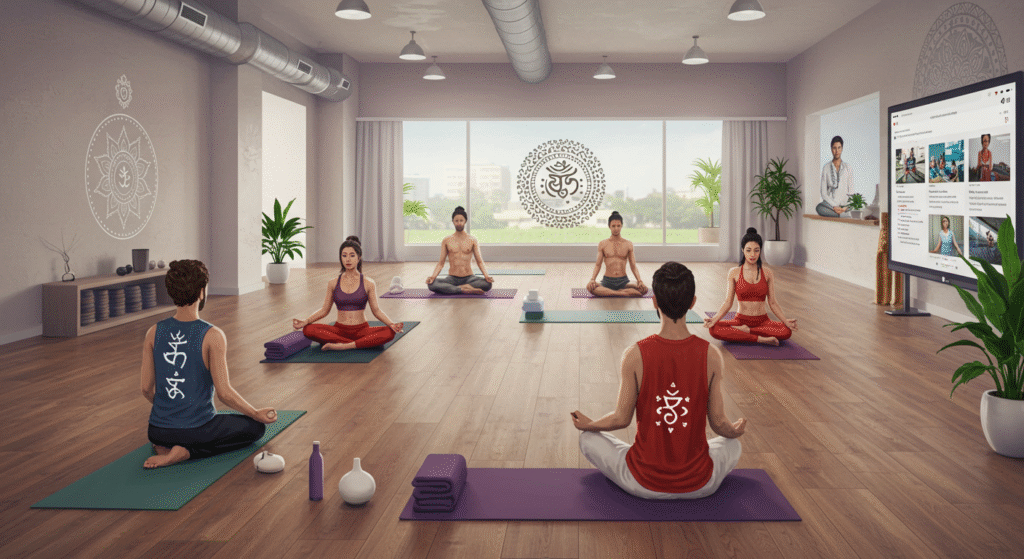
Cultural appropriation in wellness occurs when elements of one culture are taken, often out of context, without permission or understanding.
This is particularly harmful in wellness, where practices are often spiritual and deeply tied to cultural identity.
- Think of the mass commercialization of yoga in the West without acknowledging its Hindu or Indian origins.
- Appropriation reduces rich traditions into trends or aesthetics, stripping them of meaning.
- Wellness brands can profit off these practices without benefiting or giving credit to the source cultures.
- Examples include selling sacred items like dreamcatchers as décor or exploiting spiritual rituals like smudging.
- It leads to stereotypes and diminishes the true depth of these traditions.
- Communities affected by appropriation often feel disrespected and erased.
- Appropriation thrives in ignorance; many are unaware they are participating in it.
- Recognizing cultural roots helps to avoid harmful practices.
- Understanding what appropriation is starts the important shift toward awareness.
- Appreciation can only happen with proper context and respect.
Understanding the Impact of Appropriation
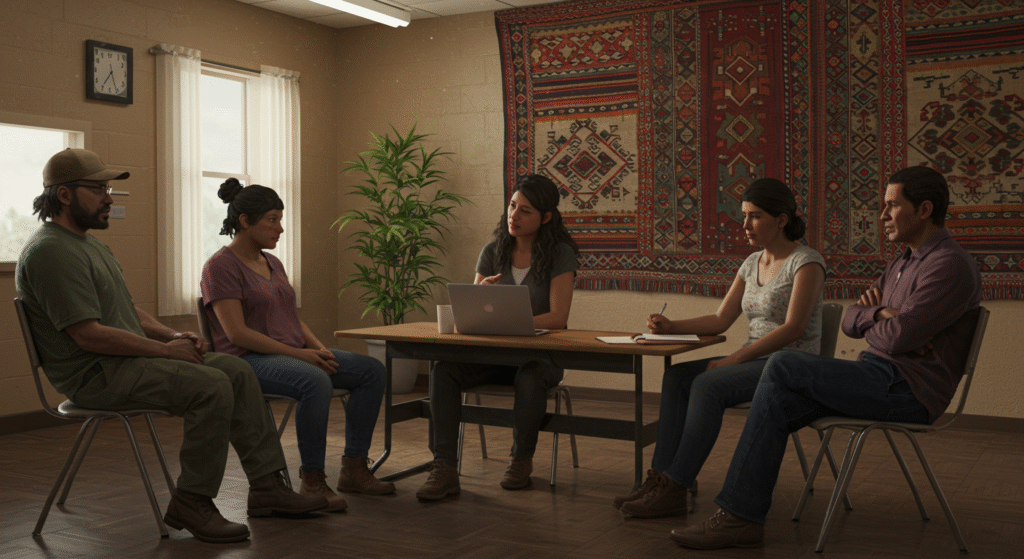
The consequences of cultural appropriation in wellness go far beyond personal habits; they affect entire communities and traditions.
- Misusing cultural practices erases the history and struggles of marginalized groups.
- It reinforces power imbalances, as dominant cultures profit while originating ones are sidelined.
- For example, Indigenous smudging practices have faced bans or ridicule, yet outsiders freely commercialize them.
- Appropriators often strip spiritual practices of their sacred context, turning them into commodities.
- This disrespect impacts the emotional well-being of those whose cultures are being exploited.
- Real harm occurs when diluted versions of traditions gain popularity, pushing authentic versions out.
- Generational knowledge passed through families risks losing its original essence.
- Many cultures see their identities tied to practices that are being misrepresented.
- Harm can be prevented by slowing down, researching, and listening to affected communities.
- To share wellness without harm, understanding appropriation’s long-term effects is critical.

Recognizing Examples of Cultural Appropriation in Wellness
Spotlighting real-world scenarios helps identify what appropriation looks like in action.
- Yoga classes advertised as purely fitness but ignoring its spiritual roots.
- Using “Namaste” decoratively, without understanding its deep Indian cultural significance.
- Burning white sage as a trend, a practice sacred to Native American ceremonies now endangered.
- Adopting bindis or Indigenous headdresses as festival fashion without meaning.
- Retailers selling “spiritual” items, like crystals or malas, without ethical sourcing.
- Renaming or “rebranding” traditional wellness techniques to appeal to Western consumers.
- Copying cultural rituals, like cacao ceremonies, as novelty experiences.
- Mispronouncing or mocking terms tied to sacred traditions.
- Ignoring the ongoing struggles of marginalized groups while benefiting from their cultures.
- Each move away from authenticity increases the divide between respect and exploitation.
Why Intent Matters but Isn’t Enough
Good intentions alone don’t absolve cultural appropriation in wellness, no matter how unaware someone might be.
- Many feel their love for a culture should automatically validate their actions.
- Intent doesn’t erase the harm caused or undo generational pain.
- Cultural context creates meaning—intent without understanding is shallow.
- Harm often stems from ignorance, not overt malice.
- Communities receiving disrespect may view your actions differently than you intended.
- For example, non-Indigenous people profiting from sacred rituals may feel harmless to them but exploitative to others.
- Listening to marginalized voices matters more than claiming innocence.
- Accountability begins by recognizing that harm can occur unintentionally.
- Research is vital to understanding whether your actions help or hurt.
- True respect comes from aligning your intent with informed decisions.
How to Practice Cultural Appreciation
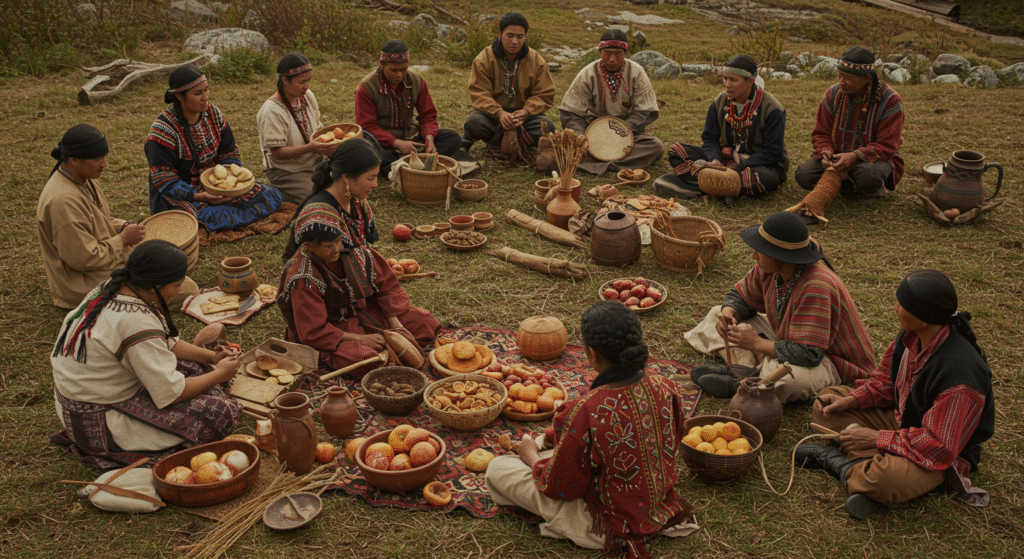
Cultural appreciation involves honoring and learning about a culture in ways that contribute positively to the community.
- Educate yourself before engaging in wellness practices tied to specific origins.
- Support artisans, teachers, and practitioners from the culture, providing fair compensation.
- Avoid imitation. Instead, find ways to respectfully incorporate practices without claiming ownership.
- Seek guidance from community leaders if you want to participate in rituals.
- Share the history of the practices you use to keep their significance alive.
- Use your platform to amplify voices from that culture.
- Advocate for protecting endangered practices, such as sustainable sourcing for smudging.
- Avoid stereotypes; don’t reduce traditions into clichés or oversimplified beliefs.
- Remember to give credit—acknowledge the people and roots behind your wellness practices.
- Question whether your actions build mutual respect or cause imbalance.

The Role of Education in Avoiding Appropriation
Education is the foundation of practicing wellness ethically and respectfully.
- Begin by deepening your knowledge about the culture tied to your wellness practices.
- Learn about the history, struggles, and significance behind sacred traditions.
- Approach legitimate educators and authentic sources rather than influencers or trends.
- Read books, attend workshops, and follow reputable leaders from those communities.
- Avoid assuming experts are credible without verifying their background or ties to the practice.
- Question what you see online—misinformation spreads easily in wellness spaces.
- Educating others in your community prevents further disinformation.
- Understanding colonization’s role in wellness appropriation unveils broader issues.
- Education doesn’t end—continue evolving your knowledge to ensure genuine respect.
- Respect grows when consumers take responsibility for learning rather than expecting to be taught.

How to Support Authentic Cultural Representation
Supporting the rightful owners of wellness practices ensures marginalized communities benefit from their heritage.
| Ways to Support | Why It Matters |
| Buy from authentic creators | Keeps cultural traditions alive and provides economic opportunities. |
| Attend cultural workshops | Offers firsthand insights and funds community-driven initiatives. |
| Amplify voices | Brings attention to underrepresented leaders in wellness fields. |
| Stand as an ally | Helps advocate for protecting endangered practices or traditions. |
| Correct misconceptions | Combat stereotypes by educating peers about respectful usage. |
| Stay informed | Awareness of current issues tied to cultural practices strengthens accountability. |
| Donate to projects | Supports preserving cultural rituals or restoring their resources. |
| Challenge brands | Hold companies responsible for profiting off cultures without fair compensation. |
| Respect boundaries | Avoid doing practices deemed inappropriate unless explicitly invited to learn. |
| Promote fairness | Ensure wellness spaces prioritize diversity, inclusion, and authentic teaching. |

Building a Respectful Wellness Practice
Creating ethical habits begins with conscious actions.
- Start with self-reflection—ask whether your wellness habits truly respect their origins.
- Credit and acknowledge the roots of the practices you engage with regularly.
- Commit to ongoing education so your mindfulness grows alongside your wellness.
- Whenever possible, choose products or classes led by cultural representatives.
- Focus on honoring practices, not reinventing or commercializing them.
- Be willing to step back if something feels exploitative after learning more.
- Share the importance of authenticity within your circles to spread positivity.
- Uplift and fund organizations working toward cultural preservation.
- Replace “trend-hopping” with deep, intentional engagement.
- Every small action builds a wellness space founded on inclusion rather than appropriation.
FAQs About Cultural Appropriation in Wellness
- What is cultural appropriation versus appreciation?
Appropriation is exploiting culture without respect; appreciation means learning, honoring, and giving back.
- Why is yoga often criticized for appropriation?
Yoga’s commercialization focuses on fitness, ignoring its deep spiritual roots in Indian culture.
- Is it wrong to burn white sage?
For non-Indigenous people, yes, as it disrupts sacred, endangered practices from Native cultures.
- How can I learn about a practice respectfully?
Seek educators or creators from the culture itself and avoid appropriative sources.
- Can cultural exchange avoid appropriation?
Yes, but only when done with mutual consent, respect, and recognition of context.
- Why are companies called out for cultural appropriation?
They profit off practices but exclude the contributions or struggles of originating cultures.
- Is using crystals cultural appropriation?
It depends on their cultural ties and sourcing—always verify before buying.
- How can I ask cultural questions without offending?
Approach with humility, do your research first, and respect unmet boundaries.
- Are there universal wellness practices?
Practices like mindfulness often transcend one culture, but always check origins.
- Does educating friends prevent appropriation?
Yes, sharing knowledge reduces ignorance and builds collective respect.
By taking these thoughtful steps, you can enjoy wellness that heals and uplifts without causing harm.