
Introduction
Imagine walking into a health store. You’re bombarded by countless products, each claiming to be the ultimate solution for your wellness needs.
How do you choose? The answer lies in trust. Trust determines whether you buy a product, recommend it to friends, or become a lifelong customer.
This is why authenticity and influence are the cornerstones of wellness marketing. Brands that build genuine connections create not only a loyal customer base but also a lasting impact.
This blog will explore why authenticity is vital in wellness marketing, how influence shapes purchasing behavior, and actionable tips for building trust.
Whether you’re a brand owner or a wellness enthusiast, the strategies outlined here will shed light on why genuine engagement matters more than overstated promises.
Get ready to uncover how authenticity and influence can redefine your marketing approach.
Table of Contents
- Why Wellness Marketing Needs Authenticity
- The Rise of Influencers in Wellness Marketing
- How Brands Can Establish Authenticity
- The Role of Social Proof in Building Trust
- Transparency as an Ally in Wellness Marketing
- Emotional Connections and Buyer Loyalty
- Common Pitfalls When Branding Wellness Products
- Authenticity vs. Overpromise—Knowing the Balance
- How Data Drives Influence in Wellness Campaigns
- The Future of Trust in Wellness Marketing

1. Why Wellness Marketing Needs Authenticity
Authenticity in wellness marketing goes deeper than buzzwords like “natural” or “eco-friendly.” It’s about alignment—ensuring that a brand’s ethos matches its claims. Consumers are wary of greenwashing and false advertising, especially in the wellness space, where trust and health intersect.
Genuine marketing connects with customers through transparency and integrity. For instance, brands that openly share their ingredient sourcing or debunk common industry myths often earn credibility. This is because authenticity resonates universally; people invest in brands they feel are honest and relatable.
Consider the funding surge in wellness start-ups like those focusing on organic skincare or plant-based diets. What sets them apart? Their authentic messaging. They simplify communication—“No artificial additives” sounds more trustworthy than “Scientifically proven formulas.”
Authentic branding also means acknowledging imperfections. A brand that admits challenges while committing to betterment often creates lasting loyalty. After all, who doesn’t appreciate the honesty?
Above all, authenticity influences decision-making. Consumers are three times more likely to buy from transparent brands. If trust is the currency, authenticity is the vault.

2. The Rise of Influencers in Wellness Marketing
Wellness influencers have ushered in a new era for marketing. From expert yoga instructors to nutritionists with thousands of followers, influencers foster trust organically by sharing their personal journeys.
Why do they work so well? Because influencers are perceived as relatable authorities. Their recommendations often feel more genuine than traditional advertising. For instance, someone sharing the benefits of collagen powder based on personal experience carries more weight than a lab-coat-clad spokesperson on TV.
However, not all influencers are created equal. Micro-influencers (followers of 1,000–50,000) typically drive higher engagement than macro-influencers. Their niche authority and stronger relationships often deliver better ROI for wellness brands.
Case studies abound. A plant-based protein shake brand collaborated with fitness influencers, resulting in a 45% sales spike. Why? Because influencers encouraged trial through their credibility.
The essence of influencer marketing lies in their authenticity. When collaborations are genuine, they amplify belief and intrigue in wellness products.

3. How Brands Can Establish Authenticity
Brands that build authenticity start from their core values. Here’s how to establish a foundation of trust within wellness marketing:
- Speak the truth: Do your products deliver the promised results? Never exaggerate claims.
- Stay human: A warm, conversational tone makes marketing approachable rather than pushy.
- Provide proof: Certification seals, clinical studies, and testimonials strengthen credibility.
- Engage authentically: Regularly interact with audiences across social channels with sincerity.
- Address concerns: Show you value feedback by solving issues in real-time.
A robust example includes Patagonia’s bold positioning on environmental responsibility. By sticking to transparent production practices, the brand demonstrates authenticity beyond marketing fluff.

4. The Role of Social Proof in Building Trust
Social proof is one of the strongest drivers of influence. Imagine reading glowing reviews of a supplement backed by raving testimonials. Doesn’t it immediately bolster your trust in that product? Social proof is impactful because consumers trust peers over brands.
Types of social proof that work for wellness marketers include:
| Type of Social Proof | Description | Examples |
|---|---|---|
| Customer Reviews | Written feedback from real users detailing their experience with the product. | Star ratings, written testimonials on websites, or customer stories. |
| Expert Endorsements | Support or recommendations from credible professionals in the field. | Doctors, nutritionists, or fitness trainers endorsing a wellness product. |
| Influencer Collaborations | Promotion through social media influencers who align with the brand values. | Influencers posting about using a supplement or wellness service. |
| Case Studies | Detailed success stories showcasing how the product improved someone’s life. | Before-and-after comparisons or client testimonials with measurable results. |
| Certifications and Badges | Verified marks to validate the product’s quality and compliance. | Organic certifications, Non-GMO badges, or third-party lab test results. |
| Social Media Engagement | Proof of customer interaction and satisfaction on social platforms. | High engagement on posts, positive comments, and user-generated content. |
This table outlines the primary types of social proof and how they can be used effectively to influence consumers in the wellness industry.

5. Transparency as an Ally in Wellness Marketing
Transparent communication builds trust by clearly outlining product ingredients, sourcing processes, and potential benefits. This openness allows customers to make informed decisions while reinforcing brand authenticity.
Transparency means being upfront about product details. Where do you source ingredients? How are your products made? Modern consumers demand to know the “why” and “how” behind wellness products they use.
Brands like The Honest Company thrive on transparency. Displaying certifications, detailing ingredient lists, and admitting flaws builds respect. Customers appreciate informed choices.
Transparency also applies to pricing strategies. There’s no shame in explaining cost. For instance, “Premium prices ensure certified organic ingredients.” Clearly communicated value inspires confidence.

6. Emotional Connections and Buyer Loyalty
Building emotional connections with customers fosters long-term loyalty.
Sharing relatable stories or aligning with causes your audience cares about can create a deeper bond.
To establish emotional connections and foster buyer loyalty, storytelling is a powerful tool.
Sharing the brand’s origin story, struggles, and triumphs allows customers to relate on a personal level.
Stories about how products have positively impacted real people’s lives can create a sense of authenticity and trust.
Highlighting relatable experiences helps buyers see the brand as more than just a business—it becomes a community or a cause they feel proud to support.
By connecting emotionally, brands can nurture long-term relationships and transform occasional buyers into loyal advocates.
Consistency is critical for emotional branding. Be on-point with voice and values across platforms. Loyal audiences stem from trust and connection.

7. Common Pitfalls When Branding Wellness Products
- Overpromising Results
Making exaggerated claims about your product’s outcomes can damage credibility and lead to customer disappointment. It’s essential to set realistic expectations and provide evidence-based proof where possible.
- Ignoring the Target Audience
Failing to understand and connect with your audience’s specific needs and values can result in ineffective messaging. Always research and consider their lifestyle, preferences, and challenges to create a relatable brand.
- Lack of Authenticity
Consumers value authenticity in wellness branding. Overly polished or insincere messaging can be off-putting. Showcase real stories, transparent practices, and genuine intentions to build trust.
- Neglecting Emotional Appeal
Wellness products are often tied to deeply personal goals. Brands that focus solely on functionality and ignore emotional resonance risk losing out on customer engagement and loyalty.
- Poor Visual Identity
A mismatched or unappealing visual identity can dilute your brand’s message. Ensure all elements, such as logos, colors, and packaging, represent the wellness values of harmony, calmness, or vitality.
- Failing to Deliver on Brand Promises
If the product or service doesn’t align with the promises made in branding efforts, customer trust erodes quickly. Quality and consistency must back up all claims.
Many brands struggle with authenticity. Key mistakes include over-promising benefits, hiding affiliations, or adopting inauthentic environmental claims. When consumers notice inconsistencies, trust erodes instantly.
Ensure clear labeling, regulated claims, and consistent communication to sidestep these issues. Double-check influencer collaborations as well—misalignments here can harm credibility.
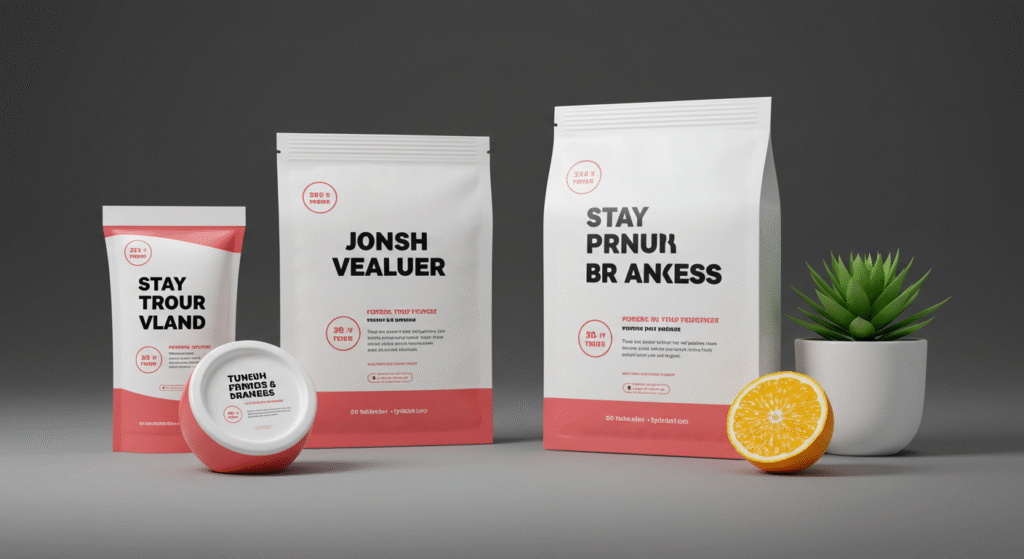
8. Authenticity vs. Overpromise—Knowing the Balance
- Transparency is Key: Clearly communicate your product’s ingredients, benefits, and sourcing. Consumers appreciate honesty and will stay loyal to brands that prioritize openness.
- Focus on Realistic Claims: Avoid exaggerating the effects of your product. Instead, back your claims with scientific evidence or testimonials to foster trust.
- Stay True to Your Brand Values: Ensure that every aspect of your branding— from your packaging design to your marketing tone— aligns with the core values your brand represents.
- Engage in Honest Marketing Practices: Avoid using buzzwords like “all-natural” or “organic” unless they are verifiable and supported by certifications. Misleading marketing can quickly backfire.
- Prioritize Genuine Connections: Partner with influencers and advocates who genuinely align with your brand’s mission, instead of focusing solely on their reach or follower count.
The heart of wellness marketing lies in promoting benefits without crossing ethical boundaries.
For instance, avoid claims like “Cures chronic back pain” unless thoroughly backed by FDA-approved studies.
Instead, focus on highlighting achievable outcomes to maintain long-term consumer trust.

9. How Data Drives Influence in Wellness Campaigns
- Leverage consumer behavior analytics to identify key demographics and tailor messaging for maximum engagement.
- Use A/B testing to refine campaign strategies and uncover what resonates most with the target audience.
- Monitor emerging trends through social listening tools to stay ahead in the competitive wellness market.
- Incorporate feedback loops within campaigns to continuously adjust and optimize based on performance metrics.
- Ensure data privacy and compliance with regulations to build trust and safeguard consumer information.
Analytics highlight actual lifestyle shifts influenced by your products.
Metrics like brand mentions, purchase trends, and wellness survey data anchor claims in measurable impact.
When brands showcase this data, they prove value while offering tangible takeaways.

10. The Future of Trust in Wellness Marketing
- Transparency will remain a key driver of consumer trust, with brands needing to openly communicate product ingredients, sourcing, and certifications.
- Personalization, supported by advancements in AI and data analytics, will allow wellness brands to tailor their offerings to individual needs, fostering deeper consumer connections.
- Collaborations with credible experts and influencers can enhance brand authenticity, provided these partnerships are grounded in integrity and shared values.
- Sustainability efforts, such as eco-friendly packaging and ethical sourcing, will play an essential role in building long-term consumer loyalty.
- Continued investment in research and development will empower brands to innovate while maintaining evidence-based claims.
Personalized wellness recommendations, ethical manufacturing, and deeper influencer partnerships define forward-looking authenticity.
The relationship-focused model supersedes hard-sell tactics.
Trusted brands craft solutions, not sales pitches.
Authenticity fuels resilience and sustainable growth, positioning wellness firms as guiding lights in today’s health-driven landscape.
FAQs
Q1. Why is authenticity crucial in wellness marketing?
Authenticity builds trust, which is essential in health-focused industries where relationships matter more than quick sales.
Q2. How does influence work in this space?
Influence fosters relatability, bridging the gap between personal experiences and brand engagement for authentic promotion.
Q3. What makes wellness brands lose authenticity?
Misleading claims, lack of transparency, or contradictory messaging harms credibility.
Q4. How can wellness brands maintain transparency?
Transparency can be maintained by sharing clear and accurate information about products or services, including sourcing, ingredients, and benefits, without exaggeration.
Q5. Why is community engagement important for wellness brands?
Community engagement strengthens trust and loyalty by creating a sense of belonging and fostering genuine connections with the audience.
Q6. How does sustainability impact wellness branding?
Sustainability reflects a brand’s commitment to environmental and social responsibility, aligning with consumer values and enhancing credibility.
Q7. What role does storytelling play in wellness marketing?
Storytelling humanizes a brand by sharing relatable experiences and journeys that connect emotionally with the audience.
Q8. How can wellness brands effectively use social media?
By prioritizing educational and inspiring content, engaging with followers authentically, and showcasing testimonials, brands can build a strong online presence.
Q9. What are common pitfalls in wellness marketing?
Overpromising benefits, using generic messaging, or neglecting audience feedback can undermine a brand’s reputation and trustworthiness.
Q10. How can wellness brands appeal to diverse audiences?
By celebrating inclusivity, avoiding stereotypes, and addressing varied needs, wellness brands can cultivate strong connections with a broader audience.
Strengthen trust, add value, and your wellness brand will not just survive but thrive in an authenticity-driven marketplace.