
Mind-body healing is more than just a wellness trend—it’s a holistic approach that acknowledges the deep connection between physical health, emotional balance, and mental clarity. For centuries, ancient practices such as meditation, yoga, breathwork, and visualization have demonstrated their ability to reduce stress, increase resilience, and even accelerate physical healing. Today, modern science is catching up, validating these techniques as effective tools for enhancing well-being.
This blog explores the power of mind-body healing, practical techniques you can integrate into daily life, and how these practices transform both health and happiness.
📑 Table of Contents
- Introduction to Mind-Body Healing
- The Science Behind Mind-Body Connection
- Benefits of Mind-Body Healing Practices
- Meditation and Mindfulness for Healing
- Yoga: Uniting Body, Mind, and Spirit
- Breathwork and Pranayama Techniques
- Visualization and Guided Imagery for Health
- Energy Healing and Spiritual Practices
- The Role of Nutrition in Mind-Body Balance
- Integrating Mind-Body Practices into Daily Life
- Final Thoughts on Mind-Body Healing
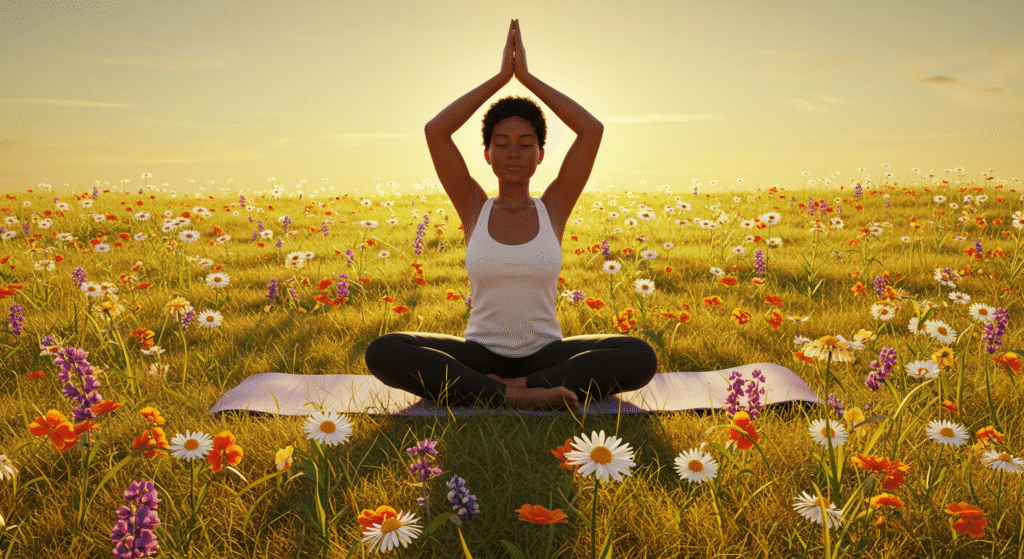
Introduction to Mind-Body Healing
Mind-body healing is based on the principle that our thoughts, emotions, and beliefs significantly influence our physical health. When the mind and body work in harmony, healing occurs naturally. Ancient traditions like Ayurveda and Traditional Chinese Medicine have long recognized this connection, while modern psychology and neuroscience provide scientific evidence today.
Key Points:
- Focuses on harmony between mind and body.
- Rooted in ancient healing traditions.
- Modern science supports its effectiveness.
- Reduces stress and improves resilience.
- Promotes physical and mental well-being.
- Accessible to people of all ages.
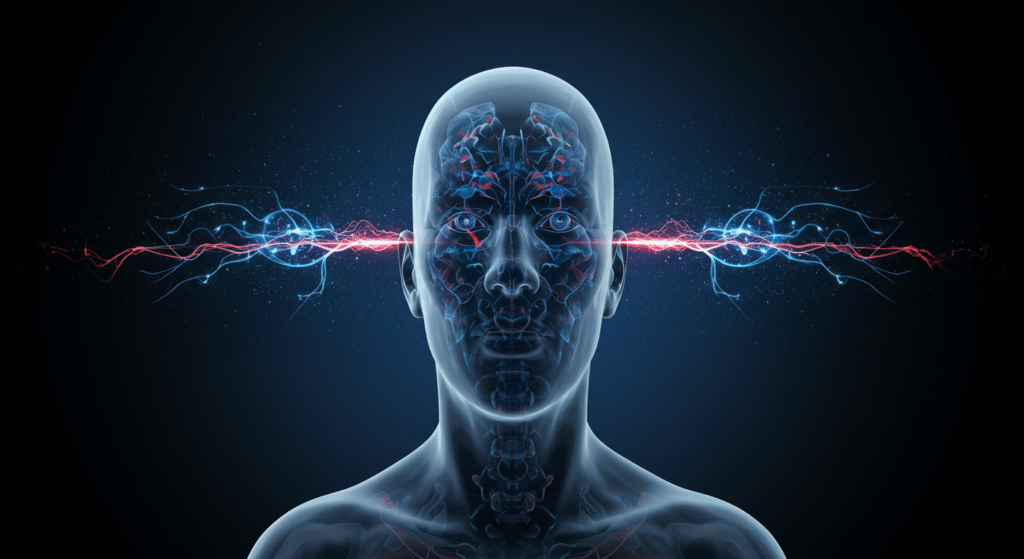
The Science Behind Mind-Body Connection
Scientific research shows that stress, anxiety, and negative emotions can weaken the immune system, while positive thoughts and relaxation improve healing.
The nervous system, endocrine system, and immune system are deeply connected—meaning emotional states directly impact physical health.
This understanding forms the basis for therapies such as biofeedback, cognitive behavioral therapy (CBT), and meditation-based interventions.
Key Points:
- Stress weakens immunity and increases disease risk.
- Positive emotions accelerate healing.
- Mind and body communicate through hormones and nerves.
- Brain plasticity adapts to mental practices.
- Biofeedback confirms measurable results.
- Proven by neuroscience and psychoneuroimmunology.

Benefits of Mind-Body Healing Practices
Practicing mind-body healing techniques consistently can transform overall well-being. They reduce stress hormones like cortisol, improve cardiovascular health, enhance emotional resilience, and bring balance to life. People who integrate these practices often report higher levels of energy, deeper sleep, and improved relationships.
Key Points:
- Reduces stress and anxiety.
- Strengthens immune function.
- Improves sleep quality.
- Boosts emotional resilience.
- Enhances energy and vitality.
- Supports healthier relationships.

Meditation and Mindfulness for Healing
Meditation and mindfulness practices are at the core of mind-body healing. They cultivate present-moment awareness, helping the mind quiet down while the body enters a state of deep relaxation. Research shows regular meditation lowers blood pressure, reduces chronic pain, and increases emotional clarity.
Meditation and mindfulness work by training the brain to shift from constant overthinking into a state of calm awareness. When practiced regularly, they rewire neural pathways, strengthening areas of the brain associated with focus, empathy, and emotional regulation.
Mindfulness helps individuals observe their thoughts without judgment, reducing the power of negative emotions and stress triggers. This calm state signals the body’s relaxation response, lowering blood pressure and heart rate while enhancing immunity.
Over time, meditation not only aids healing but also cultivates patience, compassion, and resilience—qualities that elevate both personal well-being and relationships.
Key Points:
- Reduces stress and promotes calmness.
- Helps regulate blood pressure.
- Improves focus and concentration.
- Supports chronic pain management.
- Enhances emotional awareness.
- Accessible through guided or self-practice.
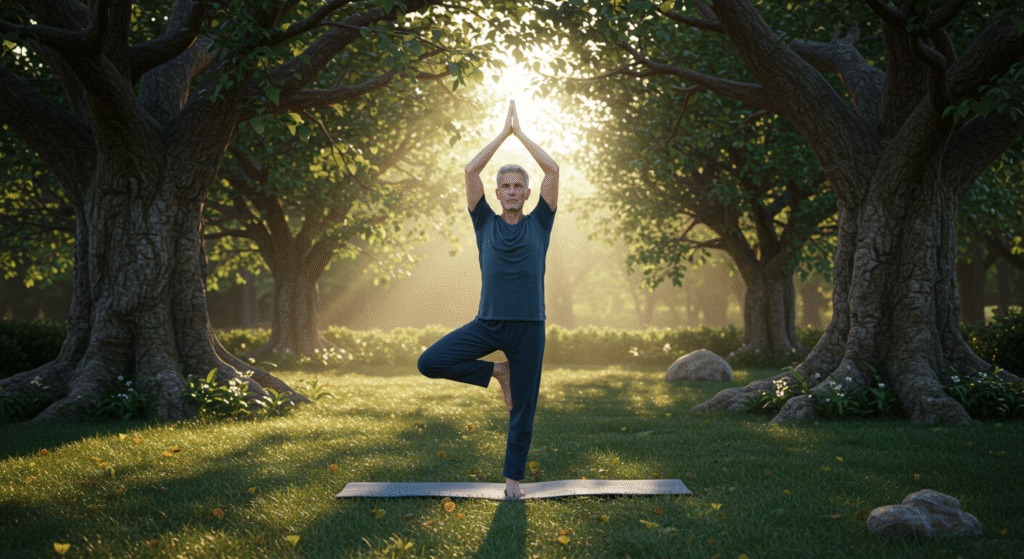
Yoga: Uniting Body, Mind, and Spirit
Yoga is a powerful combination of physical postures, breath control, and meditation.
Beyond flexibility, yoga harmonizes the nervous system, strengthens muscles, and improves blood circulation.
It creates balance between the mind and body while nurturing inner peace.
Beyond its physical benefits, yoga is also a spiritual discipline that connects individuals with a deeper sense of self-awareness and inner peace. The combination of postures, controlled breathing, and meditation activates the parasympathetic nervous system, reducing stress while improving emotional stability.
Many people find that yoga not only strengthens their bodies but also cultivates mindfulness, patience, and resilience in everyday life.
By practicing regularly, individuals create a balanced flow of energy that aligns body, mind, and spirit, making yoga a powerful foundation for holistic healing.
Key Points:
- Improves flexibility and strength.
- Balances nervous system function.
- Enhances circulation and metabolism.
- Supports emotional stability.
- Combines physical and spiritual growth.
- Suitable for all fitness levels.
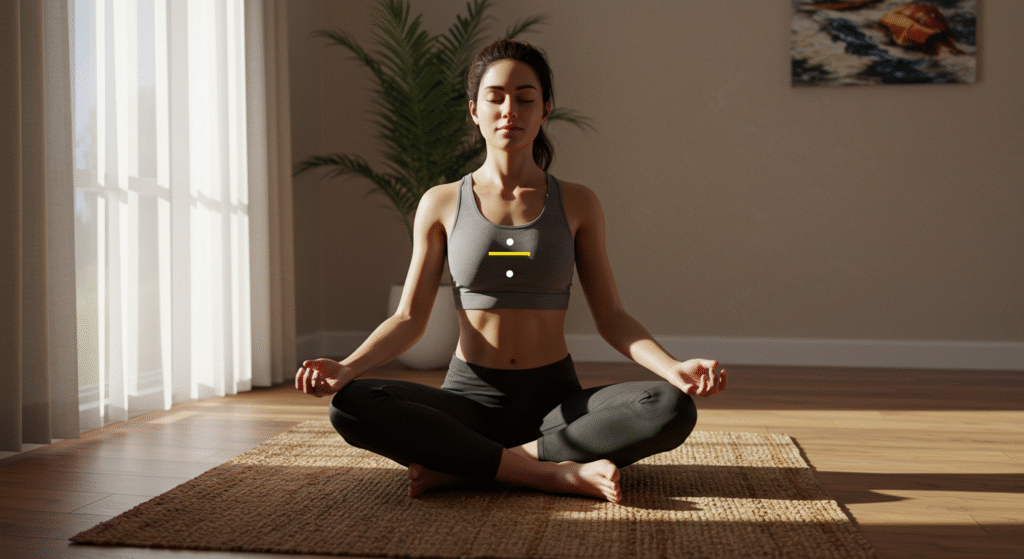
Breathwork and Pranayama Techniques
Breath is the bridge between the body and mind.
Breathwork practices such as pranayama in yoga or modern techniques like box breathing regulate the nervous system, oxygenate the body, and release stored stress.
Conscious breathing provides immediate relaxation and long-term health benefits.
Key Points:
- Regulates nervous system activity.
- Increases oxygen supply to cells.
- Reduces stress instantly.
- Improves lung capacity.
- Supports energy balance.
- Accessible anywhere, anytime.

Visualization and Guided Imagery for Health
Visualization involves imagining positive outcomes and healing scenarios, which influence the subconscious mind and body. Guided imagery is often used in hospitals to support recovery, reduce pain, and promote relaxation. When combined with affirmations, visualization becomes a powerful healing tool.
Key Points:
- Encourages positive mental states.
- Supports physical healing and recovery.
- Reduces pain perception.
- Enhances motivation and confidence.
- Strengthens immune response.
- Works well with affirmations.

Energy Healing and Spiritual Practices
Energy-based healing practices such as Reiki, acupuncture, and chakra balancing emphasize restoring the body’s natural flow of energy. These methods are increasingly integrated into holistic healthcare, complementing medical treatments and improving well-being.
Key Points:
- Restores energy flow and balance.
- Supports emotional healing.
- Complements traditional medicine.
- Reduces pain and fatigue.
- Enhances inner peace and clarity.
- Widely practiced globally.

Role of Nutrion for our Body
Food is not only fuel but also medicine for the mind and body.
Nutrient-rich diets improve mood, reduce inflammation, and stabilize energy levels.
Mindful eating—being present during meals—also strengthens the connection between body signals and mental clarity.
Key Points:
- Nutrient-rich diets support brain health.
- Reduces inflammation and disease risk.
- Stabilizes energy and mood.
- Supports immune function.
- Mindful eating improves digestion.
- Food directly impacts emotional balance.

Integrating Mind-Body Practices into Daily Life
Consistency is key in reaping the benefits of mind-body healing.
Small daily habits, like mindful breathing, stretching, or gratitude journaling, can create lasting transformation.
Building rituals around these practices ensures they become a natural part of life.
Key Points:
- Start with small daily rituals.
- Practice gratitude journaling.
- Include breathwork in breaks.
- Integrate yoga or meditation routines.
- Use apps for guided support.
- Be consistent for long-term results.

11. Final Thoughts on Mind-Body Healing
Mind-body healing is a journey of self-discovery, balance, and empowerment.
By practicing techniques like meditation, yoga, breathwork, and visualization, individuals unlock their body’s natural ability to heal.
These practices not only improve health but also cultivate peace, resilience, and joy.
Key Points:
- Mind-body healing empowers self-care.
- Combines ancient wisdom and modern science.
- Creates balance in health and emotions.
- Reduces stress and boosts vitality.
- Practices are accessible to everyone.
- Encourages lifelong wellness journeys.
📊 Detailed Comparison Table of Mind-Body Healing Techniques
| Technique | Focus Area | Benefits | Accessibility |
|---|---|---|---|
| Meditation | Mental clarity, calmness | Reduces stress, improves focus | Beginner-friendly |
| Yoga | Body-mind balance | Flexibility, strength, emotional peace | All fitness levels |
| Breathwork/Pranayama | Nervous system regulation | Stress relief, oxygenation | Can be done anywhere |
| Visualization | Subconscious healing | Pain relief, positive outlook | Guided/self-practice |
| Energy Healing | Energy flow balance | Emotional release, peace, vitality | Needs practitioner/DIY |
| Nutrition & Mindful Eating | Physical + emotional health | Improved mood, digestion, immunity | Daily lifestyle choice |
📖 Case Study: Transforming Health Through Mind-Body Healing
Background:
Sarah, a 38-year-old marketing executive, struggled with chronic stress, anxiety, and recurring migraines. Her high-pressure job and lack of work-life balance led to fatigue, irritability, and sleep issues. Conventional treatments provided only temporary relief, so she decided to explore mind-body healing practices.
Intervention:
Sarah began integrating small yet consistent practices into her daily life:
- Meditation: She started with 10 minutes of guided meditation each morning.
- Yoga: Twice weekly yoga sessions improved her posture and flexibility.
- Breathwork: She practiced box breathing during stressful meetings.
- Visualization: Before bedtime, she visualized herself healthy and calm.
- Nutrition: She adopted mindful eating habits, cutting caffeine and processed foods.
- Energy Healing: She tried monthly Reiki sessions to balance emotional stress.
Results (After 12 Weeks):
- Reduced migraine frequency by 70%.
- Significant decrease in stress and anxiety levels.
- Improved sleep quality (from 5–6 hours to 7–8 hours nightly).
- Reported feeling calmer, more focused, and emotionally resilient.
- Stronger immune response (fewer seasonal colds).
- Greater sense of balance between career and personal life.
Key Takeaways:
- Consistency is more important than intensity in mind-body practices.
- Small daily habits like breathing exercises can bring immediate calm.
- A holistic approach combining meditation, nutrition, and energy healing yields the best results.
- Mind-body healing supports—not replaces—medical treatment.
- Emotional resilience translates to professional confidence and productivity.
- Transformation requires patience but leads to lasting well-being.
❓ Top 10 FAQs on Mind-Body Healing
1. What is mind-body healing?
Mind-body healing is a holistic approach that uses the connection between mental, emotional, and physical states to promote health and well-being.
2. How does meditation help healing?
Meditation lowers stress hormones, promotes relaxation, improves focus, and supports the immune system.
3. Can yoga heal chronic illnesses?
Yoga supports chronic illness management by reducing inflammation, strengthening the body, and calming the mind, though it should complement medical care.
4. Is breathwork safe for everyone?
Yes, most breathwork practices are safe, but individuals with certain medical conditions should consult professionals before advanced techniques.
5. What is guided imagery used for?
Guided imagery helps manage pain, reduce stress, and support healing by visualizing positive outcomes.
6. Does energy healing have scientific support?
While evidence is growing, many report benefits such as reduced stress and improved emotional balance, often used alongside medical care.
7. Can nutrition affect mental health?
Yes, diets rich in omega-3, vitamins, and antioxidants improve mood, brain function, and emotional resilience.
8. How do I start practicing mind-body healing?
Begin with simple practices like deep breathing, short meditation, or gratitude journaling, then expand to yoga or energy practices.
9. How long before results appear?
Some practices bring immediate calm, while long-term benefits like improved immunity or emotional resilience require consistent practice.
10. Is mind-body healing a replacement for medicine?
No, it complements medical treatments, supporting overall health while enhancing recovery and well-being.
🌿 Conclusion
The power of mind-body healing lies in its ability to unite the physical, emotional, and mental dimensions of health. From meditation and yoga to mindful nutrition and energy practices, these techniques empower individuals to unlock their innate healing potential. By embracing these practices, we not only reduce stress and illness but also create balance, peace, and vitality in everyday life. Mind-body healing is not a quick fix—it is a lifestyle, a journey of transformation, and a path toward lasting well-being