
Wellness is not just about eating right or practicing mindfulness—it also depends on Physical Health and Movement.. In today’s world of long desk jobs, endless screen time, and busy schedules, physical activity often takes a back seat. However, movement is one of the most powerful tools to enhance physical health, mental clarity, and emotional balance. By engaging in daily activity, you can boost your energy, strengthen immunity, reduce stress, and even support spiritual alignment.
Bahlon, as a guide to wellness and energy alignment, teaches that the body is a vessel of energy flow. When we move, we keep that energy alive, balanced, and vibrant. This blog will explore the science and spirituality of physical health and daily movement—showing how you can create a lifestyle that supports your whole self.

Table of Contents
- The Connection Between Movement and Wellness
- Why Sedentary Living is Harmful
- Physical Benefits of Daily Activity
- Mental and Emotional Benefits of Movement
- Spiritual Growth Through Physical Health
- Types of Daily Movements for Wellness
- How to Build a Sustainable Movement Routine
- Common Barriers and How to Overcome Them
- Case Study: Transforming Life Through Daily Movement
- Practical Tips for Staying Active Every Day
- Table: Movement Types and Their Benefits
- Frequently Asked Questions (10)
- Final Thoughts

1. The Connection Between Movement and Wellness
Movement is the foundation of overall health. From the moment we wake up, our body is designed to be active. Our joints, muscles, and organs function optimally when we use them consistently. Daily activity improves circulation, oxygen intake, and metabolic processes, which in turn improve physical and emotional well-being.
Movement also influences mental health. Studies show that even light activity can reduce symptoms of depression and anxiety, improve focus, and boost happiness hormones like endorphins.
Spiritually, movement connects us to our life force energy. Bahlon explains that stagnation leads to energetic blockages, while movement restores flow.
Key Points:
- Movement is essential for body, mind, and spirit.
- It boosts circulation, oxygen, and metabolism.
- Improves mood and reduces stress.
- Supports mental clarity and focus.
- Prevents energy blockages.
- Strengthens overall wellness foundation.

2. Why Sedentary Living is Harmful
Modern lifestyles encourage sitting for long hours—whether at work, watching TV, or using devices. Sedentary living has been linked to obesity, diabetes, heart disease, and even shortened lifespans. Mentally, inactivity can contribute to stress, fatigue, and brain fog.
Spiritually, sitting too long can dull our energy flow, leaving us feeling disconnected. Our ancestors thrived on movement—walking, lifting, running, and exploring. To reclaim wellness, we must return to our natural state of activity.
Key Points:
- Sedentary living increases risk of chronic illness.
- Leads to obesity, diabetes, and heart disease.
- Weakens energy flow and vitality.
- Creates stress and fatigue.
- Increases brain fog and low mood.
- Disconnects us from natural rhythms.

3. Physical Benefits of Daily Activity
Daily physical activity brings countless benefits that go far beyond looking fit—it supports every system in the body. When you move consistently, your heart becomes stronger, circulation improves, and oxygen flows more efficiently throughout your body, giving you more energy and stamina.
Exercise also helps regulate weight, boosts metabolism, and keeps blood sugar levels in check, which lowers the risk of chronic illnesses such as diabetes and heart disease. Stronger muscles and bones from activities like walking, yoga, or strength training protect you from injuries and improve posture.
Daily movement also supports a healthier immune system, making it easier for the body to fight off infections. Even light activities, such as stretching or gentle yoga, increase flexibility, balance, and mobility—key factors in maintaining independence as we age.
In Bahlon’s perspective, these physical benefits are not just about health but also about keeping the body aligned with energy flow, allowing you to feel vibrant, resilient, and deeply connected to life.
Engaging in movement every day is like medicine for the body. Some of the physical benefits include:
- Improved cardiovascular health
- Better weight management
- Stronger muscles and bones
- Boosted immunity
- Increased flexibility and mobility
- Slower aging process
Research shows that even 30 minutes of moderate activity, like walking or yoga, significantly lowers the risk of chronic diseases.
4. Mental and Emotional Benefits of Movement
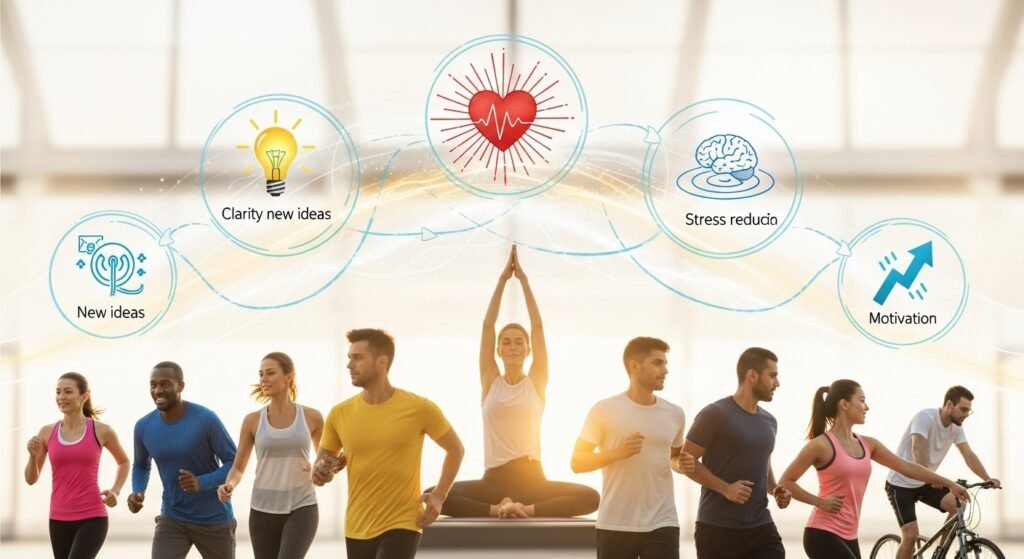
Daily activity isn’t just for the body—it’s also powerful for the mind. Movement improves blood flow to the brain, which boosts memory, focus, and creativity. It also triggers the release of endorphins and serotonin, which fight stress and depression.
Exercise also creates mental discipline. Following a routine helps build self-trust and resilience, which translates into other areas of life. Spiritually, mindful movement practices like yoga, tai chi, or walking meditation enhance inner peace and emotional stability.
Key Points:
- Movement reduces stress and anxiety.
- Enhances focus, creativity, and problem-solving.
- Releases “feel-good” hormones.
- Improves sleep and emotional regulation.
- Strengthens mental resilience.
- Promotes inner peace and balance.
5. Spiritual Growth Through Physical Health
In Bahlon’s teachings, the body is the temple of the soul. To nurture spiritual growth, we must honor our physical vessel. Physical activity purifies energy pathways, making it easier to connect with higher consciousness.
Practices like yoga, qigong, or mindful walking integrate body, mind, and spirit. Movement raises vibration, making us more receptive to intuition and spiritual alignment. When we care for our bodies through activity, we also express gratitude for the gift of life.
Key Points:
- Physical health creates the foundation for spiritual alignment.
- Movement clears energetic blockages in the body.
- Practices like yoga and qigong unite body, mind, and spirit.
- A strong body supports emotional balance and intuition.
- Discipline in physical activity mirrors discipline in spiritual growth.
- Daily movement raises vibration and deepens soul connection.
6. Types of Daily Movements for Wellness
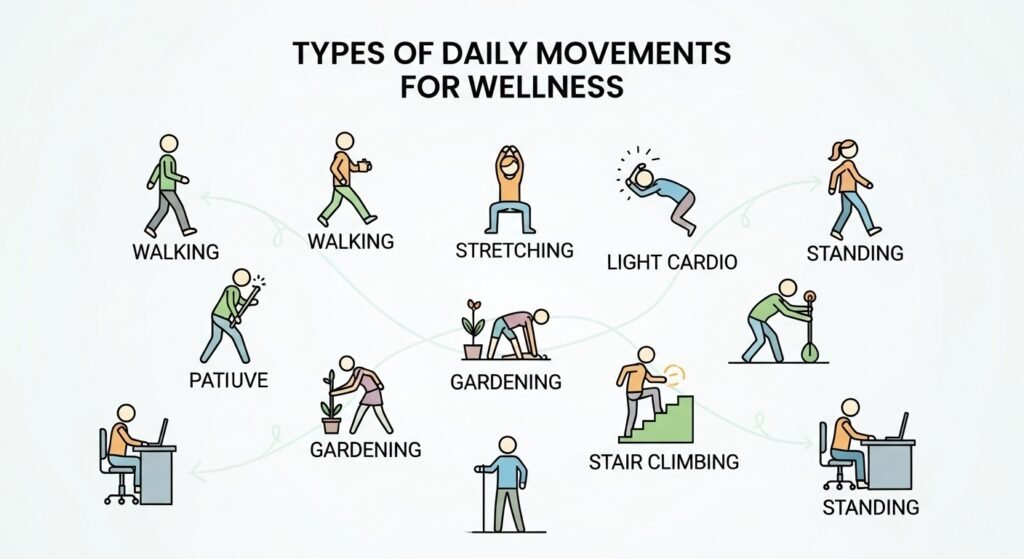
Wellness doesn’t require intense workouts at the gym—what truly matters is finding movements you enjoy and can practice consistently. Gentle activities like walking or stretching are excellent for beginners and provide powerful benefits for cardiovascular health, flexibility, and stress relief. Yoga combines mindful breathing with physical postures, creating harmony between body, mind, and spirit.
Strength training builds muscle and bone density, protecting against age-related decline, while swimming offers a full-body workout that is gentle on the joints. For those who crave fun and creativity, dancing is a joyful way to raise energy and release stress.
Even household chores, gardening, or playing with children count as meaningful movement.
Bahlon emphasizes that all forms of activity nourish energy flow, and when done with intention, they become not just exercise but a spiritual practice.
The key is to choose activities that align with your lifestyle and bring you joy, so movement becomes a natural part of your daily rhythm.
There are many ways to stay active—formal workouts aren’t the only option. Choose activities that bring joy and fit into your lifestyle. Examples include:
- Walking – Low-impact, improves cardiovascular health.
- Yoga – Combines strength, flexibility, and mindfulness.
- Strength training – Builds muscle and bone density.
- Dancing – Fun, energizing, and mood-boosting.
- Swimming – Gentle on joints, strengthens full body.
- Stretching – Enhances mobility and reduces stiffness.
Each type of movement benefits the body differently but all contribute to overall wellness.
7. How to Build a Sustainable Movement Routine
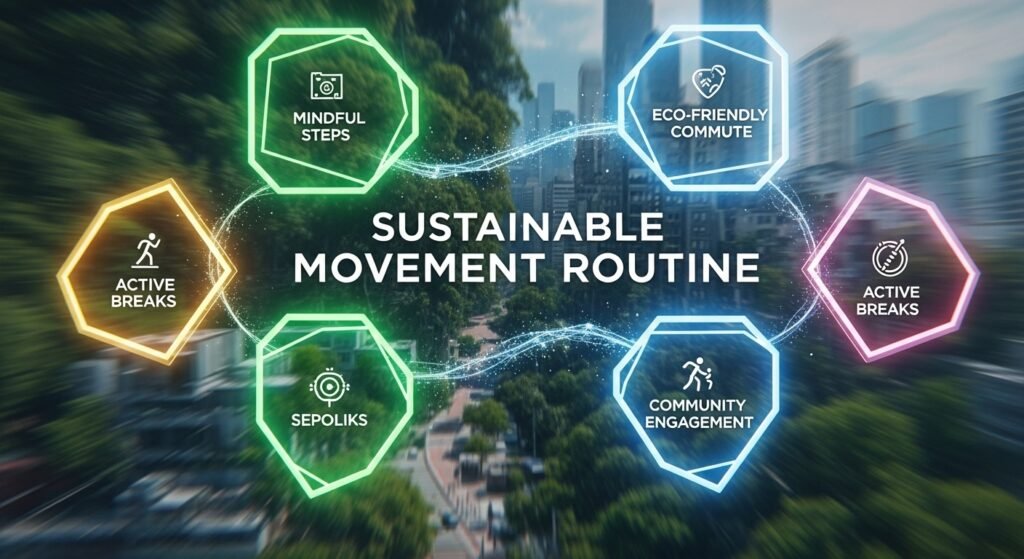
Creating a sustainable movement routine is less about pushing yourself to extremes and more about building habits that feel natural and enjoyable. Many people start strong but quickly lose motivation because their routine is too intense or unrealistic.
The secret is to begin with small, manageable steps—like 10 minutes of walking in the morning or gentle stretching before bed—and then gradually increase your activity level. Consistency is far more powerful than intensity because long-term wellness comes from repeated daily actions.
To stay motivated, schedule your movement just like an important appointment, pair it with activities you enjoy (like listening to music or podcasts), and celebrate small wins along the way. Rest days are also vital, giving the body time to recover and grow stronger.
Bahlon teaches that a balanced routine honors both the body’s need for action and its need for rest, creating harmony that supports physical vitality and spiritual alignment. When movement feels like a joyful ritual rather than a chore, it becomes a lasting part of your lifestyle.
Consistency matters more than intensity. Start with small, realistic goals and gradually increase your activity. For example:
- Take short walking breaks during work.
- Add 10 minutes of stretching before bed.
- Schedule workouts like important meetings.
- Combine social time with activity (walk with friends).
- Listen to your body and rest when needed.
- Celebrate small progress to stay motivated.
A sustainable routine is one that feels enjoyable rather than forced.

8. Common Barriers and How to Overcome Them
Staying active sounds simple, yet many people face barriers that make it challenging to maintain consistency. The most common obstacles include lack of time, low motivation, physical limitations, or the belief that exercise must be intense to be effective.
Busy schedules often lead people to skip movement, but even short sessions—like 10-minute walks or stretching breaks—can make a big difference. For those struggling with motivation, choosing enjoyable activities such as dancing, cycling, or gardening helps keep movement fun and sustainable.
Physical limitations can be managed with low-impact exercises like yoga, swimming, or chair workouts. Another barrier is all-or-nothing thinking, where missing one session leads to giving up entirely. Instead, it’s important to focus on progress, not perfection, and celebrate small wins.
Bahlon reminds us that movement is energy in action, and every step counts toward balance and wellness. By reframing activity as a source of joy and healing, barriers become opportunities for creativity and self-compassion.
Many people struggle to stay active due to time, motivation, or physical limitations. Here are solutions:
- Time constraints: Break movement into short sessions.
- Lack of motivation: Find activities you enjoy.
- Physical limitations: Choose low-impact exercises.
- Stress/fatigue: Use movement to re-energize.
- No access to gym: Use bodyweight exercises at home.
- Busy lifestyle: Incorporate activity into daily chores.
Remember, movement is flexible—it can fit into any life.
9. Case Study: Transforming Life Through Daily Movement
Ayesha, a 35-year-old teacher, felt exhausted and stressed from long working hours. She often sat for 10 hours daily and experienced frequent headaches. After learning about daily movement practices, she started with 15-minute morning yoga and evening walks.
Within two months, Ayesha noticed improved energy, fewer headaches, and better sleep. Her stress levels decreased, and she felt more emotionally balanced. Inspired, she gradually added strength training twice a week. Today, she feels vibrant, confident, and connected to her spiritual path.
Her story reflects Bahlon’s wisdom: daily movement restores balance, vitality, and alignment with higher self.

10. Practical Tips for Staying Active Every Day
- Set reminders to stretch every hour.
- Use stairs instead of elevators.
- Walk or cycle for short errands.
- Join group classes for accountability.
- Pair workouts with music or podcasts.
- Make activity a family ritual.
These small choices add up to a powerful impact on long-term wellness.
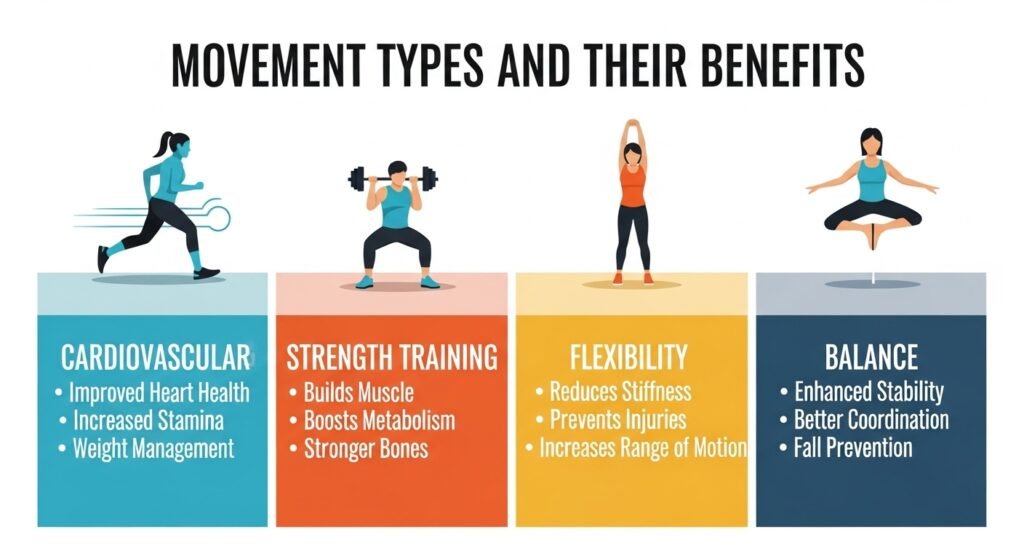
11. Table: Movement Types and Their Benefits
| Movement Type | Benefits |
|---|---|
| Walking | Boosts cardiovascular health, reduces stress |
| Yoga | Improves flexibility, supports mindfulness |
| Strength Training | Builds muscles, strengthens bones |
| Dancing | Lifts mood, enhances coordination |
| Swimming | Low-impact, strengthens entire body |
| Stretching | Improves mobility, reduces stiffness |
12. Frequently Asked Questions (10)
1. How much activity do I need daily?
Aim for at least 30 minutes of moderate movement, such as brisk walking.
2. Can short sessions of activity still help?
Yes, even 10–15 minutes of movement adds up throughout the day.
3. What’s the best exercise for beginners?
Walking, light yoga, or simple stretching are great starting points.
4. How does movement reduce stress?
It lowers cortisol levels and increases feel-good hormones.
5. Can daily movement improve sleep?
Yes, activity regulates your circadian rhythm and promotes deeper sleep.
6. What if I don’t have access to a gym?
Bodyweight workouts, walking, and home routines work just as well.
7. Can movement support spiritual alignment?
Yes—mindful practices like yoga connect body and soul energy.
8. How do I stay consistent?
Choose activities you enjoy and set realistic goals.
9. What if I have physical limitations?
Focus on gentle, low-impact activities suited to your condition.
10. Is it too late to start moving more?
Never! Movement benefits people at every age and stage of life.
13. Final Thoughts
Daily movement is a cornerstone of wellness. It strengthens the body, calms the mind, balances emotions, and deepens spiritual alignment. From simple walks to mindful yoga, every form of activity nourishes your energy and life force.
Bahlon teaches that when we honor our body through movement, we also honor our soul. Movement is not just exercise—it’s a spiritual practice that unlocks vitality, peace, and joy. 🌿