Table of Content
1. Why Nutrition is the Foundation of Wellness
2. The Healing Power of Whole Foods
3. Anti-Inflammatory Foods for a Healthier Body
4. Superfoods to Boost Energy and Immunity
5. Gut Health and Its Role in Healing
6. Hydration: The Overlooked Nutrient
7. Herbs and Spices as Natural Medicine
8. Balancing Nutrition for Mental and Emotional Wellness
9. Creating a Healing Foods Daily Routine
10. Case Study: Transformation Through Nutrition
11. Comparison Table: Healing Foods vs Processed Foods
12. Final Thoughts
13. Frequently Asked Questions (FAQs)
Introduction
Nutrition and healing foods are more than just a trend—they are the foundation of holistic wellness. Every cell in your body relies on nutrients to function, repair, and thrive. The foods you choose either heal or harm, energize or exhaust, balance or inflame.
In a world filled with processed, fast, and convenience-driven meals, turning back to nature’s healing bounty is the most powerful step toward health.
Nutrition and healing foods such as leafy greens, berries, whole grains, herbs, and clean proteins deliver vitamins, minerals, antioxidants, and anti-inflammatory compounds that restore balance.
As Bahlon teaches, the path to wellness begins with conscious choices that align your body, mind, and spirit with the energy of nature. This blog will guide you through the healing power of nutrition, practical steps to incorporate it into daily life, and the transformative effects it brings to physical, emotional, and spiritual health.

1. Why Nutrition is the Foundation of Wellness
Nutrition is the fuel that powers every system of the body. Just as a car cannot function without the right fuel, your body cannot perform at its best without nutrient-dense foods.
Healing foods provide macronutrients (proteins, fats, and carbohydrates) and micronutrients (vitamins and minerals) necessary for energy, repair, and prevention of disease.
Poor nutrition weakens immunity, accelerates aging, and contributes to chronic illnesses. Balanced nutrition, however, enhances vitality, clarity, and resilience.
Key Points:
- Proper nutrition fuels energy and performance.
- Strengthens immunity and prevents disease.
- Supports growth, repair, and healing.
- Balances hormones and mood.
- Boosts focus and productivity.
- Creates a foundation for lifelong wellness.

2. The Healing Power of Whole Foods
Whole foods—foods in their most natural, unprocessed state—contain healing compounds that nourish at a cellular level.
Fruits, vegetables, nuts, seeds, legumes, and whole grains provide fiber, antioxidants, and essential nutrients often stripped away in processed foods.
Unlike empty calories from refined snacks, whole foods protect your body against oxidative stress, reduce inflammation, and sustain long-term energy.
Key Points:
- Retain natural vitamins and minerals.
- Reduce toxins and chemical additives.
- Support digestion with high fiber.
- Deliver steady, sustainable energy.
- Lower risk of chronic illness.
- Enhance natural detoxification processes.
3. Anti-Inflammatory Foods for a Healthier Body
Chronic inflammation is called the “silent killer” because it is linked to heart disease, arthritis, diabetes, and even depression.
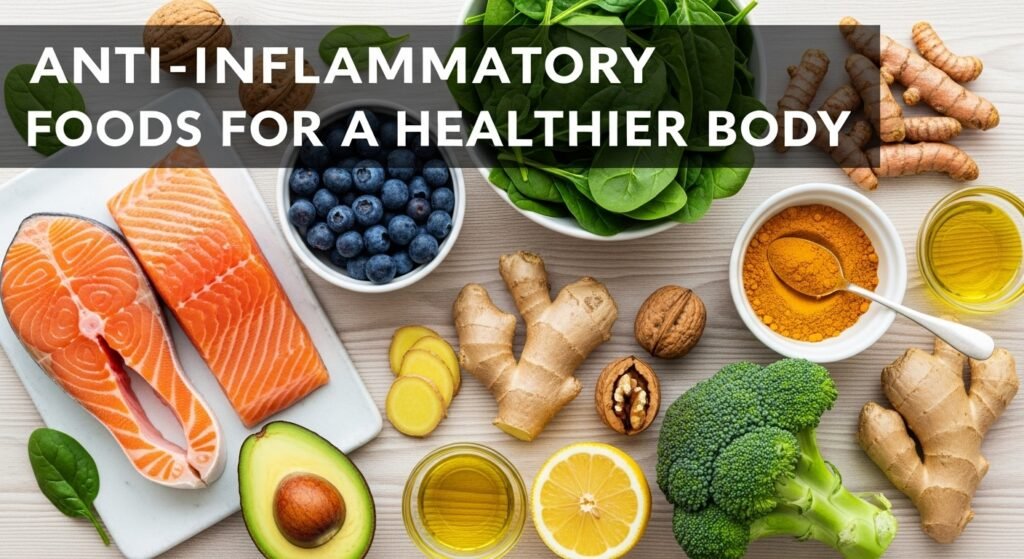
Healing foods like fatty fish, leafy greens, turmeric, olive oil, and berries fight inflammation naturally.
They neutralize free radicals, calm overactive immune responses, and restore balance in tissues.
Regularly consuming anti-inflammatory foods supports long-term vitality.
Key Points:
- Reduce chronic disease risk.
- Ease joint pain and swelling.
- Improve cardiovascular health.
- Support brain and memory function.
- Enhance recovery after exercise.
- Boost resilience to stress.
4. Superfoods to Boost Energy and Immunity
Superfoods are nutrient-dense ingredients that offer extraordinary health benefits.
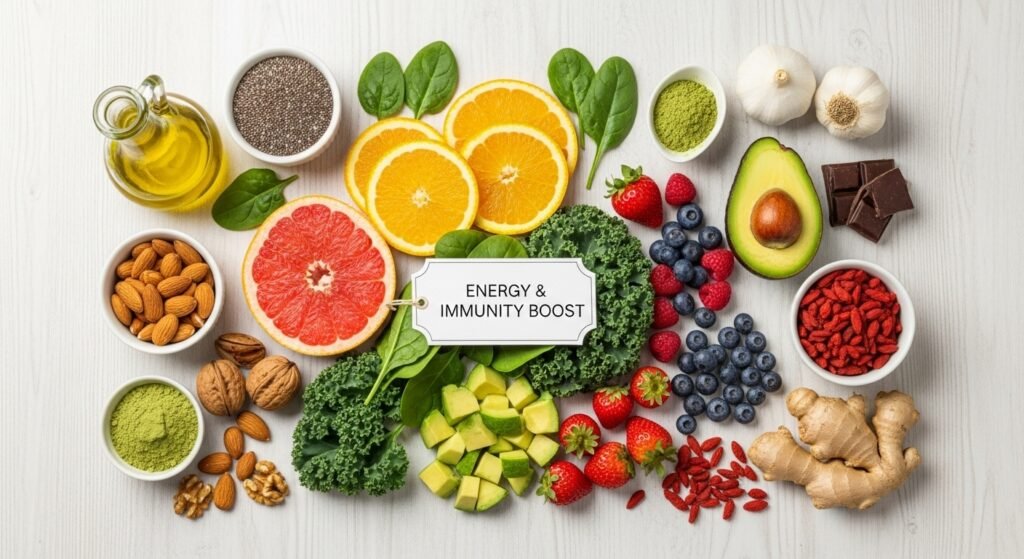
Blueberries, kale, quinoa, chia seeds, green tea, and turmeric are rich in antioxidants, omega-3s, and vitamins. They strengthen the immune system, enhance mental clarity, and provide clean energy without crashes.
Superfoods are not magic, but when consistently included, they amplify healing and wellness.
Key Points:
- Provide concentrated nutrition.
- Improve immune defenses.
- Increase physical and mental energy.
- Support skin health and anti-aging.
- Aid in detoxification.
- Enhance mood and emotional balance.
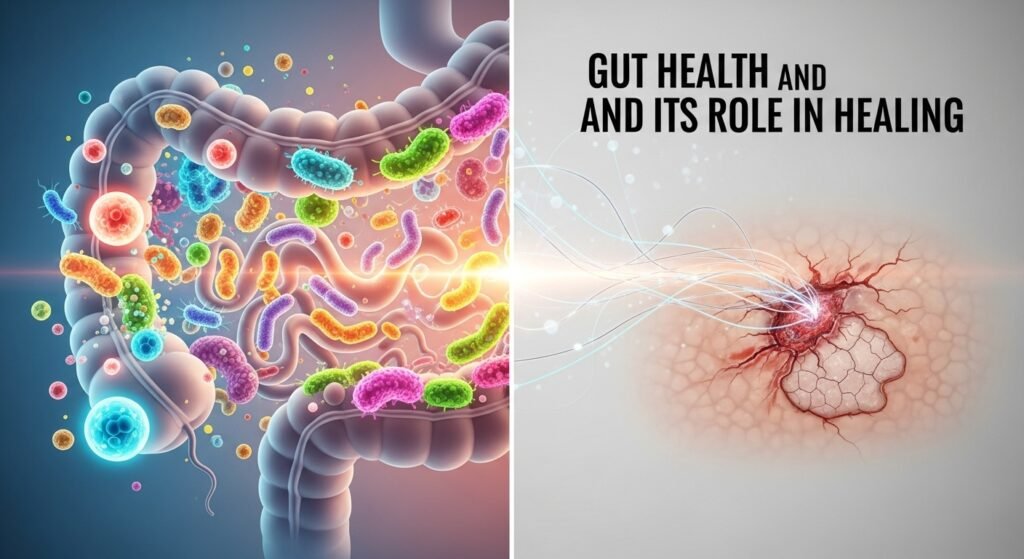
5. Gut Health and Its Role in Healing
Your gut is often referred to as the “second brain.” A healthy gut microbiome influences digestion, immunity, and even mood.
Healing foods like probiotics (yogurt, kefir, sauerkraut) and prebiotics (garlic, onions, bananas) balance gut bacteria, supporting absorption of nutrients and reducing inflammation.
Poor gut health leads to fatigue, bloating, and low immunity.
Key Points:
- Enhances digestion and absorption.
- Strengthens immune system.
- Regulates mood and mental clarity.
- Reduces digestive discomfort.
- Protects against harmful bacteria.
- Promotes long-term resilience.
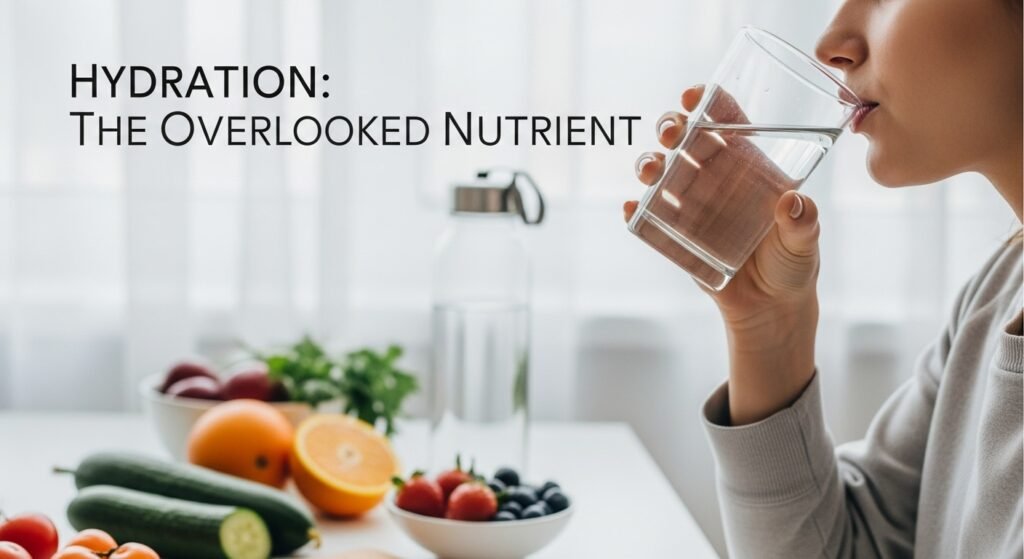
6. Hydration: The Overlooked Nutrient
Water is the foundation of healing.
Every organ, tissue, and cell relies on hydration to function properly. Dehydration leads to fatigue, headaches, and weakened immunity.
Healing hydration goes beyond plain water—it includes herbal teas, coconut water, and water-rich foods like cucumbers and melons.
Staying hydrated supports detoxification, digestion, and vibrant energy.
Key Points:
- Maintains cellular function.
- Flushes out toxins naturally.
- Improves skin health and elasticity.
- Regulates body temperature.
- Supports kidney and liver function.
- Prevents fatigue and brain fog.

7. Herbs and Spices as Natural Medicine
Herbs and spices are nature’s pharmacy.
Turmeric reduces inflammation, ginger soothes digestion, garlic boosts immunity, and cinnamon balances blood sugar.
Incorporating them into daily meals not only enhances flavor but also introduces powerful healing compounds that prevent illness.
Key Points:
- Provide antioxidant and anti-inflammatory properties.
- Strengthen immunity.
- Balance blood sugar and cholesterol.
- Support digestive health.
- Enhance circulation and metabolism.
- Offer natural, side-effect-free healing.

8. Balancing Nutrition for Mental and Emotional Wellness
Nutrition doesn’t just fuel the body—it shapes the mind. Foods rich in omega-3 fatty acids, B-vitamins, and magnesium regulate neurotransmitters that affect mood.
Dark chocolate, nuts, seeds, and leafy greens boost serotonin and dopamine, improving happiness and focus.
Avoiding refined sugar and processed foods helps reduce anxiety and mood swings.
Key Points:
- Improves focus and mental clarity.
- Reduces anxiety and stress.
- Supports restful sleep.
- Balances mood and emotions.
- Enhances memory and learning.
- Promotes emotional resilience.

9. Creating a Healing Foods Daily Routine
Consistency is key to reaping benefits from healing foods.
Simple strategies such as meal prepping, planning balanced meals, and mindful eating help integrate nutrition into daily life.
Start your day with a green smoothie, pack healthy snacks, and include healing herbs in meals.
Over time, these habits become a lifestyle.
Key Points:
- Prevents reliance on unhealthy choices.
- Builds sustainable eating habits.
- Reduces stress around food choices.
- Saves time and money.
- Improves overall diet quality.
- Creates long-lasting wellness routines.

10. Case Study: Transformation Through Nutrition
Maria, a 38-year-old teacher, struggled with fatigue, weight gain, and stress.
Her diet was filled with processed foods and sugary drinks.
After shifting to a nutrition plan focused on healing foods—adding more vegetables, whole grains, hydration, and herbs—she noticed profound changes.
Within three months, her energy increased, her digestion improved, and she felt more emotionally balanced.
Her story shows that nutrition isn’t just about weight loss—it’s about transformation from the inside out.
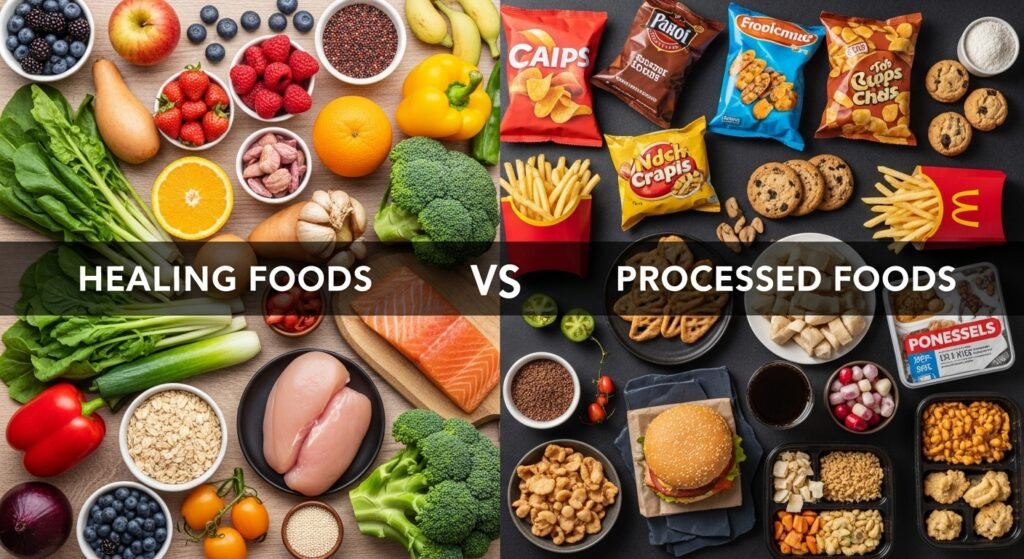
11. Comparison Table: Healing Foods vs Processed Foods
| Aspect | Healing Foods 🌿 | Processed Foods ❌ |
|---|---|---|
| Nutrient Quality | High in vitamins, minerals, antioxidants | Low nutrients, high empty calories |
| Energy | Sustained, steady energy | Energy spikes and crashes |
| Inflammation | Reduce inflammation | Trigger inflammation |
| Digestion | Support healthy gut microbiome | Harm gut bacteria |
| Emotional Wellness | Balance mood and mental clarity | Contribute to anxiety, stress |
| Long-term Health | Prevents chronic illness | Increases risk of disease |
12. Final Thoughts
Nutrition and healing foods are nature’s greatest tools for wellness. They don’t just nourish the body—they heal, balance, and energize every part of your being. By choosing whole, nutrient-dense meals and avoiding processed, harmful foods, you create a foundation of strength, vitality, and clarity. With each meal, you make a choice: to heal or to harm, to thrive or to survive. As Bahlon teaches, true wellness begins with alignment—when we align our food with nature, we align ourselves with our highest potential.

13. Frequently Asked Questions (FAQs)
1. What are healing foods?
Healing foods are natural, whole, nutrient-dense foods that support the body’s ability to repair, detoxify, and maintain balance. Examples include leafy greens, berries, fatty fish, nuts, seeds, and healing herbs like turmeric and ginger.
2. How do healing foods improve wellness?
Healing foods provide vitamins, minerals, antioxidants, and anti-inflammatory compounds that reduce oxidative stress, strengthen immunity, boost energy, and support both mental and physical health.
3. Are healing foods the same as superfoods?
Superfoods are a type of healing food, but not all healing foods are classified as superfoods. Superfoods like blueberries or chia seeds have exceptionally high nutrient density, while healing foods cover a broader range of natural, wholesome ingredients.
4. Can nutrition really reduce stress and anxiety?
Yes. Nutrients such as magnesium, omega-3 fatty acids, and B-vitamins regulate neurotransmitters in the brain. Eating whole foods like leafy greens, nuts, and oily fish can balance mood, reduce stress, and improve focus.
5. How do processed foods harm wellness?
Processed foods are often high in sugar, refined carbs, and unhealthy fats. They lack essential nutrients, cause inflammation, disrupt gut health, and may increase the risk of chronic diseases like diabetes, obesity, and heart disease.
6. What role does hydration play in healing?
Hydration is essential for every cell in the body. Water flushes toxins, regulates temperature, improves skin, supports digestion, and boosts energy. Healing hydration also comes from herbal teas, coconut water, and water-rich fruits.
7. How can I start adding more healing foods to my diet?
Start small—add leafy greens to your meals, swap soda for herbal tea, include nuts and seeds as snacks, and season dishes with healing herbs like turmeric, garlic, or ginger. Over time, these small steps become lasting habits.
8. Are healing foods suitable for everyone?
Yes, healing foods are safe for most people. However, individuals with food allergies or medical conditions should consult with a healthcare provider before making major dietary changes.
9. Do healing foods also support spiritual wellness?
Absolutely. Healing foods align the body with natural energy, creating harmony in body, mind, and spirit. Many spiritual practices view mindful eating as a form of nourishment for the soul as well as the body.
10. Can healing foods replace medicine?
Healing foods support the body’s natural healing, but they are not a replacement for medical treatment. Instead, they complement medicine by strengthening immunity, reducing inflammation, and supporting long-term wellness.