
Creating accessibility and inclusivity in wellness, practices is essential to ensure everyone, regardless of their abilities, backgrounds, or circumstances, can benefit from healing and personal growth.
This blog explores actionable ways to make wellness more equitable, with a clear focus on reducing barriers and promoting inclusivity.
Table of Contents
- Why Accessibility in Wellness Matters
- Identifying Barriers in Traditional Wellness Practices
- Creating Physical Accessibility
- Adapting for Diverse Financial Needs
- Respecting Intersectional Identities
- Digital Accessibility in Online Wellness Spaces
- The Role of Cultural Sensitivity
- Inclusive Marketing for Wellness Services
- Training Wellness Professionals for Inclusivity
- How Wellness Can Lead to Social Equity
- FAQs
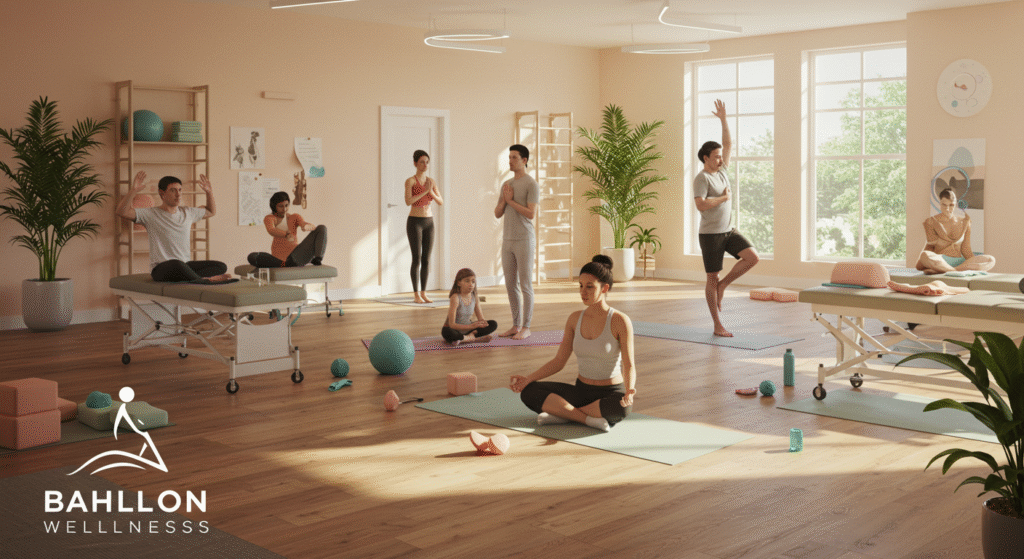
Why Accessibility in Wellness Matters
Accessibility ensures that individuals from all walks of life have equitable access to wellness offerings. Without it, healing practices often remain exclusive and perpetuate systemic inequalities.
- Wellness practices must cater to everyone, including users with disabilities, marginalized communities, and underserved populations, to foster inclusion.
- Lack of accessibility excludes people from essential mental, emotional, and physical health benefits, widening health equity gaps.
- Inclusion isn’t just ethical—it’s vital for creating vibrant, supportive communities where everyone can thrive.
- For example, yoga studios with inaccessible entrances exclude wheelchair users, making participation impossible for some.
- Inclusive wellness also considers less visible challenges, like sensory sensitivities or mental illness.
- Addressing accessibility broadens your audience, creating opportunities for deeper community engagement.
- Ensuring access leads to greater participation, which strengthens the credibility of wellness movements overall.
- Stakeholders, from individual practitioners to corporate wellness initiatives, must prioritize breaking down barriers.
- Wellness isn’t a luxury; it’s a basic human need that should be equitably shared.
- Shifting the focus toward accessibility removes unnecessary barriers, allowing meaningful change to emerge.

Identifying Barriers in Traditional Wellness Practices
Recognizing challenges in traditional wellness spaces is the first step toward building equity. Here are common barriers and their impacts on individuals.
- Physical limitations can deter participation, like stairs-only access or lack of adaptive equipment for people with mobility impairments.
- High-cost wellness services, such as private therapy or memberships, make healing inaccessible for those with financial constraints.
- Language and communication differences often exclude non-native speakers, minimizing their ability to engage fully.
- Cultural appropriation alienates Indigenous groups whose traditions are exploited without credit.
- Some spaces cater exclusively to able-bodied individuals, overlooking those with chronic illnesses or disabilities.
- Gender exclusivity, such as men-only or women-only classes, can create discomfort for nonbinary individuals.
- Digital platforms often ignore considerations like screen-reader compatibility or captioned content.
- Lack of diversity in wellness marketing can make certain groups feel unwelcome, perpetuating exclusion.
- Discrimination or microaggressions within certain communities can discourage participation.
- Practices inaccessible to neurodiverse users or those with sensory impairments fail to meet broader needs.
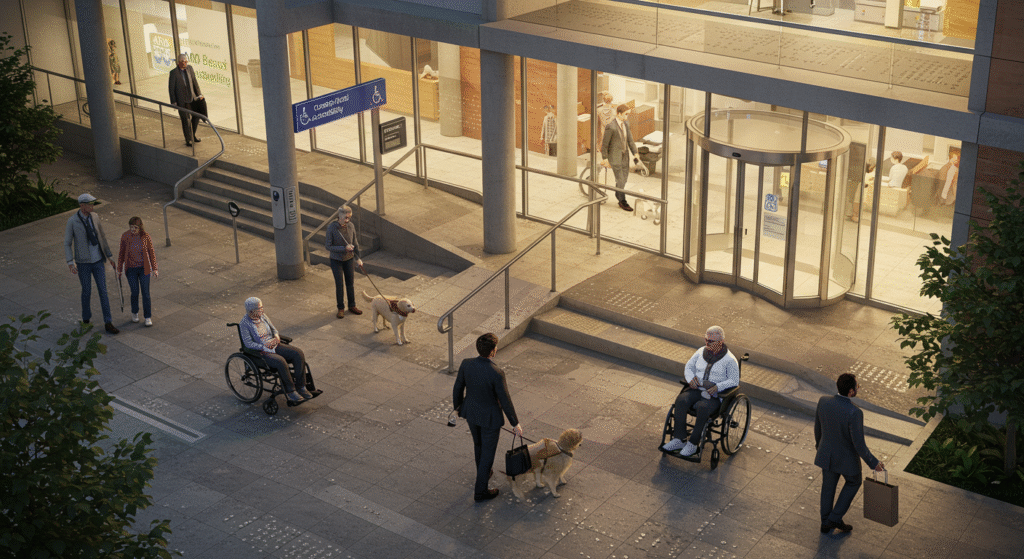
Creating Physical Accessibility
Physical accessibility directly impacts how equitable wellness spaces can be.
- Design facilities to accommodate wheelchair users, including ramps, elevators, and spacious layouts.
- Provide accessible changing rooms, restrooms, and equipment at gyms, yoga studios, and wellness centers.
- Use chairs or adaptable props for inclusive yoga or meditation practices that welcome all ability levels.
- Ensure clear, navigable walkways for individuals with mobility aids or visual impairments.
- Train staff to assist participants with physical disabilities respectfully and effectively.
- Allow flexible participation, such as virtual attendance for those unable to visit in person.
- Post clear, visible signage that accommodates individuals with visual impairments or reading difficulties.
- Avoid overstimulating environments that make spaces inhospitable for neurodiverse individuals.
- Maintain an awareness of emergency exits and safety standards, ensuring they accommodate all users.
- Work collaboratively with accessibility consultants to identify and remove obstacles.

Adapting for Diverse Financial Needs
Wellness shouldn’t be limited to those with disposable income. Offering equitable pricing structures can make a significant difference.
- Implement sliding scale pricing or pay-what-you-can models to accommodate low-income participants.
- Offer free or low-cost community classes periodically to reduce entry barriers.
- Programs funded through grants or donations can subsidize accessibility initiatives.
- Bundle services at discounted rates for holistic wellness packages that address multiple needs.
- Leverage online platforms for free content, like yoga sessions or guided meditations.
- Accept insurance for services like therapy or massage, broadening financial accessibility.
- Sponsor scholarships or giveaways to expand participation among underprivileged individuals.
- Collaborate with local governments or nonprofits for subsidized wellness programs.
- Provide tiered memberships so participants can choose according to their financial capacity.
- Inclusive pricing models ensure more individuals can experience the benefits of wellness interventions.

Table to Elaborate Accessibility Ideas
| Key Area | Steps for Inclusion | Example Applications |
|---|---|---|
| Physical Accessibility | Install ramps/elevators, remove barriers | Wheelchair ramps, wide doorways in yoga studios |
| Financial Accessibility | Sliding-scale pricing, subsidized classes | Free community meditation sessions |
| Digital Accessibility | Mobile-responsive websites, screen-reader support | Guided meditation apps with captions & translations |
| Cultural Sensitivity | Acknowledge tradition origins, avoid appropriation | Proper credit to Indigenous wellness practices |
| Training and Awareness | Educating staff on inclusivity | Sensitivity training for fitness instructors |
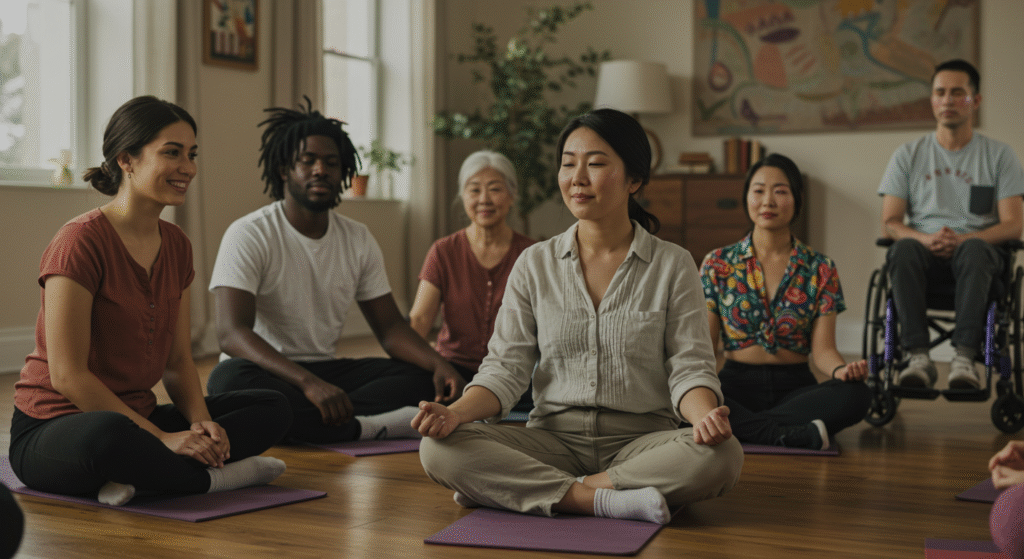
Respecting Intersectional Identities
To foster inclusivity, it is essential to recognize and respect the intersectional identities of individuals.
This involves understanding how overlapping factors like race, gender, sexuality, socioeconomic status, disability, and cultural background influence a person’s experiences in wellness spaces.
Wellness initiatives must strive to create environments that are welcoming to all, regardless of these intersecting identities.
For example, providing gender-neutral changing rooms and bathrooms ensures comfort for non-binary or transgender individuals.
Similarly, using affirming language that resonates with diverse communities shows respect and creates a sense of belonging.
It is also important to collaborate with and uplift voices from underrepresented groups in wellness industries.
This means involving diverse practitioners in leadership roles, highlighting their contributions, and avoiding tokenism.
Additionally, offering programs that address specific needs—such as trauma-informed sessions or accessible options tailored to diverse physical abilities—ensures that wellness practices are equitable and meaningful for everyone.
By actively respecting and addressing intersectional identities, the wellness community can foster a more inclusive, supportive, and empowering environment.
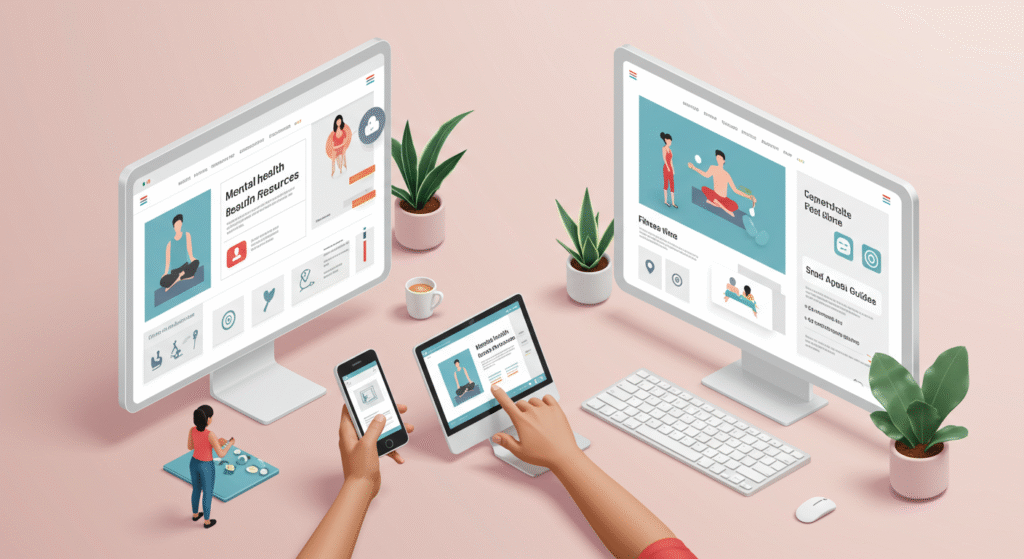
Digital Accessibility in Online Wellness Spaces
Ensuring digital accessibility in online wellness spaces is vital to creating an inclusive environment. Here are some key considerations:
- Provide Screen Reader Compatibility: Design websites and platforms that are fully compatible with screen readers, ensuring that visually impaired individuals can easily access content.
- Caption and Transcribe Audio/Visual Content: Include captions for videos and transcriptions for audio sessions to assist those who are deaf or hard of hearing.
- Use Accessible Design Features: Choose high-contrast text and background colors, scalable fonts, and simple layouts to enhance readability for individuals with visual impairments.
- Enable Keyboard Navigation: Ensure the platform can be navigated using a keyboard for individuals who cannot use a mouse.
- Offer Multiple Language Options: Provide content in various languages to make wellness resources accessible to non-native speakers.
- Test for Accessibility Standards: Regularly test the platform against recognized accessibility standards, such as WCAG (Web Content Accessibility Guidelines).
By implementing these measures, online wellness spaces can break down barriers and support diverse audiences, making resources available to everyone.
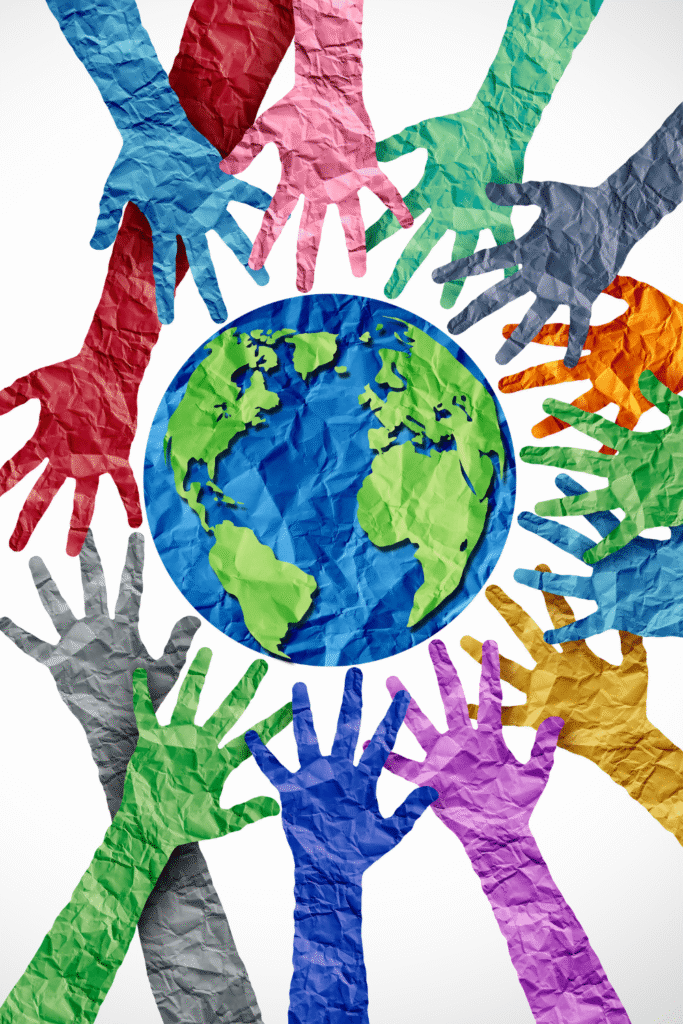
The Role of Cultural Sensitivity
Cultural sensitivity plays a vital role in creating inclusive and effective online wellness spaces. To ensure that platforms are culturally aware and welcoming, consider the following steps:
- Respect Cultural Practices: Incorporate culturally relevant practices, rituals, or traditions into wellness offerings to honor diverse backgrounds.
- Avoid Stereotypes: Use inclusive language and imagery in content that avoids reinforcing cultural stereotypes or biases.
- Engage with Cultural Experts: Collaborate with cultural representatives or experts to ensure that wellness initiatives are respectful and appropriately tailored.
- Offer Diverse Content: Provide a variety of wellness programs that reflect the traditions and preferences of different communities.
- Facilitate Cross-Cultural Understanding: Create resources or forums that encourage mutual learning and collaboration among participants from different cultural backgrounds.
By prioritizing cultural sensitivity, wellness spaces can foster a deeper sense of belonging and trust, ensuring that everyone feels seen, respected, and supported.
Inclusive Marketing for Wellness Services
Inclusive marketing is essential to ensure that wellness services resonate with a broad audience and create meaningful connections. Below are key strategies to enhance inclusivity in your marketing efforts:
- Represent Diverse Audiences in Campaigns: Use visuals, testimonials, and stories that reflect the diversity of your target audience, including different ages, ethnicities, body types, genders, and abilities.
- Use Accessible Language: Ensure that all marketing materials are written in plain, clear language and avoid jargon that may alienate or confuse potential clients.
- Offer Multilingual Options: Provide marketing content in multiple languages to reach non-English speaking communities and foster inclusivity.
- Highlight Diverse Benefits: Tailor your messaging to address the unique wellness needs of various groups, such as stress relief for busy parents, mobility support for seniors, or mental health resources for young adults.
- Collaborate with Cultural Leaders: Partner with community leaders or influencers who understand the cultural nuances of your audience to design marketing campaigns that resonate authentically.
- Ensure Equitable Access to Information: Use multiple platforms, including print, digital, and in-person outreach, to reach underserved populations that may not have easy access to technology.
- Gather Feedback: Actively seek input from diverse community members to understand their needs and refine your messaging to be more inclusive and impactful.
By incorporating these strategies into your marketing plan, wellness services can successfully connect with and support an expansive and varied customer base.
Training Wellness Professionals for Inclusivity
To ensure inclusivity in wellness services, it is essential to properly train professionals to meet the diverse needs of their clients. Here are some key strategies for effective inclusivity training:
- Cultural Competence Training: Provide education on cultural norms, values, and traditions to help professionals understand and respect the backgrounds of their clients.
- Addressing Implicit Bias: Facilitate workshops to recognize and overcome unconscious biases that may impact interactions with clients from different communities.
- Inclusive Communication Skills: Train professionals in using inclusive language and terminology to make all clients feel valued and understood.
- Adapting Programs for Accessibility: Offer guidance on modifying wellness programs to accommodate physical, sensory, or cognitive disabilities, ensuring everyone can participate.
- Continuous Education: Encourage ongoing learning through seminars, certifications, and resources focused on diversity, equity, and inclusion in wellness.
- Building Empathy: Incorporate role-playing activities or guest speakers to help professionals empathize with the challenges faced by marginalized groups.
- Feedback Integration: Teach professionals how to seek and implement feedback from clients about inclusivity practices to constantly improve their services.
By focusing on these areas, wellness professionals will be better equipped to foster a truly inclusive environment that welcomes and supports all individuals.

How Wellness Can Lead to Social Equity
Wellness initiatives can play a pivotal role in promoting social equity by addressing systemic disparities and creating inclusive spaces where everyone has the opportunity to thrive.
Below are some ways wellness can contribute to social equity:
- Affordable Access to Wellness Programs: Offer sliding scale fees or free workshops for underserved communities to ensure everyone can benefit from health and wellness services regardless of financial status.
- Cultural Competency Training: Provide wellness professionals with regular training on the cultural and social contexts of diverse populations to ensure sensitivity and relevance in their practice.
- Community Partnerships: Collaborate with community organizations, schools, and advocacy groups to bring wellness programs directly to populations in need, breaking down geographic and structural barriers.
- Representation in Wellness Leadership: Promote diversity in leadership roles within wellness organizations to ensure decision-making reflects the needs of a broad audience.
- Addressing Social Determinants of Health: Incorporate strategies to tackle root causes of inequity, such as education, housing, and food security, within wellness initiatives for a more holistic approach to health.
- Inclusive Wellness Spaces: Design facilities and programs that accommodate individuals of all abilities, gender identities, and cultural backgrounds, making wellness accessible to all.
By embedding these practices into the wellness field, professionals can actively contribute to a more equitable and just society while also meeting the diverse needs of their communities.
FAQs
- Why does accessibility in wellness matter?
Accessibility ensures that everyone can benefit from healing, fostering equity and inclusion.
- What are common barriers to wellness?
Financial constraints, physical limitations, and cultural insensitivity often limit accessibility in wellness.
- How can yoga studios be made more inclusive?
Studios can provide adaptive props, wheelchair access, and train instructors in inclusivity.
- What is cultural sensitivity in wellness?
It involves respecting cultural origins of healing practices and avoiding appropriation.
- What is intersectionality in wellness?
It reflects how overlapping identities, like gender, disability, and race, affect barriers to access.
- How can online wellness platforms improve?
By offering captioned videos, screen-reader compatibility, and multilingual content.
- What’s the role of inclusive marketing in wellness?
Representing diverse demographics in campaigns makes wellness feel open to all.
- How can pricing in wellness be more equitable?
Sliding-scale pricing, scholarships, and free resources expand participation.
- Why is diversity important in wellness teams?
Diverse teams bring varied perspectives, creating naturally inclusive environments.
- What actions can professionals take to promote equity?
Training, community partnerships, and proactive outreach help dismantle barriers.
Conclusion
By advancing accessibility and inclusivity in wellness, we create spaces where everyone feels welcome to heal and grow.
Actionable steps, from revising pricing structures to enhancing physical access, build a foundation for equitable wellness practices.
These aren’t just surface changes—they’re investments in a fairer, healthier future for all.