
Your body is more than flesh and bones—it is a sacred vessel that carries your mind, heart, and spirit through life’s journey. When you nurture it with intention, each choice you make can unlock strength, sustain energy, and restore inner peace. Seeing the body as a vessel of wellness transforms simple routines into rituals of self-love. With conscious daily habits, you can create harmony between physical vitality and spiritual balance, leading to a deeper connection with your true self.
Table of Contents
- Understanding the Body as a Vessel of Wellness
- Morning Rituals to Awaken Vital Energy
- Nourishing Foods that Support Mind-Body Harmony
- Mindful Movement for Strength and Flexibility
- Breathwork and Meditation for Inner Peace
- Restorative Nighttime Habits for Deep Rest
- Emotional Cleansing and Gratitude Practice
- Creating a Personalized Daily Wellness Plan
- Overcoming Common Challenges with Gentle Solutions
- Conclusion: Embodying Wholeness
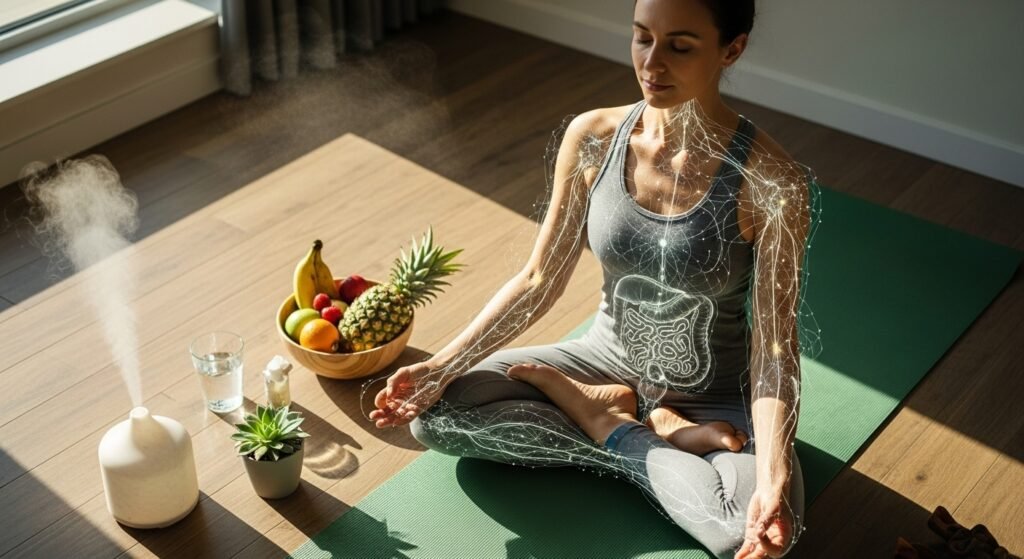
1. Understanding the Body as a Vessel of Wellness
Your body is not simply a machine to push through daily tasks but a sacred container for your soul and consciousness. Viewing the body as a vessel of wellness means treating it with care, respect, and mindfulness.
When you see it this way, small actions—like stretching, hydrating, or breathing—become spiritual practices. This perspective encourages you to listen to your body’s signals and respond with compassion.
Over time, you begin to realize that wellness isn’t only about the absence of illness, but about living with vitality, presence, and joy. Your vessel reflects how you nurture it, and when cared for, it supports every part of your journey.
- Recognize the body as a sacred temple of life
- Treat wellness as an integration of body, mind, and spirit
- Notice physical signals like fatigue or tension as guidance
- Celebrate the body’s ability to heal and adapt
- Connect self-care with spiritual growth
- Understand that honoring the body deepens inner peace
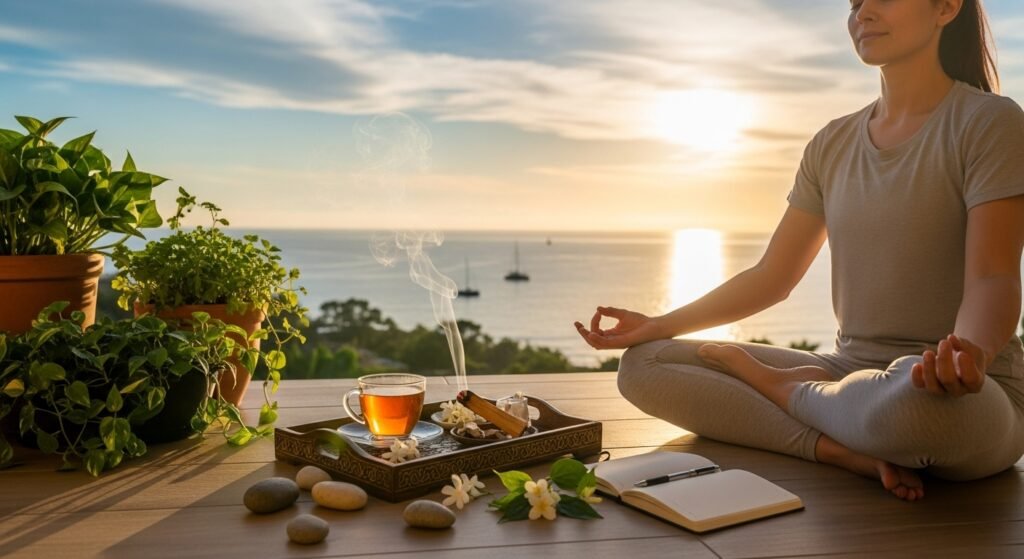
2. Morning Rituals to Awaken Vital Energy
The morning is the most sacred part of the day—a chance to align your energy with your intentions. By starting with rituals that honor the body as a vessel of wellness, you awaken vitality, improve focus, and set the tone for strength and peace.
A mindful morning reduces stress, boosts productivity, and cultivates gratitude. Rituals like hydration, movement, and affirmations not only energize your body but also remind you that each day is a new beginning.
Long-term, these practices condition your vessel for resilience and balance, helping you face challenges with clarity and calm.
- Drink warm lemon water to hydrate and cleanse
- Practice 10 minutes of yoga or stretching
- Meditate or use affirmations for calm focus
- Eat a balanced breakfast for sustained energy
- Spend time in sunlight to regulate circadian rhythm
- Avoid phones or news first thing in the morning
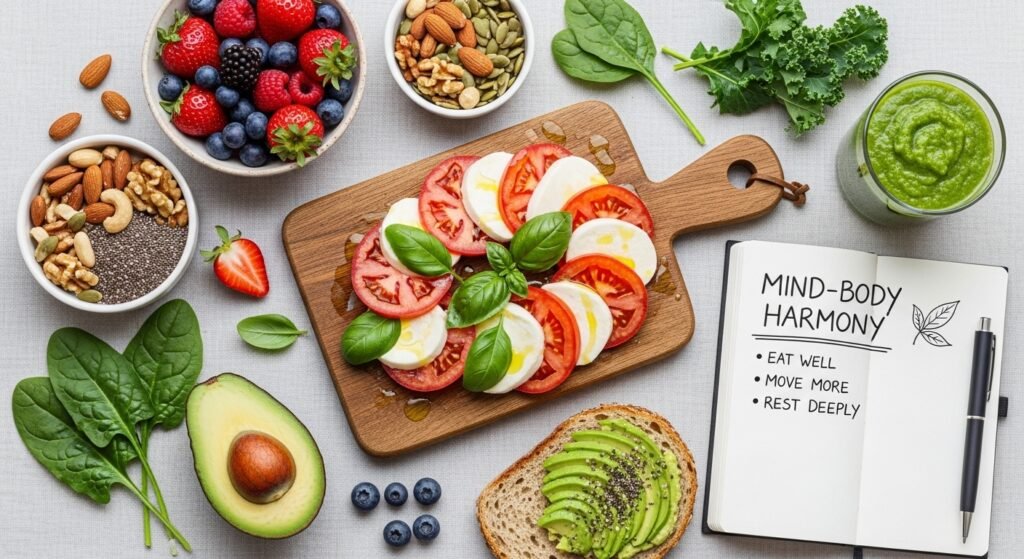
3. Nourishing Foods that Support Mind-Body Harmony
Food is more than fuel—it’s energy, medicine, and vibration. When you feed your body with whole, nutrient-dense meals, you nourish not just your cells but your spirit.
Choosing foods consciously allows you to align with the rhythm of nature and your body’s needs. By focusing on colorful vegetables, lean proteins, and whole grains, you build strength and mental clarity.
Over time, mindful eating reinforces the belief that the body as a vessel of wellness thrives when treated with respect.
Each bite becomes an act of self-love, reminding you that what you consume shapes how you feel, think, and live.
- Emphasize greens, fruits, and plant-based meals
- Include healthy fats for brain and heart support
- Eat seasonal, local foods when possible
- Limit processed sugar and artificial additives
- Practice mindful eating with slow chewing
- Stay hydrated with water and herbal teas
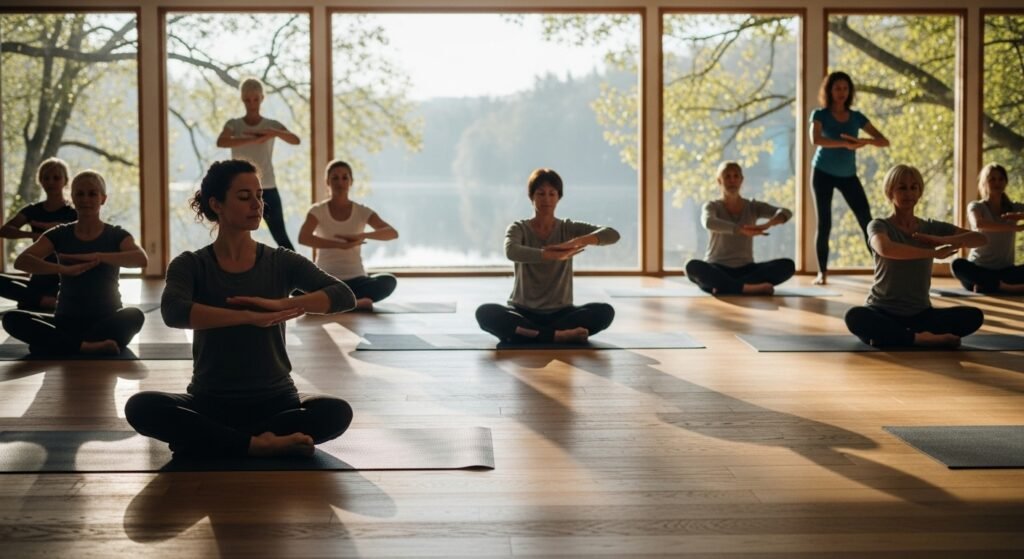
4. Mindful Movement for Strength and Flexibility
Movement is not punishment—it is a celebration of life. When you embrace exercise as mindful movement for vitality, you honor the vessel that carries you.
Regular physical activity strengthens muscles, improves circulation, and supports emotional balance. Practices like yoga, tai chi, or simple walking connect breath with motion, helping the body release tension and stagnant energy.
Movement also fosters resilience, flexibility, and joy, reminding you that your vessel was designed to flow, stretch, and express freedom.
When approached with mindfulness, even the smallest movements become meditations that align body, mind, and soul.
- Practice yoga or Pilates for flexibility and grounding
- Strength train to build endurance and confidence
- Walk in nature to connect with the earth’s rhythm
- Dance for joy and self-expression
- Try tai chi or qigong for gentle energy flow
- Respect rest days as part of strength building
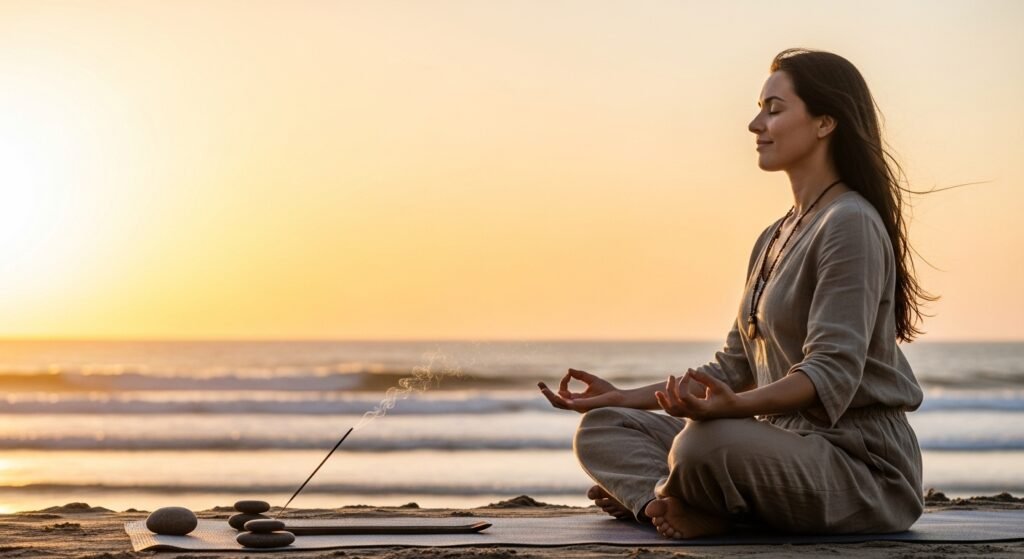
5. Breathwork and Meditation for Inner Peace
Your breath is the bridge between body and spirit. Through intentional breathwork and meditation, you calm the nervous system, release stored emotions, and create mental clarity.
The body as a vessel of wellness responds immediately to conscious breathing: heart rate slows, muscles relax, and energy begins to balance.
Pairing breath with meditation deepens awareness, aligning your inner and outer worlds. Over time, you cultivate a steady calm that anchors you even in chaos.
This practice transforms your vessel into a source of peace, resilience, and spiritual insight.
- Begin with 4-7-8 breathing to reduce anxiety
- Practice alternate nostril breathing for balance
- Meditate with a focus on gratitude or compassion
- Use guided meditations for focus and stress relief
- Take 5-minute breathing breaks during work
- Journal reflections after meditation sessions

6. Restorative Nighttime Habits for Deep Rest
Rest is as sacred as action. By practicing evening rituals for deep rest, you allow your vessel to recover, repair, and restore.
Good sleep strengthens immunity, improves memory, and balances hormones. A peaceful evening routine signals to your body that it’s time to release the day and enter a state of renewal.
By disconnecting from screens, lowering lights, and engaging in calm practices, you align your body with its natural circadian rhythm.
These habits help your vessel remain strong and energized for the journey ahead.
- Dim lights to signal winding down
- Avoid screens at least 30 minutes before bed
- Sip calming herbal tea for relaxation
- Practice gentle stretching or yoga nidra
- Write three things you’re grateful for
- Keep a consistent bedtime schedule

7. Emotional Cleansing and Gratitude Practice
Emotions are energy in motion, and when unprocessed, they weigh on your vessel. Emotional cleansing ensures that your body as a vessel of wellness remains light and vibrant.
Practices like journaling, forgiveness, and gratitude shift energy and create healing. Gratitude, in particular, reframes perspective, turning struggles into lessons.
Over time, emotional cleansing clears space for joy, peace, and compassion to flourish. By making this a daily practice, you honor both body and soul as interconnected parts of your vessel.
- Journal emotions without judgment
- Practice forgiveness meditations
- Engage in creative outlets like art or music
- Share feelings with trusted loved ones
- Write daily gratitude lists
- Celebrate even the smallest wins

8. Creating a Personalized Daily Wellness Plan
There is no one-size-fits-all path. To honor your body as a vessel of wellness, you must listen to its unique rhythms and needs.
A personalized wellness plan empowers you to choose habits that align with your energy, lifestyle, and goals. Tracking how food, movement, and rest affect you creates awareness.
Over time, you refine your plan to balance productivity with peace. Remember: your vessel is your guide, and your intuition is the compass.
- Identify peak energy times for productivity
- Blend physical activity with mental breaks
- Rotate meals for nutritional variety
- Schedule small wellness breaks throughout the day
- Keep a wellness journal to track patterns
- Adjust routines with flexibility and compassion
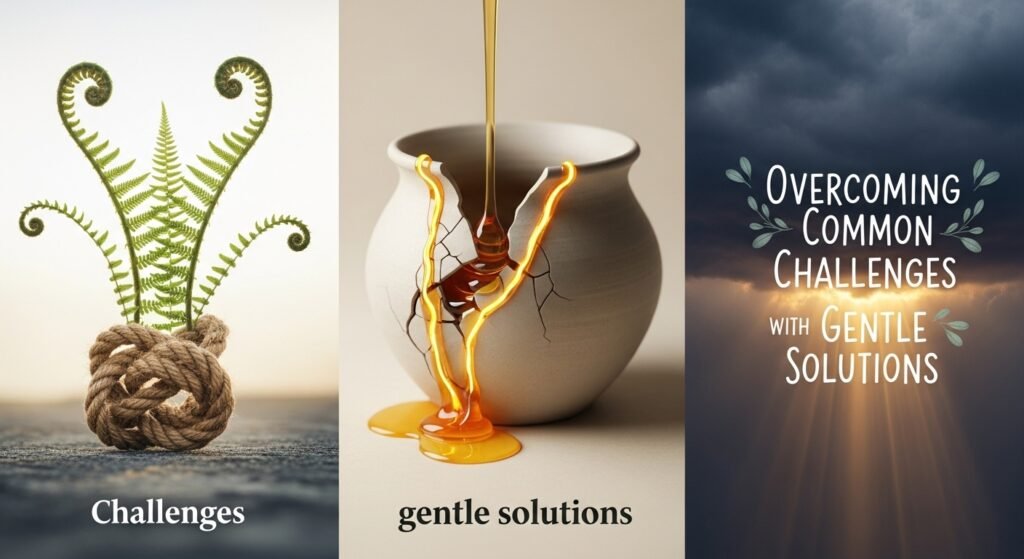
9. Overcoming Common Challenges with Gentle Solutions
Sticking to daily wellness habits isn’t always easy. Life’s demands, stress, and unexpected changes can disrupt routines.
Viewing the body as a vessel of wellness helps you approach these challenges with patience rather than guilt.
Instead of forcing perfection, focus on gentle solutions—small adjustments that keep you aligned without overwhelm.
This compassionate approach ensures that your vessel remains nurtured, even during difficult times.
- Use micro-habits when time is short
- Pair wellness practices with enjoyable activities
- Choose quick stress-relief techniques like deep breathing
- Focus on consistency, not perfection
- Allow flexibility during travel or illness
- Celebrate progress over rigid discipline
Table: Daily Habits for Strength, Energy & Inner Peace
| Time of Day | Habit | Purpose |
|---|---|---|
| Morning | Hydration + light stretching | Energize & awaken |
| Midday | Balanced meal & mindful break | Sustain energy |
| Afternoon | Movement or walk | Refresh focus |
| Evening | Gratitude journaling | Emotional cleansing |
| Night | Herbal tea + screen-free time | Rest & recovery |
10 FAQs about Body as a Vessel of Wellness
- What does “body as a vessel of wellness” mean?
It means treating the body as a sacred container that supports physical, emotional, and spiritual balance. - Why are daily habits so important?
They create consistent energy, resilience, and peace by supporting mind-body harmony. - What are examples of mindful morning rituals?
Stretching, hydration, affirmations, sunlight exposure, and tech-free time. - How does food affect wellness?
Whole, nutrient-rich foods provide energy, balance hormones, and support emotional stability. - Is movement necessary every day?
Yes, even light movement keeps energy flowing and reduces stress. - Can breathwork really create peace?
Absolutely—conscious breathing calms the nervous system and shifts emotions. - What’s the best evening habit for rest?
Screen-free time, journaling gratitude, and calming herbal teas prepare the body for sleep. - How do I handle wellness challenges?
By using micro-habits, flexible routines, and self-compassion. - Does gratitude practice impact the body?
Yes, gratitude lowers stress, improves sleep, and boosts overall well-being. - Can I personalize these habits?
Definitely—your body’s rhythms guide you to create a wellness plan that fits your life.
Conclusion: Embodying Wholeness
Seeing your body as a vessel of wellness is an invitation to live with reverence and intentionality. Every daily habit—whether a sip of water, a mindful breath, or a heartfelt stretch—becomes a spiritual act that strengthens, energizes, and soothes. By combining rituals of nourishment, movement, rest, and gratitude, you create a holistic rhythm that aligns your vessel with inner peace. True wellness isn’t about perfection, but about showing up with love for yourself each day. When you honor your vessel, you open the path to strength, vitality, and the serenity of a balanced life.