
Table of Content
1. Introduction: Why Emotional Balance and Mental Clarity Matter
2. Understanding the Connection Between Mind and Emotions
3. The Role of Stress in Mental Fog and Imbalance
4. Daily Habits That Support Emotional Balance
5. Nutrition and Lifestyle Tips for Mental Clarity
6. Mindfulness and Meditation Practices for Calm Focus
7. Movement and Physical Health’s Role in Clarity
8. Bahlon’s Perspective on Energy and Inner Balance
9. Case Study: How Small Habits Transformed Stress into Clarity
10. Practical Table: Habits for Emotional Balance vs. Mental Clarity
11. Final Thoughts and Key Takeaways
🙋 10 Frequently Asked Questions (FAQs)
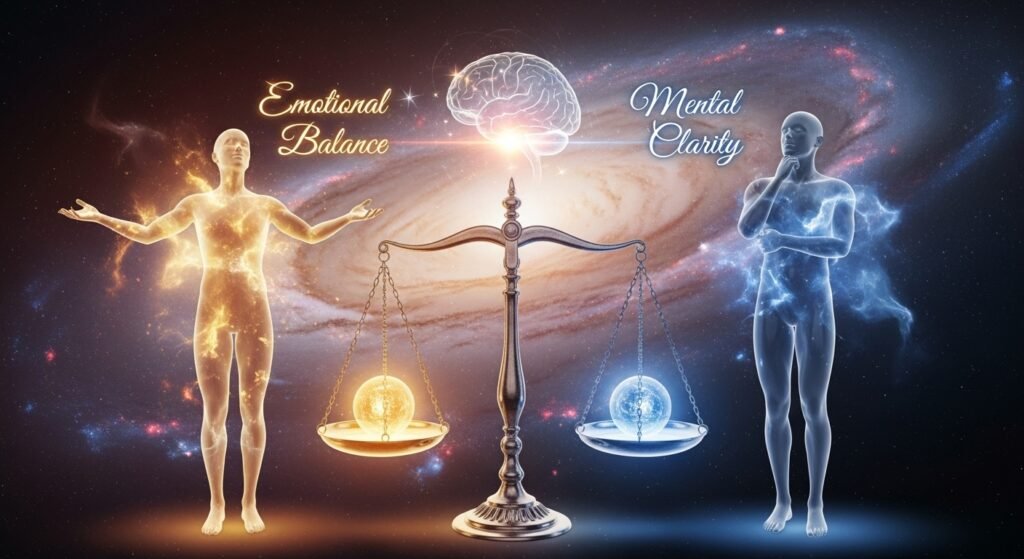
1. Introduction: Why Emotional Balance and Mental Clarity Matter
Emotional balance and mental clarity are two key pillars of wellness. Emotional balance helps you manage feelings like stress, anger, or sadness without being consumed by them, while mental clarity allows you to stay focused, organized, and positive in your daily life.
Together, they form the foundation for a calm and productive mind. Without them, life often feels overwhelming, and even small challenges seem much harder than they truly are.
Many people today struggle to find this balance. The demands of work, family, and constant digital distractions can drain energy and cloud thinking.
But by making small lifestyle changes, you can create more space for calm and focus. From mindful practices to physical wellness, every step you take contributes to both emotional steadiness and sharper clarity.
Bahlon teaches that true clarity comes from aligning your inner energy with your external actions. When your emotions are balanced, your mind naturally becomes clearer, and when your thoughts are focused, your emotions remain steady. This creates a life of harmony where you feel empowered rather than overwhelmed.

2. Understanding the Connection Between Mind and Emotions
Your mind and emotions are always working together. When your emotions spiral—whether from stress, anxiety, or even excitement—your mind struggles to think clearly.
Similarly, when your mind is cluttered with overthinking, it often makes emotions heavier and harder to control. This cycle can leave you feeling stuck, reactive, and mentally exhausted.
Awareness of this connection is the first step toward creating balance. Emotions are not meant to be ignored or suppressed; they are signals that guide us.
By processing emotions in a healthy way—through journaling, mindfulness, or even open conversations—you create space for the mind to stay focused. In turn, a calm and organized mind helps soothe emotional turbulence.
This harmony between thought and feeling is at the heart of wellness. Once you understand that your emotions and mind feed into each other, you can begin to nurture them together.
With practice, it becomes easier to stay present, respond with awareness, and maintain both emotional balance and mental clarity, even during challenges.

3. The Role of Stress in Mental Fog and Imbalance
Stress is one of the most common disruptors of both emotional stability and clear thinking. A little stress can be motivating, but when it becomes constant, it clouds judgment, reduces focus, and leaves you feeling emotionally drained.
Chronic stress often shows up as irritability, forgetfulness, and difficulty concentrating—signs of mental fog.
The body also suffers under stress. Sleep becomes shallow, energy dips, and physical tension builds up.
This creates a cycle where stress fuels confusion, and confusion increases stress. Left unchecked, this imbalance can lead to burnout, weakened immunity, and emotional instability.
The good news is that stress can be managed with simple tools. Regular exercise, deep breathing, mindfulness breaks, and prioritizing rest all help the body return to balance.
By actively managing stress, you protect your emotional health and give your mind the clarity it needs to function at its best. A calmer mind leads to steadier emotions, and balanced emotions help maintain clear thinking.

4. Daily Habits That Support Emotional Balance
Emotional balance doesn’t happen overnight—it is built through consistent daily habits. Small, intentional practices make a big difference in how you handle emotions.
Starting the day with gratitude journaling, for example, shifts your focus toward positivity and reduces negative thought patterns. Mindful breathing during stressful moments brings calmness back to your body and emotions.
Other habits, like setting healthy boundaries, allow you to protect your mental and emotional energy. Taking short breaks, spending time in nature, or even connecting with a friend can all create balance in your daily rhythm. These small actions add up over time, helping you feel grounded and resilient no matter what comes your way.
The goal isn’t to avoid emotions but to respond to them with awareness. With daily habits that nurture emotional balance, you create a foundation of calmness and strength that supports every other part of life.
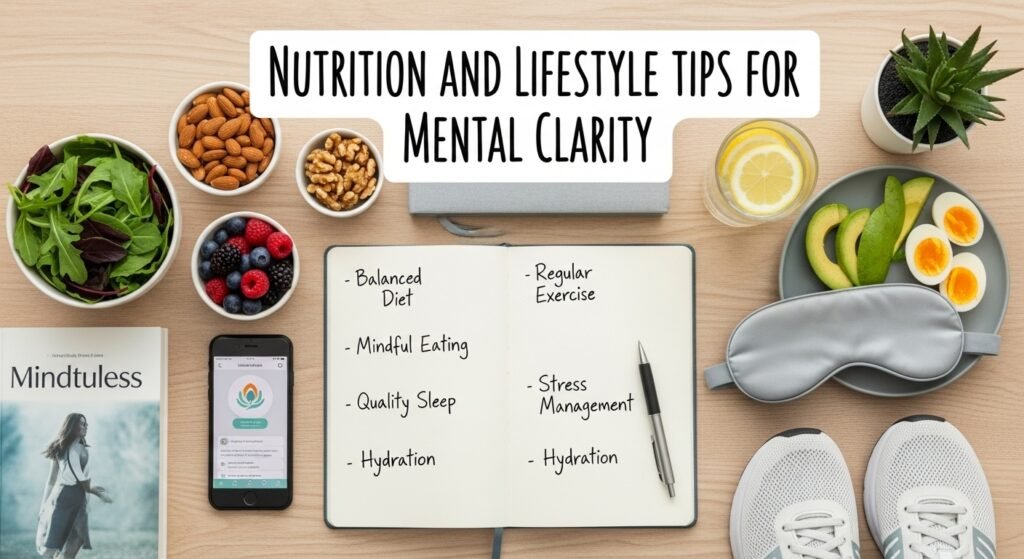
5. Nutrition and Lifestyle Tips for Mental Clarity
The food you eat and the lifestyle you follow have a powerful effect on your mind. Nutrient-rich meals provide the brain with the fuel it needs for clear thinking, while poor nutrition often leads to mental fog and low energy. For example, omega-3 fatty acids found in fish and nuts support brain health, while staying hydrated keeps concentration sharp.
Lifestyle choices also play a major role. Sleep is one of the most important factors for mental clarity, yet it is often neglected. Poor sleep makes it harder to think clearly, solve problems, and regulate emotions. Similarly, too much caffeine or sugar can create spikes in energy followed by crashes, leaving the mind feeling scattered.
By focusing on balanced meals, hydration, quality sleep, and healthy routines, you can support both mental clarity and emotional steadiness. Even small adjustments—like reducing screen time before bed or planning nutritious snacks—can bring noticeable improvements.

6. Mindfulness and Meditation Practices for Calm Focus
Mindfulness and meditation are powerful practices that bring calm to the emotions and clarity to the mind. Even just a few minutes each day can make a noticeable difference.
Mindfulness teaches you to stay present, helping reduce overthinking and emotional reactivity. Meditation, whether guided or silent, allows your nervous system to relax, reducing stress hormones and improving focus.
Breathwork is another simple but effective tool. By slowing your breathing, you signal safety to the brain, helping both mind and emotions settle. Visualization practices—such as imagining a peaceful place—can also bring a sense of calm and sharpen your mental focus.
Over time, mindfulness and meditation reshape the way the brain responds to stress. Instead of being overwhelmed by emotions or mental clutter, you learn to stay grounded and focused. This practice creates long-lasting emotional balance and clarity that supports you in every area of life.
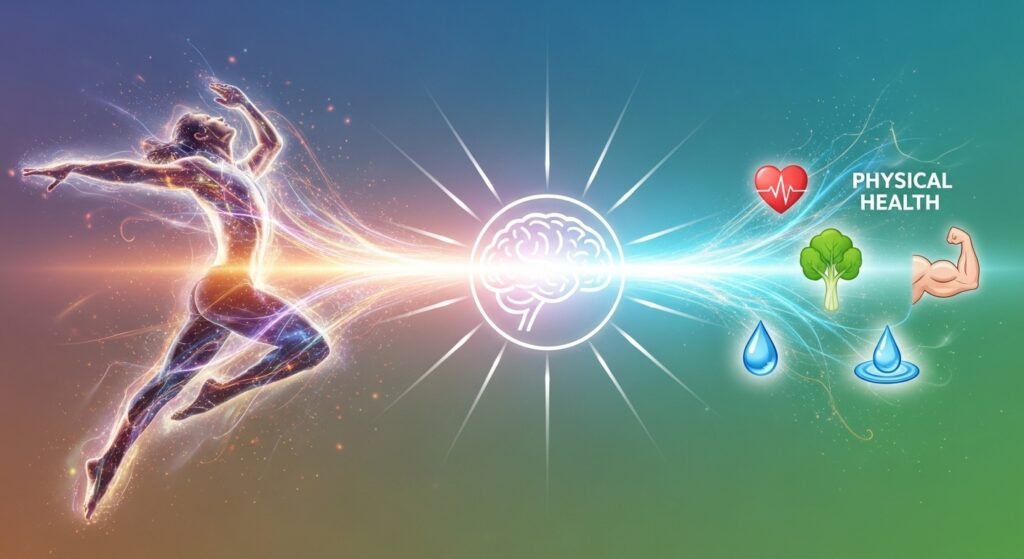
7. Movement and Physical Health’s Role in Clarity
Your body and mind are deeply connected, which is why physical movement plays such a key role in both emotional balance and mental clarity. Exercise increases blood flow to the brain, boosting focus and memory. It also releases endorphins—natural chemicals that improve mood and reduce stress.
The good news is that movement doesn’t have to mean intense workouts at the gym. Simple activities like walking, stretching, dancing, or practicing yoga can bring immediate benefits. Even a 10-minute walk outside can reset your mind, lift your mood, and improve concentration.
Consistency is more important than intensity. By including regular movement in your daily routine, you give your mind the fuel it needs to stay clear and your emotions the balance they need to stay steady.
In Bahlon’s teachings, physical movement also supports energy flow, helping you feel more aligned and vibrant.
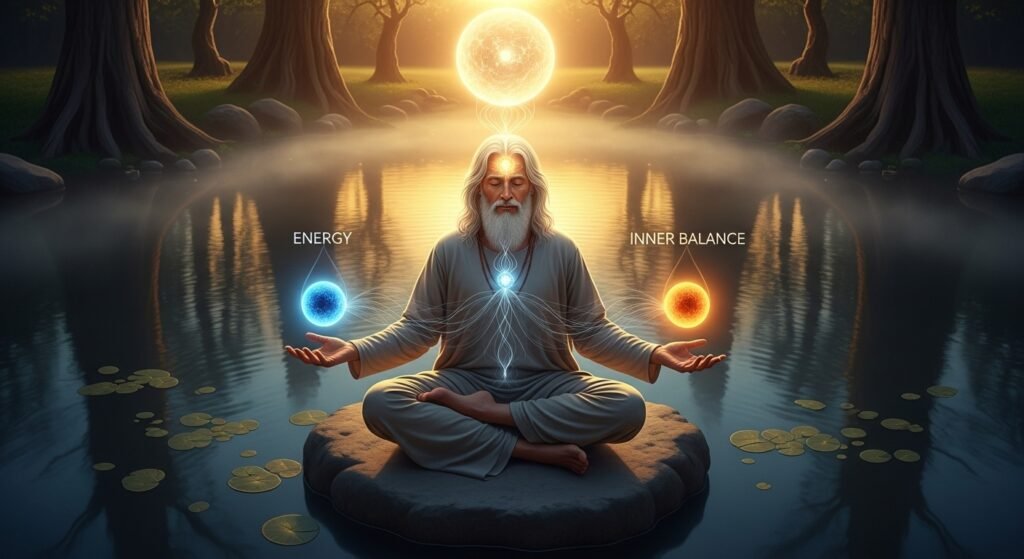
8. Bahlon’s Perspective on Energy and Inner Balance
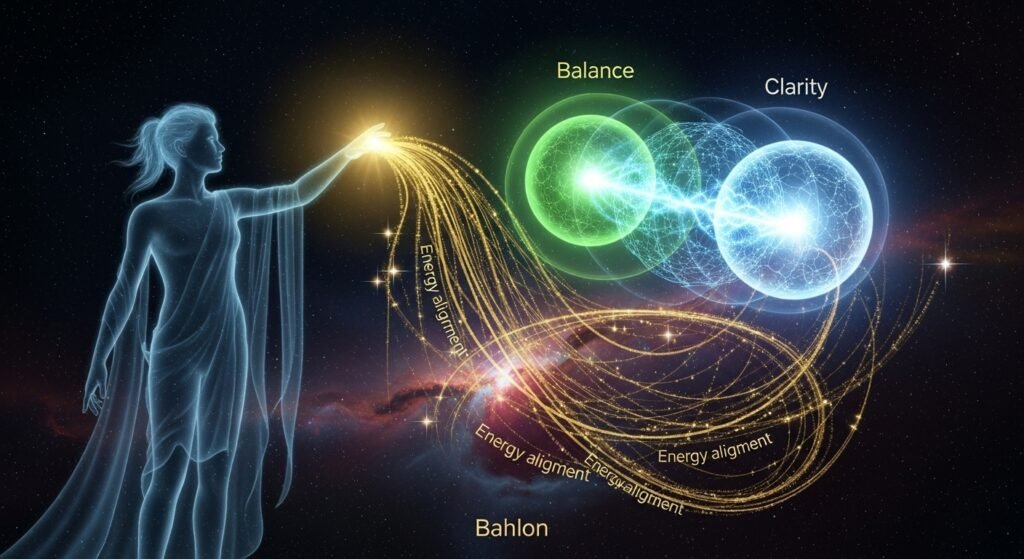
From Bahlon’s perspective, emotional balance and mental clarity are deeply connected to energy flow. When your energy is aligned and free from blockages, emotions become steadier, and thoughts become clearer. But when energy is heavy or scattered, emotions feel unstable, and mental fog takes over.
Practices like intention-setting, affirmations, and energy clearing can shift your vibration and restore harmony. By aligning your inner energy with your outer actions, you create space for calmness and focus to naturally emerge.
This perspective emphasizes that wellness is not only about the body and mind but also about the energy that flows through you. By paying attention to this alignment, you strengthen both emotional resilience and mental sharpness.
Bahlon’s guidance reminds us that true clarity begins within, and once inner energy is balanced, everything outside falls into place.
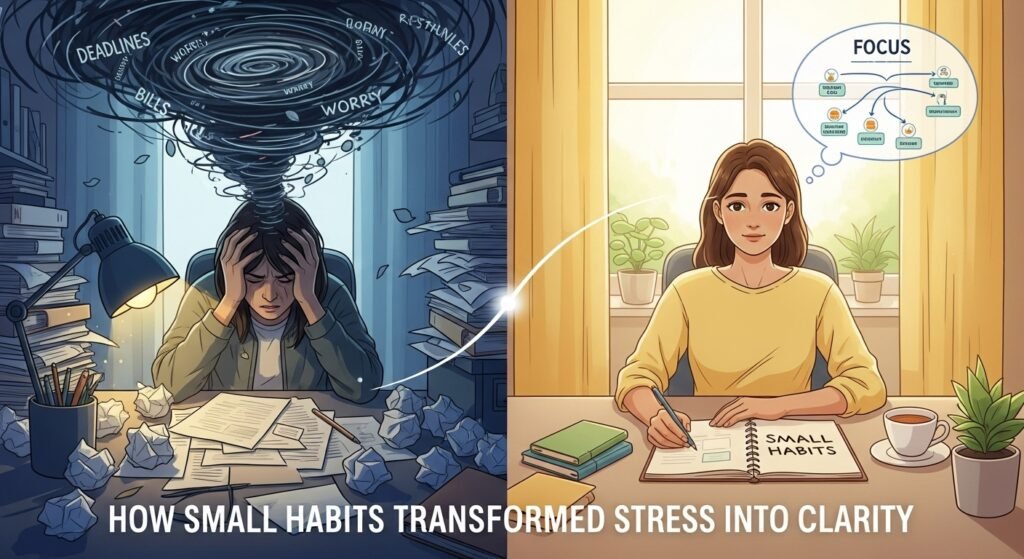
9. Case Study: How Small Habits Transformed Stress into Clarity
Case Study: Sarah’s Journey
Sarah, a 32-year-old marketing professional, constantly felt overwhelmed by work deadlines and personal responsibilities. She experienced frequent stress, mood swings, and mental fog, which affected her performance and relationships. Despite trying different productivity hacks, she never felt truly balanced.
After learning about emotional balance and mental clarity, Sarah decided to start small. She added three habits to her daily routine: five minutes of meditation each morning, gratitude journaling in the evening, and a nightly digital detox by turning off screens an hour before bed.
Within six weeks, Sarah noticed profound changes. Her emotions felt calmer, and she was less reactive during stressful meetings. Her mind felt sharper, allowing her to make quicker, more confident decisions. She also slept better and woke up with more energy. These small habits transformed her sense of well-being, proving that consistency matters more than intensity.
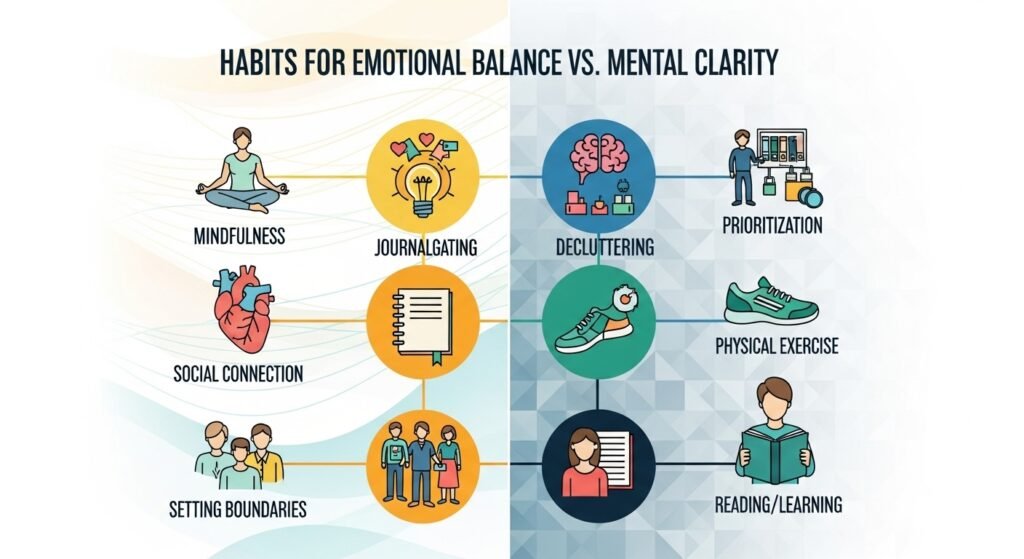
10. Practical Table: Habits for Emotional Balance vs. Mental Clarity
| Habit | Supports Emotional Balance | Supports Mental Clarity |
|---|---|---|
| Journaling | ✔ Helps release emotions | ✔ Organizes thoughts |
| Meditation | ✔ Calms emotional reactivity | ✔ Improves focus |
| Balanced Nutrition | ✔ Stabilizes mood | ✔ Fuels brain health |
| Movement (Yoga/Walking) | ✔ Reduces stress | ✔ Enhances concentration |
| Gratitude Practice | ✔ Builds emotional resilience | ✔ Encourages positive focus |
| Sleep Hygiene | ✔ Regulates mood swings | ✔ Strengthens memory |
11. Final Thoughts and Key Takeaways
Emotional balance and mental clarity are like two sides of the same coin—you need both to feel whole. When emotions are balanced, you can face challenges with calm strength, and when your mind is clear, you can focus on what truly matters. Together, they bring peace, productivity, and purpose to your life.
Bahlon’s wisdom reminds us that clarity and balance are not external—they come from within. By making small but consistent changes, like practicing mindfulness, eating well, moving your body, and aligning your energy, you build the foundation for long-term wellness.
✨ Remember: Stress will always exist, but with the right tools, you can choose balance over chaos and clarity over confusion. Your journey starts with one small step today.
🙋 10 Frequently Asked Questions (FAQs)
Q1: What is emotional balance?
A1: It’s the ability to manage emotions in a calm, steady way without being overwhelmed by them.
Q2: How does mental clarity improve daily life?
A2: It sharpens focus, improves decision-making, and reduces stress.
Q3: Can mindfulness really help with clarity?
A3: Yes, mindfulness reduces distractions and helps you stay present.
Q4: What role does stress play in imbalance?
A4: Stress disrupts emotions and clouds the mind, creating mental fog.
Q5: What foods help with mental clarity?
A5: Omega-3 rich foods, leafy greens, nuts, whole grains, and lots of water.
Q6: How does movement support emotional balance?
A6: Exercise releases endorphins, which naturally improve mood.
Q7: What is Bahlon’s approach to balance?
A7: Bahlon teaches that energy alignment is key to both balance and clarity.
Q8: How long does it take to see results?
A8: With daily practice, most people notice positive changes within 2–6 weeks.
Q9: Do I need long meditation sessions?
A9: No—even 5 minutes daily can make a big difference.
Q10: Can emotional balance improve relationships?
A10: Absolutely. A calm, balanced mindset leads to healthier communication and stronger connections.