
Emotional burnout isn’t just about feeling tired—it’s a deep depletion of your emotional reserves that silently erodes your wellbeing and joy. But what if you could recognize the subtle signs early and prevent emotional burnout before it consumes your life?
Bahlon’s secrets to emotional renewal reveal powerful strategies to rebuild your energy, restore balance, and reclaim your inner peace.
Discover how simple yet profound shifts in your mindset, boundaries, and daily habits can protect you from emotional exhaustion and empower you to thrive—no matter the challenges you face.
Understanding how to prevent emotional burnout is crucial for lasting wellbeing, balance, and resilience. In this comprehensive guide, you will discover Bahlon’s most effective secrets and practical strategies to catch emotional burnout before it starts and renew your emotional vitality.
Table of Contents
- What Is Emotional Burnout?
- Early Signs and Symptoms of Emotional Burnout
- Bahlon’s Approach: Preventing Emotional Burnout
- Strategy 1: Setting Healthy Boundaries
- Strategy 2: Practicing Mindfulness and Stress Management
- Strategy 3: Engaging in Regular Self-Care
- Strategy 4: Reframing Negative Perspectives
- Strategy 5: Building Strong Support Networks
- Strategy 6: Scheduling Breaks and Downtime
- Strategy 7: Cultivating Joyful Hobbies and Flow States
- Summary Table of Emotional Burnout Prevention Strategies
- Inspirational Quotes on Emotional Renewal
- Frequently Asked Questions (FAQs)
- Conclusion

1. What Is Emotional Burnout?
Emotional burnout is a state of chronic emotional exhaustion often caused by prolonged stress, overwhelming responsibilities, or unresolved emotional strain.
Unlike occasional tiredness, it affects your motivation, engagement, and overall wellbeing.
Burnout manifests physically, mentally, and spiritually, leading to feelings of helplessness, emotional numbness, and reduced productivity.
Recognizing emotional burnout early allows you to take proactive steps to prevent its escalation and nurture emotional renewal.
Many people confuse burnout with stress, but stress is a response to pressure, while burnout is the prolonged outcome of unmanaged stress.
Bahlon emphasizes mindfulness and self-awareness in detecting early warning signs to safeguard emotional health.
Key Points:
- Emotional burnout impacts motivation and emotional resilience.
- It results from prolonged or unresolved emotional stress.
- Prevention relies on early recognition and proactive care.
- Essential for sustained personal and professional success.

2. Early Signs and Symptoms of Emotional Burnout
Identifying emotional burnout before it worsens is critical.
Common early signs include constant fatigue, irritability, decreased empathy, cynicism, and feelings of inefficacy.
You might notice withdrawing from social or professional activities or experiencing headaches, insomnia, or digestive problems.
Emotional withdrawal and detachment from loved ones are often overlooked but crucial indicators.
According to Bahlon, tuning into your emotional rhythm show you react to daily events and stressors can alert you to subconscious burnout signals.
Signs to Watch For:
- Persistent exhaustion despite rest.
- Feeling overwhelmed or emotionally drained.
- Loss of interest in activities once enjoyed.
- Heightened frustration or impatience.
- Difficulty concentrating or making decisions.
- Physical symptoms such as headaches or muscle pain.
Early recognition supports timely intervention and self-renewal.
3. Bahlon’s Approach: Preventing Emotional Burnout
Bahlon’s approach incorporates a holistic blend of emotional awareness, boundary setting, self-care, and mindset adjustments.
His methods are designed to create sustainable emotional management frameworks, preventing burnout before it takes root.
Bahlon views emotional renewal as an ongoing spiritual practice that requires nurturing your inner world and external environment.
He stresses that mental reframing changing the narrative around stress and responsibility can transform emotional burdens into opportunities for growth.
Consistency and compassion toward oneself form the foundation in his teachings.
Core Concepts:
- Emotional burnout prevention is proactive and holistic.
- Boundaries preserve emotional energy.
- Mindfulness cultivates presence and resilience.
- Self-care nurtures body, mind, and spirit.
- Cognitive shifts change stress perception.
- Community and connection reinforce emotional health.

4. Strategy 1: Setting Healthy Boundaries
Setting clear, healthy boundaries protects your emotional resources and prevents burnout from emotional overextension.
This means learning to say no, managing your time wisely, and prioritizing responsibilities aligned with your values.
Bahlon highlights that boundaries act as a protective shield, allowing you to conserve energy and focus on what truly matters.
This empowers you to show up fully and authentically without depletion.
Boundary-Setting Tips:
- Identify where your limits are being crossed.
- Communicate your needs firmly but kindly.
- Limit exposure to draining people or environments.
- Delegate or decline tasks that cause overwhelm.
- Create routines that protect your downtime.
Boundaries foster self-respect and emotional sustainability, key for burnout prevention.

5. Strategy 2: Practicing Mindfulness and Stress Management
Mindfulness is a cornerstone of preventing emotional burnout.
By practicing present-moment awareness, you become more attuned to stress signals and build emotional regulation skills.
Bahlon advises incorporating mindful breathing, meditation, and body scans to reduce overwhelm and center your emotional state.
Recognizing and accepting emotions without judgment helps diffuse burnout triggers.
Mindfulness Benefits:
- Reduces the intensity of stress reactions.
- Enhances emotional clarity and focus.
- Increases resilience to emotional fluctuations.
- Supports healthier decision-making.
- Creates space for healing responses.
Incorporate as little as 5-10 minutes daily to maintain emotional equilibrium.

6. Strategy 3: Engaging in Regular Self-Care
Self-care means intentionally nurturing your physical, emotional, and mental health to build resilience against burnout.
Bahlon encourages viewing self-care as a non-negotiable practice, not an indulgence.
Key self-care practices include maintaining consistent sleep, nutritious meals, physical activity, and social connection.
Activities like yoga, journaling, and creative expression replenish emotional reserves.
Essential Self-Care Actions:
- Prioritize 7-9 hrs of restful sleep nightly.
- Eat balanced, nourishing meals.
- Engage in physical exercise or movement.
- Hydrate adequately and limit stimulants.
- Allow time for hobbies and relaxation.
Self-care strengthens your baseline emotional health, buffering against stress build-up.

7. Strategy 4: Reframing Negative Perspectives
Your mindset dramatically influences your emotional resilience.
Bahlon teaches reframing stressful thoughts to reduce feelings of burden and increase optimism.
Viewing challenges as opportunities nurtures growth rather than despair.
Use affirmations to replace self-limiting beliefs and approach responsibilities with curiosity instead of dread.
Breaking tasks into manageable parts enhances motivation and focus.
Reframing Techniques:
- Identify negative self-talk or “should” statements.
- Replace with empowering, compassionate language.
- Visualize successful outcomes and small wins.
- Practice gratitude to shift focus away from stress.
- Seek lessons and growth within challenges.
Mindset shifts reduce burnout risk by decreasing emotional resistance.

8. Strategy 5: Building Strong Support Networks
Human connection is a powerful antidote to emotional burnout.
Bahlon recommends cultivating a network of trusted friends, family, or peers who offer empathy, validation, and encouragement.
Sharing your struggles reduces isolation and offers new perspectives.
Joining support or interest groups creates belonging and joy, vital for emotional renewal.
Strengthening Connections:
- Schedule regular social interactions.
- Communicate openly about your feelings.
- Participate in community or spiritual groups.
- Offer support to others, balancing give and take.
- Seek professional help when needed.
Strong support systems fortify emotional health and reduce burnout vulnerability.
9. Strategy 6: Scheduling Breaks and Downtime
Constant activity leaves emotional reserves depleted.
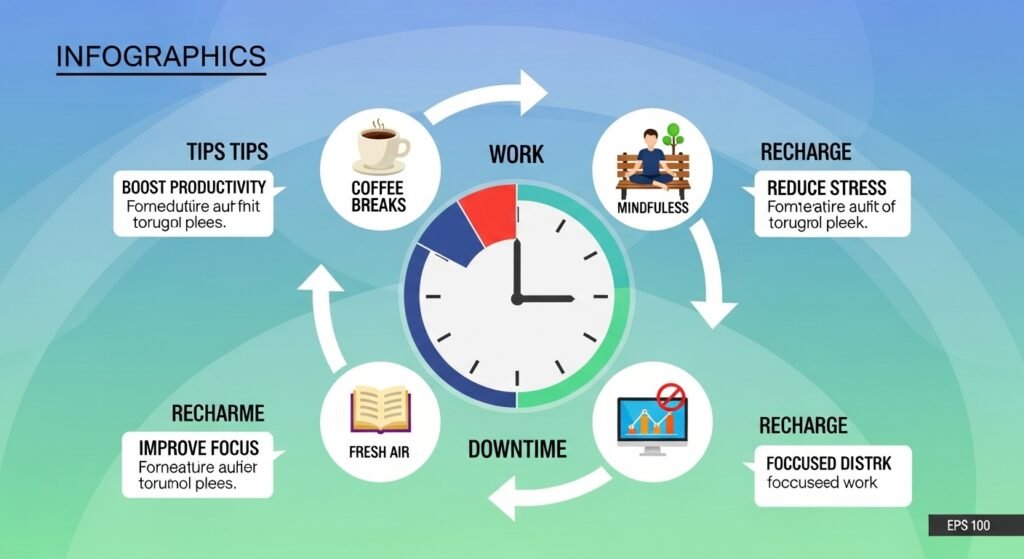
Bahlon advises intentionally scheduling “oasis moments” throughout your day to pause, breathe, and recharge.
Taking physical breaks, stepping outdoors, or practicing brief meditations interrupts burnout cycles and restores calm.
Prioritizing vacation and unplugging from work after hours prevents chronic strain.
How to Schedule Effective Breaks:
- Use timers to prompt breaks every 60-90 minutes.
- Take walks, stretch, or breathe deliberately.
- Practice mini-meditations or grounding exercises.
- Set rules to avoid work emails outside work hours.
- Plan regular vacations or mental health days.
Regular downtime preserves emotional energy and improves productivity.

10. Strategy 7: Cultivating Joyful Hobbies and Flow States
Engaging in activities you love replenishes emotional energy and promotes flow a state of deep absorption and joy where worries fade.
Bahlon encourages pursuing hobbies or creative outlets that inspire passion.
Flow states redirect focus from stressful thoughts, activate dopamine pathways, and rejuvenate the spirit.
Flow can be found in art, music, sports, gardening, or volunteering.
Benefits of Flow and Hobbies:
- Reduces stress hormones and burnout symptoms.
- Boosts mood and motivation.
- Enhances cognitive flexibility and creativity.
- Fosters meaningful engagement in life.
- Builds a balanced identity beyond work.
Make time for these pleasures non-negotiable for emotional renewal.

11. Summary Table: Emotional Burnout Prevention Strategies
| Strategy | Key Actions | Core Benefits |
|---|---|---|
| Setting Healthy Boundaries | Learn to say no, limit draining demands | Preserves emotional energy, autonomy |
| Mindfulness & Stress Management | Daily meditation, breathing exercises | Reduces overwhelm, enhances emotional clarity |
| Self-Care | Sleep, nutrition, exercise, leisure | Builds resilience, nurtures body and mind |
| Reframing Perspectives | Positive affirmations, gratitude | Changes stress mindset, increases optimism |
| Building Support Networks | Social connection, peer groups | Lessens isolation, offers empathy and validation |
| Scheduling Breaks & Downtime | Timed breaks, unplugging, mental health days | Prevents chronic strain, restores calm |
| Joyful Hobbies & Flow | Creative activities, sports, volunteering | Boosts mood, provides rejuvenation |
12. Inspirational Quotes on Emotional Renewal
- “Burnout is not a badge of honor but a sign to slow down and nourish your spirit.” — Bahlon
- “Healthy boundaries are the soil from which emotional resilience blooms.” — Unknown
- “Mindfulness is the key that unlocks freedom from emotional exhaustion.” — Bahlon
- “Joyful living is the best medicine against burnout.” — Anonymous
- “Renewal begins when you reclaim your time and your heart.” — Bahlon
13. Frequently Asked Questions (FAQs)
1. What is emotional burnout?
A state of chronic emotional exhaustion caused by prolonged stress.
2. How can I differentiate burnout from normal stress?
Burnout causes detachment and exhaustion, while stress is often short-term pressure.
3. What’s the first step to prevent emotional burnout?
Recognizing early signs and setting boundaries.
4. Can mindfulness really help?
Yes, it strengthens emotional regulation and reduces overwhelm.
5. Is self-care selfish?
No, it’s necessary for sustained wellbeing and effectiveness.
6. How important are social connections?
Very; relationships provide emotional support and reduce isolation.
7. How do positive thoughts affect burnout?
They reshape perception, easing emotional burdens.
8. How often should I take breaks?
Regularly during your day and extended rest days as needed.
9. What hobbies help most with burnout?
Anything that brings joy and flow, like art or nature.
10. When should I seek professional help?
If burnout symptoms persist or worsen despite self-care.
14. Conclusion
Preventing emotional burnout requires intentional effort, self-awareness, and consistent practice. Bahlon’s holistic approach, focusing on boundaries, mindfulness, self-care, positive mindset, connection, rest, and joy offers a proven framework to renew your emotional vitality before exhaustion sets in. By applying these strategies, you not only protect your energy but foster a deeper, more fulfilling connection with yourself and your life purpose. Begin embracing these secrets today to prevent burnout and invite lasting emotional renewal.