
Table of Contents
- Introduction to Equity in Global Wellness Trends
- The Importance of Inclusive Well-Being
- Current Gaps in Global Wellness Systems
- Cultural Approaches to Health and Wellness
- Economic Barriers and Their Impact on Well-Being
- The Role of Technology in Bridging Wellness Gaps
- Policies and Initiatives Promoting Inclusive Wellness
- Mental Health Across Different Communities
- The Intersection of Wellness and Sustainability
- Practical Steps Towards Achieving Wellness Equity

Introduction to Equity in Global Wellness Trends
Equity in global wellness trends is more than just a buzzword—it’s a call to action.
Around the world, wellness remains unequally distributed, often favoring high-income groups and marginalizing others.
From access to healthcare to the availability of holistic well-being practices, significant gaps exist that need immediate attention.
This blog highlights how inclusivity can reshape global wellness systems for the better.
You’ll learn about the socioeconomic, cultural, and policy-driven factors influencing well-being today and actionable insights to make wellness universal.
Whether it’s yoga studios in urban neighborhoods or remote health technology for rural areas, everyone deserves equal access to better health.
Wellness isn’t a luxury—it’s a basic human right.
By focusing on equity in global wellness trends, we can uncover ways to make well-being more accessible, affordable, and impactful for everyone.

The Importance of Inclusive Well-Being
Focusing on inclusive well-being ensures that no one is left behind in the race to better health and happiness.
But what does it mean to prioritize inclusivity? It’s about making resources accessible to all, regardless of income, race, location, or social standing.
Consider access to mental health services. While urban areas may have abundant resources like therapists and wellness centers, rural communities are often left to fend for themselves.
Similarly, wellness products like superfoods or fitness gadgets largely cater to affluent demographics, leaving others excluded.
Inclusive well-being also respects cultural differences.
For instance, Ayurveda and Traditional Chinese Medicine offer viable alternatives to Western wellness methods.
These practices are usually drowned out despite their accessibility and affordability—showing the importance of recognizing diverse approaches.
Equity in global wellness trends encourages shared growth, cultural respect, and environments where everyone thrives.
This is how society moves beyond temporary fixes to systemic changes.
Current Gaps in Global Wellness Systems
Despite progress, wellness systems still suffer from stark inequities. Health outcomes often depend on where you live and what you earn.
For example, many low- and middle-income countries lack basic healthcare infrastructure, which limits preventive care and wellness outreach.
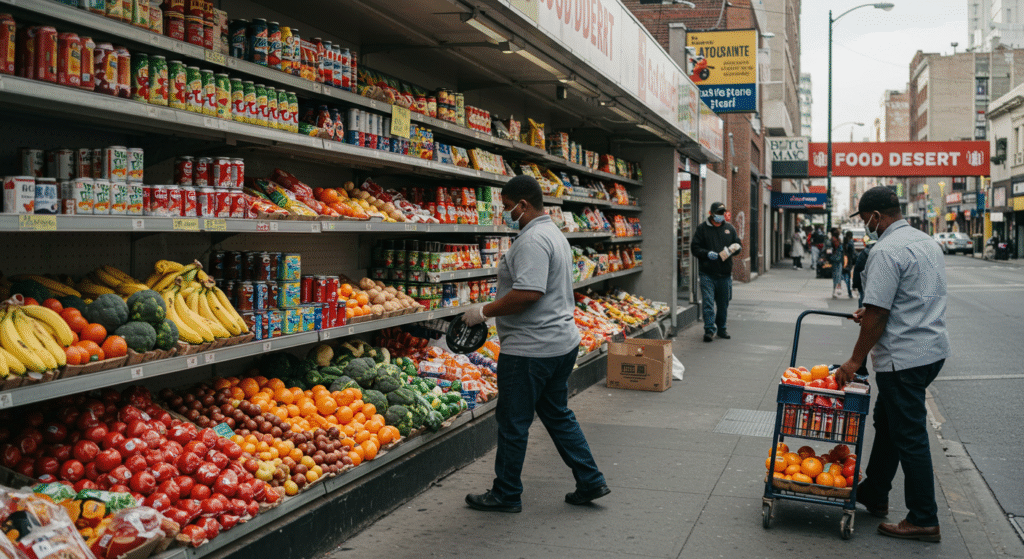
Food deserts, where access to nutritious food is minimal, are another glaring issue.
This creates health disparities such as obesity or malnutrition—conditions that are entirely preventable with adequate resources.
Even within affluent nations, marginalized groups face discrimination in wellness spaces.
For instance, gyms, spas, and yoga studios often cater to narrow demographics, alienating people of color, the elderly, or those with disabilities.
Addressing these gaps requires systemic solutions, such as funding for underserved areas and culturally aware wellness programs.
The definition of wellness must broaden to account for equity in global wellness trends at its core.
Cultural Approaches to Health and Wellness
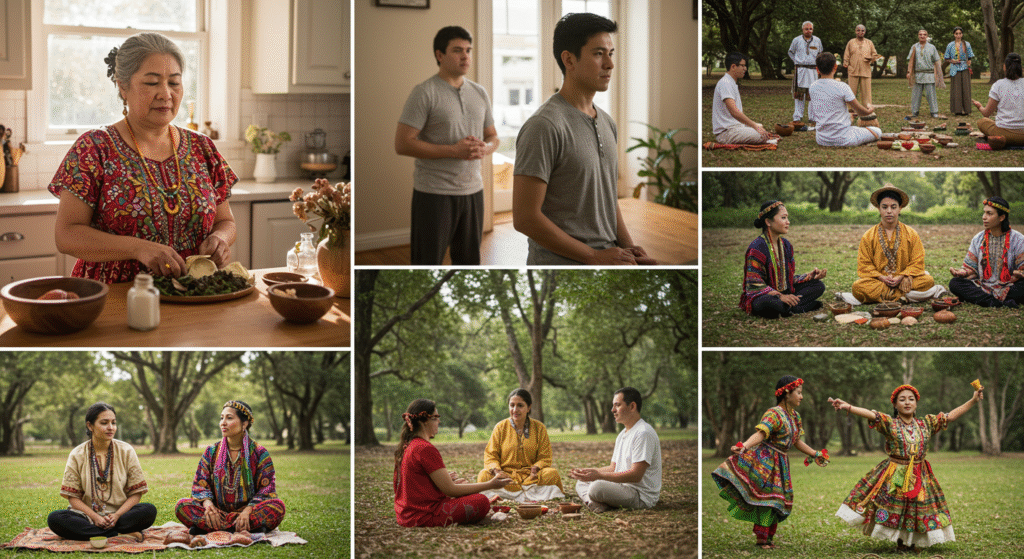
Culture shapes wellness in profound ways.
While Western health trends often focus on individual goals like fitness or weight loss, many Eastern traditions prioritize balance and harmony within the community.
Blending these approaches can provide a richer, more inclusive wellness ecosystem.
For example, yoga—a practice with roots in ancient India—has become a global phenomenon.
However, it is often portrayed in ways detached from its original cultural context, minimizing its accessibility. When wellness practices ignore cultural roots, they alienate rather than include.
Similarly, Indigenous healing methods like herbal medicine or ceremonial practices offer affordable health solutions, especially for those in remote regions. Yet, these practices often go unrecognized, overlooked in favor of more commercial wellness programs.
Cultural inclusivity empowers communities to integrate wellness into their everyday lives. It’s no longer about imposing one standard but about celebrating diversity in equity-focused wellness trends.

Economic Barriers and Their Impact on Well-Being
Economic inequality is one of the biggest obstacles to wellness equity. Globally, high-income individuals enjoy disproportionate access to wellness services, from personalized fitness training to luxury retreats. Meanwhile, economic limitations prevent many others from accessing even basic healthcare services.
For instance, gym memberships or organic diets remain out of reach for low-income families. This creates a cycle where health crises worsen due to a lack of preventive care or lifestyle interventions.
Public policies can play an essential role in breaking these barriers. Free community fitness classes, affordable telemedicine plans, and subsidized wellness programs can make equity in global wellness more achievable. If wellness is expensive, it fails its fundamental purpose of promoting universal health.
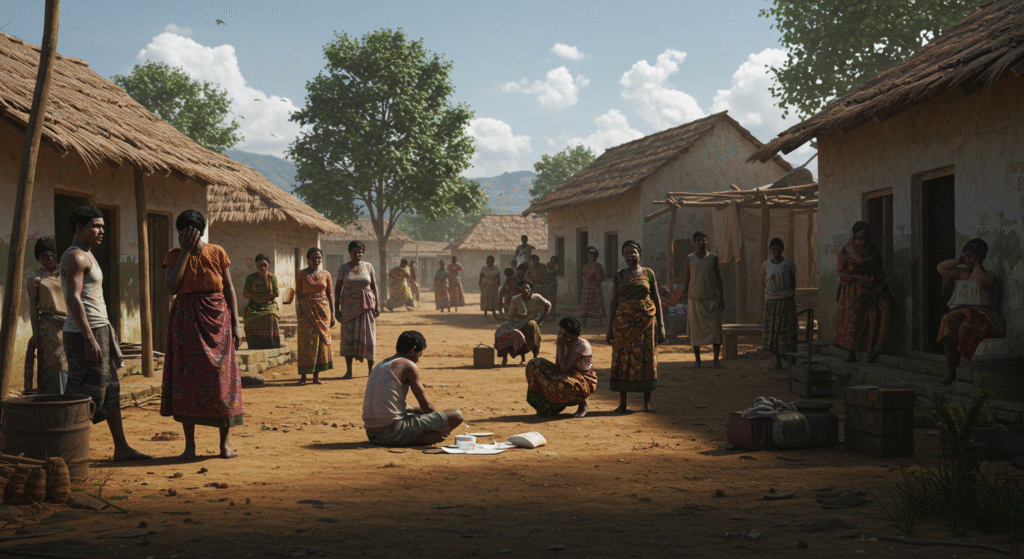
Table: Bridging Gaps in Global Wellness Systems
| Barrier | Impact on Wellness | Proposed Solution |
|---|---|---|
| High Cost of Healthcare | Prevents access to care | Subsidized healthcare programs |
| Lack of Preventative Care | Leads to chronic illness | Free community wellness initiatives |
| Limited Fitness Facilities | Reduces physical activity | Affordable community gyms |
| Poor Health Education | Misinformed lifestyle choices | Public health education campaigns |
| Digital Divide | Limits telemedicine access | Expand affordable internet services |
The Role of Technology in Bridging Wellness Gaps
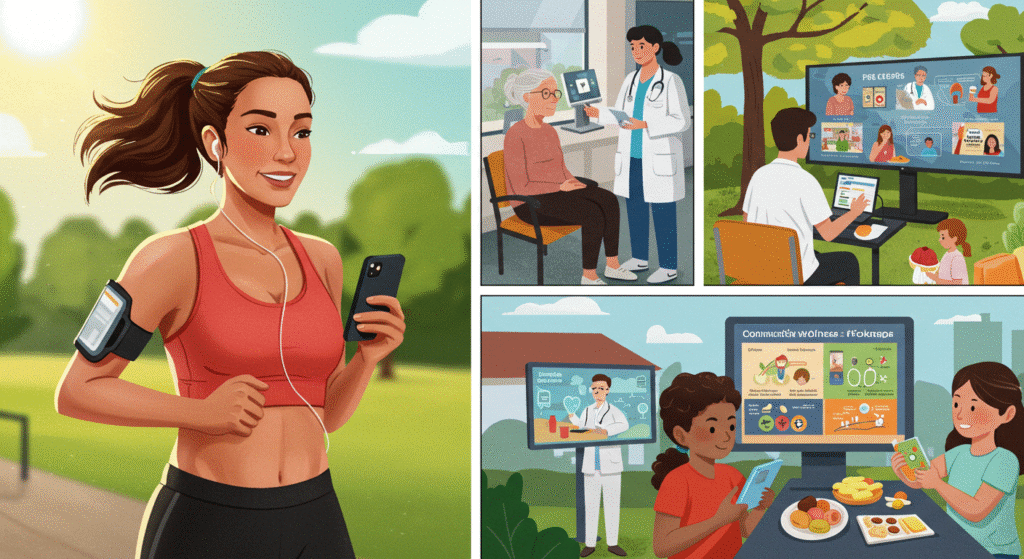
Technology is redefining how people access health and wellness services. Smartphone apps now provide everything from therapy to fitness tracking, closing geographical and financial gaps. Health tech innovations such as telemedicine ensure that even the remotest areas benefit from professional care.
Apps like Headspace make meditation universally accessible, while wearable devices like FitBit encourage proactive health tracking. However, even technology must account for equity—often, underprivileged communities don’t have the infrastructure to use these tools effectively.
Scaling inclusive tech solutions helps ensure no group is left out of wellness trends. Governments and private players must collaborate to make technology both accessible and affordable for underserved populations.

Policies and Initiatives Promoting Inclusive Wellness
- Subsidizing wearable health devices for low-income communities to ensure broader access to health monitoring tools.
- Establishing public-private partnerships to fund initiatives aimed at reducing the cost of digital health solutions.
- Creating community programs that educate individuals on using health technology effectively.
- Enhancing internet connectivity in rural and underserved areas to improve access to telehealth services.
- Promoting open-source wellness applications that are free and user-friendly for people of all socioeconomic backgrounds.
Governments and organizations have the power to reshape wellness equity through targeted policies.
Countries like New Zealand have introduced well-being budgets aimed at mental and emotional health rather than GDP alone.
Similarly, public-private partnerships can provide subsidized community health programs.
Initiatives fostering equity in global wellness trends must focus on diversity and scale.
By starting at the policy level, change becomes sustainable rather than short-lived.
Focusing on disadvantaged communities ensures lasting impact where it’s needed most.
FAQs
1. What does equity in wellness mean?
Equity in wellness ensures that every individual, regardless of income, location, or ethnicity, has access to health and wellness opportunities.
2. How can cultural practices improve inclusivity?
Integrating cultural wellness methods like acupuncture or meditation practices ensures diverse approaches are available and accessible.
3. Why is mental health important for wellness equity?
Mental health care is often stigmatized and expensive, leaving many untreated. Making it accessible is key to achieving global wellness equity.
4. How does technology improve wellness equity?
Digital tools like telemedicine and health apps bring wellness services closer to underserved communities.
5. What policies can improve health equity?
Governments can introduce health subsidies, well-being budgets, and community-focused wellness programs to create balance.
6. How can education influence health and wellness equity?
Education raises awareness about health issues and provides individuals with the knowledge to make better lifestyle choices, promoting overall wellness equity.
7. What role do social determinants play in wellness equity?
Factors like income, housing, and education significantly impact access to health resources, making it crucial to address these social determinants to improve equity.
8. How does workplace wellness impact equity?
Workplace wellness programs ensure that employees have access to mental health support, fitness opportunities, and resources to maintain a healthy lifestyle, reducing disparities.
9. Why is cultural competence important in health care?
Cultural competence ensures that health care providers understand and respect diverse cultural backgrounds, leading to better communication and more equitable care.
10. What is the connection between physical environment and wellness equity?
Access to clean air, safe drinking water, and recreational spaces plays a vital role in fostering equitable opportunities for health and well-being.
Equity in global wellness trends starts by ensuring every person, no matter their background, has the tools for a healthier life.