Table of Contents
- Understanding Body Image
- Why Is Body Image Important?
- The Four Types of Body Image
- Positive Body Image Examples to Inspire Change
- How to Improve Body Image Daily
- The Link Between Body Image and Wellness
- The Impact of Self-Criticism on Body Image
- How Media Influences Body Image
- Cultivating Realistic Body Image Goals
- The Role of Stress in Self-Image and Wellness
- How to Build a Positive Feedback Loop with Your Body
- Body Image Examples from Real Life
- Using Mindfulness to Improve Body Image
- Practical Tips for Self-Care and Body Acceptance
Understanding Body Image
Body image and wellness is the perception, thoughts, and feelings you have about your physical appearance.
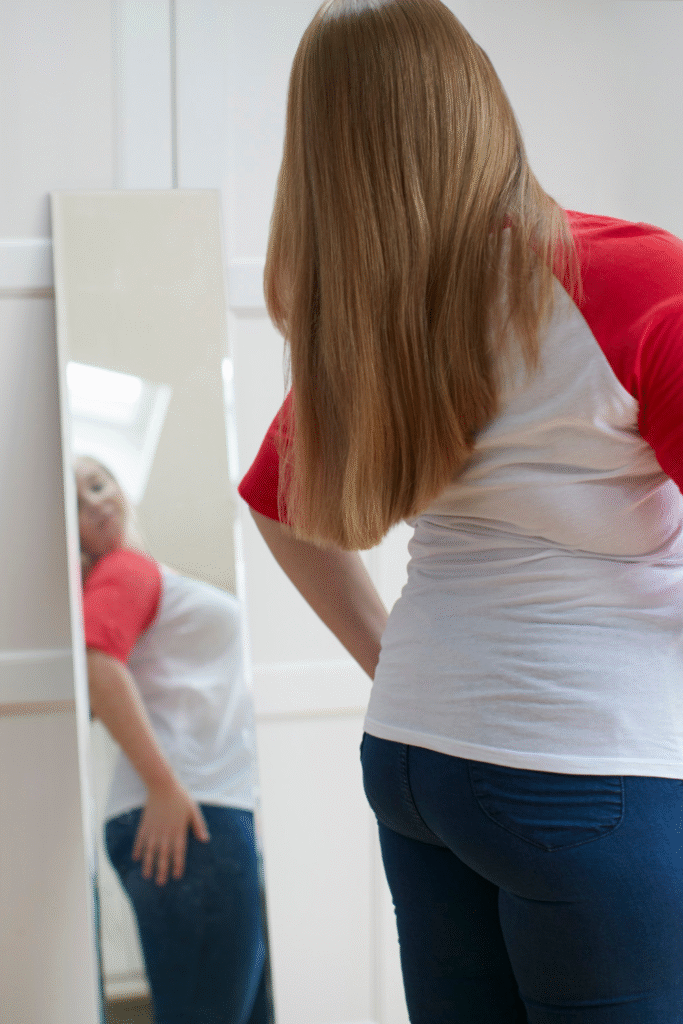
It impacts how you see yourself in the mirror and how you feel about your body during everyday activities.
People often underestimate how deeply body image intertwines with self-esteem, emotional well-being, and even physical health.
For example, two people of the same size might perceive themselves differently because their self-image is shaped by personal experiences, societal pressures, or even family upbringing.
Body image can either be positive or negative, depending on how much you align with what you perceive as “ideal.”
Understanding this concept provides the foundation for improving how you relate to your body.
The key is recognizing that body image isn’t static; it’s a learned perspective. This means it’s something you can actively transform.
A quick reflection exercise could be journaling your body-related thoughts each morning to notice patterns and triggers for negative thinking.
Even cultural references and influencers play a role in shaping body image. Exploring these influences can help you rethink whether your standards are personal or imposed.
This cyclical nature of expectations and self-perception is why recognizing and adjusting body image is critical for well-being.
Why Is Body Image and wellness Important?
Body image affects more areas of life than you might realize. Your self-esteem, emotional stability, and even physical health are tied to your relationship with your body.
But why is body image and wellness important for your overall wellness? It begins with how it influences your daily interactions and mental state.
When you have a healthy body image, you’re more likely to make nourishing choices for yourself.
People with positive perceptions of their bodies are more confident and less likely to engage in unsafe dieting, extreme exercise, or destructive behaviors.
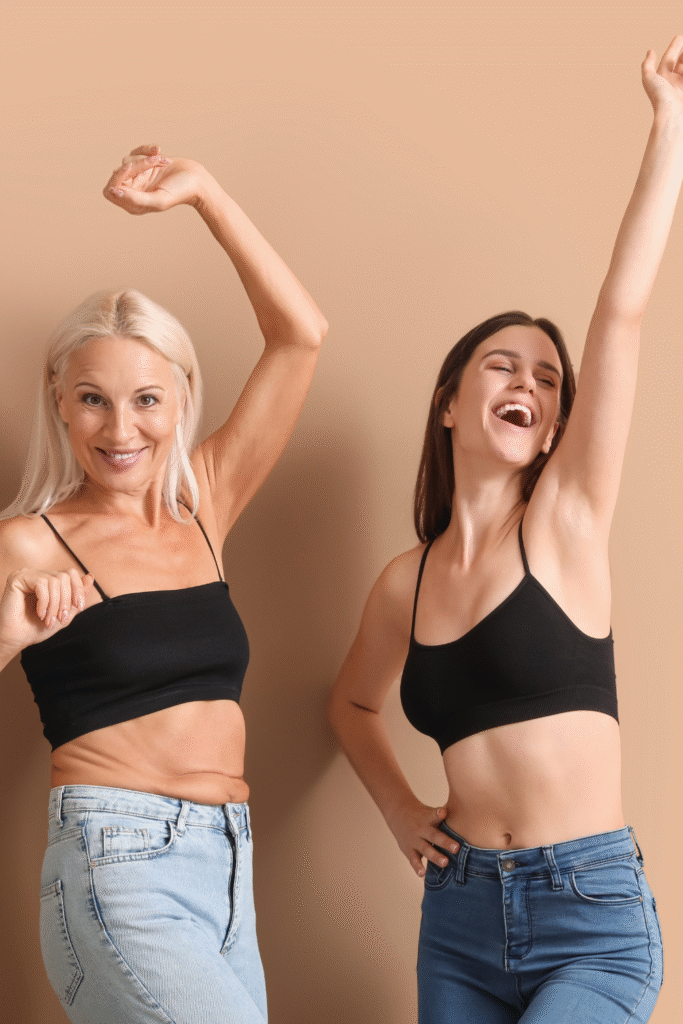
For instance, positive body image examples include someone feeling comfortable at the beach regardless of societal standards.
They feel a sense of freedom, not restraint. Conversely, a person with a negative body image might isolate themselves or overexert during workouts in pursuit of unattainable goals.
Body image is also important because it serves as a lens through which you view other people.
If your personal perception is clouded by negative thoughts, this can extend into relationships and lead to judgments or envy.
Cultivating a healthy body image can therefore create ripple effects in how you relate to others and the world around you.
The Four Types of Body Image
There are four key types of body image that describe how individuals perceive their bodies. These categories provide a structured way to understand and address body image perspectives.
- Perceptual Body Image
This is how you see your body. It may not align with reality, as distortions are common. For instance, a person might feel larger or thinner than they actually are.
- Affective Body Image
This relates to the emotions you feel about your body. Positive or negative feelings can greatly impact self-esteem.
- Cognitive Body Image
The thoughts and beliefs you have about your body’s appearance form the cognitive dimension. It shapes the standards and goals you set.
- Behavioral Body Image
This refers to the actions you take related to your body image. Example behaviors could range from avoiding mirrors to adopting healthy practices like yoga for self-acceptance.
Addressing all aspects matters since they’re interconnected; a small step forward in one area can improve others.
| Aspect | Definition | Example |
|—————————|———————————————–|——————————————-|
| Perceptual Body Image | How you see yourself | Seeing yourself as overweight when you’re not|
| Affective Body Image | How you feel about your appearance | Feeling ashamed of a scar |
| Cognitive Body Image | Beliefs about body appearance | Believing slimness equals happiness |
| Behavioral Body Image | Actions based on self-image | Avoiding social outings due to insecurities |
Positive Body Image Examples to Inspire Change
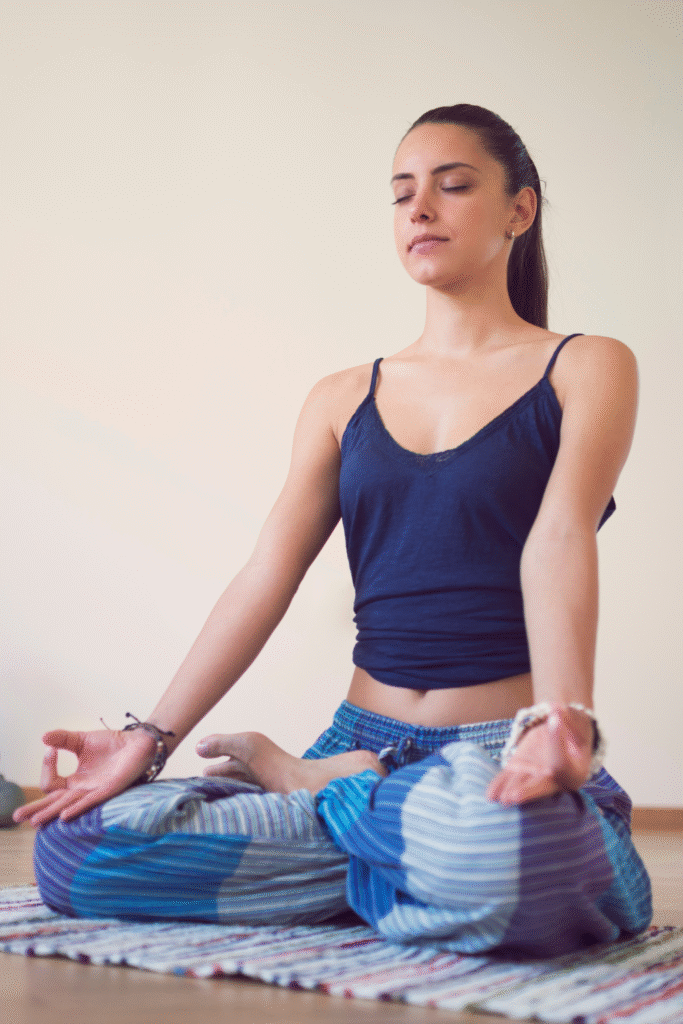
Cultivating a positive body image and wellness starts with recognizing real-life examples of self-acceptance.
These demonstrate resilience against societal standards and highlight the diversity of beauty.
One inspiring example is Olympic gymnast Simone Biles. Despite her petite stature, she embraces her muscular build.
Another is actress Jameela Jamil, who challenges unattainable body expectations with candid stories about body dysmorphia and media deception.
Everyday positive examples include wearing what feels comfortable rather than conforming to trends, or celebrating post-pregnancy bodies for their life-giving capacity rather than trying to erase changes.
Likewise, seeing people confidently enjoying outdoor activities or joining body-positive movements promotes community-level change.
Remember, exposure to these examples gradually reshapes your internal narrative and creates a more compassionate relationship with your own body.
How to Improve Body Image Daily
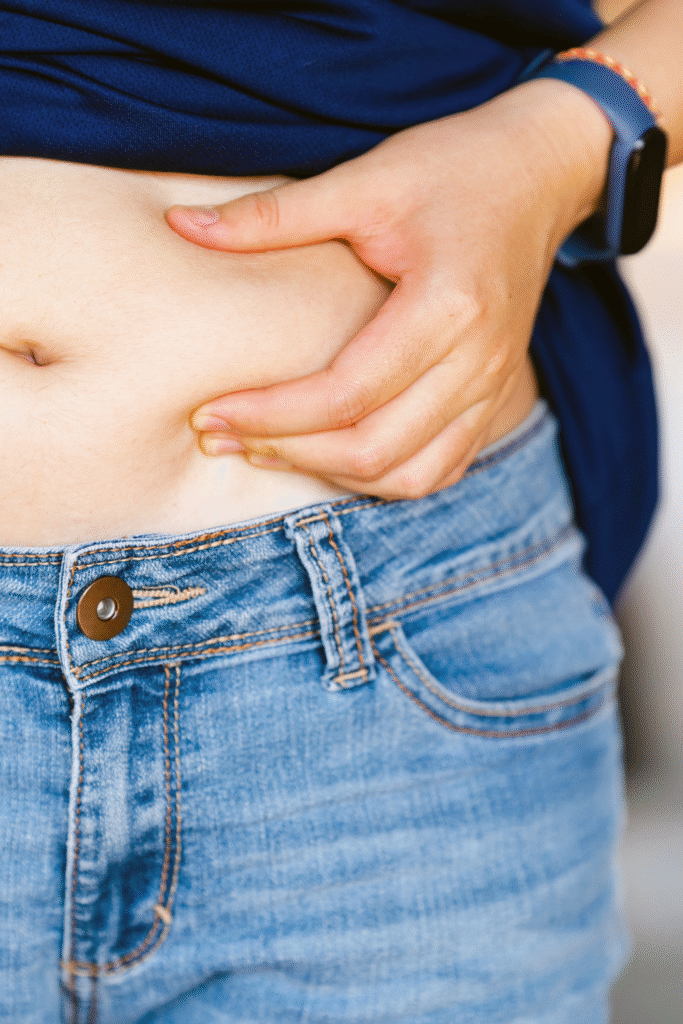
Making small, consistent changes can transform body image over time. Here are several actionable ways to enhance this relationship every day:
- Practice Gratitude – Appreciate your body for what it does, not how it looks.
- Limit Social Media – Reduce exposure to overly curated images.
- Enjoy Movement – Exercise for joy, not punishment.
- Affirm Yourself – Use daily affirmations like “I deserve love and care.”
- Surround Yourself with Positivity – Spend time with supportive people and communities.
- Wear Comfortable Clothing – Choose clothes that feel good on your body.
- Journal Feeling Triggers – Understand what negative patterns arise and why.
- Break Comparison Cycles – Instead of comparing yourself to others, celebrate your uniqueness.
Focusing on self-care rather than self-critique makes an immediate and long-term impact on wellness.
The Link Between Body Image and Wellness
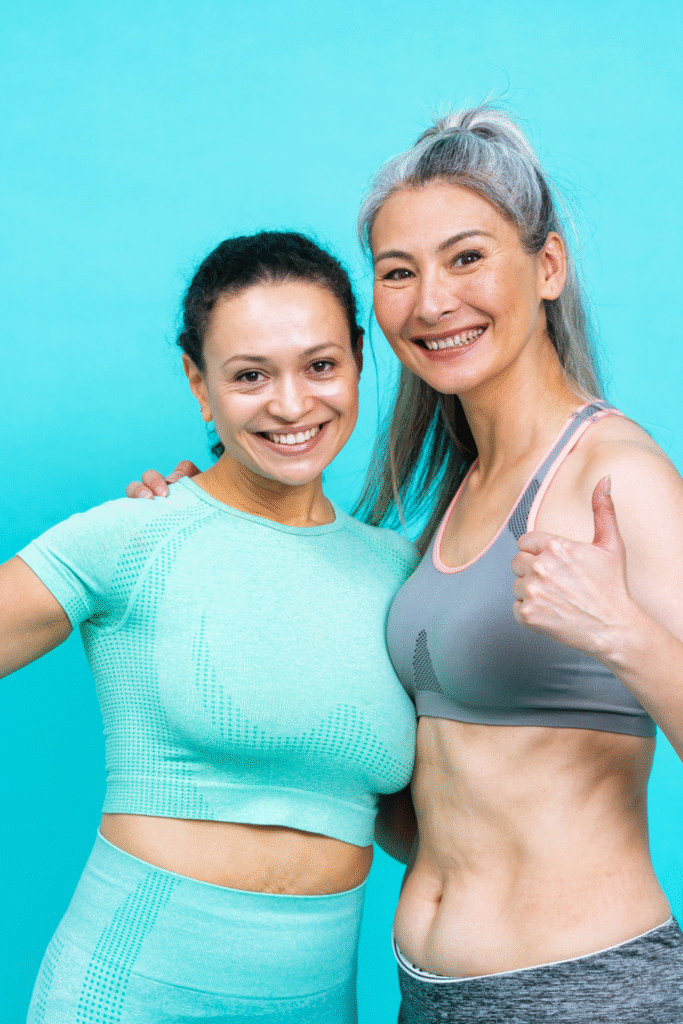
Body image plays a crucial role in overall wellness, as it directly impacts mental, emotional, and physical health.
A positive body image and wellness fosters self-esteem, confidence, and a healthy mindset, allowing individuals to engage in self-care practices with greater consistency and joy.
Conversely, a negative body image can lead to stress, anxiety, and unhealthy behaviors such as disordered eating or over-exercising.
It may also affect social interactions and limit one’s ability to fully enjoy life.
Nurturing a positive relationship with one’s body encourages a more balanced approach to wellness, where the focus shifts from perfection to self-acceptance and personal growth.
Recognizing the intrinsic connection between how we view ourselves and how we treat ourselves is a pivotal step toward achieving holistic health.
The Impact of Self-Criticism on Body Image
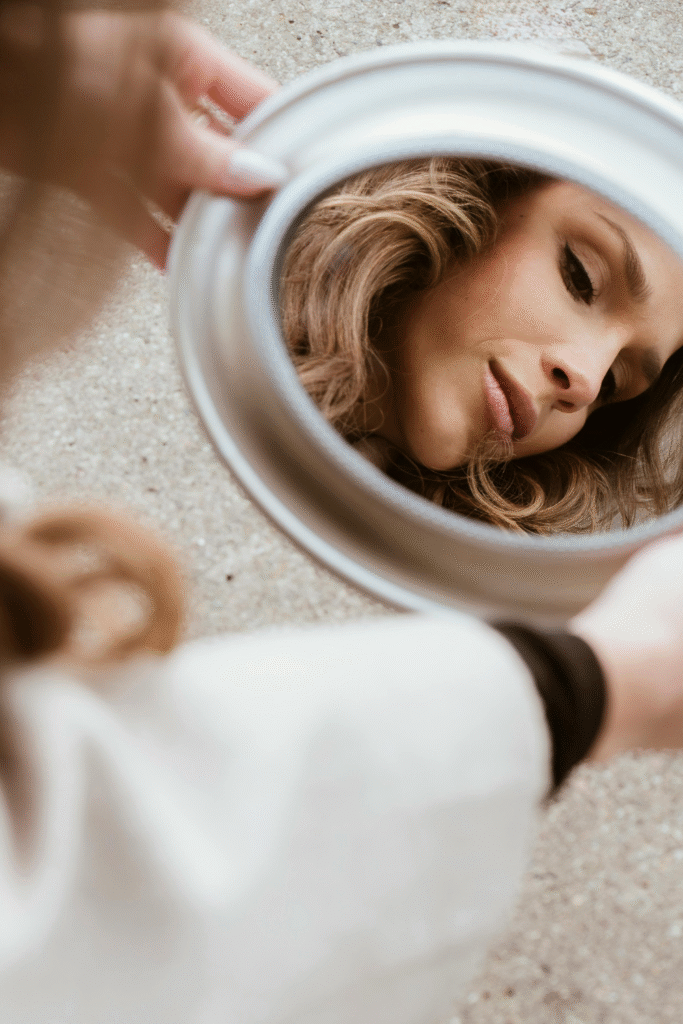
Self-criticism can profoundly affect body image, often fostering negative perceptions and reducing self-esteem.
When individuals habitually focus on perceived flaws or imperfections, they may develop an unrealistic and overly critical view of themselves.
This can create a harmful cycle where negative thoughts lead to diminished confidence, which in turn fuels further self-criticism.
Over time, this mindset may contribute to mental health struggles such as depression, anxiety, and feelings of worthlessness.
Left unchecked, self-criticism can also lead to unhealthy coping mechanisms, including extreme dieting or avoidance of social situations.
Cultivating self-compassion and practicing positive self-talk are critical steps in breaking this cycle, allowing individuals to view their bodies with kindness and respect while fostering a healthier and more empowering self-image.
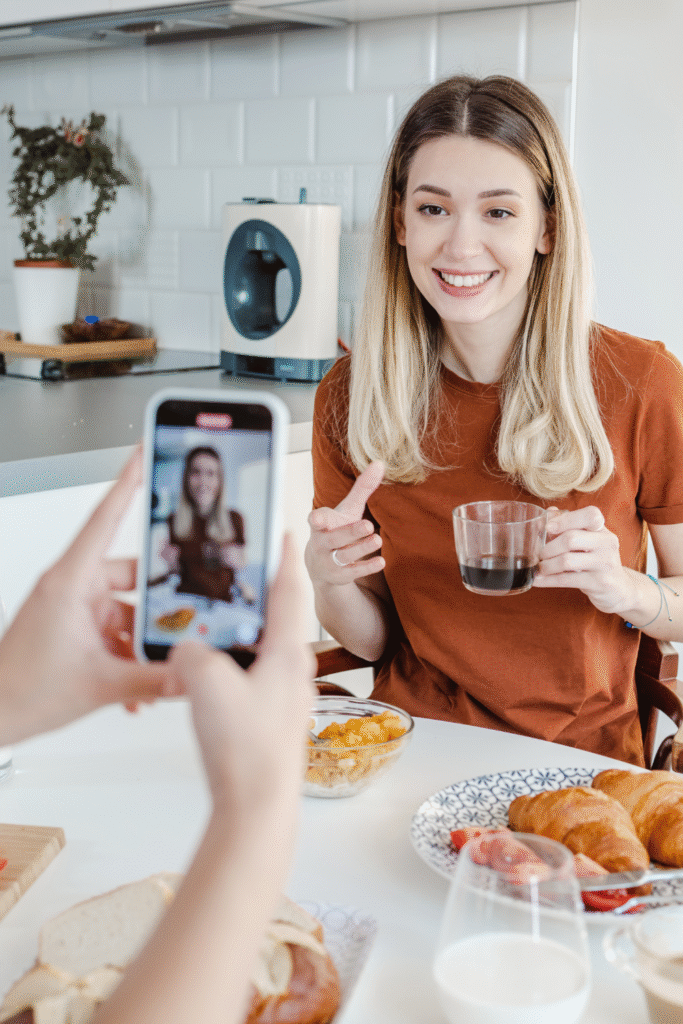
How Media Influences Body Image and Wellness
The media plays a significant role in shaping perceptions of body image, often promoting unrealistic and narrow standards of beauty.
Advertisements, social media platforms, television shows, and movies frequently feature heavily edited or idealized images of bodies, creating a distorted view of what is considered “normal” or “attractive.”
This constant exposure can lead to body dissatisfaction, particularly when individuals compare themselves to unattainable ideals portrayed in the media.
Social media compounds this issue by providing a platform for curated and filtered content, which often emphasizes perfection over authenticity.
Algorithms tend to prioritize these curated images, reinforcing societal pressures and making individuals, especially young people, more vulnerable to feelings of inadequacy.
Furthermore, media representations have historically excluded body diversity, making it difficult for people from varied backgrounds, shapes, and sizes to feel seen or valued.
Recognizing these influences is an essential step in combatting their impact, as it allows individuals to critically evaluate the messaging they consume and work toward a more inclusive and accepting perspective of body image.
Cultivating Realistic Body Image Goals
Fostering a realistic and positive body image requires a conscious effort to challenge societal norms and prioritize self-acceptance.
One key step is focusing on personal health and well-being rather than striving for an idealized or unattainable appearance.
Setting achievable goals that align with individual health needs, rather than external expectations, can lead to both physical and mental improvements.
Additionally, limiting exposure to media that promotes unrealistic beauty standards and diversifying the sources of content consumed can help encourage a more inclusive and balanced perspective.
Building a support system of friends, family, or professionals who emphasize self-worth beyond physical appearance can further reinforce body-positive attitudes.
Ultimately, nurturing realistic body image and wellness goals involves a shift from self-criticism to self-compassion, emphasizing the value of individuality and the uniqueness of every body.
The Role of Stress in Self-Image and Wellness
Stress plays a significant role in shaping self-image and overall wellness.
High levels of stress can exacerbate feelings of inadequacy or dissatisfaction, particularly when individuals face pressures to meet societal or personal expectations about appearance.
Chronic stress activates the body’s fight-or-flight response, often leading to behaviors such as unhealthy eating patterns, lack of sleep, or neglect of physical activity, all of which can negatively impact both physical health and self-perception.
Additionally, stress can amplify negative self-talk, making it harder to develop a positive body image or maintain emotional balance.
To mitigate these effects, adopting stress management techniques such as mindfulness, exercise, or professional counseling can be integral.
By addressing stress, individuals can foster a deeper sense of self-acceptance and prioritize overall well-being.
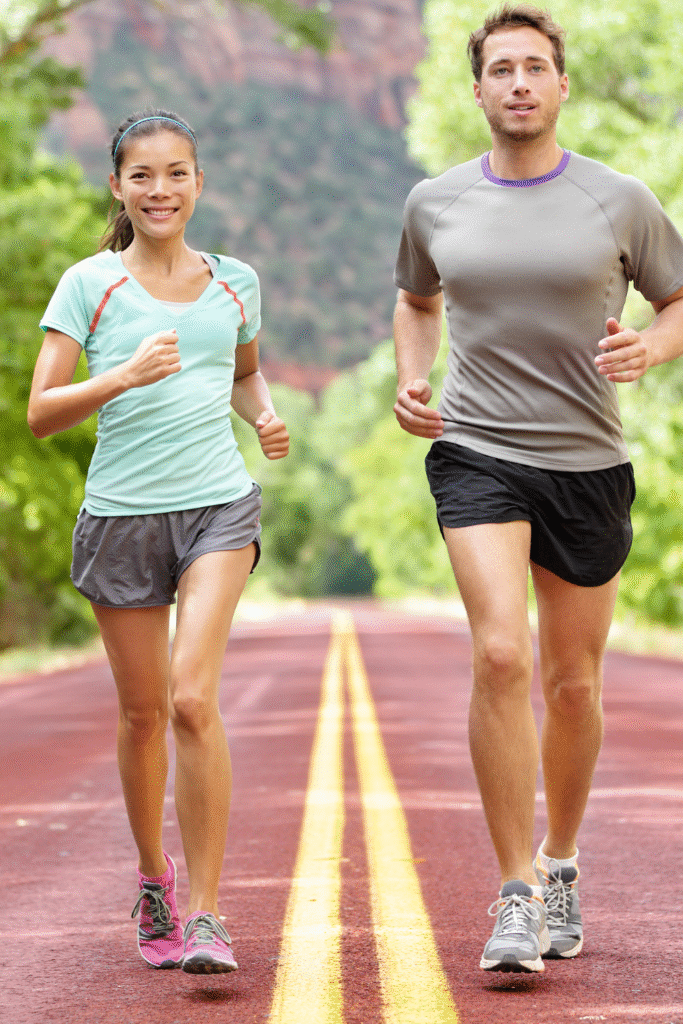
How to Build a Positive Feedback Loop with Your Body
Creating a positive feedback loop with your body involves fostering habits and practices that reinforce both physical and mental well-being.
Start by setting achievable health goals, such as incorporating regular, enjoyable physical activities into your routine or focusing on balanced, nutrient-rich meals.
These steps not only enhance physical health but also improve mental clarity and energy levels, creating a cycle of motivation and progress.
Additionally, practice self-compassion and gratitude for your body.
Instead of fixating on perceived flaws, acknowledge the incredible things your body allows you to do daily.
Celebrate small victories, like completing a workout or preparing a healthy meal, as they serve as positive reinforcement.
Over time, these accomplishments build confidence and encourage continued self-care.
Consistent mindfulness practices, such as yoga or meditation, can help you connect with your body on a deeper level.
Listening to your body’s needs—whether it’s rest, movement, or nourishment—helps create a sense of harmony and balance.
By respecting your body and responding to its cues positively, you establish a sustainable cycle of self-care that promotes overall well-being and resilience.
Body Image and Wellness Examples from Real Life
Real-life examples of positive body image and wellness can be found in stories of individuals who have embraced their unique forms and challenged societal standards.
For example, athletes like Serena Williams have openly discussed how they learned to celebrate their strong and powerful bodies, defying conventional ideals of femininity.
Similarly, public figures such as Lizzo have become advocates for body positivity, using their platforms to highlight the importance of self-love and acceptance regardless of size or shape.
Everyday people also demonstrate powerful journeys toward healthier body image—for instance, someone overcoming negative self-talk by focusing on what their body can achieve, such as running a marathon or recovering from an injury.
These stories remind us that self-acceptance is a deeply personal but universal challenge that can be met with courage, intention, and the support of a compassionate community.
Using Mindfulness to Improve Body Image
Mindfulness can be a powerful tool for improving body image and wellness by helping individuals cultivate a nonjudgmental awareness of their thoughts and feelings about themselves.
Practicing mindfulness allows people to focus on the present moment, letting go of negative self-perceptions that may arise from unrealistic societal standards or past experiences.
Techniques such as mindful breathing, body scans, or meditation can foster a deeper connection with one’s body by emphasizing what it feels like to exist within it, rather than what it looks like.
For example, a mindful body scan allows someone to notice sensations, tension, or comfort without assigning judgment, encouraging gratitude for their body’s abilities rather than criticizing its appearance.
Over time, this practice can shift the focus from aesthetic concerns to self-acceptance and appreciation for the body’s resilience, leading to a healthier and more positive perspective.
Practical Tips for Self-Care and Body Acceptance
- Practice Mindful Movement
Engage in physical activities that you genuinely enjoy rather than those driven by aesthetic goals. Activities like yoga, dancing, walking, or swimming can help you connect with your body’s capabilities and bring a sense of joy and relaxation.
- Limit Negative Media Exposure
Be mindful of the media you consume, especially sources that perpetuate unrealistic beauty standards. Curate your social media feeds to include body-positive accounts, inspiring figures, or content that uplifts and reinforces self-acceptance.
- Focus on What Your Body Can Do
Instead of focusing on appearance, celebrate the amazing things your body does for you daily—whether it’s carrying you through a long day, allowing you to experience nature, or expressing creativity through hobbies.
- Practice Gratitude
Spend a moment each day reflecting on three things about your body that you’re grateful for. This simple practice can encourage a more compassionate and appreciative mindset towards yourself.
- Challenge Negative Self-Talk
When you catch yourself thinking critically about your body, pause and reframe those thoughts. Replace negativity with affirmations or kind words, acknowledging that all bodies are unique and deserving of respect.
- Wear Comfortable Clothing
Choose clothing that makes you feel good and moves comfortably with your body. The right outfit can not only boost confidence but also remind you to prioritize your comfort and well-being over societal expectations.
- Seek Support
Surround yourself with supportive friends, family, or communities that encourage self-love and acceptance. Sharing experiences and hearing positive reinforcement can help strengthen your own relationship with your body.
FAQs
- How can I start improving my body image and wellness?
Start by focusing on the aspects of your body that you appreciate and practice gratitude for what your body allows you to do. Small, consistent efforts toward self-acceptance can lead to gradual, meaningful change.
- What should I do when I’m having a bad body image day?
On tough days, try to be kind to yourself. Engage in activities that make you feel good, like spending time with loved ones or doing something creative. Avoid negative self-talk and challenge critical thoughts with affirmations.
- Can social media negatively affect body image and wellness?
Yes, exposure to unrealistic standards on social media can impact body image. Consider curating your feed to follow accounts that promote inclusivity, positivity, and authenticity to foster a healthier mindset.
- What role does self-care play in body acceptance?
Self-care is vital for nurturing a healthy relationship with your body. Activities like adequate rest, nourishing meals, physical movement, and relaxation contribute to overall well-being and reinforce positive body image.
- Is it normal to feel insecure about my body sometimes?
Absolutely, it’s normal to have moments of insecurity. What matters most is how you address those feelings and remind yourself that your worth is not defined by your appearance.