Table of Contents
- Introduction: Your Kitchen as a Health and Wealth Hub
- What are Cooking Skills?
- The Theory of Cooking Skills
- The Impact of Cooking and Food-Related Skills on Diet Quality
- Importance of Cooking Skills for Students
- Do Cooking Skills Affect Healthy Eating in College Students?
- Learning Cooking Skills at Different Ages: Research Insights
- Financial Benefits: How Cooking Skills Save Money
- Nutritional Advantages of Home Cooking
- Building Your Cooking Skill Foundation
- Study of Cooking: What Research Reveals
- Essential Nutrition and Cooking Skills Resources
- Frequently Asked Questions
- Conclusion: Start Your Journey Today
Introduction: Your Kitchen as a Health and Wealth Hub {#introduction}
Your kitchen holds the power to transform both your health and your bank account. Research consistently shows that people who cook regularly enjoy better nutrition, maintain healthier weights, and spend significantly less on food than those who rely on restaurants and processed meals.
The relationship between cooking skills and well-being runs deeper than you might expect. When you develop culinary competence, you gain control over ingredients, portions, and preparation methods. This control translates into measurable improvements in diet quality, with home cooks consuming more fruits, vegetables, and whole grains while reducing their intake of calories, sodium, and unhealthy fats.
Beyond health benefits, cooking skills deliver substantial financial returns. The average American household spends over $3,500 annually on dining out, while home-cooked meals cost roughly 60% less per serving. Over a lifetime, this difference can fund a house down payment or secure retirement savings.
This comprehensive guide explores how nutrition and cooking skills create a powerful combination for better health and increased wealth. You’ll discover research-backed strategies, practical tips, and actionable steps to transform your relationship with food and money.
What are Cooking Skills? {#what-are-cooking-skills}
Cooking skills encompass the knowledge, techniques, and abilities needed to prepare safe, nutritious, and enjoyable meals. These skills range from basic food safety practices to advanced culinary techniques, but they all share a common purpose: transforming raw ingredients into nourishing food.
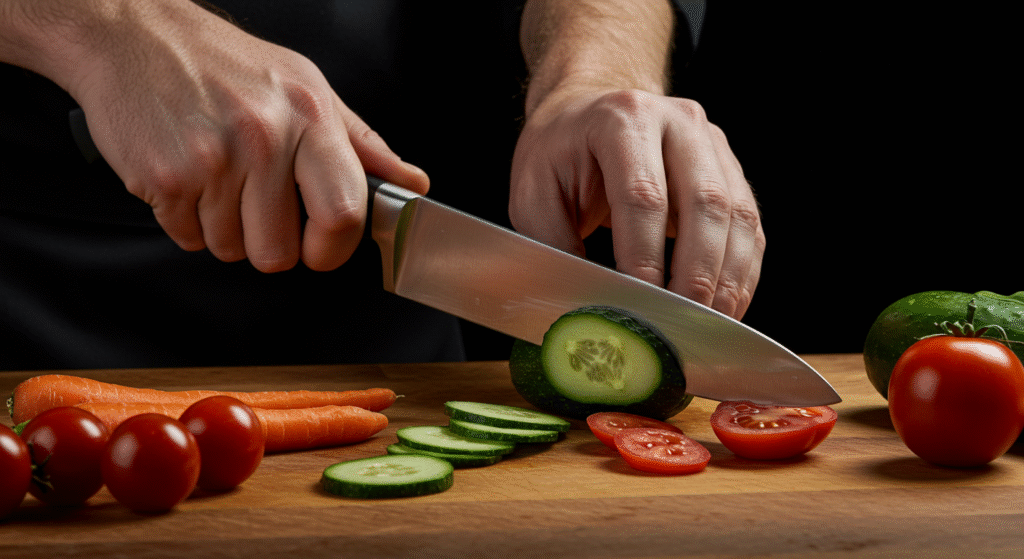
At their foundation, cooking skills include knife work, heat management, and seasoning. Proper knife techniques ensure safety and efficiency, while understanding heat allows you to control texture and flavor development. Seasoning knowledge helps you balance tastes and create appealing dishes that satisfy both nutritional needs and sensory preferences.
Food safety represents another critical component of cooking skills. Understanding proper storage temperatures, cross-contamination prevention, and safe cooking temperatures protects you and your family from foodborne illness. These practices become second nature with experience but require initial learning and consistent application.
Meal planning and preparation skills extend beyond the cooking process itself. Effective cooks learn to shop strategically, store ingredients properly, and organize their cooking time efficiently. They understand how to batch-cook components, repurpose leftovers, and adapt recipes based on available ingredients.
Nutritional knowledge enhances cooking skills by informing ingredient choices and preparation methods. Skilled cooks understand how different cooking techniques affect nutrient retention and can modify recipes to improve their nutritional profile without sacrificing taste.
Time management and organizational skills separate competent cooks from stressed kitchen novices. Experienced cooks develop systems for efficient meal preparation, from mise en place techniques to strategic use of kitchen equipment. They learn to multitask safely and coordinate multiple dishes for complete meals.
Equipment proficiency allows cooks to maximize their kitchen tools’ potential. This includes understanding when to use specific pots, pans, or appliances, as well as proper maintenance and care of kitchen equipment. Skilled cooks can adapt recipes based on available tools and achieve consistent results.
Recipe comprehension and adaptation skills enable cooks to follow instructions accurately while making intelligent modifications. They understand cooking terminology, can substitute ingredients effectively, and recognize when dishes need adjustments during preparation.
Sensory evaluation skills help cooks assess doneness, adjust flavors, and troubleshoot problems during cooking. These skills develop through experience and enable cooks to create consistently delicious meals even when working with new recipes or ingredients.
Finally, cooking skills include creativity and problem-solving abilities that allow cooks to work with what they have, adapt to dietary restrictions, and create satisfying meals from simple ingredients. These higher-level skills develop as basic techniques become automatic.
The Theory of Cooking Skills {#theory-of-cooking-skills}
The theory of cooking skills draws from multiple disciplines, including nutrition science, behavioral psychology, and culinary arts education. This theoretical framework explains how cooking competence develops and why it produces such significant impacts on health and financial well-being.
Social cognitive theory provides one lens for understanding cooking skill development. According to this framework, people learn cooking skills through observation, practice, and feedback. Self-efficacy beliefs—confidence in one’s ability to perform cooking tasks—play a crucial role in skill development and long-term cooking behavior maintenance.
The theory emphasizes that cooking skills exist on a continuum from basic food safety awareness to advanced culinary creativity. Individuals progress through predictable stages, beginning with simple techniques and gradually building complexity as confidence grows. This progression pattern has important implications for cooking education and skill-building programs.
Behavioral economics theory helps explain why cooking skills create financial benefits. When people develop cooking competence, they reduce their reliance on convenience foods and restaurant meals, which carry significant price premiums. The theory suggests that cooking skills create a “substitution effect,” where home-prepared meals replace more expensive alternatives.
Self-determination theory illuminates the psychological benefits of cooking skill development. The theory identifies three basic psychological needs: autonomy, competence, and relatedness. Cooking skills satisfy all three needs by providing control over food choices (autonomy), mastery of practical abilities (competence), and opportunities for social connection through shared meals (relatedness).
Nutritional science theory explains the health benefits of cooking skills through several mechanisms. Home cooking typically involves less processing, fewer additives, and more nutrient-dense ingredients than commercial food preparation. Skilled cooks also have greater control over portion sizes, cooking methods, and ingredient quality, all factors that influence nutritional outcomes.
The theory of planned behavior offers insights into how cooking skills translate into healthier eating patterns. This framework suggests that attitudes toward cooking, social norms around home food preparation, and perceived behavioral control all influence cooking intentions and behaviors. Strong cooking skills enhance perceived behavioral control, making healthy eating more achievable.
Food systems theory situates cooking skills within broader social and environmental contexts. This perspective recognizes that individual cooking abilities interact with food access, cultural traditions, economic resources, and policy environments to shape eating patterns and health outcomes.
Skill acquisition theory from cognitive psychology describes how cooking skills develop from conscious, effortful processes to automatic, efficient behaviors. This progression explains why initial cooking skill development requires significant mental resources, while experienced cooks can prepare meals with minimal cognitive load.
The theory also incorporates ecological perspectives that recognize cooking as embedded within household systems. Family dynamics, time constraints, kitchen resources, and cultural preferences all influence how cooking skills develop and get applied in daily life.
Finally, the theory acknowledges that cooking skills represent forms of cultural capital that can be transmitted across generations and social groups. This perspective highlights the importance of cooking education and the role of social support in skill development and maintenance.
The Impact of Cooking and Food-Related Skills on Diet Quality {#impact-on-diet-quality}
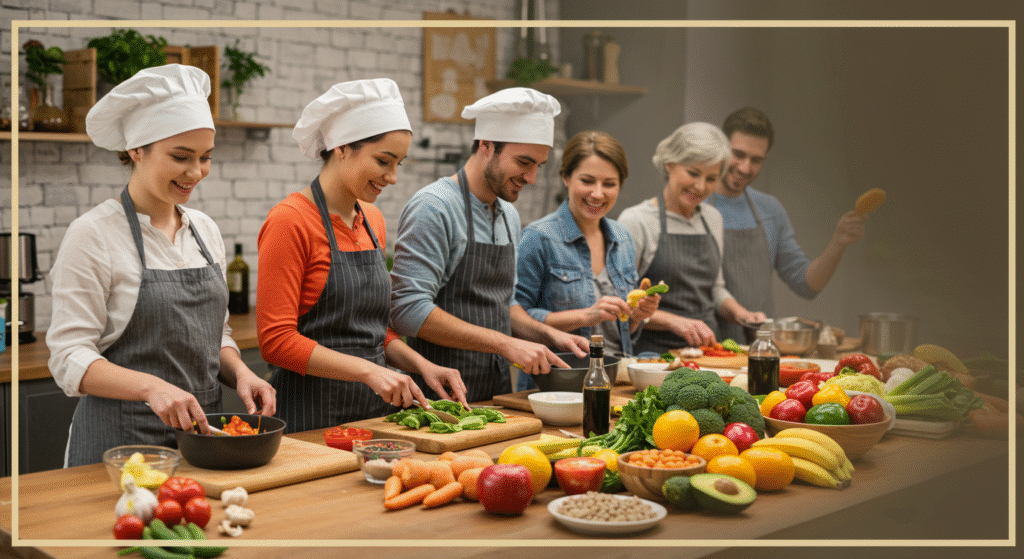
Research consistently demonstrates that cooking and food-related skills significantly improve diet quality across multiple dimensions. People with stronger cooking abilities consume more fruits, vegetables, whole grains, and lean proteins while reducing their intake of processed foods, added sugars, and excessive sodium.
A landmark study published in the American Journal of Preventive Medicine found that individuals who cooked dinner frequently consumed 2.5 more servings of fruits and vegetables daily compared to those who cooked infrequently. This difference represents a substantial improvement in micronutrient intake and dietary fiber consumption.
The impact on sodium reduction is particularly noteworthy. Restaurant meals and processed foods contain dramatically higher sodium levels than home-prepared alternatives. Skilled home cooks typically consume 200-300mg less sodium daily than their non-cooking counterparts, a reduction that translates into meaningful cardiovascular health benefits over time.
Cooking skills also improve diet quality through better portion control. Home-prepared meals average 200-300 fewer calories per serving than restaurant equivalents, primarily due to smaller portion sizes and reduced use of calorie-dense ingredients like oils, butter, and sugars in excessive amounts.
The quality of dietary fats improves significantly among skilled cooks. Home cooking allows for deliberate choices about cooking oils, nuts, seeds, and other fat sources. Research shows that frequent home cooks consume higher ratios of unsaturated to saturated fats and are more likely to include omega-3 rich foods in their diets.
Meal timing and eating pattern quality also benefit from cooking skills. People who cook regularly are more likely to eat breakfast, have structured meal times, and avoid excessive snacking. These patterns support better metabolic health and weight management outcomes.
Cooking skills particularly benefit the consumption of nutrient-dense whole foods that require preparation. Raw vegetables, dried legumes, whole grains, and fresh herbs become more accessible when people possess the knowledge and confidence to prepare them properly. This accessibility translates into increased consumption of these beneficial foods.
The impact extends to food variety and dietary diversity. Skilled cooks typically consume a wider range of foods than non-cooks, partly because they can prepare unfamiliar ingredients and adapt recipes to their preferences. Greater dietary diversity generally correlates with better nutritional adequacy.
Cooking skills also reduce reliance on ultra-processed foods, which have been linked to numerous health problems including obesity, cardiovascular disease, and metabolic dysfunction. Home cooks naturally gravitate toward minimally processed ingredients, improving their overall diet quality profile.
The benefits compound over time, as cooking skills enable sustainable dietary improvements that persist across life stages. Unlike temporary diet interventions, cooking skills provide lasting capabilities that support healthy eating throughout various life circumstances and changing nutritional needs.
Research also reveals that the impact of cooking skills on diet quality extends beyond the cook themselves to family members and household partners, creating positive spillover effects that amplify the population-level health benefits of cooking skill development.
Importance of Cooking Skills for Students {#cooking-skills-for-students}
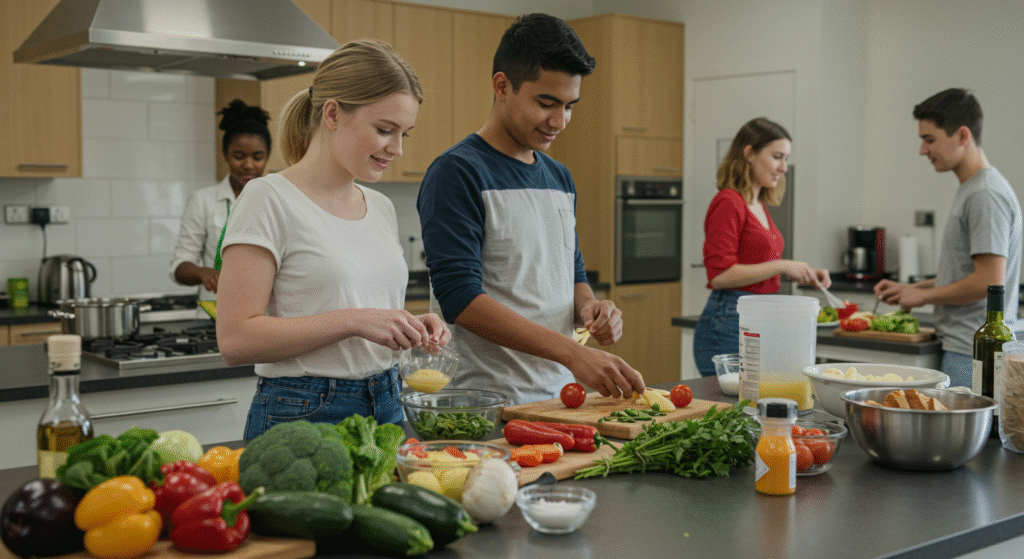
Students face unique challenges that make cooking skills particularly valuable for their health, finances, and academic success. The transition to independent living often coincides with decreased diet quality and increased reliance on processed foods, making cooking competence a crucial life skill for this population.
Financial pressures affect most students, and cooking skills provide direct economic benefits. Students who cook regularly can reduce their food expenses by 40-60% compared to those who rely primarily on dining halls, takeout, and convenience foods. This savings can significantly impact student debt levels and financial stress.
Time constraints represent another major challenge for students, but cooking skills actually help solve this problem rather than exacerbate it. Students with strong cooking abilities can prepare nutritious meals quickly and efficiently, often in less time than it takes to order and receive delivery food.
The cognitive demands of academic life require optimal brain nutrition, which cooking skills help provide. Home-prepared meals typically contain more brain-supporting nutrients like omega-3 fatty acids, B vitamins, and antioxidants while containing fewer inflammatory ingredients that can impair cognitive function.
Social benefits emerge as students use cooking skills to connect with peers, roommates, and new communities. Shared cooking experiences create opportunities for relationship building and cultural exchange that enhance the college experience beyond academics.
Stress management becomes more effective when students possess cooking skills. The act of cooking can serve as a meditative practice that provides stress relief, while proper nutrition supports better stress resilience and mental health outcomes.
Sleep quality often improves among students who cook regularly, partly due to better blood sugar regulation from home-prepared meals and partly because cooking routines can support healthy evening schedules that promote better sleep hygiene.
Academic performance benefits directly from cooking skills through improved nutrition and indirectly through better time management and reduced financial stress. Students who cook report higher energy levels, better concentration, and improved mood—all factors that support academic success.
Independence and self-efficacy develop naturally as students master cooking skills. This competence builds confidence that extends beyond the kitchen into other areas of life and academic challenges.
Long-term health habits form during the student years, making this a critical period for cooking skill development. Students who learn to cook are more likely to maintain healthy eating patterns throughout their careers and family life.
The importance of cooking skills for students extends beyond individual benefits to include preparation for post-graduation life, where cooking abilities become essential for maintaining health and managing household budgets in professional settings.
Do Cooking Skills Affect Healthy Eating in College Students? {#college-student-eating}
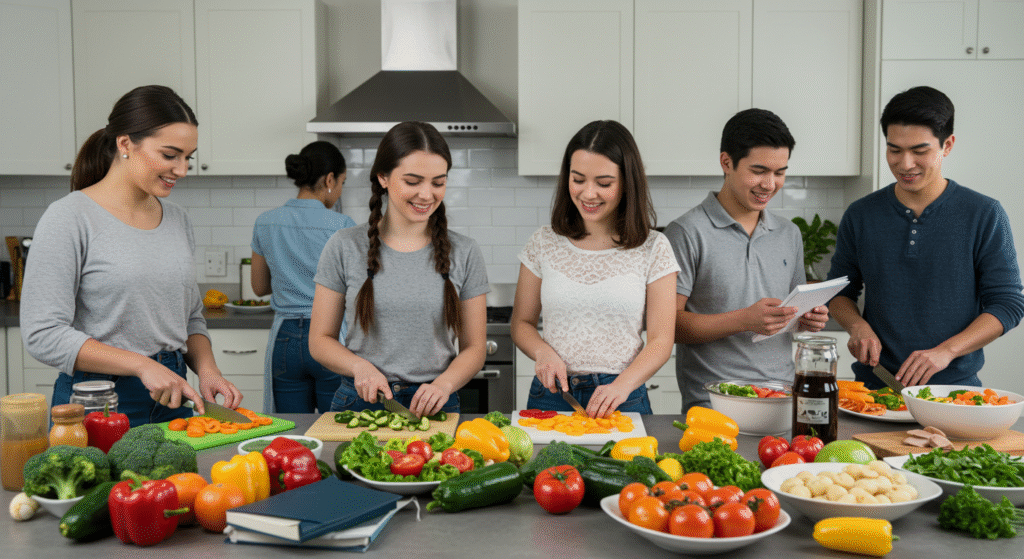
Multiple research studies confirm that cooking and food preparation skills significantly affect healthy eating patterns among college students. A comprehensive study published in the Journal of Nutrition Education and Behavior found that college students with higher cooking confidence consumed more fruits, vegetables, and whole grains while eating fewer fast food meals and sugar-sweetened beverages.
The mechanism appears to work through several pathways. Students with stronger cooking skills demonstrate greater self-efficacy around food choices and meal preparation. This confidence translates into more frequent home cooking and reduced reliance on less healthy convenience options available on campus and in surrounding areas.
Time perception plays a crucial role in this relationship. Students often believe that cooking takes too much time, but research shows that students with developed cooking skills actually spend less time on food-related activities overall. They cook more efficiently and require less time for food shopping and meal planning.
Budget consciousness strengthens the relationship between cooking skills and healthy eating among college students. Students who understand food costs and preparation requirements are more likely to choose nutritious, affordable ingredients and prepare balanced meals within their financial constraints.
Social influences affect how cooking skills translate into healthy eating behaviors. Students living with roommates who cook tend to eat more healthily, while those surrounded by peers who rely on takeout and processed foods face greater challenges in maintaining healthy eating patterns, even when they possess cooking skills.
Kitchen access represents a significant moderating factor. Students with full kitchen access who possess cooking skills show the strongest associations with healthy eating patterns. Those with limited facilities benefit less from cooking skills, though they still show improvements compared to students without cooking abilities.
Academic stress levels influence how cooking skills affect eating behaviors. During high-stress periods like exams, even students with strong cooking skills may revert to less healthy convenience options. However, these students typically return to healthier eating patterns more quickly once stress levels decrease.
The study of cooking skills reveals that hands-on cooking experience matters more than theoretical nutrition knowledge alone. Students who learned cooking through practice showed stronger associations with healthy eating than those who only received classroom-based nutrition education.
Cultural background influences how cooking skills translate into healthy eating among college students. Students from families with strong cooking traditions tend to maintain healthier eating patterns in college, while those from families that relied heavily on processed foods face greater challenges.
Long-term follow-up studies suggest that the relationship between cooking skills and healthy eating strengthens over time. Students who maintain and develop their cooking abilities during college show improved eating patterns in post-graduation follow-ups compared to their college years.
The evidence strongly supports targeted cooking skill interventions for college students as an effective strategy for promoting healthy eating patterns during this critical life transition period.
Learning Cooking Skills at Different Ages: Research Insights {#learning-at-different-ages}
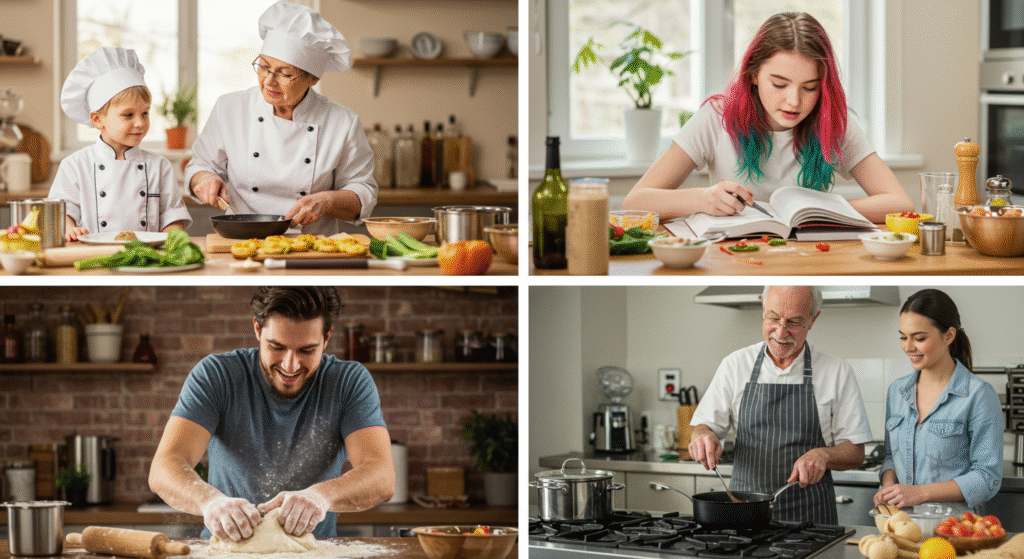
A cross-sectional study examining cooking skill development across age groups reveals that while cooking abilities can be acquired at any life stage, the timing of skill development significantly influences long-term cooking behaviors and health outcomes. The research provides important insights for designing age-appropriate cooking interventions and educational programs.
Children who learn basic cooking skills between ages 6-12 show the strongest retention of cooking behaviors into adulthood. Early exposure creates positive associations with food preparation and builds foundational skills that support more advanced learning later. These early learners are more likely to cook regularly throughout their lives and pass cooking skills to their own children.
Adolescents (ages 13-18) represent a critical window for cooking skill development. During this period, young people develop independence and identity, making cooking skills particularly appealing as markers of maturity and self-sufficiency. Adolescents who learn cooking skills show improved dietary quality that persists into early adulthood.
Young adults (ages 19-25) face unique challenges in cooking skill development due to competing priorities, limited resources, and lifestyle transitions. However, this group also shows high motivation to learn when cooking skills are framed in terms of independence, social benefits, and financial savings. Intervention programs for this age group are most successful when they address practical barriers like time and equipment access.
Adults in their 30s and 40s often seek cooking skills for family-related reasons, including desire to provide healthy meals for children and managing household budgets. This intrinsic motivation leads to strong skill acquisition, though time constraints from work and family responsibilities can limit practice opportunities.
Middle-aged adults (ages 45-65) frequently rediscover cooking skills during life transitions like empty nest syndrome or health diagnoses. This group tends to approach cooking skill development systematically and achieves high competence levels when barriers are addressed. They also show strong interest in cooking for health reasons.
Older adults (65+) face both opportunities and challenges in cooking skill development. While retirement may provide more time for cooking, physical limitations and social isolation can create barriers. However, older adults who maintain or develop cooking skills show better nutritional status and cognitive function than those who don’t cook.
The research reveals that motivation patterns differ across age groups. Children and adolescents are motivated by fun and creativity, young adults by independence and social benefits, middle-aged adults by health and family concerns, and older adults by maintaining independence and cognitive engagement.
Learning preferences also vary by age. Children learn best through hands-on exploration and play-based approaches. Adolescents prefer peer-based learning and social media integration. Young adults respond well to quick, practical techniques and online resources. Middle-aged adults appreciate systematic approaches and evidence-based information. Older adults benefit from slower-paced, repetitive instruction with clear explanations.
Skill retention patterns show that earlier learning creates stronger neural pathways and muscle memory. However, adults who learn cooking skills show rapid initial improvement and can achieve high competence levels with focused practice, especially when learning addresses immediate needs and interests.
The study suggests that successful cooking education programs should be tailored to age-specific needs, motivations, and learning preferences while recognizing that cooking skills can be successfully developed at any life stage with appropriate support and instruction methods.
Financial Benefits: How Cooking Skills Save Money {#financial-benefits}
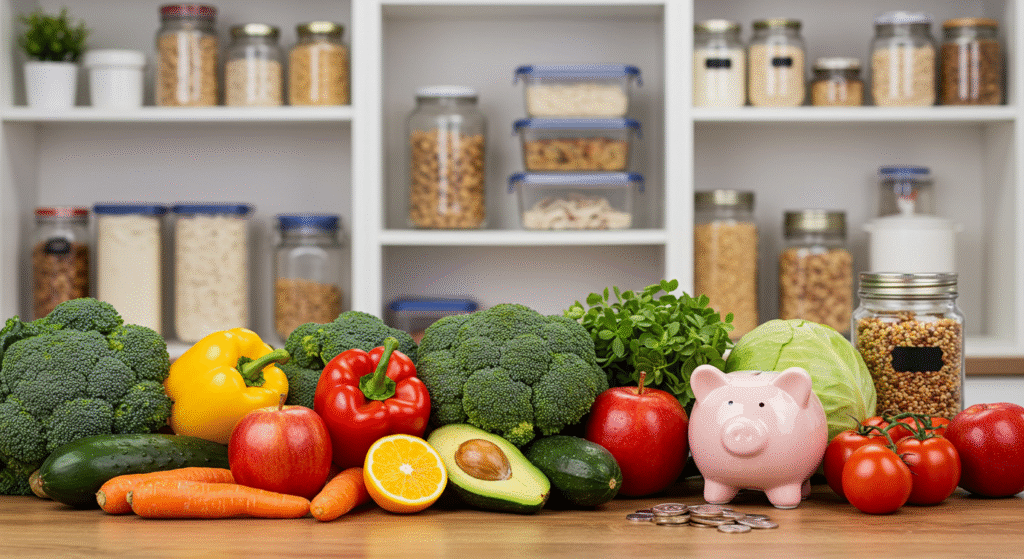
The financial benefits of cooking skills extend far beyond simple cost-per-meal calculations, creating both immediate savings and long-term wealth-building opportunities. Understanding these economic advantages provides compelling motivation for developing culinary competence and can justify the time investment required for skill development.
Direct food cost savings represent the most obvious financial benefit. Home-cooked meals typically cost 60-80% less per serving than restaurant equivalents and 40-50% less than high-quality prepared foods from grocery stores. For a family of four, this translates to annual savings of $2,000-4,000 depending on current eating patterns.
Bulk purchasing power increases significantly when you possess cooking skills. Skilled cooks can buy ingredients in larger quantities, taking advantage of wholesale prices and sales while having the knowledge to use ingredients before spoilage. This ability to purchase and process bulk ingredients can reduce food costs by an additional 15-25%.
Food waste reduction provides substantial savings for households with cooking skills. Skilled cooks know how to repurpose leftovers, use vegetable scraps for stocks, and transform near-expired ingredients into delicious meals. The average American household wastes $1,500 worth of food annually—skilled cooks typically waste 50-70% less.
Meal planning abilities that develop alongside cooking skills create budgeting advantages. People who plan meals shop more efficiently, avoid impulse purchases, and reduce the need for expensive last-minute food solutions. Effective meal planning can reduce total food expenses by 10-20% beyond the savings from cooking itself.
Health-related cost savings compound over time as better nutrition reduces healthcare expenses. While these benefits take years to fully materialize, studies suggest that people who cook regularly have lower rates of diabetes, heart disease, and obesity—conditions that carry significant long-term medical costs.
Equipment investment pays off quickly for committed home cooks. While quality kitchen equipment requires upfront investment, the cost savings from regular home cooking typically recover equipment costs within 6-12 months of purchase. Well-maintained equipment can provide decades of service, making the long-term cost per use extremely low.
Skill transferability allows cooking abilities to generate income through side businesses, catering opportunities, or food-related entrepreneurship. Many successful food businesses began as home cooking hobbies that developed into revenue streams.
Tax benefits may apply to cooking-related expenses in some circumstances, particularly for those who use cooking skills professionally or operate food businesses from home. Even hobby cooking can sometimes qualify for tax deductions on equipment and ingredients.
Time efficiency improvements that accompany cooking skill development create indirect financial benefits by freeing up time for other income-generating or cost-saving activities. Experienced cooks prepare meals more quickly than beginners, maximizing the return on time invested in food preparation.
Social savings emerge as cooking skills enable home entertaining instead of expensive restaurant gatherings. Hosting dinner parties and social events at home provides equivalent enjoyment at a fraction of the cost of restaurant entertaining.
Investment opportunity creation occurs when food expense reductions free up money for saving and investing. The $3,000+ annual savings achievable through cooking skills, when invested consistently, can build substantial wealth over time through compound returns.
The total financial impact of cooking skills often exceeds $5,000 annually when direct savings, waste reduction, health benefits, and opportunity costs are considered comprehensively.
Nutritional Advantages of Home Cooking {#nutritional-advantages}
Home cooking provides numerous nutritional advantages that commercial food preparation cannot match, primarily due to control over ingredients, preparation methods, and portion sizes. Understanding these benefits helps explain why cooking skills create such significant health improvements and why nutrition experts consistently recommend home food preparation.
Ingredient quality control represents the foundation of home cooking’s nutritional advantages. Home cooks can select fresh, high-quality ingredients while avoiding the preservatives, artificial colors, and flavor enhancers commonly used in processed and restaurant foods. This control extends to choosing organic, locally-sourced, or specially-produced ingredients when desired.
Sodium reduction occurs naturally in home cooking because most recipes contain significantly less salt than commercial equivalents. Restaurant meals typically contain 200-400% more sodium than necessary for flavor, while home cooks can season foods appropriately and use herbs, spices, and acids to enhance taste without excessive salt.
Added sugar elimination becomes achievable through home cooking. Many commercial foods contain hidden sugars that home cooks can avoid entirely. From salad dressings to pasta sauces, home preparation allows for sugar-free versions that maintain delicious flavors through proper seasoning techniques.
Cooking method optimization preserves nutrients more effectively than commercial food processing. Home cooks can choose steaming, roasting, or sautéing methods that maintain vitamin and mineral content, while commercial processing often involves high-heat treatments that degrade nutritional value.
Portion control becomes natural with home cooking, as home-prepared servings tend to align with appropriate nutritional portions rather than the oversized servings common in restaurants. This alignment helps maintain healthy body weight and prevents overeating without conscious restriction.
Fresh ingredient utilization ensures maximum nutrient density in home-prepared meals. Vegetables, fruits, and proteins can be used at peak freshness, while commercial foods often sit in storage for extended periods, leading to nutrient degradation.
Customization capabilities allow home cooks to address specific nutritional needs, food allergies, or dietary preferences without compromise. This flexibility ensures that meals meet individual health requirements while remaining enjoyable and satisfying.
Healthy fat selection improves cardiovascular health outcomes when cooking at home. Home cooks can choose olive oil, avocado oil, and other beneficial fats while avoiding the partially hydrogenated oils and excessive saturated fats common in commercial food preparation.
Fiber content increases naturally in home cooking because whole grains, legumes, vegetables, and fruits can be prepared in appetizing ways that commercial food producers often avoid due to processing constraints or shelf-life concerns.
Antioxidant preservation occurs more effectively in home cooking through proper handling and minimal processing of colorful fruits and vegetables. These compounds are often degraded in commercial food processing but remain intact when foods are prepared immediately before consumption.
Probiotic incorporation becomes possible through home fermentation and careful selection of live-culture dairy products. These beneficial bacteria support digestive health but are often eliminated in commercial food processing.
The synergistic effects of these nutritional advantages compound over time, creating measurable improvements in biomarkers like blood pressure, cholesterol levels, inflammation markers, and blood sugar control among regular home cooks compared to those who rely primarily on commercial food preparation.
Building Your Cooking Skill Foundation {#building-foundation}
Building a solid cooking skill foundation requires systematic development of core competencies, starting with fundamental techniques and gradually expanding to more complex applications. This progressive approach ensures sustainable skill development and builds confidence that supports long-term cooking success.
Knife skills form the cornerstone of cooking competence. Start with proper knife selection, grip, and basic cuts including dice, chop, mince, and slice. Practice these techniques regularly until they become automatic, as efficient knife work improves both cooking speed and food quality. Safety remains paramount—proper technique prevents injuries and builds confidence.
Heat management represents the second essential skill area. Understanding how different heat levels affect food requires practice with your specific equipment. Learn to recognize visual and auditory cues that indicate proper cooking temperatures, and practice temperature control with simple techniques like sautéing vegetables and pan-searing proteins.
Seasoning skills develop through tasting and adjusting flavors during cooking. Start with basic salt and pepper seasoning, then expand to herbs, spices, acids, and aromatics. Learn to balance flavors by understanding how salt enhances other tastes, acids brighten heavy dishes, and herbs add complexity without overwhelming basic flavors.
Food safety knowledge protects your health and builds cooking confidence. Learn proper storage temperatures, understand cross-contamination risks, and master safe cooking temperatures for different proteins. These skills become automatic with practice and provide the foundation for safe food handling in all cooking situations.
Basic cooking methods mastery enables you to prepare a wide variety of foods with confidence. Start with dry-heat methods like roasting, sautéing, and grilling, then progress to moist-heat techniques like braising, steaming, and poaching. Each method produces different textures and flavors from the same ingredients.
Recipe comprehension skills allow you to follow instructions accurately while making intelligent adaptations. Learn cooking terminology, understand measurement conversions, and recognize when substitutions are appropriate. Practice reading entire recipes before starting to identify potential challenges or timing issues.
Mise en place organization improves efficiency and reduces stress during cooking. This French culinary concept involves preparing and organizing all ingredients before beginning to cook. Practice this systematic approach until it becomes habitual, as it dramatically improves cooking success rates.
Equipment proficiency maximizes your kitchen tools’ potential. Start with basic equipment like a good knife, cutting board, and reliable pan, then gradually expand your toolkit as skills develop. Learn to maintain equipment properly and understand each tool’s strengths and limitations.
Timing coordination becomes crucial as you prepare more complex meals involving multiple components. Practice simple multi-dish meals and work toward coordinating timing so all elements finish simultaneously. This skill transforms cooking from a series of individual tasks into flowing meal preparation.
Troubleshooting abilities develop through experience but can be accelerated through understanding common problems and solutions. Learn to recognize when dishes need more seasoning, additional cooking time, or temperature adjustments. These diagnostic skills prevent kitchen disasters and build problem-solving confidence.
Building your foundation requires consistent practice with progressively challenging recipes. Start with simple, familiar dishes and gradually introduce new techniques and ingredients as competence grows. This approach maintains motivation while building genuine skill depth.
Study of Cooking: What Research Reveals {#research-findings}
Scientific research on cooking and its health impacts has expanded dramatically over the past two decades, providing robust evidence for the benefits of culinary skill development. These studies span multiple disciplines and consistently demonstrate that cooking skills produce measurable improvements in health, nutrition, and well-being outcomes.
Large-scale population studies reveal strong correlations between cooking frequency and diet quality. The National Health and Nutrition Examination Survey (NHANES) data shows that Americans who cook dinner most days of the week consume more fruits, vegetables, and whole grains while eating less fast food and processed foods compared to infrequent cooks.
Intervention studies demonstrate that cooking skill education programs produce lasting behavior changes. Randomized controlled trials of cooking classes show participants maintain improved dietary patterns 6-12 months after program completion, with effects being strongest among participants who practiced skills regularly during the intervention period.
Neurological research using brain imaging reveals that cooking activates multiple brain regions simultaneously, including areas responsible for sensory processing, motor control, memory, and creativity. This complex neural activation may explain why cooking can serve as a form of meditation and stress relief for many people.
Behavioral economics research illuminates the decision-making processes that lead people to cook or purchase prepared foods. Studies show that perceived time constraints affect cooking behavior more than actual time availability, suggesting that efficiency training may be more effective than time management education for promoting home cooking.
Family dynamics research demonstrates that cooking skills have intergenerational effects. Children whose parents cook regularly are more likely to develop cooking skills themselves and maintain healthier eating patterns into adulthood. These effects persist even after controlling for socioeconomic factors and health attitudes.
Cross-cultural studies reveal that cooking skill prevalence varies dramatically between countries and cultures, with populations that maintain strong cooking traditions showing better health outcomes and lower rates of diet-related diseases. These findings suggest that cultural factors significantly influence the relationship between cooking skills and health.
Longitudinal studies following individuals over multiple decades show that people who maintain cooking skills throughout their lives have better nutritional status in older age and maintain independence longer than those who lose cooking abilities. These effects appear to be mediated through both nutritional and cognitive mechanisms.
Economic research quantifies the financial benefits of cooking skills at both household and population levels. Studies consistently show that cooking skills reduce household food expenses while improving diet quality, creating both individual and societal economic benefits through reduced healthcare costs.
Gender-based research reveals that while women historically performed most home cooking, the health benefits of cooking skills apply equally to men and women. Men who develop cooking skills show similar improvements in diet quality and health outcomes as women with comparable abilities.
Technology integration studies examine how digital tools and modern appliances affect cooking skill development and application. Research suggests that while technology can support skill development, hands-on practice remains essential for building cooking competence and confidence.
The research consistently demonstrates that cooking skills represent a powerful intervention for improving population health and reducing diet-related disease burden, making cooking education a high-priority public health strategy.
Essential Nutrition and Cooking Skills Resources {#resources}
Developing cooking skills requires access to quality educational resources that match your learning style and current skill level. The modern landscape offers numerous options, from traditional cookbooks to interactive online platforms, each with distinct advantages for different learners and situations.
Nutrition and cooking skills books provide comprehensive foundational knowledge that digital resources often lack. “Salt, Fat, Acid, Heat” by Samin Nosrat offers scientific understanding of cooking fundamentals, while “The Food Lab” by J. Kenji López-Alt combines rigorous testing with practical techniques. These resources serve as reliable references that don’t require internet access or device batteries.
Online video platforms excel at demonstrating techniques that are difficult to convey through text alone. YouTube channels like “Bon Appétit” and “America’s Test Kitchen” provide professional-quality instruction, while cooking-focused websites offer structured lesson plans and skill progressions. Video resources allow you to observe proper techniques and timing in real-time.
Mobile apps can provide personalized guidance and progress tracking for skill development. Apps like “Kitchen Stories” combine recipes with technique videos, while specialized apps focus on specific skills like knife techniques or timing coordination. These tools offer convenience and can provide instant answers to cooking questions.
Hands-on cooking classes provide immediate feedback and social learning opportunities that self-directed study cannot match. Community colleges, culinary schools, and recreational cooking schools offer classes ranging from basic skills to advanced techniques. The investment in formal instruction often accelerates skill development significantly.
Professional development programs target specific populations like college students, seniors, or families with children. Programs like “Cooking Matters” focus on budget-friendly nutritious cooking, while workplace wellness programs may offer lunch-and-learn cooking sessions. These specialized programs address particular needs and constraints.
Online course platforms offer structured learning paths with professional instruction. Websites like “MasterClass” feature celebrity chefs, while platforms like “Rouxbe” provide comprehensive culinary education designed for serious skill development. These resources combine the depth of formal education with the convenience of self-paced learning.
Community resources include extension service programs, library cooking programs, and community center classes. These options often provide high-quality instruction at low cost and may include ingredients and equipment. Local resources also build connections with other learners in your community.
Equipment resources help you select and maintain kitchen tools effectively. Consumer Reports and cooking equipment websites provide unbiased reviews and buying guides. Understanding equipment helps you make informed purchases that support your skill development goals without unnecessary expense.
| Resource Type | Best For | Cost Range | Time Commitment |
|---|---|---|---|
| Cookbooks | Reference, fundamental knowledge | $15-50 | Self-paced |
| Online videos | Visual technique learning | Free-$20/month | 15-60 minutes |
| Mobile apps | Quick reference, progress tracking | Free-$10/month | 10-30 minutes |
| Cooking classes | Hands-on practice, immediate feedback | $50-200/class | 2-4 hours |
| Online courses | Comprehensive skill development | $100-500/course | 10-50 hours |
| Community programs | Budget-friendly, social learning | Free-$50 | 1-3 hours/week |
Selecting appropriate resources depends on your learning style, budget, time availability, and specific skill development goals. Most successful learners combine multiple resource types to create comprehensive learning experiences that address different aspects of cooking skill development.
Frequently Asked Questions {#faqs}
What are the basic skills of cooking?
The basic skills of cooking include knife techniques, heat control, seasoning, food safety, and timing coordination. Knife skills involve proper cutting techniques like dicing, chopping, and mincing. Heat control means understanding different cooking methods and temperature management. Seasoning encompasses using salt, herbs, and spices to enhance flavors. Food safety covers proper storage, handling, and cooking temperatures. Timing coordination helps you prepare multiple components for complete meals.
What is cooking in nutrition?
Cooking in nutrition refers to food preparation methods that maximize nutritional value while creating appealing, satisfying meals. This approach emphasizes techniques that preserve vitamins and minerals, such as steaming vegetables or using minimal water for cooking grains. Nutritional cooking also involves selecting nutrient-dense ingredients, controlling portion sizes, and balancing macronutrients within meals. The goal is to make healthy foods taste delicious while supporting optimal health outcomes.
How do I describe my cooking skills?
Describe your cooking skills by focusing on specific techniques, cuisines, and complexity levels you can handle confidently. Use concrete examples like “proficient in knife skills and basic sauces” or “experienced with Mediterranean and Asian flavors.” Mention your comfort level with different cooking methods, ability to follow recipes versus improvising, and any specialized skills like baking or food safety knowledge. Be honest about your current level while highlighting areas where you excel.
Is cooking a skill for CV?
Yes, cooking can be a valuable skill for your CV, particularly for positions in food service, hospitality, healthcare, or roles requiring attention to detail and following procedures. Cooking demonstrates time management, multitasking abilities, creativity, and the ability to work under pressure. For leadership positions, cooking skills can highlight your ability to care for others and manage resources effectively. Frame cooking skills in terms of transferable competencies relevant to your target job.
What are the nutritional benefits of cooking?
The nutritional benefits of cooking include better control over ingredients, reduced sodium and added sugars, preservation of nutrients through proper cooking methods, and increased consumption of whole foods. Home cooking typically results in higher fiber intake, more vitamins and minerals, healthier fats, and appropriate portion sizes. Cooking also allows you to accommodate dietary restrictions and preferences while ensuring food safety through proper preparation techniques.
What are the three types of cooking?
The three main types of cooking are dry-heat cooking, moist-heat cooking, and combination cooking. Dry-heat methods like roasting, grilling, and sautéing use air, fat, or metal to transfer heat without moisture. Moist-heat methods like boiling, steaming, and poaching use water, steam, or other liquids. Combination methods like braising and stewing start with dry heat then add liquid. Each type produces different textures, flavors, and nutritional outcomes.
What are the principles of cooking in nutrition?
The principles of cooking in nutrition include preserving nutrients through appropriate cooking methods, enhancing nutrient absorption, maintaining food safety, and creating balanced meals. This means using methods like steaming or quick sautéing to retain water-soluble vitamins, pairing certain foods to improve nutrient absorption (like vitamin C with iron), cooking proteins to safe temperatures, and balancing macronutrients and micronutrients within meals for optimal health benefits.
What kind of skill is cooking?
Cooking is a complex practical skill that combines technical abilities, creativity, sensory awareness, and scientific knowledge. It involves motor skills for knife work and equipment use, cognitive skills for planning and problem-solving, sensory skills for evaluating doneness and flavor, and social skills when cooking for others. Cooking also represents cultural knowledge and can be considered both an art and a science, requiring both creativity and adherence to certain principles for success.
Conclusion: Start Your Journey Today {#conclusion}
The evidence is clear: developing cooking and nutrition skills creates powerful benefits for both your health and financial well-being. From reducing food expenses by thousands of dollars annually to improving diet quality and preventing chronic diseases, cooking skills represent one of the most valuable investments you can make in your future.
The journey begins with a single step. Choose one basic technique to master this week, whether it’s proper knife grip, cooking rice perfectly, or preparing a simple salad dressing. Build on this foundation gradually, adding new skills as your confidence grows. Remember that every expert cook started with the same basic techniques you’re learning now.
Your kitchen holds the key to better health and increased wealth. The time you invest in developing cooking skills today will pay dividends for decades to come through better nutrition, reduced food costs, and the satisfaction of creating delicious meals for yourself and others.
Don’t wait for the perfect moment or ideal circumstances. Start where you are, with what you have available. The most important ingredient in cooking success is simply getting started and practicing consistently. Your future self will thank you for taking this important step toward health and financial freedom through cooking skills mastery.