
Safety in Meditation and Altered States is crucial for anyone seeking profound inner transformation, relaxation, or spiritual awakening through meditative practices or conscious altered states. While meditation opens pathways to deeper awareness and healing, without proper safety measures, it can occasionally trigger feelings of confusion, emotional overwhelm, or energetic imbalance. Imagine having reliable safety strategies that empower you to explore these inner dimensions confidently and peacefully—ensuring your experiences support your wellbeing, growth, and groundedness.
Whether you are a beginner or an advanced meditator, understanding and applying safety tips enriches your practice and safeguards your mind and body during altered states. This comprehensive blog unveils seven essential safety tips rooted in ancient wisdom and contemporary research that help you maintain balance, clarity, and calm while navigating meditation and altered states. By integrating these techniques into your routine, you will foster secure energetic boundaries, regulated nervous system responses, and mindful awareness, enabling deeper healing and expansive consciousness without fear or instability.
Table of Contents
- Understanding Safety in Meditation and Altered States
- Tip 1: Prepare Your Environment for Safety and Comfort
- Tip 2: Start Slowly and Respect Your Limits
- Tip 3: Use Grounding Techniques Before and After Sessions
- Tip 4: Set Clear Intentions and Practice Mindfulness
- Tip 5: Keep Hydrated and Nourished
- Tip 6: Manage Physical Posture to Avoid Discomfort or Injury
- Tip 7: Seek Support and Professional Guidance When Needed
- Summary Table of Safety Tips
- Inspirational Quotes on Meditation and Safety
- Frequently Asked Questions (FAQs)
- Conclusion
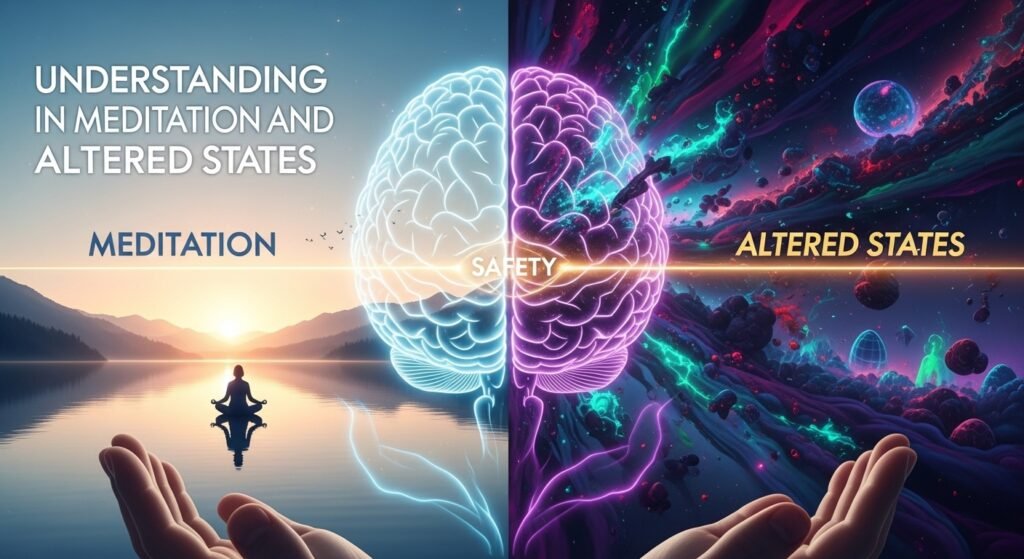
1. Understanding Safety in Meditation and Altered States
Safety in meditation and altered states refers to practices that protect your mental, emotional, physical, and energetic wellbeing as you enter deep states of relaxation, altered perception, or spiritual awareness.
While meditation can offer profound benefits, rapid or intense experiences—especially in altered states—can sometimes trigger disorientation, emotional rawness, or physical discomfort without proper care.
Implementing safety techniques ensures you remain grounded, preventing negative side effects and allowing positive transformation to deepen.
Safety includes preparing a calm physical space, regulating nervous system reactions, pacing practice progression, and maintaining self-compassion.
It acknowledges individual differences and encourages listening to your body and emotions.
Awareness of safety expands your ability to manage subtle energetic shifts and integrate insights effectively.
Grounding, intention setting, and seeking support when necessary further establish a secure framework for sustainable meditation and altered state work.
Embracing safety empowers you to explore consciousness fully without fear, making your practice both potent and nurturing.
Key Points:
- Safety includes mental, emotional, physical, and energetic protection.
- Prevents overwhelm, disorientation, and physical discomfort.
- Encourages gradual progression and listening to personal limits.
- Supports grounding and nervous system regulation.
- Urges preparation and intentional practice space setup.
- Emphasizes self-compassion and nonjudgment.
- Recognizes individual variability in experiences.
- Establishes framework for sustainable transformation.
2. Tip 1: Prepare Your Environment for Safety and Comfort
Creating a safe and comfortable environment is the first step toward secure meditation and altered state experiences.
Choose a quiet, clean, and well-ventilated space with minimal distractions where you feel relaxed and secure.
Comfortable seating or cushions that support your posture reduce physical strain allowing longer practice without discomfort.
Adjust lighting to your preference—dim lights to soothe or natural light for alertness.
Remove potential hazards or interruptions, inform household members if needed, and consider adding calming elements like plants, incense, or soft music.
Your environment sends signals to your brain preparing it for relaxation and deep focus.
A dedicated safe space primes both body and mind for positive experiences and diminishes anxiety or restlessness.
Creating this sanctuary nurtures a foundation of safety from which you can venture into meditation or altered states confidently.
Key Points:
- Select a quiet, comfortable, and distraction-free area.
- Use ergonomic seating or cushions to support posture.
- Control lighting according to personal preference.
- Remove potential disturbances or hazards.
- Inform others to respect your practice time.
- Incorporate calming elements like plants or scents.
- Environment primes relaxation and focus.
- Establishes psychological and physical safety signals.
3. Tip 2: Start Slowly and Respect Your Limits
Especially for those new to meditation or altered states, starting slowly is critical to building a safe, sustainable practice.
Begin with short sessions of 5-10 minutes, gradually increasing as your comfort and capacity grow.
Pay close attention to physical sensations, emotional responses, or shifts in awareness, and stop if you feel dizzy, anxious, or overwhelmed.
Respect your limits without pushing beyond readiness, as premature intensity can cause confusion or destabilization.
Choose beginner-friendly techniques like mindful breathing or guided meditations before moving into deeper states.
Learn to honor your body’s messages and allow integration time between sessions.
This mindful pacing supports nervous system regulation and fosters confidence.
Over time, your threshold will expand, supporting safe exploration into altered states without fear or discomfort.
Key Points:
- Begin with short, manageable sessions.
- Gradually increase duration with experience.
- Monitor physical and emotional signs closely.
- Stop or pause if feeling overwhelmed.
- Choose beginner-level techniques first.
- Respect body’s readiness and limits.
- Allow integration time between practices.
- Builds confidence and nervous system resilience.
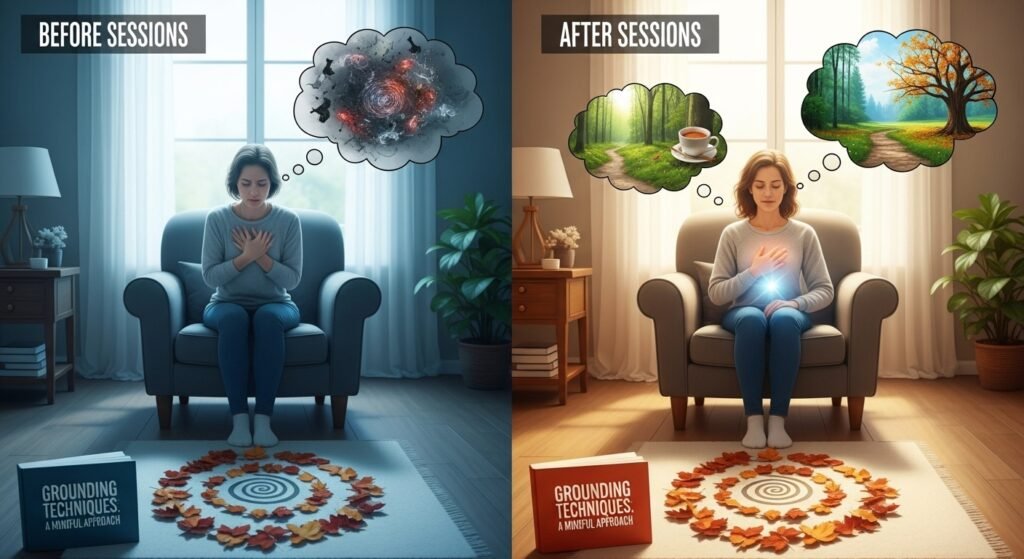
4. Tip 3: Use Grounding Techniques Before and After Sessions
Grounding is an indispensable safety tip for meditation and altered states, anchoring you to the present and calming the nervous system.
Before starting, focus on your breath, feel your feet on the floor, or visualize roots extending into the earth.
These simple practices prepare you to enter meditation with a centered, calm presence.
After sessions, grounding helps you return gently to everyday awareness, especially if you experience lingering energy shifts or emotional release.
Techniques such as walking barefoot outdoors, stretching, or drinking water aid this process.
Grounding stabilizes your energy and prevents dissociation or feeling “spaced out.”
Regular use of grounding rituals alongside meditation maintains energetic balance and deepens emotional safety.
Practicing grounding ensures your meditative explorations remain a nourishing, stabilizing experience.
Key Points:
- Ground before meditation to center energy.
- Use breath awareness and sensory focus.
- Visualize grounding roots or earth connection.
- Ground after sessions to reorient awareness.
- Use physical activities to aid grounding.
- Prevents dissociation and energy overwhelm.
- Supports energetic and emotional balance.
- Essential for safe altered state navigation.
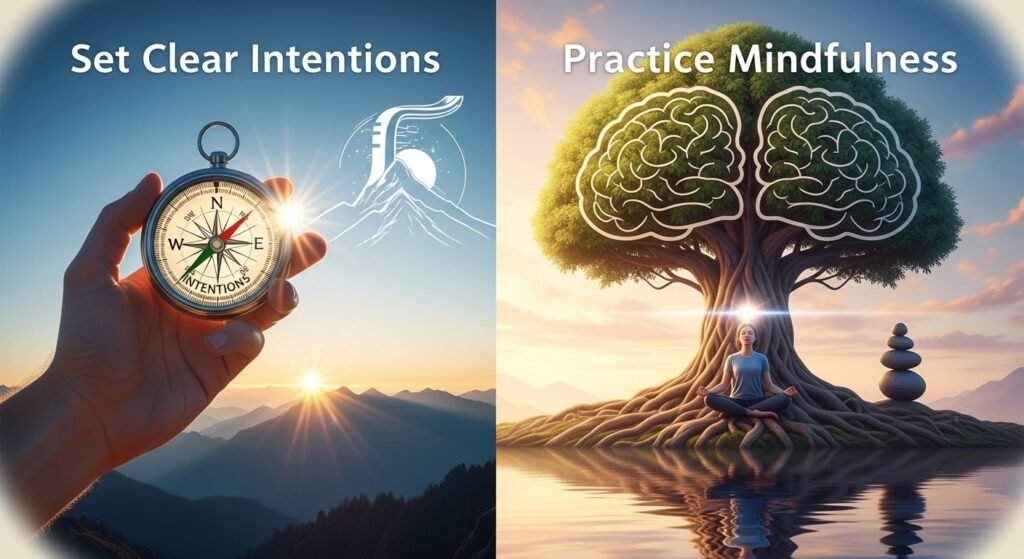
5. Tip 4: Set Clear Intentions and Practice Mindfulness
Setting a clear intention before meditation or altered state work is a safety measure that guides your experience and anchors your mind amidst subtle shifts.
Intentions can focus on relaxation, healing, insight, or emotional balance.
Declaring your purpose aligns subconscious processes and maintains conscious awareness, reducing risk of distraction or anxiety.
Combine intention setting with mindfulness practice during meditation—observing thoughts, sensations, and emotions without judgment fosters non-reactive presence.
Mindfulness helps you recognize when you need to adjust or pause, increasing safety.
This intentional and aware approach prevents your mind from wandering into confusing or distressing areas unintentionally.
Mindful intention keeps your experience purposeful, gentle, and safe.
Key Points:
- Clarify purpose before meditation.
- Align subconscious and conscious mind.
- Practice nonjudgmental awareness.
- Monitor shifts to prevent overwhelm.
- Maintain gentle, purposeful attention.
- Increase ability to pause or adjust.
- Reduces anxiety and distraction.
- Enhances safety and transformation.

6. Tip 5: Keep Hydrated and Nourished
Maintaining proper hydration and nutrition supports body and brain functioning during meditation and altered states.
Dehydration or low blood sugar can induce dizziness, headaches, or fatigue, which may disrupt your practice or cause unnecessary discomfort.
Drink water before and after sessions, and avoid heavy meals or stimulants immediately before meditating.
Light nourishing snacks can enhance energy stability.
Supporting your physical body thus creates a stable platform for safe energetic shifts and prolonged focus.
Attentiveness to basic self-care is a simple but often overlooked pillar of meditation safety, linking physical wellbeing directly with mental and spiritual health.
Key Points:
- Drink water before and after meditation.
- Avoid heavy meals right before sessions.
- Maintain stable blood sugar with light snacks.
- Prevent fatigue, dizziness, and headaches.
- Supports mental clarity and physical comfort.
- Enhances energy stability.
- Connects self-care with meditation effectiveness.
- Simple foundational safety pillar.

7. Tip 6: Manage Physical Posture to Avoid Discomfort or Injury
Maintaining proper physical posture during meditation prevents aches, circulation issues, and distractions that compromise safety and concentration.
Choose a comfortable posture that allows alert relaxation, whether sitting on a chair, cushion, or lying down if necessary.
Use props like cushions, blankets, or back supports to align your spine gently.
Avoid forcing traditional postures if they create pain or tension.
Pay attention to signals like numbness or cramping and adjust accordingly.
Shifting posture mindfully prevents injury and keeps you present.
Posture contributes to smooth energy flow and nervous system calm, reinforcing overall safety.
Key Points:
- Use comfortable, supportive posture.
- Avoid pain or tension while sitting.
- Use props to maintain spinal alignment.
- Listen to body signals and adjust.
- Prevent aches and circulation problems.
- Supports alert but relaxed state.
- Facilitates smooth energy flow.
- Essential for sustained meditation safety.

8. Tip 7: Seek Support and Professional Guidance When Needed
Especially if you encounter challenging emotions, traumatic memories, or confusing experiences during meditation or altered states, seeking professional support is a critical safety practice.
A trained meditation teacher, therapist, or energy healer can provide guidance tailored to your needs and help you process experiences safely.
Group classes with qualified instructors also offer structure and communal support.
Safety is about knowing when to reach out, not pushing alone through difficult terrain.
Professional guidance prevents destabilization and empowers healthy progress in your practice. It nurtures trust in your journey and builds a solid support system.
Key Points:
- Consult experts for challenging experiences.
- Use guided classes or individual coaching.
- Gain tailored techniques and processing tools.
- Avoid isolating difficult or confusing sessions.
- Build communal and professional support.
- Enhance safety in challenging terrain.
- Empower healthy, sustainable practice.
- Nurture trust in your healing journey.
Summary Table: 7 Essential Safety Tips for Meditation and Altered States
| Safety Tip | Purpose | Benefits |
|---|---|---|
| Prepare Your Environment | Create calm, secure physical space | Reduces distractions and anxiety |
| Start Slowly | Respect limits and build tolerance | Prevents overwhelm and confusion |
| Use Grounding Techniques | Anchor and calm nervous system | Enhances emotional and energetic safety |
| Set Intentions & Mindfulness | Guide practice with awareness | Bolsters focus, reduces anxiety |
| Stay Hydrated & Nourished | Support brain-body function | Prevents dizziness and fatigue |
| Manage Physical Posture | Avoid discomfort and injury | Maintains presence and energy flow |
| Seek Support and Guidance | Process challenges safely | Builds trust and sustainable progress |
Inspirational Quotes on Meditation and Safety
- “Meditation is not about stopping thoughts but recognizing that we are more than our thoughts.” — Jon Kabat-Zinn
- “Safety and comfort are the foundations for true presence.” — Tara Brach
- “A peaceful mind is a result of training the mind to be still and safe.” — Unknown
- “Grounding yourself in the present moment is the first step towards freedom.” — Eckhart Tolle
- “Seeking support is a courageous act of self-care, not a sign of weakness.” — Unknown
Frequently Asked Questions (FAQs)
1. What is the importance of safety in meditation and altered states?
Safety protects mental, emotional, physical, and energetic wellbeing, allowing positive transformation without harm.
2. How can I create a safe environment for meditation?
Choose a quiet, comfortable, distraction-free space equipped with supportive seating and calming elements.
3. Why should I start meditation slowly?
Slow starts prevent overwhelm, build nervous system resilience, and help respect your limits.
4. How do grounding practices help with meditation safety?
They anchor you to the present, calm the nervous system, and prevent dissociative or anxious states.
5. What role does intention play in meditation safety?
Intentions guide focus, reduce distraction, and create a purposeful, gentle practice environment.
6. Why is hydration important during meditation?
Proper hydration supports brain and body health, preventing headaches and fatigue.
7. How do I choose a safe meditation posture?
Find a supported, pain-free posture that promotes alert relaxation using props as needed.
8. When should I seek professional help during meditation practice?
If you experience confusion, trauma activation, anxiety, or emotional overwhelm that is difficult to manage alone.
9. Can these tips benefit experienced meditators?
Yes, safety practices support ongoing growth and prevent burnout at all practice levels.
10. Are altered states safe to explore alone?
Exploration can be safe with good preparation but seek guidance if you feel unstable or uncertain.
Conclusion
Implementing these seven essential safety tips for meditation and altered states is crucial for cultivating a practice that nurtures your wellbeing, clarity, and growth. Preparing your environment, respecting limits, grounding, setting intentions, and maintaining physical comfort provide a protective foundation for exploration. When challenging moments arise, seeking professional support enhances security and confidence. These safe energy practices give you the tools to navigate inner landscapes with courage and peace, unlocking richer, more transformative experiences. Embrace these strategies to empower your journey toward lasting inner stillness and expanded consciousness.