
Life throws curveballs. Whether you’re facing workplace stress, academic pressure, or personal challenges, your ability to bounce back determines your success. Building resilience isn’t just about surviving tough times—it’s about thriving despite them.
This comprehensive guide explores the building resilience meaning, provides practical self care and resilience skills examples, and reveals proven strategies for strengthening your mental armor. You’ll discover actionable techniques that work in real-world situations, from boardrooms to classrooms.
Table of Contents
- Understanding Resilience: More Than Just Bouncing Back
- The Science Behind Self-Care and Resilience
- Why Self-Care and Resilience Skills Matter
- 10 Ways to Build Resilience That Actually Work
- Building Resilience at Work: Professional Survival Strategies
- How to Build Resilience in Students
- Nurturing Resilience in Children: A Parent’s Guide
- Self-Care Practices That Strengthen Resilience
- Measuring Your Resilience Progress
- Common Resilience Myths Debunked
- Creating Your Personal Resilience Action Plan
- Resources for Continued Growth
Understanding Resilience: More Than Just Bouncing Back {#understanding-resilience}
Building resilience meaning goes far beyond simply recovering from setbacks. True resilience involves adapting, growing, and emerging stronger from challenges. Think of it as your psychological immune system—it protects you from life’s stressors and helps you maintain emotional equilibrium.
Resilient people share common traits:
- They view challenges as opportunities for growth
- They maintain perspective during difficult times
- They practice self-compassion when facing failures
- They cultivate strong support networks
- They develop effective coping strategies
Research from the American Psychological Association shows that resilience isn’t a fixed trait—it’s a skill you can develop throughout your lifetime.
The Science Behind Self-Care and Resilience {#the-science-behind-self-care}
Neuroscience reveals fascinating connections between self-care practices and brain resilience. When you engage in regular self-care, you literally rewire your brain for better stress management.
Studies from Harvard Medical School demonstrate that meditation increases gray matter density in areas associated with emotional regulation. Similarly, regular exercise promotes neuroplasticity—your brain’s ability to form new neural connections.
Key biological benefits include:
- Reduced cortisol (stress hormone) levels
- Increased production of BDNF (brain-derived neurotrophic factor)
- Enhanced prefrontal cortex function
- Improved sleep quality and immune function

Why Self-Care and Resilience Skills Matter {#importance-of-self-care-resilience}
The importance of self care and resilience skills becomes crystal clear when you examine the statistics. According to the World Health Organization, workplace stress costs the global economy over $1 trillion annually in lost productivity.
Consider these compelling reasons to prioritize resilience:
Professional Benefits:
- 67% reduction in burnout rates among employees with strong resilience skills
- 23% increase in job satisfaction
- 37% better performance under pressure
- Higher likelihood of career advancement
Personal Benefits:
- Improved mental health and emotional stability
- Stronger relationships and social connections
- Better physical health outcomes
- Enhanced life satisfaction and purpose
Academic Benefits:
- Students with resilience training show 15% higher academic achievement
- Reduced dropout rates by 25%
- Improved problem-solving abilities
- Better peer relationships
10 Ways to Build Resilience That Actually Work {#10-ways-to-build-resilience}
Resilience is a skill that can be cultivated with consistent effort and practice. By incorporating small, actionable habits into daily routines, individuals can strengthen their ability to bounce back from challenges and thrive in the face of adversity.
Here are 10 ways to build resilience backed by scientific research and real-world application:

1. Develop a Growth Mindset
A growth mindset involves believing that abilities and intelligence can be developed through dedication and hard work. This perspective fosters a love for learning and encourages resilience in the face of challenges.
Challenge fixed thinking patterns. Instead of “I can’t handle this,” try “I haven’t learned how to handle this yet.” This simple shift activates your brain’s learning mechanisms.

2. Practice Mindfulness Daily
Mindfulness enhances your awareness of the present moment, reducing stress and improving emotional regulation. Spend a few minutes each day focusing on your breath or observing your surroundings without judgment.
Spend 10 minutes daily in mindful meditation. Apps like Headspace or simple breathing exercises work. Mindfulness reduces rumination—the mental loop that amplifies stress.

3. Build Strong Social Connections
Strong relationships are vital for emotional resilience and overall well-being. Make time to connect with friends, family, or colleagues regularly, as these interactions can offer support and reduce feelings of isolation.
Nurture relationships actively. Research shows people with strong social support are 50% less likely to develop depression during tough times.

4. Maintain Physical Health
Regular exercise, proper nutrition, and sufficient sleep are essential for maintaining physical health. These habits not only strengthen your body but also improve mental resilience and overall well-being.
Regular exercise acts as a natural antidepressant. Aim for 150 minutes of moderate exercise weekly. Your body and mind are connected—strengthen one, and you strengthen both.

5. Set Realistic Goals
Setting realistic goals provides direction and purpose, allowing you to focus on what truly matters without feeling overwhelmed. Start small, celebrate progress, and adjust expectations as needed to stay motivated and avoid burnout.
Break large challenges into smaller, manageable steps. This prevents overwhelm and creates momentum through small wins.

6. Learn from Setbacks
Setbacks are an inevitable part of life, but they offer valuable opportunities for growth. Analyze what went wrong, adjust your approach, and use the experience to build resilience for the future.
After each challenge, ask: “What did this teach me?” Document lessons learned. This transforms failures into valuable learning experiences.

7. Learn from Setbacks
Treat yourself with kindness during difficult times, just as you would support a close friend. Acknowledge your imperfections and remember that mistakes are part of the human experience.
Treat yourself with the same kindness you’d show a good friend. Self-criticism weakens resilience; self-compassion strengthens it.
8. Develop Problem-Solving Skills
When facing challenges, use the STOP method:
- Stop and breathe
- Think about options
- Organize your approach
- Proceed with action

9. Cultivate Optimism
Optimism is a powerful tool that helps you see setbacks as temporary and surmountable. By focusing on the positives and maintaining hope for the future, you can build a mindset that fosters resilience and perseverance.
Practice gratitude daily. Write down three things you’re grateful for each evening. This rewires your brain to notice positives.

10. Seek Professional Help When Needed
Remember, building resilience is a lifelong process, and it’s okay to seek support along the way. Surround yourself with supportive individuals who encourage growth and offer understanding during difficult times.
Recognizing when you need support shows strength, not weakness. Therapists provide tools and perspectives that accelerate resilience building.
Building Resilience at Work: Professional Survival Strategies {#building-resilience-at-work}
Learning how to build resilience at work requires specific strategies tailored to professional environments. Workplace stress differs from personal stress—it’s often ongoing, performance-related, and socially complex.

Workplace Resilience Strategies:
Boundary Setting:
- Establish clear work-life boundaries
- Use technology mindfully (turn off notifications after hours)
- Take regular breaks throughout the day
Skill Development:
- Continuously upgrade your skills to stay relevant
- Seek feedback actively and use it constructively
- Build expertise that makes you valuable and confident
Relationship Management:
- Cultivate positive relationships with colleagues
- Practice effective communication
- Learn conflict resolution skills
Stress Management:
- Use the Pomodoro Technique for focused work sessions
- Practice desk exercises to release physical tension
- Keep healthy snacks to maintain stable blood sugar

How to Build Resilience in Students {#building-resilience-in-students}
Building resilience in students begins with creating a supportive and inclusive learning environment. Encouraging a growth mindset helps students view challenges as opportunities to learn rather than insurmountable obstacles. Providing consistent mentorship and promoting healthy coping strategies can empower students to manage stress effectively. Additionally, incorporating collaborative activities fosters a sense of community, boosting their confidence and emotional well-being.
How to build resilience in students requires age-appropriate strategies that work within educational settings. Students face unique pressures: academic performance, peer relationships, and future uncertainty.
Student-Specific Resilience Strategies:
Academic Resilience:
- Teach study techniques that reduce overwhelm
- Help students set realistic academic goals
- Encourage effort over perfection
Social Resilience:
- Develop communication skills for peer interactions
- Practice conflict resolution in safe environments
- Build inclusive classroom communities
Emotional Resilience:
- Teach emotional vocabulary and recognition
- Practice stress-reduction techniques
- Create safe spaces for expressing difficulties
Success Story: Lincoln High School implemented a resilience curriculum and saw a 30% reduction in anxiety-related absences within one academic year.
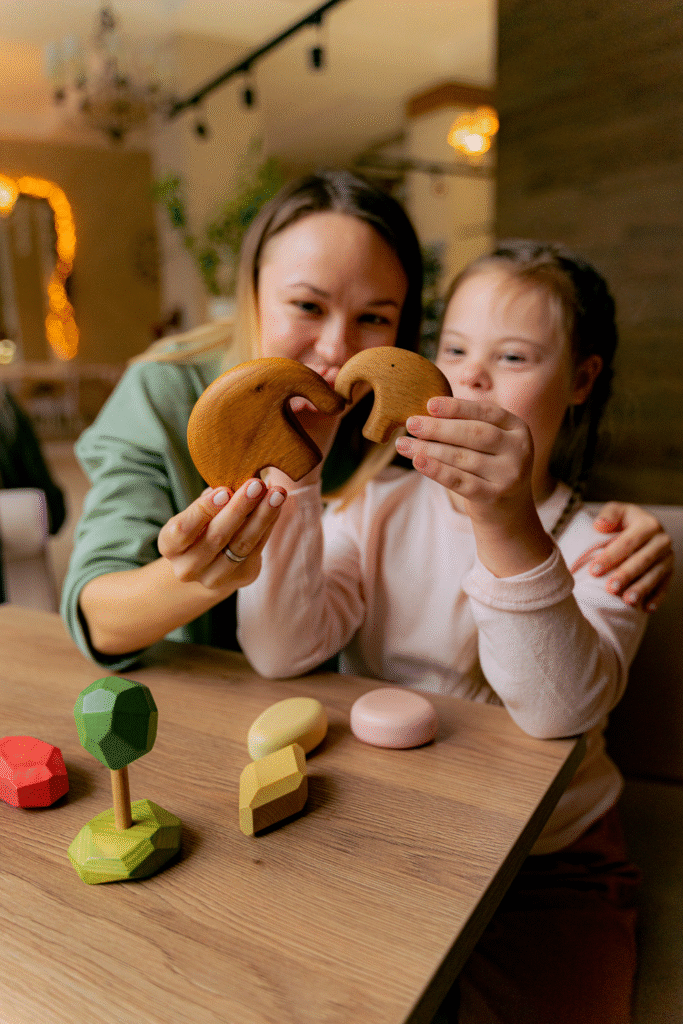
Nurturing Resilience in Children: A Parent’s Guide {#building-resilience-in-children}
Understanding how to build resilience in child development requires recognizing that children’s brains are still developing. They need different approaches than adults.
Age-Appropriate Resilience Building:
| Age Group | Key Strategies | Example Activities |
|---|---|---|
| 3-6 years | Emotional vocabulary, routine, safe attachment | Story time about feelings, consistent bedtime, comfort objects |
| 7-11 years | Problem-solving, independence, social skills | Age-appropriate challenges, team sports, peer interactions |
| 12-18 years | Identity development, goal-setting, autonomy | Volunteer work, part-time jobs, decision-making opportunities |
Parenting Approaches:
- Model resilient behavior in your own challenges
- Allow children to experience age-appropriate failures
- Provide support without rescuing unnecessarily
- Celebrate effort and learning, not just outcomes
Self-Care Practices That Strengthen Resilience {#self-care-practices}
Maintaining self-care practices is vital for building resilience and managing life’s challenges effectively. Regular physical activity, such as walking or yoga, helps reduce stress and boosts mental well-being. Eating a balanced diet supports both physical health and energy levels, which are crucial during tough times. Additionally, prioritizing sufficient sleep and engaging in mindfulness or relaxation techniques can significantly enhance emotional strength and stability.
Self care and resilience skills examples span physical, emotional, mental, and spiritual domains. Effective self-care isn’t selfish—it’s strategic preparation for life’s challenges.
Physical Self-Care:
- Regular sleep schedule (7-9 hours nightly)
- Nutritious eating patterns
- Regular exercise or movement
- Medical check-ups and preventive care
Emotional Self-Care:
- Journaling for emotional processing
- Connecting with supportive friends and family
- Engaging in activities that bring joy
- Setting healthy boundaries in relationships
Mental Self-Care:
- Reading for personal development
- Learning new skills or hobbies
- Limiting negative media consumption
- Practicing mindfulness or meditation
Spiritual Self-Care:
- Engaging in practices that connect you to purpose
- Spending time in nature
- Participating in community or religious activities
- Reflecting on personal values and meaning

Measuring Your Resilience Progress {#measuring-resilience-progress}
Building resilience is a gradual process that requires consistent effort and self-awareness. Start by identifying your strengths and areas for growth, allowing you to focus on small, manageable changes. Celebrate each milestone, no matter how small, as it contributes to your overall progress.
Remember, resilience is not about eliminating stress but developing the skills to adapt and thrive in the face of challenges.
Track your resilience development using measurable indicators:
Quantitative Measures:
- Stress level ratings (1-10 scale) before and after stressful events
- Recovery time from setbacks
- Sleep quality scores
- Physical health markers
Qualitative Measures:
- Improved problem-solving abilities
- Better emotional regulation
- Stronger relationships
- Increased life satisfaction
Monthly Resilience Check-in Questions:
- How did I handle challenges this month?
- What coping strategies worked best?
- Where do I need to improve?
- What support do I need going forward?

Common Resilience Myths Debunked {#resilience-myths}
Myth 1: “Resilient people don’t feel stress or sadness”
Truth: Resilient people feel the full range of emotions but manage them effectively.
Myth 2: “You’re either born resilient or you’re not”
Truth: Resilience is learnable and improvable throughout life.
Myth 3: “Resilience means handling everything alone”
Truth: Seeking help and building support networks are key resilience strategies.
Myth 4: “Resilient people never fail”
Truth: Resilient people fail but learn and grow from failures.

Creating Your Personal Resilience Action Plan {#personal-action-plan}
Building a personal resilience action plan starts with self-awareness. Reflect on your strengths, weaknesses, and past experiences to identify what strategies have worked for you before. Focus on cultivating healthy habits, such as regular exercise, mindfulness practices, and maintaining social connections, to build a strong foundation. Additionally, set realistic goals and celebrate small milestones to maintain motivation and a positive outlook.
Develop your customized resilience strategy:
- Assess Current State: Complete a resilience self-assessment
- Identify Priorities: Which areas need the most attention?
- Set SMART Goals: Specific, Measurable, Achievable, Relevant, Time-bound
- Choose Strategies: Select 3-5 techniques to implement consistently
- Create Accountability: Share goals with a trusted friend or coach
- Schedule Regular Reviews: Monthly check-ins to adjust your approach
Resources for Continued Growth {#resources-for-growth}
Books:
- “Resilience: Hard-Won Wisdom for Living a Better Life” by Eric Greitens
- “The Resilience Factor” by Karen Reivich and Andrew Shatté
Apps:
- Headspace for meditation
- Calm for sleep and relaxation
- MyFitnessPal for health tracking
Professional Resources:
- American Psychological Association (APA.org)
- Local counseling and therapy services
- Workplace Employee Assistance Programs
Frequently Asked Questions
Q1: How long does it take to build resilience?
A: Resilience building is an ongoing process, not a destination. Most people notice improvements in 6-8 weeks of consistent practice, but developing strong resilience takes months to years of regular effort.
Q2: Can children learn resilience, or do they naturally develop it?
A: While some children may seem naturally more resilient, all children can learn resilience skills through proper guidance, supportive environments, and age-appropriate challenges that help them practice coping strategies.
Q3: What’s the difference between resilience and just being tough?
A: Resilience involves emotional intelligence, adaptability, and healthy coping strategies. “Being tough” often means suppressing emotions or pushing through without processing experiences—which can actually weaken long-term resilience.
Q4: Is it possible to be too resilient?
A: While rare, excessive resilience can lead to taking unnecessary risks or ignoring valid emotional responses. Healthy resilience includes knowing when to seek help and when to feel appropriate emotions about difficult situations.
Q5: How do I know if my resilience-building efforts are working?
A: Look for these signs: faster recovery from setbacks, improved problem-solving during stress, better sleep and physical health, stronger relationships, and increased confidence in handling new challenges.
Q6: What are the 7 C’s of resilience?
A: The 7 C’s of resilience are Competence, Confidence, Connection, Character, Contribution, Coping, and Control. These elements help individuals build the mental and emotional strength needed to face challenges effectively.
Q7: What are the 7 domains of resilience?
A: The 7 domains of resilience are Adaptability, Self-Awareness, Emotional Regulation, Self-Efficacy, Optimism, Connection, and Mental Agility. These domains work together to enhance an individual’s ability to respond to adversity and thrive in challenging situations.
Final Thought
Building resilience and self-care skills transforms how you navigate life’s inevitable challenges. Start with one or two strategies that resonate with you, practice them consistently, and gradually expand your toolkit. Remember, resilience isn’t about becoming unbreakable—it’s about learning to bend without breaking and growing stronger through each experience.
Your journey to greater resilience begins with a single step. Which strategy will you implement first?