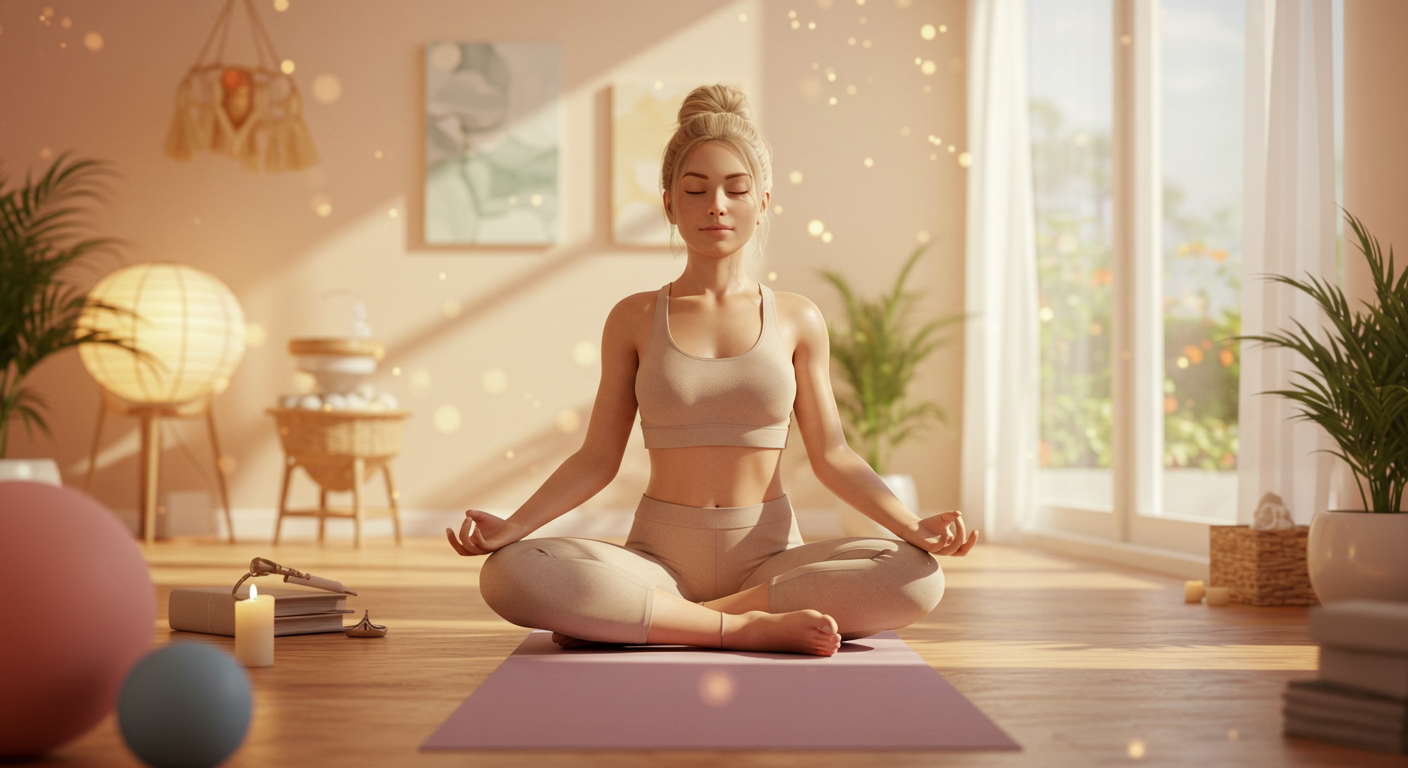
Stress is an inevitable part of life, but managing it effectively can make all the difference. While some stress can be motivating, too much of it can impact your health, relationships, and overall well-being. This blog explores Stress Management Skills, practical techniques, and coping strategies to help you lead a calmer, more balanced life.
Table of Contents
- What is Stress?
- Stress Management Skills Definition
- What Are the Five Stress Management Techniques?
- 10 Ways to Cope with Stress
- How to Relieve Stress Quickly
- The Role of Mindfulness in Stress Management
- Relaxation Techniques for Immediate Relief
- Physical Activity as a Stress Reliever
- The Importance of Social Support in Stress Management
- Long-Term Stress Management Strategies
- FAQs About Stress Management

1. What is Stress?
Stress is your body’s natural response to challenging situations.
It triggers a physiological reaction, often referred to as the “fight-or-flight” response, where your body releases hormones like adrenaline and cortisol to help you react to the threat.
While this reaction can be lifesaving in the short term, prolonged stress has harmful effects on both mental and physical health.
Stress can stem from a variety of sources, including work pressure, personal responsibilities, or unexpected life changes.
It manifests in different ways, such as anxiety, fatigue, irritability, or even physical symptoms like headaches and muscle tension.
Understanding what stress is and how it impacts you is the first step in effectively managing it.
Key Insight: Not all stress is bad. Acute stress can motivate success, but chronic stress leads to burnout.

2. Stress Management Skills Definition
Stress management skills refer to the techniques and tools individuals use to reduce stress, maintain emotional balance, and build resilience.
These skills help manage the psychological and physical effects of stressors, enabling individuals to cope better with challenges.
The goal of stress management is not to eliminate all stress but to develop strategies to regulate and reduce it to a healthy, manageable level.
Skills such as mindfulness, problem-solving, emotional regulation, and time management are integral to managing stress.
By cultivating these abilities, you can take control of stress rather than letting it control you.
Example Skills:
- Time management and prioritization
- Effective communication
- Cognitive reframing (changing negative thought patterns)
- Relaxation exercises like deep breathing
- Cultivating emotional resilience

3. What Are the Five Stress Management Techniques?
Effectively managing stress often involves a combination of methods. Below are five proven stress management techniques:
1. Practice Deep Breathing
Slow, deep breathing helps calm the nervous system and reduces cortisol levels. Breathe in deeply for a count of four, hold for four seconds, and release for four seconds.
2. Engage in Physical Activity
Exercise releases feel-good endorphins, improving your mood and lowering stress levels. A brisk 20-minute walk can work wonders.
3. Adopt a Healthy Lifestyle
Prioritize nutrition, hydration, and sleep. These fundamentals keep your body and mind fit to handle stress effectively.
4. Mindfulness and Meditation
Mindfulness practices, such as focusing on the present moment, can significantly lower stress and anxiety.
5. Social Connection
Talking to friends or loved ones can provide emotional support and new perspectives on stressful situations.
These techniques form a foundation for effective stress management and work best when tailored to individual needs.

4. 10 Ways to Cope with Stress
Here are ten actionable ways to cope with stress—each designed to help you feel more grounded and in control:
- Start a Journaling Habit – Write down your thoughts to process emotions and clear your mind.
- Practice Gratitude – Focus on what you’re thankful for; it shifts your perspective.
- Learn to Say No – Set boundaries to avoid taking on too much.
- Take Breaks – Step away from stressors to recharge, even if only for 10 minutes.
- Focus on Hobbies – Creative activities like painting or gardening can be therapeutic.
- Organize Your Space – A tidy environment reduces mental clutter.
- Practice Visualization – Imagine yourself in a peaceful scenario.
- Use Positive Affirmations – Replace self-doubt with encouraging statements.
- Cut Back on Screens Before Bed – Digital detoxes reduce overstimulation.
- Chew Gum – Studies suggest it may lower cortisol levels and promote relaxation.
Pro Tip: Experiment with these methods to discover what works best for your lifestyle and stress triggers.

5. How to Relieve Stress Quickly
When stress heats up unexpectedly, quick fixes can be lifesaving. Use these tactics to find instant relief:
| Quick Stress Relief Techniques | How They Work |
|---|---|
| Progressive Muscle Relaxation | Tighten and release each muscle group for instant calm. |
| Aromatherapy | Scents like lavender and chamomile reduce anxiety fast. |
| Listening to Calm Music | Instrumentals or nature sounds soothe the nervous system. |
| Splashing Cold Water on Your Face | Activates the vagus nerve to lower stress. |
| Chewing Gum | Can help reduce cortisol levels in stressful moments. |
Quick techniques are great in emergencies but should be combined with preventive strategies for long-term benefits.

6. The Role of Mindfulness in Stress Management
Mindfulness is a powerful practice for reducing stress and improving overall well-being.
By focusing on the present moment without judgment, mindfulness helps individuals break free from cycles of worry and overthinking.
Techniques such as mindful breathing, body scans, and journaling can foster a deeper awareness of thoughts and emotions, creating a sense of calm and balance.
Research has shown that consistent mindfulness practice not only decreases stress levels but also improves focus, emotional resilience, and even physical health.
Integrating mindfulness into daily life, even in small doses, can make a significant difference in managing stress effectively.
Mindfulness is the practice of staying present and aware of your thoughts, feelings, and surroundings without judgment.
Research has consistently shown its profound effects in reducing stress and increasing resilience.
Techniques like mindful breathing, body scans, and mindful eating help reduce overthinking and bring attention to the here and now.
Incorporating daily mindfulness practices can decrease the frequency and intensity of stress episodes.
Fun Fact: A 10-minute mindfulness practice each day has been shown to significantly reduce stress and enhance emotional clarity.

7. Relaxation Techniques for Immediate Relief
Deep breathing exercises are one of the simplest and most effective techniques for immediate relaxation.
Another quick method is progressive muscle relaxation, which involves tensing and then releasing different muscle groups to ease tension.
Relaxation techniques are critical for reducing tension and promoting a sense of calm. Popular methods include:
- Guided Imagery – Visualize a calming scene.
- Box Breathing – Breathe in for four counts, hold, and exhale in equal intervals.
- Yoga – Combines physical postures with controlled breathing.
- Tai Chi – A gentle, meditative form of movement.
- Conditioned Relaxation – Pair relaxation with a cue like a word or sound.
Each technique targets the body’s stress response and helps restore balance.

8. Physical Activity as a Stress Reliever
Engaging in regular physical activity is a highly effective way to reduce stress and improve overall well-being.
Exercise prompts the release of endorphins, often referred to as “feel-good” hormones, which can naturally boost mood and energy levels.
Activities such as running, swimming, or dancing not only help to manage stress but also improve sleep quality, enhance focus, and build resilience against future stressors.
Even moderate-intensity exercises like brisk walking or gardening can have a profound impact on mental and emotional health.
Additionally, group exercises or team sports can provide social support and a sense of community, further alleviating feelings of isolation or stress.
Regular exercise is a game changer for stress management.
Aerobic exercises like running increase endorphins, while yoga promotes mental clarity.
Even a short 15-minute dance session can do wonders for mood and energy.
Tip: Design a fitness routine that blends cardiovascular exercises and mindfulness practices like yoga for a holistic stress relief approach.

9. The Importance of Social Support in Stress Management
Having a strong support network is crucial for managing stress effectively.
Friends, family, and colleagues can provide emotional comfort, practical advice, and a fresh perspective during challenging times.
Social interactions help reduce feelings of isolation and foster a sense of belonging, which is essential for emotional well-being.
Engaging in open communication and expressing feelings can also lighten the mental load.
Tip: Make time to connect with loved ones regularly, whether through a phone call, a shared meal, or participating in group activities. Building and maintaining these relationships can serve as a powerful buffer against stress.
Loneliness can exacerbate stress, making social support invaluable.
Whether through family, friends, or support groups, sharing your struggles encourages solutions and emotional healing.
Develop deep connections by actively listening, expressing gratitude, and being present during interactions.
10. Long-Term Stress Management Strategies
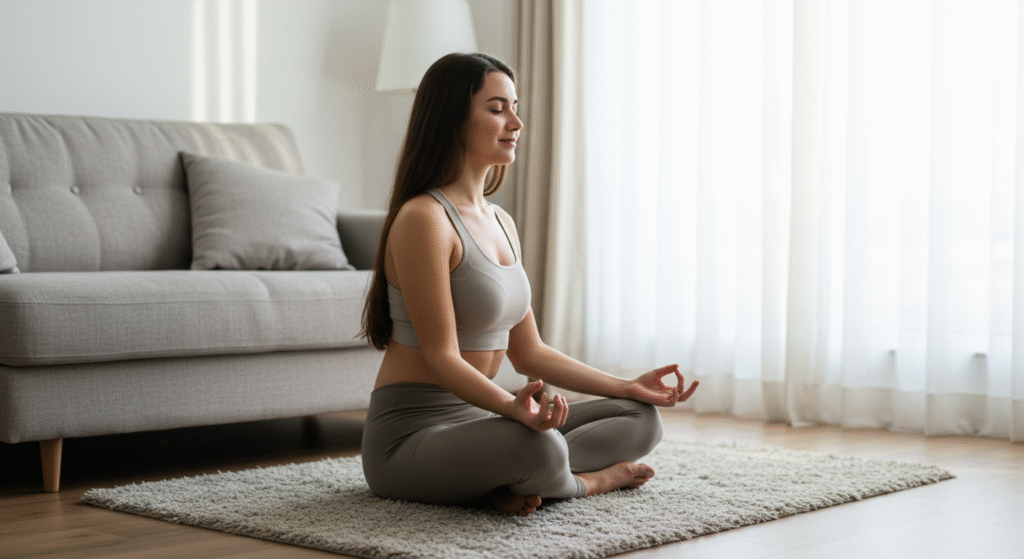
Developing long-term strategies for managing stress is crucial for maintaining mental and physical well-being.
One essential approach is establishing a consistent routine that incorporates healthy habits, such as regular exercise, balanced nutrition, and sufficient sleep.
Building resilience is another key component; practicing adaptive thinking, focusing on problem-solving skills, and viewing challenges as opportunities for growth can help you handle stress more effectively over time.
Additionally, setting realistic goals and managing your time efficiently can alleviate feelings of being overwhelmed.
Prioritize self-care, and don’t hesitate to seek professional help if stress becomes unmanageable.
Long-term strategies require commitment and patience, but they foster a more balanced and sustainable lifestyle.
Managing stress over time requires building resilience. Cultivate habits like:
- Prioritizing self-care
- Taking vacations
- Seeking therapy or counseling when needed
- Learning relaxation skills
- Setting achievable goals to avoid frustration.
Remember, consistency is key. Stress management is not a one-off activity but a lifestyle.
11. FAQs About Stress Management
Q1. What is stress?
Stress is your body’s reaction to challenging situations, triggering emotional and physical responses.
Q2. What are common signs of stress?
Irritability, fatigue, anxiety, headaches, and trouble sleeping are common symptoms.
Q3. Can stress impact physical health?
Yes, chronic stress can lead to heart disease, weakened immunity, and digestive issues.
Q4. How can I relieve stress quickly?
Techniques like progressive muscle relaxation, deep breathing, or splashing cold water on your face work well.
Q5. What long-term strategies help with stress?
Mindfulness, exercise, time management, and therapy are effective over time.
Q6. How to manage stress effectively?
Identify stressors, practice self-care regularly, stay active, and seek social or professional support when needed.
Q7. Can diet affect stress levels?
Yes, a balanced diet can help manage stress. Foods rich in complex carbohydrates, omega-3 fatty acids, and magnesium are known to promote calmness and reduce anxiety.
Q8. Is it normal to feel stressed even during positive life changes?
Absolutely. Stress can occur during any significant change, even positive ones like starting a new job, moving, or getting married. It’s the body’s way of adjusting to new circumstances.
Q9. How does sleep impact stress?
A lack of sleep can exacerbate stress, as it affects mood, energy levels, and cognitive function. Prioritizing quality rest is essential for managing stress effectively.
Q10. Can hobbies help with stress relief?
Yes, engaging in hobbies you enjoy, such as painting, gardening, or reading, can serve as a great stress reliever by promoting relaxation and providing a sense of accomplishment.
Stress is manageable when approached with the right tools and strategies. Begin integrating these practices into your daily life for a healthier, more balanced outlook.