
Are you ready to transform your life by building a supportive environment that truly nurtures your mind, body, and soul? Discover practical, empowering steps to create a space where you feel safe, inspired, and fully supported every day.
Table of Contents
- What Is a Supportive Environment and Why Does It Matter?
- The Psychology Behind Nurturing Environments
- 12 Proven Steps to Build a Supportive Environment That Nurtures You
- Key Differences Between Supportive and Non-Supportive Environments (Table Included)
- Inspirational Quotes on Building Nurturing Spaces
- Top 10 Frequently Asked Questions (FAQs) About Supportive Environments
- Taking Action: Start Building Your Supportive Environment Today
- Conclusion: Embrace the Power of Your Environment

What Is a Supportive Environment and Why Does It Matter?
A supportive environment is a physical, emotional, and social space where you feel safe, respected, accepted, and empowered. It nurtures your growth, encourages positive habits, reduces stress, and fosters resilience. These environments can exist at home, in workplaces, educational settings, or communities, but their hallmark is always the same—a foundation of care and understanding that nurtures the whole person.
Why does building a supportive environment matter? The places you inhabit influence your mental health, productivity, relationships, and overall life satisfaction. Studies in psychology show that nurturing environments enhance emotional regulation, promote self-esteem, and catalyze personal growth. Conversely, unsupportive environments breed stress, anxiety, and undermine well-being.
In short, building a nurturing environment is essential for living a fulfilled life in alignment with your true self.
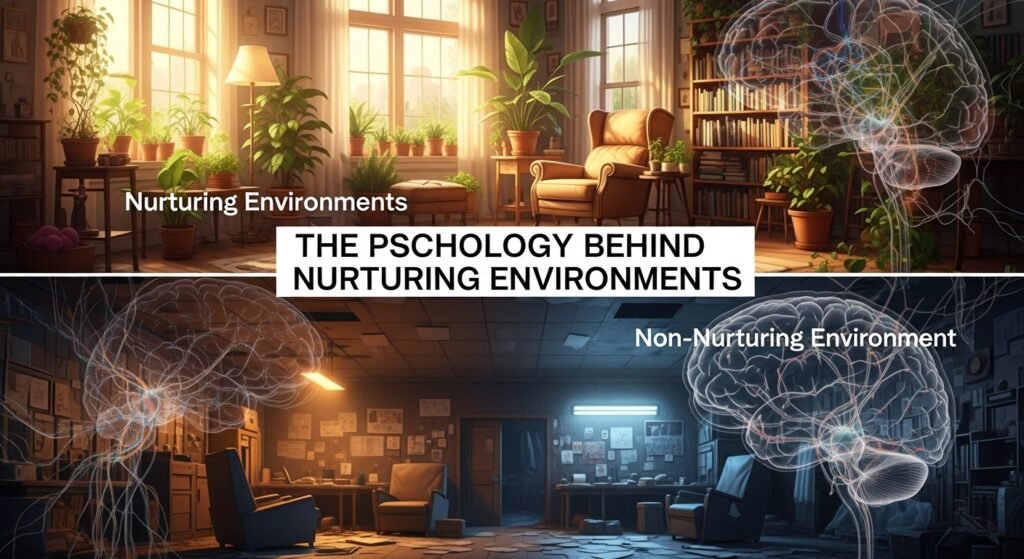
The Psychology Behind Nurturing Environments
Understanding how environments influence the brain and emotions deepens our appreciation for nurturing spaces.
- Safety and Security: When the brain perceives physical and emotional safety, stress hormones decrease, and creativity flows. This invaluable sense of security creates fertile ground for learning and growth.
- Attachment and Belonging: Positive social bonds are foundational human needs. Supportive environments foster these through connection, empathy, and acceptance, activating reward centers in the brain.
- Predictability and Control: Having clear routines, boundaries, and expectations reduces uncertainty. Predictability supports executive functioning and decision-making.
- Validation and Acceptance: Feeling genuinely accepted and valued fosters intrinsic motivation and self-worth.
By intentionally shaping your surroundings to cater to these psychological needs, you cultivate an environment that nurtures every part of you.
12 Proven Steps to Build a Supportive Environment That Nurtures You

1. Ensure Physical and Emotional Safety
Creating a supportive environment begins with ensuring both physical and emotional safety, which form the foundation for trust and well-being.
Physical safety involves establishing a secure, hazard-free space where individuals feel protected from harm or discomfort.
This includes maintaining clean, organized surroundings and respecting personal space.
Emotional safety means fostering a space where feelings and thoughts can be expressed without fear of judgment, rejection, or ridicule.
It requires active listening, empathy, and respect for personal boundaries.
Encouraging open, honest communication further strengthens emotional safety, making people feel understood and valued.
These elements combined promote resilience, reduce anxiety, and empower authentic self-expression.
Whether in homes, workplaces, or learning environments, prioritizing safety nurtures growth and connection, enabling individuals to thrive in a supportive atmosphere.
Key Strategies:
- Maintain a clean, secure physical space free from hazards.
- Respect personal space and privacy consistently.
- Encourage open dialogue with active listening and empathy.
- Validate emotions without judgment or interruption.
- Set clear personal and interpersonal boundaries.
- Provide reassurance and support during conflicts.
- Promote transparency and honesty in communication.
- Create calming areas for relaxation or emotional processing.
- Seek feedback to gauge feelings of safety and comfort.
- Model compassionate and respectful behavior consistently.
This approach to physical and emotional safety is essential for any nurturing environment, laying the groundwork for meaningful, supportive connections and personal growth.

2. Cultivate Consistent, Compassionate Care
Cultivating consistent, compassionate care is key to building a nurturing and supportive environment.
Compassionate care means approaching every interaction with empathy, understanding, and respect for the individual’s unique experiences and emotions.
It involves active listening—giving full attention without judgment—and responding with kindness and patience.
Consistency in compassionate behavior builds trust and security, fostering emotional safety and connection.
This care also includes recognizing others’ needs and providing timely support, whether through words, actions, or presence.
By modeling compassion regularly, you create a culture of kindness and mutual respect.
This environment encourages openness and vulnerability, essential for authentic relationships and personal growth.
Whether at home or in professional settings, compassionate care nurtures well-being and resilience over time.
Key Practices:
- Practice active listening with empathy and patience.
- Respond respectfully to feelings and needs expressed.
- Offer consistent support with genuine care.
- Validate emotions to foster trust and openness.
- Be present and attentive during interactions.
- Recognize and respect individual experiences.
- Encourage kindness through everyday actions.
- Create a culture of mutual respect and understanding.
- Address challenges with patience and compassion.
- Promote emotional safety by being reliable and supportive.
This approach enhances both individual well-being and the collective strength of any supportive environment.

3. Set Clear Boundaries and Expectations
Setting clear boundaries and expectations is essential for cultivating a supportive environment that nurtures well-being and mutual respect.
Boundaries define what you are comfortable with physically, emotionally, and mentally, helping to protect your energy and promote healthy interactions.
Clearly communicating your limits prevents misunderstandings and reduces feelings of resentment or burnout.
It involves expressing your needs kindly but firmly, and being consistent in enforcing those limits.
Healthy boundaries foster respect, trust, and a sense of safety for everyone involved.
They also empower you to prioritize self-care without guilt.
Establishing expectations around behavior and communication sets a foundation for honest, supportive relationships and environments where everyone feels valued.
Tips for Setting Boundaries:
- Identify your personal limits clearly and honestly.
- Communicate boundaries calmly and respectfully.
- Start with small boundaries if new to the practice.
- Be consistent in reinforcing your limits.
- Use direct but kind language, avoiding over-explaining.
- Recognize that discomfort is normal initially.
- Expect some resistance and stay steady.
- Prioritize your safety and well-being above pleasing others.
- Seek support or professional guidance if needed.
- Regularly reassess and adjust boundaries as necessary.
Setting and upholding boundaries is a vital element of a nurturing environment that helps maintain balance, respect, and emotional health for all involved.

4. Develop Predictable Routines and Habits
Developing predictable routines and habits is fundamental for creating a nurturing and supportive environment.
Consistency in daily activities provides a sense of stability and security, allowing individuals to know what to expect next.
This predictability reduces anxiety and helps manage stress by minimizing uncertainty.
When routines are clear, transitions between tasks or activities become smoother, leading to improved focus and emotional regulation.
Establishing morning, work, or self-care rituals reinforces structure, which supports mental clarity and personal growth.
Over time, these habits foster independence, self-discipline, and resilience.
Whether at home or the workplace, reliable routines create a foundation of trust and confidence.
These structured patterns contribute to both immediate emotional safety and long-term well-being, making predictability a powerful tool for nurturing sustained growth.
Key Benefits:
- Reduces anxiety by providing familiarity and security.
- Improves emotional regulation during transitions.
- Enhances focus and productivity.
- Builds self-discipline and independence.
- Supports mental clarity and stress management.
- Fosters long-term resilience and well-being.
Consistent routines form the emotional backbone of any nurturing environment, making your day smoother and your growth more sustainable.

5. Promote Open and Honest Communication
Open and honest communication is the cornerstone of any supportive environment.
It fosters trust and transparency, allowing individuals to express their thoughts, feelings, and needs without fear of judgment or reprisal.
When communication flows freely, conflicts can be addressed promptly and constructively, preventing misunderstandings from escalating.
This openness also deepens emotional intimacy and mutual respect, creating a safe space for vulnerability and genuine connection.
Encouraging active listening is equally vital—it shows respect and validates others’ perspectives.
Consistent honest dialogue promotes personal growth, collective problem-solving, and stronger relationships.
Creating an atmosphere where everyone feels heard and understood enhances collaboration and emotional well-being.
In any nurturing environment, open communication sets the foundation for lasting trust and harmony.
Key Benefits:
- Builds trust and transparency among individuals.
- Facilitates timely, constructive conflict resolution.
- Encourages vulnerability and authentic connection.
- Validates feelings through active listening.
- Strengthens emotional bonds and mutual respect.
- Promotes collective problem-solving and growth.
Prioritizing open and honest communication empowers individuals and fosters a truly supportive and nurturing environment.

6. Embrace Acceptance and Authenticity
Embracing acceptance and authenticity is crucial for creating a nurturing environment where everyone feels valued and understood.
Acceptance means honoring yourself and others without judgment, recognizing that imperfections and uniqueness are part of being human.
Authenticity encourages expressing your true self openly, which builds trust and deepens connections.
When people can be genuine without fear, it fosters psychological safety and emotional freedom.
Practicing self-acceptance and embracing others’ differences cultivates a culture of kindness and respect.
This environment reduces stress caused by pretending or hiding parts of ourselves.
Being authentic also boosts confidence, resilience, and personal fulfillment.
Together, acceptance and authenticity lay the foundation for meaningful relationships and sustained well-being, encouraging growth and mutual empowerment.
Key Practices:
- Honor your true feelings and values without judgment.
- Accept imperfections as part of human experience.
- Encourage open self-expression and vulnerability.
- Validate others’ uniqueness and perspectives.
- Promote psychological safety through non-judgment.
- Foster a culture of kindness and respect.
- Reduce stress by letting go of people-pleasing.
- Build trust through honesty and transparency.
- Support personal growth and self-discovery.
- Nurture resilience and confidence through authenticity.
This approach leads to deeper belonging and a flourishing supportive environment.

7. Foster Connection and Positive Relationships
Fostering connection and positive relationships is vital for nurturing a supportive environment.
Strong relationships are built on empathy, trust, and mutual respect, creating a sense of belonging and emotional security.
Active listening helps you truly understand others’ feelings and perspectives, while open communication promotes honesty and reduces misunderstandings.
Celebrating differences and embracing diversity enrich relationships and encourage acceptance.
Conflict resolution skills ensure disagreements are handled constructively, strengthening bonds instead of damaging them.
Showing appreciation and kindness regularly reinforces connections and builds lasting trust.
Positive relationships provide social support, increase happiness, and boost resilience against stress.
Investing time and effort into developing these connections creates a nurturing atmosphere where everyone feels valued and supported.
Key Practices:
- Practice empathy by trying to understand others’ feelings.
- Engage in active and attentive listening.
- Communicate openly and honestly.
- Celebrate differences and inclusivity.
- Develop healthy conflict resolution skills.
- Show appreciation regularly.
- Build trust through reliability and respect.
- Give quality time and be present.
- Support others in their growth and challenges.
- Foster a culture of kindness and acceptance.
Building positive relationships is foundational for a supportive environment that nurtures growth, well-being, and meaningful connection.

8. Incorporate Opportunities for Fun and Joy
Incorporating opportunities for fun and joy is essential in creating a nurturing and supportive environment.
Fun activities reduce stress, boost mood, and foster positive social connections.
Whether through games, creative workshops, or light-hearted team-building exercises, joy encourages engagement and collaboration.
Playful moments stimulate creativity, enhance problem-solving skills, and improve overall mental health.
Prioritizing joy makes spaces more welcoming and energizing, helping to balance work and relaxation effectively.
Celebrating small wins and encouraging laughter contribute to resilience and motivation.
Fun can take many forms, from outdoor nature walks to interactive storytelling or shared hobbies. Integrating these joyful experiences creates memorable bonds and enriches relationships.
Ultimately, joy nurtures the spirit, making supportive environments thrive with positivity and warmth.
Key Benefits:
- Reduces stress and anxiety through laughter and play.
- Boosts creativity and problem-solving abilities.
- Strengthens social bonds and teamwork.
- Enhances motivation and overall well-being.
- Creates an inviting and energizing atmosphere.
Including intentional moments of fun and joy in your environment uplifts spirits and sustains long-lasting positive energy.

9. Create Psychological Safety for Growth
Creating psychological safety is essential for fostering an environment where individuals feel free to take risks, share ideas, and grow without fear of judgment or punishment.
When people feel psychologically safe, stress and anxiety decrease, enabling better focus and creativity.
This safety nurtures trust, openness, and inclusion, encouraging collaboration and learning from mistakes.
It helps build confidence and resilience, supporting continuous personal and professional development. Psychologically safe environments lead to higher engagement, better teamwork, and reduced turnover.
They promote a culture where diverse perspectives are valued, and innovation thrives.
Establishing this safety requires active listening, empathy, and transparent communication.
Leadership plays a critical role in modeling and maintaining psychological safety to empower and uplift everyone.
Ultimately, psychological safety is the foundation for meaningful growth and nurturing relationships.
Key Benefits:
- Reduces fear of judgment and failure.
- Promotes open idea sharing and innovation.
- Enhances trust, collaboration, and inclusion.
- Boosts confidence, resilience, and engagement.
- Lowers stress and supports learning from mistakes.
Creating psychological safety is pivotal for a nurturing environment that supports sustained growth and well-being.

10. Support Inclusivity and Diversity
Supporting inclusivity and diversity is fundamental to building a nurturing environment where everyone feels valued and empowered.
Embracing diverse backgrounds, perspectives, and abilities fosters creativity, innovation, and richer problem-solving by bringing a wider range of ideas to the table.
Inclusive environments promote fairness, respect, and belonging, which boost employee satisfaction and loyalty.
This culture attracts top talent and enhances the organization’s reputation.
Research shows diverse teams make smarter decisions up to 87% of the time and drive higher productivity and profitability.
Inclusivity also reduces turnover and absenteeism by creating psychologically safe and welcoming spaces.
Championing diversity means valuing every individual’s unique contribution and ensuring equal opportunities for growth.
Together, diversity and inclusion build stronger, more resilient communities and workplaces where everyone thrives.
Key Benefits:
- Increases creativity and innovative thinking.
- Enhances decision-making quality and speed.
- Boosts employee engagement and retention.
- Strengthens organizational reputation.
- Fosters fairness, respect, and belonging.
Promoting inclusivity and diversity creates a vibrant, supportive environment that nurtures potential and drives collective success.
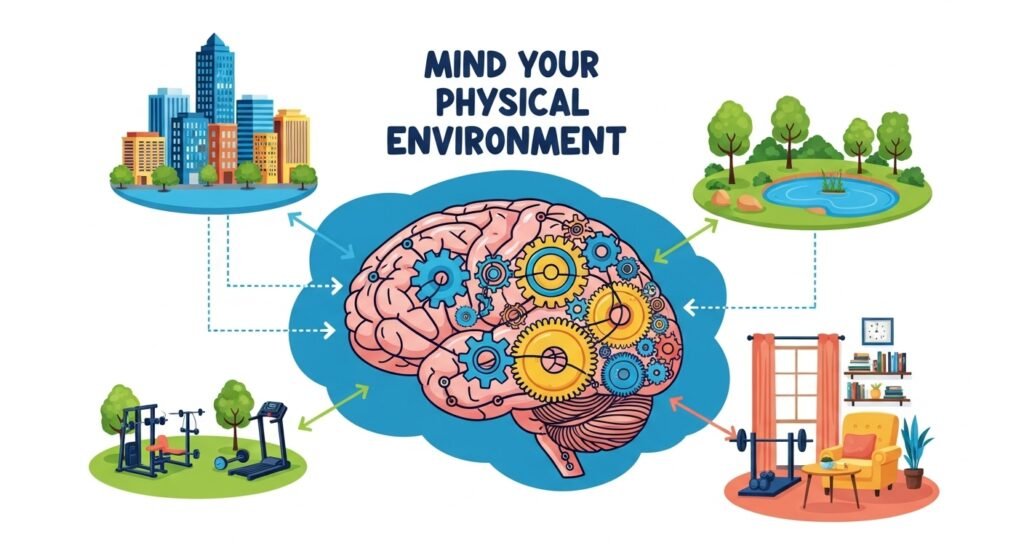
11. Mind Your Physical Environment
Mindfully designing and maintaining your physical environment is vital to nurturing a supportive space that promotes well-being and productivity.
A clean, organized area reduces distractions and helps cultivate a calm mindset.
Ergonomic furniture and layout choices support physical comfort, preventing strain and enhancing focus. Incorporating natural elements like plants and natural light boosts mood and reduces stress.
Proper lighting, temperature control, and noise management are crucial for creating a comfortable atmosphere conducive to creativity and collaboration.
Personalizing your space with meaningful objects fosters a sense of ownership and belonging.
Safety protocols must be in place to ensure physical security, making the environment feel reliable and secure.
A well-considered physical environment empowers individuals to bring their best selves forward, supporting both emotional and mental health.
Consistently evaluating and adapting the space keeps it responsive to evolving needs and promotes sustained engagement and comfort.
Key Tips:
- Keep spaces clean and clutter-free.
- Use ergonomic furniture and layouts.
- Maximize natural light and air flow.
- Include greenery and natural decor.
- Control noise levels and temperature.
- Personalize space for connection and comfort.
- Ensure safety measures and accessibility.
- Arrange environments to support focused work.
- Regularly reassess and adapt the space.
- Foster a balanced, welcoming atmosphere.
Mindful attention to the physical environment lays a strong foundation for nurturing personal and collective growth.

12. Prioritize Self-Care and Reflection
Prioritizing self-care and reflection is crucial for sustaining well-being and nurturing a supportive environment.
Self-care involves intentionally engaging in activities that rejuvenate your physical, mental, and emotional health.
This can include maintaining healthy sleep patterns, balanced nutrition, exercise, and relaxation techniques like meditation or deep breathing.
Reflection allows you to pause, assess your feelings and experiences, and gain insights into your personal growth.
Journaling or quiet contemplation fosters mindfulness and clarity, helping you manage stress and prevent burnout.
Consistent self-care supports resilience, enhances focus, and fosters a positive mindset. It empowers you to set boundaries and maintain balance in life.
Reflection deepens self-awareness, aiding better decision-making and emotional regulation.
Together, self-care and reflection create a sustainable foundation for nurturing yourself and those around you.
Key Tips:
- Schedule regular time for physical activity and rest.
- Practice mindfulness and breathing exercises daily.
- Maintain a balanced diet and hydrate well.
- Use journaling to reflect on emotions and experiences.
- Set clear boundaries to protect your energy.
- Prioritize sleep hygiene for mental clarity.
- Engage in hobbies that bring joy and relaxation.
- Seek social support and connection when needed.
- Recognize signs of stress and take proactive breaks.
- Make self-care a non-negotiable daily habit.
Prioritizing self-care and reflection strengthens your capacity to nurture yourself and cultivate a supportive environment around you.

Supportive vs Non-Supportive Environments: A Comparison Table
| Aspect | Supportive Environment | Non-Supportive Environment |
|---|---|---|
| Safety | Physically and emotionally secure | Unsafe, unpredictable, or emotionally harsh |
| Communication | Open, respectful, empathetic | Closed, dismissive, judgmental |
| Boundaries | Clear, consistent, fair | Vague, inconsistent, punitive |
| Emotional Expression | Encouraged and validated | Suppressed or ridiculed |
| Connection | Prioritized with meaningful interactions | Isolated or superficial |
| Acceptance | Embraces authenticity and diversity | Demands conformity, excludes differences |
| Inclusion | Promotes belonging and respect | Excludes or marginalizes |
| Psychological Safety | Encourages learning, growth, and risk-taking | Fear of failure or judgment |
| Physical Space | Calming, comfortable, thoughtfully designed | Cluttered, harsh, uncomfortable |
| Self-Care | Encouraged and respected | Ignored or discouraged |
Inspirational Quotes on Building Nurturing Spaces
- “A nurturing environment is not just a place—it is a feeling of belonging, safety, and growth.”
- “Where kindness and respect grow, a supportive environment flourishes.”
- “Your environment should nurture your dreams, not stifle them.”
Top 10 Frequently Asked Questions (FAQs)
1. How can I create a supportive environment at home that nurtures mental health?
Focus on safety, open communication, routines, authentic acceptance, and shared quality time to cultivate emotional well-being at home.
2. What are the most effective ways to nurture a supportive workplace?
Encourage psychological safety, clear boundaries, recognition, diversity, and open dialogue to foster employee growth and satisfaction.
3. How do routines contribute to a nurturing environment?
Routines build predictability, reduce anxiety, and provide structure that supports healthy habits and emotional regulation.
4. How can I set boundaries without causing conflict?
Communicate boundaries clearly and respectfully, explain their importance, and listen to feedback to maintain harmony.
5. Can a lack of a supportive environment affect physical health?
Yes, chronic stress from unsupportive environments can lead to various health problems, making nurturing spaces vital for overall health.
6. How do I encourage open communication in a resistant environment?
Model empathy, active listening, and non-judgmental responses; provide opportunities for safe sharing and acknowledge feelings.
7. What role does acceptance play in supportive environments?
Acceptance fosters authenticity, reduces stress, and encourages growth by allowing individuals to be their true selves.
8. How do physical spaces influence emotional well-being?
Elements like natural light, comfort, aesthetics, and organization impact mood, energy levels, and stress.
9. How can supportive environments boost resilience?
By providing safety and encouragement, they enable individuals to take risks, learn from failures, and bounce back stronger.
10. What long-tail keywords help find resources on building nurturing environments?
Examples include: “how to create a supportive environment at home,” “steps to build nurturing workspaces,” “signs of a supportive environment,” and “tips for fostering emotional safety.”
Taking Action: Start Building Your Supportive Environment Today
Building a nurturing supportive environment takes intention and patience, but the rewards ripple through every aspect of life.
Begin by assessing your current spaces—home, work, social circles—and identify areas where safety, communication, acceptance, or connection may be lacking.
Introduce one change at a time, such as a daily routine, honest conversation, or physical space update.
Remember, nurturing environments are dynamic and grow with you. Keep practicing empathy, kindness, and self-care, and share this wisdom with loved ones or colleagues to expand supportive spaces around you.
- Assess Your Current Environment: Reflect on what currently supports or hinders your well-being and growth.
- Set Clear Intentions: Define what a supportive environment looks like for you personally or professionally.
- Ensure Physical and Emotional Safety: Create a secure, welcoming space free from judgment and hazards.
- Establish Healthy Boundaries: Communicate your limits clearly to protect your energy and promote respect.
- Develop Consistent Routines: Build predictable habits that provide structure and reduce stress.
- Foster Open Communication: Encourage honest, respectful dialogue to strengthen relationships.
- Embrace Acceptance and Authenticity: Be true to yourself and value others’ uniqueness.
- Cultivate Positive Connections: Surround yourself with uplifting, trustworthy people.
- Incorporate Joy and Fun: Make time for activities that bring laughter and relaxation.
- Prioritize Self-Care and Reflection: Regularly check in with yourself and nurture your physical and mental health.
Starting with these actionable steps creates the foundation for a nurturing, empowering environment where you can thrive every day.
Conclusion: Embrace the Power of Your Environment
Your environment is more than just the backdrop of your life—it’s a living ecosystem that influences your happiness, health, and potential. By deliberately building supportive, nurturing spaces rooted in safety, acceptance, connection, and growth, you create a foundation for thriving through life’s challenges and celebrating its joys.
Embrace this journey of transformation today. Your most nurturing environment is within reach—and it starts with your vision, effort, and heart.