
Have you ever felt like life is rushing past you, or that there’s a natural pulse you’re missing? Imagine tuning into the deep rhythms that govern nature, energy, and human connection—the Time and Rhythms of Life. These cycles not only shape the natural world but influence our bodies, minds, emotions, and relationships. By understanding and syncing with these rhythms, you unlock a pathway to enhanced health, emotional balance, and profound connection to yourself and others. Join this exploration of how time and natural rhythms offer a blueprint for living in harmony with the universe.
Table of Contents
- Introduction: The Universal Pulse of Time and Rhythm
- The Fundamentals of Time and Rhythms of Life
- Biological Rhythms: Understanding Your Body’s Clock
- Circadian Rhythms and Human Health
- Seasonal and Lunar Rhythms in Nature and Human Life
- Energy Flows and Rhythms in Nature
- Rhythms of Human Connection and Social Synchrony
- The Science of Life Rhythms: Molecular and Cellular Patterns
- Disruptions to Natural Rhythms in Modern Life
- Practices to Align with the Time and Rhythms of Life
- The Spiritual and Psychological Significance of Life Rhythms
- Quotes Celebrating Time, Nature, and Connection
- FAQs About Time and Rhythms of Life
- Conclusion: Dancing with Life’s Rhythms for Wholeness
Introduction: The Universal Pulse of Time and Rhythm
From the moment life began on earth, everything has followed a rhythm—from the ticking of cicadas to the rise and fall of the ocean tides.
This natural order is manifested in the Time and Rhythms of Life, the repeating cycles that govern living beings and ecosystems.
These cycles are embedded in the laws of physics, biology, and human psychology, demonstrating that time is not just a linear concept but a harmonious cadence.
Understanding these rhythms helps us align with the natural flow, enhancing vitality, balance, and a sense of purpose.
The Fundamentals of Time and Rhythms of Life
Life’s rhythms are patterns that repeat across scales: seconds, hours, days, seasons, and centuries. These rhythms permeate:
- Environmental Cycles: Day-night cycles, seasons, lunar phases, and tides shape the context in which life unfolds.
- Biological Rhythms: Organisms possess internal clocks that anticipate environmental changes, optimizing energy use and survival.
- Human Behavior: Our habits, emotions, and social interactions also demonstrate rhythmic patterns, often synchronizing unconsciously with others and the environment.
Understanding these rhythms provides insight into:
- How the body maintains homeostasis through predictable patterns.
- The subtle dance between external environmental cycles and internal biological processes.
- The interconnectedness of natural and human systems.
Biological Rhythms: Understanding Your Body’s Clock
Every human body operates according to complex biological rhythms, allowing coordination across physiological systems. The most acknowledged is the circadian rhythm, a roughly 24-hour cycle that regulates sleep, hormone production, metabolism, and body temperature.
Intriguingly, research shows existence of multiple rhythms:
- Ultradian rhythms: Cycles shorter than 24 hours, such as the 90-minute sleep cycle or energy peaks throughout a day.
- Infradian rhythms: Cycles lasting longer than a day, like menstrual cycles or seasonal affective changes.
These rhythms rely on biological clocks embedded in the brain’s suprachiasmatic nucleus (SCN), which responds to cues such as light, sound, and temperature. When functioning in harmony, they facilitate peak physiological and cognitive performance.
Circadian Rhythms and Human Health
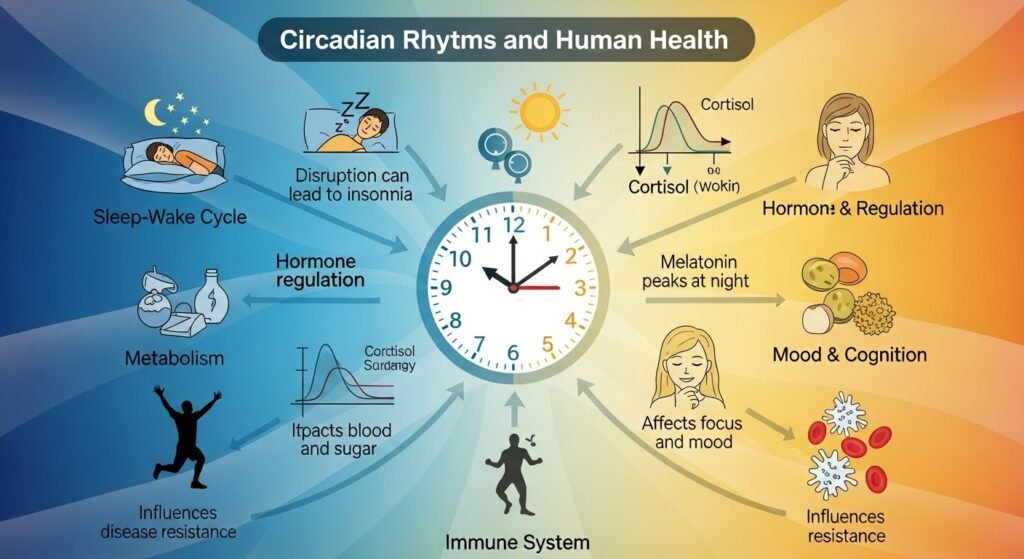
Circadian rhythms are the body’s natural 24-hour biological clocks that regulate crucial processes such as sleep-wake cycles, hormone production, metabolism, and body temperature.
These rhythms are synchronized primarily by environmental cues like daylight, and when properly aligned, they support optimal physiological and mental functioning.
Disruptions to circadian rhythms—often caused by factors like irregular sleep schedules, exposure to artificial light at night, shift work, or jet lag—can lead to a host of health problems including insomnia, mood disorders, obesity, diabetes, cardiovascular diseases, and weakened immune function.
Maintaining a consistent daily routine that respects these natural rhythms is essential for preserving overall health and well-being.
The alignment of circadian rhythms with environmental cues is vital to human well-being, affecting:
- Sleep Quality: Proper circadian synchronization supports restorative sleep.
- Mood Regulation: Hormonal cycles influenced by these rhythms impact emotional stability.
- Metabolic Processes: Timing of meals in tune with these rhythms enhances digestion and energy balance.
- Immune Function: Research links circadian alignment to stronger immunity and infection resistance.
Disruption of circadian rhythms, commonly due to artificial lighting, shift work, or irregular habits, contributes to health issues like insomnia, depression, obesity, and chronic illnesses.
Seasonal and Lunar Rhythms in Nature and Human Life
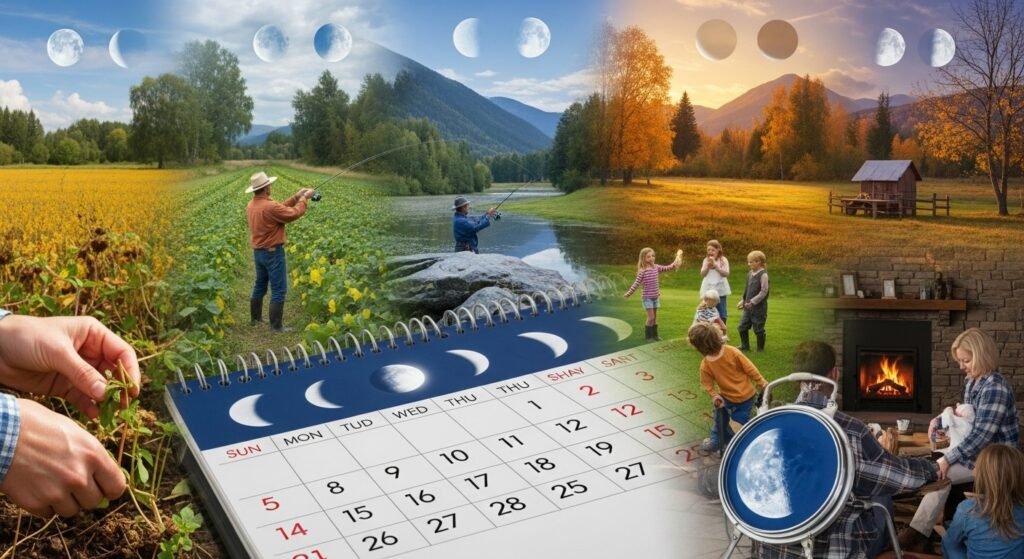
Beyond daily cycles, seasonal rhythms influence life profoundly:
- Plants flower and bear fruit in cycles tuned to seasons.
- Animals migrate, hibernate, or reproduce according to these patterns.
- Humans experience seasonal mood changes, and historically, agricultural practices dictated life rhythms.
Lunar rhythms, tied to the moon’s 29.5-day cycle, affect tidal movements and biological functions such as:
- The menstrual cycle in many mammals.
- Behavioral patterns in certain marine species.
- Emotional and energetic shifts in humans, often reflected in folklore and cultural practices.
Honoring these cycles by adapting lifestyle choices, such as diet, sleep, and social activity, can improve health and spiritual alignment.

Energy Flows and Rhythms in Nature
Nature is a symphony of energy exchanges governed by rhythmic patterns:
- The sun provides cyclic energy fueling photosynthesis and climatic systems.
- Water cycles mediate energy through evaporation, precipitation, and groundwater flow.
- Animal activities display rhythmic patterns in foraging, mating, and migration.
These natural energy flows mirror human physiological rhythms like:
- The heart’s rhythmic beat driven by electrical impulses.
- Brainwave oscillations associated with consciousness states.
- Hormonal pulses orchestrating bodily functions.
Tuning into these rhythms fosters an intuitive connection to nature’s energy and enhances personal vitality.
Rhythms of Human Connection and Social Synchrony
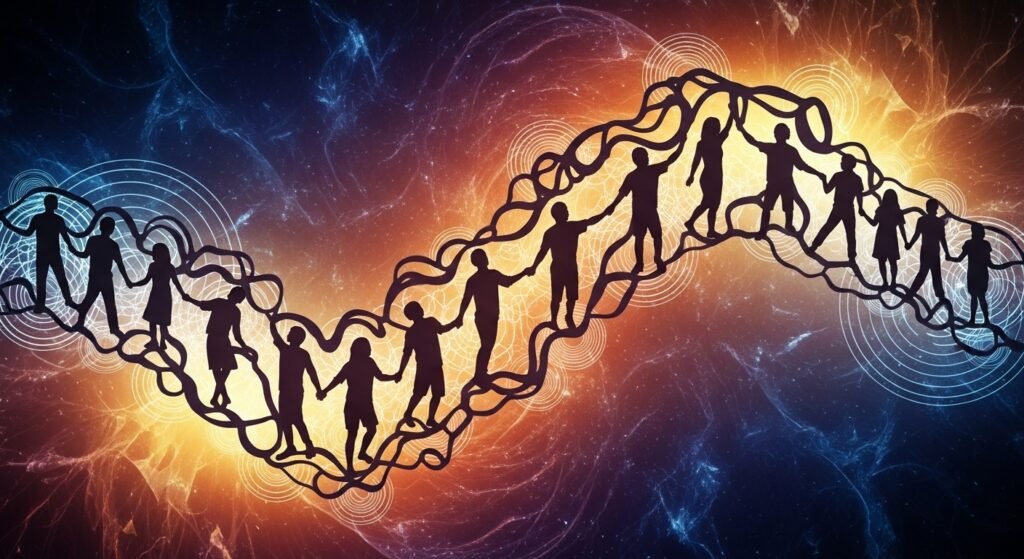
Human connection is deeply influenced by biological rhythms that govern not only our individual physiology but also our social behaviors.
Social synchrony, such as conversational turn-taking, collective movement in dance or music, and shared emotional states, reflects an innate tendency for humans to align their internal rhythms with those of others.
This synchronization fosters empathy, strengthens social bonds, and enhances cooperation, creating a harmonious interpersonal dynamic deeply rooted in our biology.
Understanding and honoring these rhythms can improve communication, deepen relationships, and promote collective well-being.
Humans are social creatures whose interactions also follow rhythmic patterns:
- Conversations possess turn-taking rhythms and pacing that aid communication flow.
- Group activities like dancing or chanting synchronize heart rates and brainwaves, fostering empathy and bonding.
- Social and cultural rites often mimic natural rhythms, celebrating lunar cycles, seasons, or harvest times.
Research in social neuroscience shows how synchronization of neural oscillations during interactions enhances emotional connection and cooperative behaviors.
The Science of Life Rhythms: Molecular and Cellular Patterns
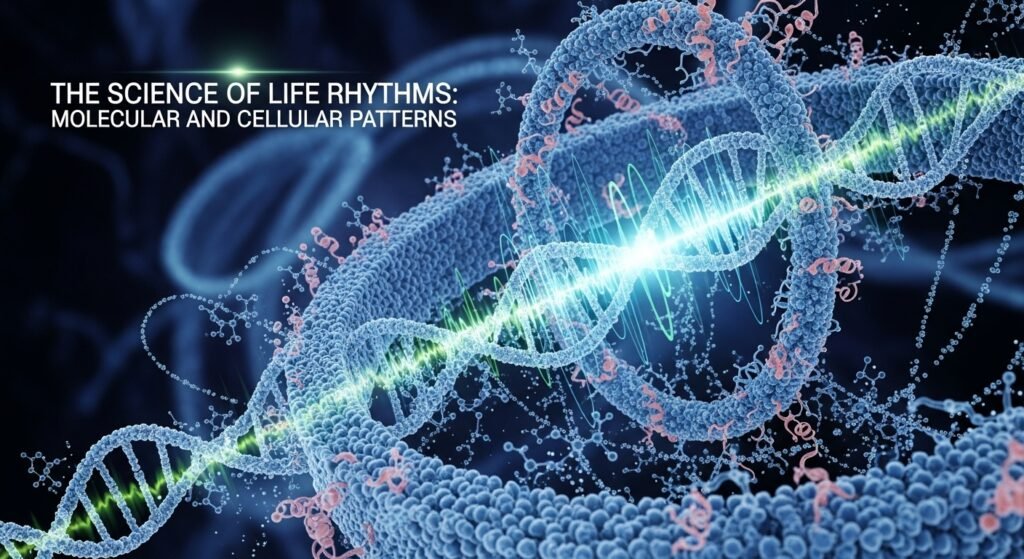
Biological rhythms originate within our cells, driven by molecular clocks that regulate gene expression and protein activity in precise feedback loops.
These cellular circadian clocks coordinate physiological processes by rhythmically turning genes on and off in sync with environmental cycles such as light and darkness.
The core molecular mechanism involves proteins like CLOCK and BMAL1 activating clock-controlled genes, while proteins PER and CRY inhibit this activity, creating a 24-hour oscillation critical for maintaining metabolic balance and overall health.
This intricate molecular dance ensures that cellular functions across organs are synchronized, supporting the harmonious rhythms of life at both micro and macro levels.
At a microscopic level, life rhythms operate via:
- Gene expression cycles: Hundreds of genes activate in rhythmic patterns to adapt to environmental changes.
- Protein synthesis and degradation: Governed by feedback loops forming oscillatory biochemical processes.
- Cell cycle rhythms: Cells divide and regenerate in timed phases crucial for tissue maintenance and repair.
These processes enable adaptability and resilience, highlighting that Time and Rhythms of Life are embedded in our cellular fabric.
Disruptions to Natural Rhythms in Modern Life
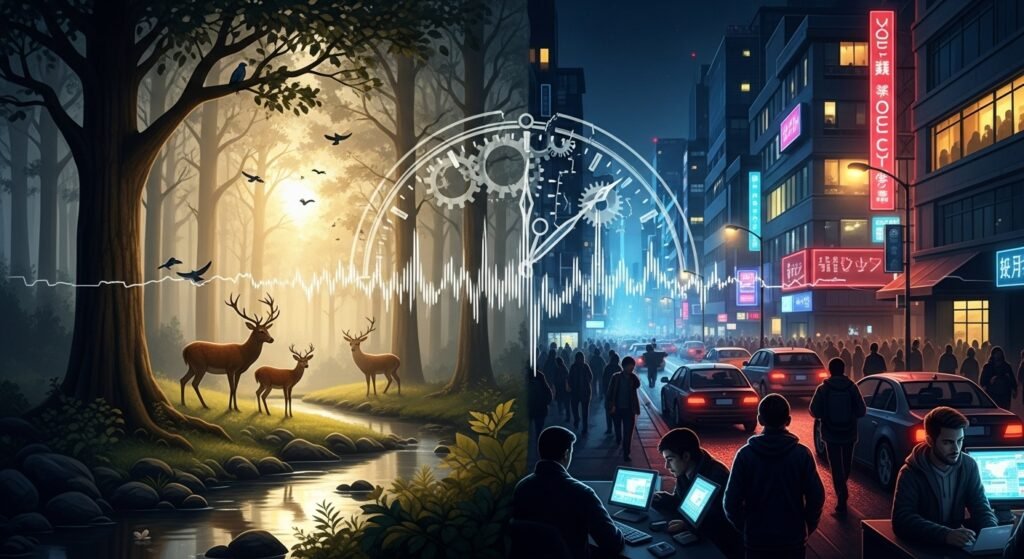
Modern lifestyles frequently disrupt our natural rhythms through artificial lighting, irregular sleep schedules, extended screen time, and fast-paced work routines.
These factors desynchronize the body’s internal clocks, particularly the circadian rhythm, leading to sleep disorders, mood imbalances, metabolic issues, and weakened immune function.
The disconnect from day-night cycles and natural environmental cues can increase stress and vulnerability to chronic diseases, highlighting the urgency of re-establishing harmony with our innate biological rhythms.
Despite their importance, modern lifestyles often disconnect us from natural rhythms:
- Artificial lighting interferes with melatonin production, disturbing sleep cycles.
- Screen time and urban noise cause overstimulation and stress.
- Irregular work hours and diets desynchronize internal clocks.
- Climate change alters seasonal cues and animal behaviors, impacting ecosystems.
Recognizing these disruptions helps us find ways to restore balance, such as limiting light exposure before bed or adopting sustainable living practices.
Practices to Align with the Time and Rhythms of Life
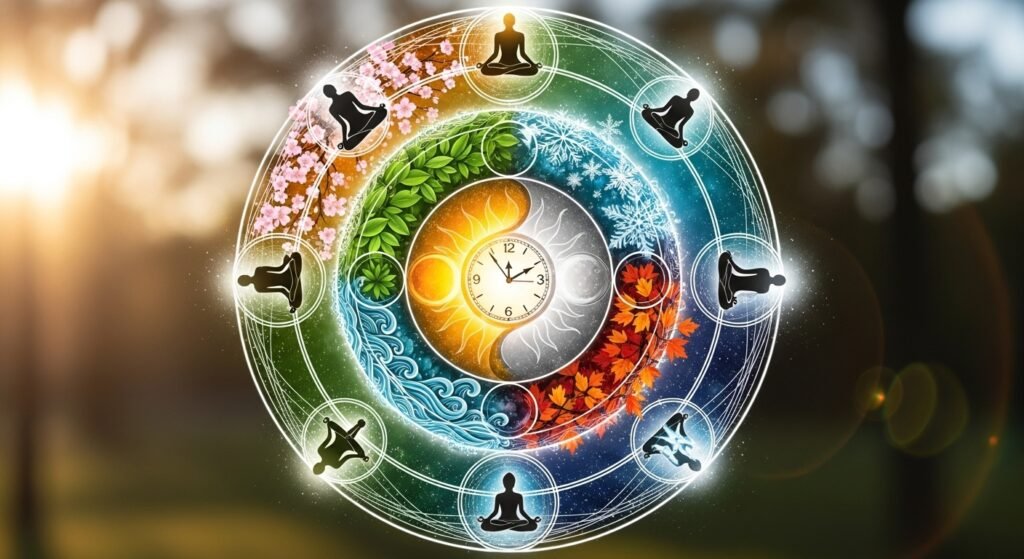
Aligning with the natural rhythms of life involves cultivating awareness of your body’s internal cycles and their connection to the environment.
Practical steps include tuning in to your peak energy times, scheduling demanding tasks accordingly, and honoring periods of rest without guilt.
Creating consistent daily routines—such as morning and evening rituals—that reflect your natural rhythms can increase productivity, reduce stress, and promote holistic well-being by working with, rather than against, your innate timing.
Intentional living aligned with natural rhythms supports well-being:
- Observe Natural Cycles: Spend time outdoors noticing sunrise/sunset, moon phases, and seasonal changes.
- Tune Daily Routines: Align sleep, meals, and activity with circadian rhythm cues like natural light.
- Seasonal Eating: Consume foods appropriate for each season, promoting digestion and energy balance.
- Mindful Resting: Incorporate breaks aligned with ultradian energy cycles for productivity and renewal.
- Community Rhythms: Participate in cultural or social events tied to lunar or seasonal cycles.
- Spiritual Practices: Use meditation, ritual, or journaling to attune to natural rhythms and inner timing.
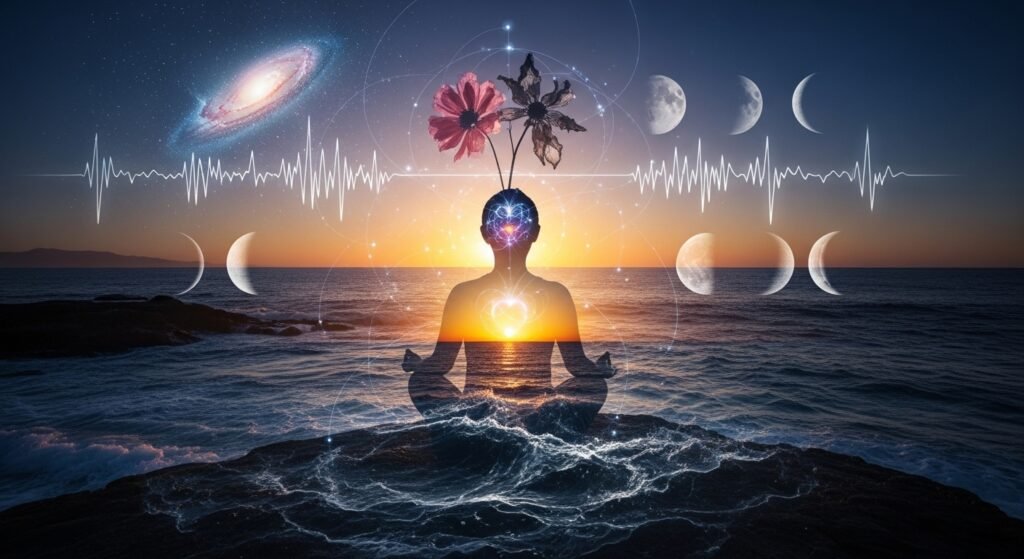
The Spiritual and Psychological Significance of Life Rhythms
Life rhythms hold profound spiritual and psychological importance as they symbolize the inherent cycles of creation, transformation, and renewal found throughout nature and human existence.
Spiritually, aligning with these natural rhythms connects us to universal harmony, reminding us of the sacred flow of birth, growth, decay, and rebirth.
Psychologically, embracing life’s rhythms supports emotional balance by guiding us through inevitable highs and lows, fostering resilience, acceptance, and a deeper awareness of our place within the greater cosmos.
Recognizing these patterns invites us to live more mindfully, harmonizing our inner world with the cyclical nature of existence.
Ancient traditions understood Time and Rhythms of Life as sacred:
- They symbolize death and rebirth cycles, transformation, and balance.
- Psychological theories describe rhythmic emotional patterns influencing mood and resilience.
- Living rhythmically fosters presence, acceptance, and harmony with life’s flow.
Modern psychology supports the perspective that rhythm regulates mental health and self-regulation capacities.

Quotes Celebrating Time, Nature, and Connection
- “Time is the wisest counselor of all.” — Pericles
- “Nature does not hurry, yet everything is accomplished.” — Lao Tzu
- “We are not human beings having a spiritual experience. We are spiritual beings having a human experience.” — Pierre Teilhard de Chardin
- “The rhythm of the body, the melody of the mind & the harmony of the soul create the symphony of life.” — B.K.S. Iyengar
- “To be whole. To be complete. Wildness reminds us what it means to be human, what we are connected to rather than what we are separate from.” — Terry Tempest Williams
FAQs About Time and Rhythms of Life
- What is the Time and Rhythms of Life?
The naturally recurring cycles that organize biological, environmental, and social processes across scales. - How do circadian rhythms affect health?
They govern sleep, hormone secretion, metabolism, and cognitive function, promoting overall wellness. - Why is syncing with natural rhythms important?
It enhances energy, emotional balance, productivity, and connection with nature and community. - Can artificial light disrupt natural rhythms?
Yes, especially blue light from screens, which suppresses melatonin and disrupts sleep. - What are ultradian rhythms?
Shorter cycles within 24 hours affecting alertness, energy, and rest periods. - How do seasonal rhythms influence mental health?
Changes in light and temperature impact mood and can trigger seasonal affective disorder. - Are lunar rhythms scientifically supported?
Research links lunar phases to biological cycles like menstruation and animal behavior. - How can I adjust my lifestyle to these rhythms?
By adapting sleep, eating, and activity patterns according to natural cues and cycles. - Do social rhythms affect relationships?
Yes, synchronized interaction rhythms improve communication and emotional bonding. - What tools help tune into life’s rhythms?
Observing nature, meditation, mindful breathing, journaling, and seasonal rituals.
Conclusion: Dancing with Life’s Rhythms for Wholeness
The Time and Rhythms of Life are ever-present pulses guiding the natural world and us within it. By recognizing and aligning with these rhythms—whether biological, environmental, energetic, or social—we restore balance, nurture vitality, and deepen our connection to the universe and one another. The dance with life’s rhythms invites us to live not against, but with the flow, honoring the cyclical nature of existence. This harmony fosters health, happiness, and a profound sense of purpose.