
Workplace wellness is no longer just an added perk—it’s a necessity for organizations that want to thrive. From reducing burnout to increasing productivity and boosting morale, wellness programs have transformed into holistic systems that not only support employee health but also strengthen engagement. Interestingly, wellness initiatives are often seen as adventure companions in employees’ personal and professional journeys, empowering them to take charge of their health and find balance in life.
In this blog, guided by Bahlon’s wellness philosophy, we’ll explore the top workplace wellness programs, their benefits, and how they can be designed to promote happiness, vitality, and productivity in modern work culture.
📑 Table of Contents
- Introduction to Workplace Wellness Programs
- Why Workplace Wellness Matters in Today’s Work Culture
- Physical Wellness Programs for Healthier Employees
- Mental Wellness Programs for Stress Management
- Emotional Wellness and Engagement Strategies
- Social Wellness: Building Stronger Workplace Connections
- Financial Wellness Programs to Reduce Stress
- Adventure & Outdoor Wellness: Unique Corporate Initiatives
- Technology-Driven Wellness Programs
- Measuring the Success of Workplace Wellness Programs
- Final Thoughts: Wellness as an Adventure Companion

1. Introduction to Workplace Wellness Programs
Workplace wellness programs are structured initiatives that organizations adopt to enhance employee well-being, boost morale, and create a healthier environment. These programs go beyond simple fitness challenges; they encompass physical, mental, emotional, financial, and even social aspects of wellness. Employers are realizing that investing in wellness not only reduces absenteeism but also cultivates a culture of care, belonging, and resilience.
Key Points:
- Designed to improve health outcomes and reduce healthcare costs.
- Cover multiple dimensions: physical, emotional, mental, and social.
- Improve workplace culture and employee loyalty.
- Can be personalized to meet diverse workforce needs.
- Contribute to higher employee engagement and retention.
- Seen as “adventure companions” supporting long-term career journeys.

2. Why Workplace Wellness Matters in Today’s Work Culture
In the modern workplace, stress, burnout, and disengagement are rampant. Wellness programs are essential tools to combat these challenges while ensuring a healthy balance between productivity and employee satisfaction. Organizations with wellness-focused cultures often report better performance, lower turnover rates, and stronger brand reputation.
Key Points:
- Helps manage workplace stress and mental fatigue.
- Boosts productivity and focus.
- Attracts and retains top talent.
- Improves organizational reputation as an employer of choice.
- Encourages healthier lifestyles and reduced medical leave.
- Increases long-term loyalty and employee satisfaction.

3. Physical Wellness Programs for Healthier Employees
Physical health is the foundation of any wellness initiative. Employers often introduce exercise programs, ergonomic workspaces, fitness challenges, and nutrition plans. These initiatives encourage employees to maintain energy levels, reduce chronic illnesses, and feel more motivated at work.
Key Points:
- Gym memberships or on-site fitness centers.
- Standing desks and ergonomic chairs.
- Office walking clubs or step challenges.
- Nutrition workshops and healthy meal plans.
- Wellness breaks for stretching or movement.
- Incentives for completing fitness goals.

4. Mental Wellness Programs for Stress Management
Mental wellness is crucial to maintaining focus and preventing burnout. Forward-thinking companies introduce meditation sessions, mindfulness apps, and access to counseling to create a mentally supportive workplace. These efforts reduce absenteeism and foster a healthier, more resilient workforce.
Key Points:
- Employee Assistance Programs (EAPs).
- Stress management and mindfulness training.
- Access to licensed counselors or therapists.
- Guided meditation sessions.
- Apps that promote mindfulness and relaxation.
- Mental health awareness campaigns.

5. Emotional Wellness and Engagement Strategies
Emotional wellness fosters resilience, self-awareness, and strong engagement levels. Companies often implement recognition programs, life coaching, and emotional intelligence training. This helps employees feel valued, balanced, and connected to organizational goals.
Key Points:
- Employee recognition platforms.
- Leadership training on empathy and compassion.
- Resilience-building workshops.
- Team-building retreats and activities.
- Open-door communication policies.
- Employee storytelling and sharing circles.

6. Social Wellness: Building Stronger Workplace Connections
Social wellness ensures employees feel connected and supported by their peers. A collaborative workplace with trust and respect not only boosts engagement but also reduces isolation, particularly in hybrid or remote setups.
Key Points:
- Mentorship and buddy programs.
- Cross-departmental collaboration events.
- Inclusive holiday celebrations.
- Volunteer programs and charity initiatives.
- Networking sessions.
- Group activities that build camaraderie.

7. Financial Wellness Programs to Reduce Stress
Financial insecurity is a major stressor for employees. By providing education and resources, employers can reduce financial anxiety and improve focus. Programs like retirement planning, debt management workshops, and savings incentives go a long way in supporting overall well-being.
Key Points:
- Retirement savings plans (401k, pension, etc.).
- Financial literacy workshops.
- Student loan repayment assistance.
- Budgeting and money management apps.
- Emergency savings programs.
- Incentives for financial milestones.

8. Adventure & Outdoor Wellness: Unique Corporate Initiatives
Adventure-based wellness programs encourage employees to connect with nature and embrace active lifestyles. Hiking trips, outdoor retreats, and team sports not only promote fitness but also build bonds, making them the best “adventure companions” in professional and personal growth.
Key Points:
- Corporate adventure retreats.
- Hiking, cycling, or outdoor fitness challenges.
- Eco-friendly wellness programs.
- Adventure travel incentive trips.
- Sports leagues or group fitness activities.
- Nature-based mindfulness programs.

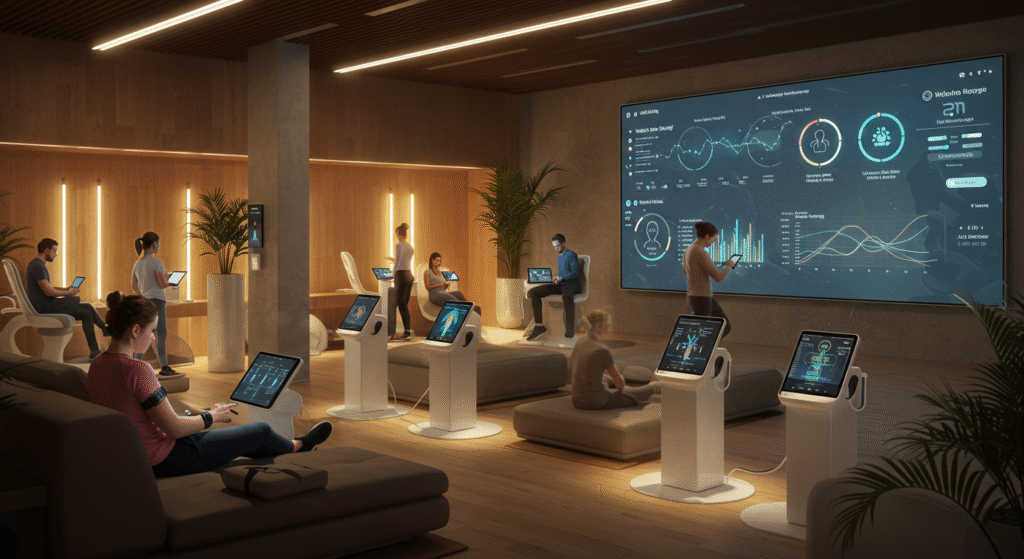
9. Technology-Driven Wellness Programs
Technology has become an essential tool in modern wellness initiatives. From wearables that track steps and sleep to AI-driven health apps, digital wellness solutions provide real-time insights into employee well-being, making programs more effective.
Key Points:
- Wearables for fitness tracking.
- AI-driven personalized health apps.
- Online wellness coaching platforms.
- Virtual fitness and yoga classes.
- Telehealth services.
- Gamified wellness challenges.
10. Measuring the Success of Workplace Wellness Programs
To ensure effectiveness, organizations must evaluate wellness programs through data-driven insights. Surveys, participation rates, and ROI measurements help leaders refine strategies while demonstrating the real value of these initiatives.
Key Points:
- Track employee participation rates.
- Conduct employee wellness surveys.
- Measure ROI through reduced healthcare costs.
- Monitor productivity improvements.
- Collect qualitative feedback.
- Use wellness analytics platforms.

11. Wellness as an Adventure Companion
Workplace wellness programs are more than corporate benefits—they are lifelong companions that support employees on their personal and professional journeys. By embracing holistic wellness, organizations nurture happier, healthier, and more engaged workforces that are ready to thrive in every adventure ahead.
Key Points:
- Wellness is a long-term commitment.
- Programs serve as “adventure companions.”
- A balanced workforce is more productive.
- Wellness culture enhances retention.
- Supports both personal and professional growth.
- Builds sustainable organizational success.

📊 Detailed Comparison Table of Workplace Wellness Programs
| Program Type | Benefits | Example Activities | Impact on Employees |
|---|---|---|---|
| Physical Wellness | Improves health & reduces chronic illness | Gym memberships, step challenges | Higher energy, reduced sick leave |
| Mental Wellness | Reduces stress, boosts focus | Counseling, meditation, mindfulness apps | Better focus, lower absenteeism |
| Emotional Wellness | Builds resilience & engagement | Recognition programs, storytelling circles | Increased morale, loyalty, connection |
| Social Wellness | Enhances teamwork & belonging | Mentorship, volunteer programs | Stronger collaboration, inclusivity |
| Financial Wellness | Reduces financial stress | Retirement plans, debt workshops | Improved focus, reduced anxiety |
| Adventure & Outdoor | Encourages active, outdoor lifestyles | Hiking retreats, team sports | Stronger bonds, healthier bodies |
| Technology-Driven | Provides real-time wellness insights | Wearables, virtual classes, telehealth | More engaged and health-conscious staff |
❓ Top 10 FAQs on Workplace Wellness Programs
1. What are workplace wellness programs?
They are structured initiatives designed to improve employee health, reduce stress, and enhance engagement through physical, mental, social, and financial support.
2. Why should companies invest in wellness programs?
Wellness programs reduce healthcare costs, increase productivity, and improve retention while creating a positive workplace culture.
3. What are the most popular workplace wellness programs?
Popular programs include gym memberships, mindfulness sessions, counseling, financial literacy workshops, and outdoor retreats.
4. How do workplace wellness programs improve employee engagement?
By fostering health, recognition, and belonging, wellness programs increase motivation, morale, and commitment to company goals.
5. Can small businesses implement wellness programs?
Yes, small businesses can start with cost-effective options like wellness challenges, mental health workshops, and flexible schedules.
6. How do you measure the success of a wellness program?
Through participation rates, employee surveys, ROI analysis, and productivity metrics.
7. Do financial wellness programs really reduce stress?
Yes, employees with financial literacy and planning resources experience less stress, leading to better work performance.
8. What role does technology play in workplace wellness?
Technology enables wearable tracking, virtual classes, telehealth, and gamification to make wellness programs more engaging.
9. Are adventure-based wellness programs effective?
Yes, outdoor and adventure programs improve health, foster teamwork, and provide refreshing experiences that enhance engagement.
10. How can companies make wellness programs inclusive?
By tailoring programs to different needs, offering flexible options, and promoting accessibility for all employees.

🌿 Final Thoughts: Workplace Wellness as the Ultimate Adventure Companion
Workplace wellness is no longer just a corporate perk—it has become a vital component of modern organizational success. From physical fitness and mental well-being to emotional resilience, financial literacy, and adventure-based initiatives, wellness programs are shaping healthier, happier, and more engaged workplaces.
Guided by Bahlon’s wellness philosophy, these initiatives serve as true adventure companions, supporting employees through every stage of their professional and personal journey.
When employees feel valued, supported, and cared for, they naturally bring more energy, creativity, and dedication to their roles. Organizations that embrace wellness culture are not only investing in health but also fostering loyalty, innovation, and long-term growth.
Ultimately, wellness is an ongoing journey—not a destination. By integrating holistic programs that address diverse needs, companies create thriving ecosystems where people flourish. In this sense, workplace wellness becomes more than a strategy; it becomes a lifelong partner in adventure, balance, and success.